

Stainless steel is an iron alloy with at least 10.5% chromium and a variety of other elements to obtain specific properties, such as formability and durability. These properties make stainless steel useful for a wide range of applications across a number of industries, from medical to food processing to chemical engineering.
Among the most common uses for stainless steel are in kitchen equipment, medical instruments and surgical implants. Its corrosion and rust resistance, along with its ability to be sterilized, makes it ideal for use in hygienic environments.
The primary advantage of using stainless steel is its corrosion resistance. Its chromium content prevents oxidation and rusting, which reduces the risk of bacteria growing on its surfaces. Moreover, it is resistant to acidic substances and caustic cleaners.
It is also hygienic, and can be used in food processing facilities where there is a higher likelihood of contamination. For example, dairy farmers use stainless steel for their milking machines and pipework, which require careful daily washing down to keep mastitis and milk contamination at bay.
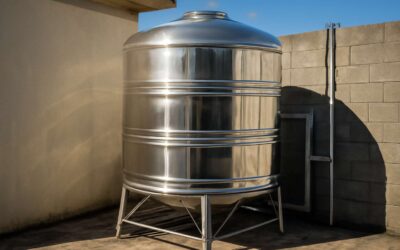
Other industrial and manufacturing uses of stainless steel include tank and pipeline construction for oil, gas and water treatment facilities, as well as marine and shipbuilding applications. Stainless steel can be alloyed with carbon, silicon, manganese, and other elements to improve its mechanical and corrosion resistance characteristics.
A higher carbon content in stainless steel helps it retain its strength at elevated temperatures, so this type is often used for parts that will be subject to extreme conditions. It can also be heat treated for a higher temperature tolerance.
Stainless steel is also durable, and can withstand a long service life. It is not as prone to cracking or bending than other metals, so it can be made into more complex shapes without the need for additional materials.
The most commonly used stainless steel is series 304, which has a high tensile strength and excellent corrosion resistance. The higher chromium content of this grade increases its corrosion resistance in the presence of salt, making it an ideal choice for applications such as food and beverage processing.
Another popular stainless steel is series 316, which offers a lower tensile strength than 304 but is better able to resist the effects of chlorides. This grade is often found in the marine industry and is suited for marine and high chloride environments, as well as pulp and paper manufacturing.
Depending on the needs of the end user, stainless steel can be alloyed with other elements such as nitrogen, manganese and molybdenum to add to its durability, corrosion resistance and machinability. Adding manganese to stainless steel promotes its austenite microstructure by increasing the formation of sulfur-forming manganese sulfide, which increases its corrosion resistance while reducing its brittleness.
Its chemical resistance is also a key benefit of stainless steel, as it can be used in chemical and petroleum industry processes where corrosive chemicals are present or at higher concentrations. The corrosion resistance of stainless steel is also essential for food and drink preparation and transportation, as it protects a product from damage during transport or storage.


0 Comments