
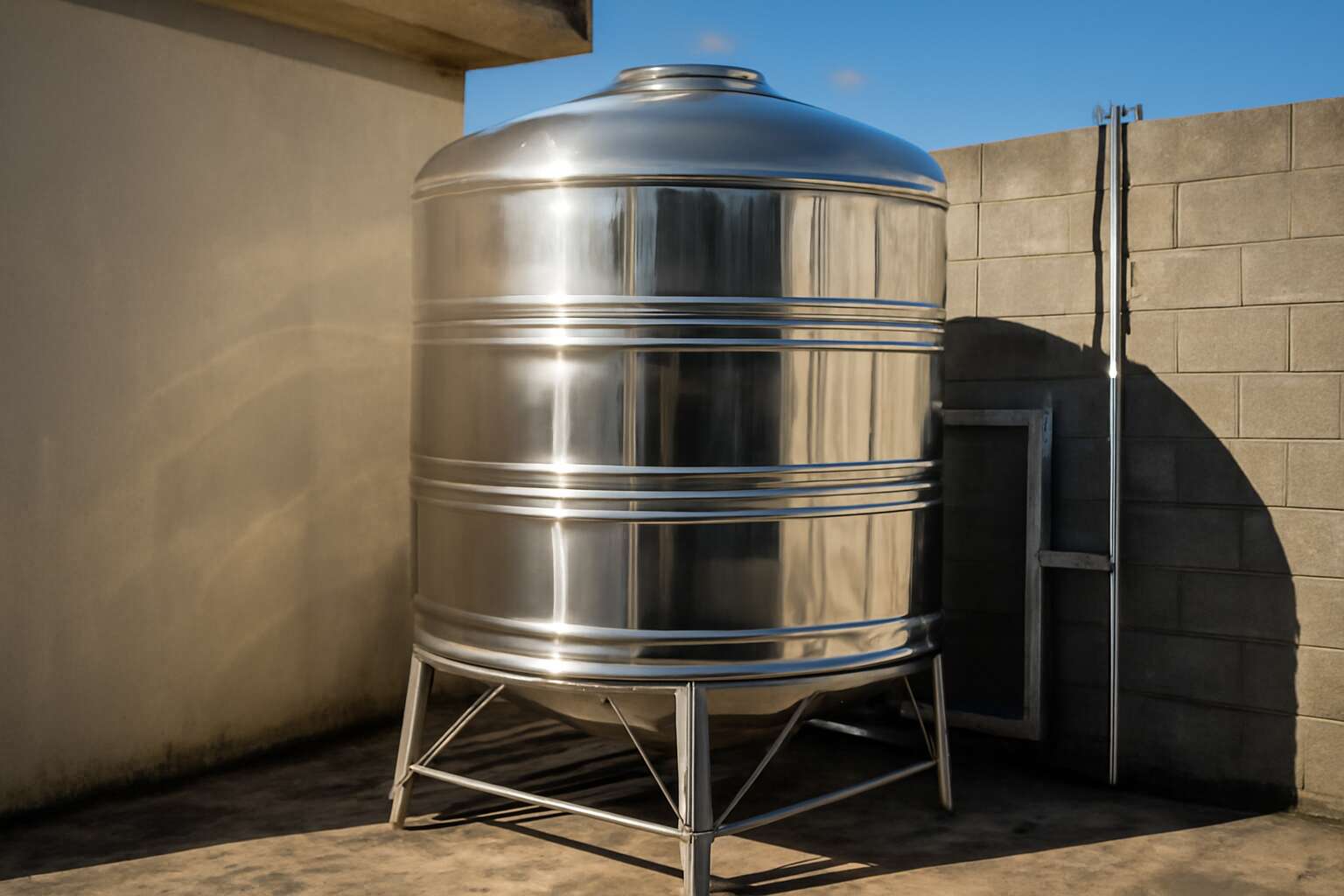
Understanding stainless steel water tanks
Definition and core features of stainless steel water tanks
“Quality is the memory of a system that lasts.” A blunt truth that lands as you consider storage that outlives trends. In South Africa, where water is a daily negotiation, a stainless water tank stands as more than a vessel—it is resilience you can trust.
Understanding stainless steel water tanks means recognizing a vessel made from a corrosion‑resistant alloy designed to hold potable water with minimal contamination, even under sun‑burnished roofs and long dry spells. A stainless water tank becomes a quiet partner in a home and a business, enduring where cheaper options fail.
Core features include:
- Corrosion resistance and durability
- Hygienic interior and easy cleaning
- Leak‑proof seams and secure fittings
- Thermal stability for reduced evaporation
In this light, the tank is less a container and more a testament to stewardship—storage that respects both people and place.
Common stainless steel grades used in water storage
In the quiet hours of a dry season, a stainless water tank stands as a dependable neighbor to every homestead and farm shed. Water is life in South Africa, and the choice of grade matters as much as the roof over a cistern. A stainless water tank marries resilience with everyday practicality, shrugging off sun, dust, and the march of time.
Common stainless steel grades used in water storage include:
- 304/304L: versatile, affordable, with solid corrosion resistance for inland supplies.
- 316/316L: superior protection against chlorides and salt spray, ideal for coastal or harsh water conditions.
Beyond these, finishes and alloys tailor performance to local water chemistry and budget. Inland homes often find 304/304L reliable, while coastal farms opt for 316/316L to endure heat, sun, and salt air.
Key advantages over alternative materials
Industry data show a stainless water tank can outlast plastic equivalents by a factor of two, even under the relentless SA sun. That resilience means fewer replacements and cleaner water year after year! This tank blends hygiene, strength, and longevity, becoming a dependable neighbour to any homestead or farm shed. In inland towns and coastal farms alike, its quiet efficiency earns respect.
- Outstanding corrosion resistance across seasons and water chemistries
- Hygienic interiors that resist staining and biofilm
- UV stability and structural integrity under high heat
- Long life-cycle and recyclability, lowering waste and maintenance costs
Beyond raw toughness, the value lies in design versatility: wall thickness, fittings, and interior finishes can be tailored to local water chemistry and budget. The stainless water tank not only stores water but protects it, maintaining taste and purity across seasons.
Typical applications and environments for stainless steel water storage
South Africa’s climate is fickle, but your water shouldn’t be. A stainless water tank is the reliable backbone for storage on farms, estates, and remote homesteads.
Typical applications and environments include:
- Rural farms and homesteads
- Coastal properties and fishing lodges
- Mining camps and industrial sites
- Rainwater harvesting and irrigation schemes
Whether tucked beside a shed or integrated with a damline, these tanks adapt to local rainfall patterns and space constraints, keeping water available when it counts and making the logistics of water supply feel almost civilized.
Benefits and use cases of stainless steel water tanks
Sanitary and food-grade advantages of stainless tanks
“Integrity in storage isn’t optional; it’s essential.” In South Africa, a stainless water tank stands as a quiet guardian, keeping water pristine even under pressure.
The sanitary and food-grade advantages of stainless tanks are real. With a non-porous interior, they resist biofilm and corrosion, ensuring that taste and safety stay pristine. They are easy to clean, can be sanitized repeatedly, and won’t leach metals, making them ideal for food and beverage applications and reliable household storage.
Use cases span from rural homes to bustling kitchens, where a stainless water tank becomes a daily companion:
- Rural homes and farms for reliable drinking and irrigation.
- Dairy, bottling and beverage facilities requiring hygienic storage.
- Hospitals, schools and government complexes needing dependable water reserves.
Across these scenarios, the tank remains a cornerstone of safety, durability, and peace of mind.
Durability and corrosion resistance in challenging environments
In the harsh theatre of South African weather, a stainless water tank stands as a steadfast sentinel. Its durability wears no banners but speaks in solid steel—robust against salt-laden coastal air, blistering sun, and the daily hammer of pressure. Corrosion yields to its non-porous interior; dents are surprises, not disasters, and longevity becomes a virtue you measure in decades rather than seasons.
Here are enduring benefits and prime use cases:
- Rural homes and farms demanding reliable, clean harvest water
- Industrial facilities such as dairies and bottling plants requiring hygienic storage
- Public facilities like hospitals, schools and government complexes needing dependable reserves
Ultimately, the stainless water tank is more than storage; it is a pledge of safety and continuity for South African households and enterprises. It endures the pressure of demand, the bite of drought, and the fickle caprices of supply, preserving pristine water for when it matters most.
Space-efficient designs and installation options
South Africa’s water stress is a daily weather report—yet a stainless water tank changes the forecast. In homes that harvest rain, storage can cut reliance on municipal supply by up to 30%, turning tight spaces into trusted reserves.
Space-efficient designs and flexible installation options let you reclaim every square metre.
- Slimline footprints maximize tight spaces
- Rooftop mounting with light structural load
- Underground or hidden installations for tidy sites
From rural homesteads to bustling dairies, and from clinics to government campuses, the tank serves as a quiet guardian, delivering clean, dependable reserves when the taps run dry.
Residential, commercial, and industrial use cases
In South Africa’s drought cycles, every liter saved is a lifeline. A stainless water tank acts as a trusted guard against dry taps, blending durability with clean, ready reserves. It’s more than metal; it’s peace of mind for families and small businesses alike.
Residential, commercial, and industrial settings all reap tangible benefits:
- Residential: rainwater harvesting for homes and garden irrigation, plus emergency reserves.
- Commercial: schools, clinics, and shops stay operational during water disruptions.
- Industrial: reliable process water and wash-downs with hygienic, low-maintenance storage.
From rural homesteads to urban campuses, the right storage solution protects health, boosts readiness, and keeps operations running when taps run dry.
Materials, grades, and quality considerations for stainless steel water tanks
Common stainless steel grades and what they mean
In South Africa, a durable stainless water tank is not a luxury—it’s a safeguard against unreliable supply and harsh weather. Material choice matters: the right stainless steel grade resists corrosion, keeps water quality high, and reduces maintenance over time.
- 304: versatile, good hygiene, broad compatibility with potable water.
- 316: molybdenum-enhanced for coastal or chloride exposure.
- 430: lower-cost ferritic option with less corrosion resistance.
Quality hinges on finish, passivation, and robust welds. A smooth interior and proven fabrication standards guard against contamination and leaks. Seek tanks with documented testing and compliance marks to ensure the stainless water tank performs under South African conditions.
Corrosion resistance and passivation processes
In the story of water resilience, a stainless water tank is more than metal—it is a quiet oath to durability in South Africa’s climate. Material choice matters: 304 offers versatile hygiene and compatibility with potable water, while 316 is molybdenum-enhanced for coastal or chloride exposure, and 430 provides a budget-friendly ferritic option with reduced corrosion resistance.
Quality hinges on finish, passivation, and robust welds. A smooth interior and consistent fabrication guard against contamination and leaks. Corrosion resistance is reinforced by proper passivation—often with citric or nitric acid—to form a protective passive layer. Tanks treated this way stay cleaner, longer, and withstand harsh outlet conditions.
Consider these quality markers:
- Exterior and interior finishes that promote a wipe-down clean process
- Documented passivation and welding standards
- Interior smoothness and tested leak integrity
Quality standards and certification (ISO, NSF/ANSI)
In the saga of a stainless water tank, material grade is the shield. Grades such as 304, 316, and 430 offer different blends of hygiene, strength, and value for South Africa’s varied climates. The interior surface should be smooth and uniform to deter deposits, while welds are executed with precision to guard against leaks. Finish quality—from base to final coat—keeps the tank pristine and reliable over decades.
Quality standards and certification act as steadfast guides. Compliance with ISO 9001 for process reliability and ISO 14001 for environmental stewardship reassures buyers. For potable-water safety, NSF/ANSI 61 and NSF/ANSI 372 verify suitability and lead limits. A documented material traceability program and leak testing further underpin trust.
- ISO 9001 Quality Management Systems
- ISO 14001 Environmental Management
- NSF/ANSI 61 Drinking Water System Components
- NSF/ANSI 372 Lead Content Compliance
Tank thickness, coating, and liner options
Material grade sets the baseline for hygiene and strength in a stainless water tank. For South Africa’s climate, 304 and 316 are trusted, with 430 as a budget option in low-corrosion zones. The interior should be smooth to deter deposits, and wall thickness balances durability with transport. A robust finish from base coat to sealant protects longevity.
Coating and liner choices extend service life. Consider interior coatings or liners that seal the metal and reduce maintenance in harsh sun and variable rainfall. The options below suit different budgets and cleaning routines:
- Epoxy interior coating for chemical resistance and smooth cleaning.
- Polyurethane or HDPE liners for extra leak protection and easier maintenance.
- Passivation and surface finishing options to preserve corrosion resistance.
Thickness and coatings should be specified by the supplier to meet expected service life and local conditions.
Welding, fabrication, and quality control practices
A materials-first mindset powers a stainless water tank’s hygiene and strength. The right alloy and a smooth interior surface ease cleaning, resist scaling, and stand up to South Africa’s seasonal shifts. Quality starts with careful material grading, rigorous supplier qualification, and transparent traceability—so every tank carries a known pedigree from raw sheet to finished weld.
Welding, fabrication, and quality control practices keep that pedigree intact. Skilled welders apply suitable methods to minimize distortion and ensure robust, corrosion-resistant joints. Assemblies are fixtured for exact fit-up, deburred, and properly cleaned before passivation. Documentation, non-destructive testing, and hydro checks confirm integrity before deployment in the field.
- Welding methods and filler choices for clean, durable joints
- Surface finishing and passivation to preserve stainless properties
- Non-destructive testing and hydro testing with full traceability
Maintenance, cleaning, and longevity of stainless steel water tanks
Recommended cleaning agents and schedules for stainless tanks
In South Africa’s sun-scorched climate, water storage isn’t merely practical—it’s essential. A well-maintained stainless water tank stands as a guardian of purity, turning every fill into a pledge that the next shower, sip, or wash is safe.
Maintenance relies on steady, respectful routines. For cleaning, lean on mild detergents or non-toxic stainless steel cleaners, and a white vinegar solution to chase mineral deposits. Schedule a biannual inspection and an annual deep clean, then rinse thoroughly and allow to air-dry.
- Mild, pH-neutral detergent
- Non-abrasive stainless steel cleaner
- Rinse thoroughly and air-dry
With proper care, a stainless water tank ages gracefully, resisting corrosion and keeping its interior sanitary. Protect the passivation layer by avoiding harsh chemicals and storing only clean water, so the reservoir remains ready for seasons of plenty and scarcity.
Gasket and seal maintenance for leak prevention
In the sun-scorched heart of South Africa, a stainless water tank is more than storage; it’s a guardian of purity that keeps every drop pristine. Maintenance is a quiet ritual—gentle, attentive, unwavering—so the interior remains gleaming and ready for seasons of plenty and scarcity!
Gasket and seal maintenance is your first line of defence against leaks in a stainless water tank. A few careful checks can save costly repairs later.
- Inspect gaskets for cracks, hardening, or swelling during routine access.
- Replace worn seals promptly to preserve a tight seal.
- Keep flange and lid interfaces clean and dry to reduce corrosion risk.
Longevity follows when seals stay snug and the interior is kept free of contaminants; this is how a stainless water tank continues to serve with quiet dignity, resisting corrosion and keeping water safe across seasons.
Inspecting for signs of wear, corrosion, or scaling
Across South Africa’s sun-scorched estates, a stainless water tank stands as a silent guardian. Studies show up to 60% of storage-tank leaks begin with unseen scaling or early corrosion on interior surfaces. Inspect seams, welds, and baffles for wear; watch for pitting, fretting, and chalky mineral deposits that betray creeping trouble!
Maintenance is a quiet ritual! A gentle cleaning, patient rinsing, and an alert eye for edges where grime clings. Keep flanges and lids clean and dry to curb corrosion; ensure interior surfaces stay smooth and unscuffed. When signs of wear appear, address them promptly to keep passages clear.
Longevity follows steadfast care. A stainless water tank that remains clean and sealed resists corrosion and preserves water pristine through seasons of plenty and scarcity. The interior gleams, the exterior holds its vigil, and the tank continues to serve with quiet, lucid dignity.
Best practices to extend lifespan and ensure safety
In sun-scorched pockets of South Africa, a stainless water tank carries more than water—it carries a promise of reliability. When cared for, this vessel shines with quiet dignity, guarding taste and clarity through droughts and floods alike. The tank resists tarnish and keeps interior surfaces smooth.
Maintenance is a quiet ritual—gentle cleaning, patient rinsing, and a watchful gaze for any dulling or roughness on the interior. Keep lids and flanges dry to curb corrosion; a soft touch prevents micro-scratches that invite trouble.
- Interior surface integrity
- Seal and lid condition
- Welds and fittings check by a pro
Longevity comes to those who treat the tank as a partner in life. A stainless water tank that remains clean and sealed resists corrosion and preserves water’s integrity through seasons of plenty and scarcity.



0 Comments