
Stainless Steel Laser Cutting: Process Overview and Best Practices
Industry Trends and Market Demand
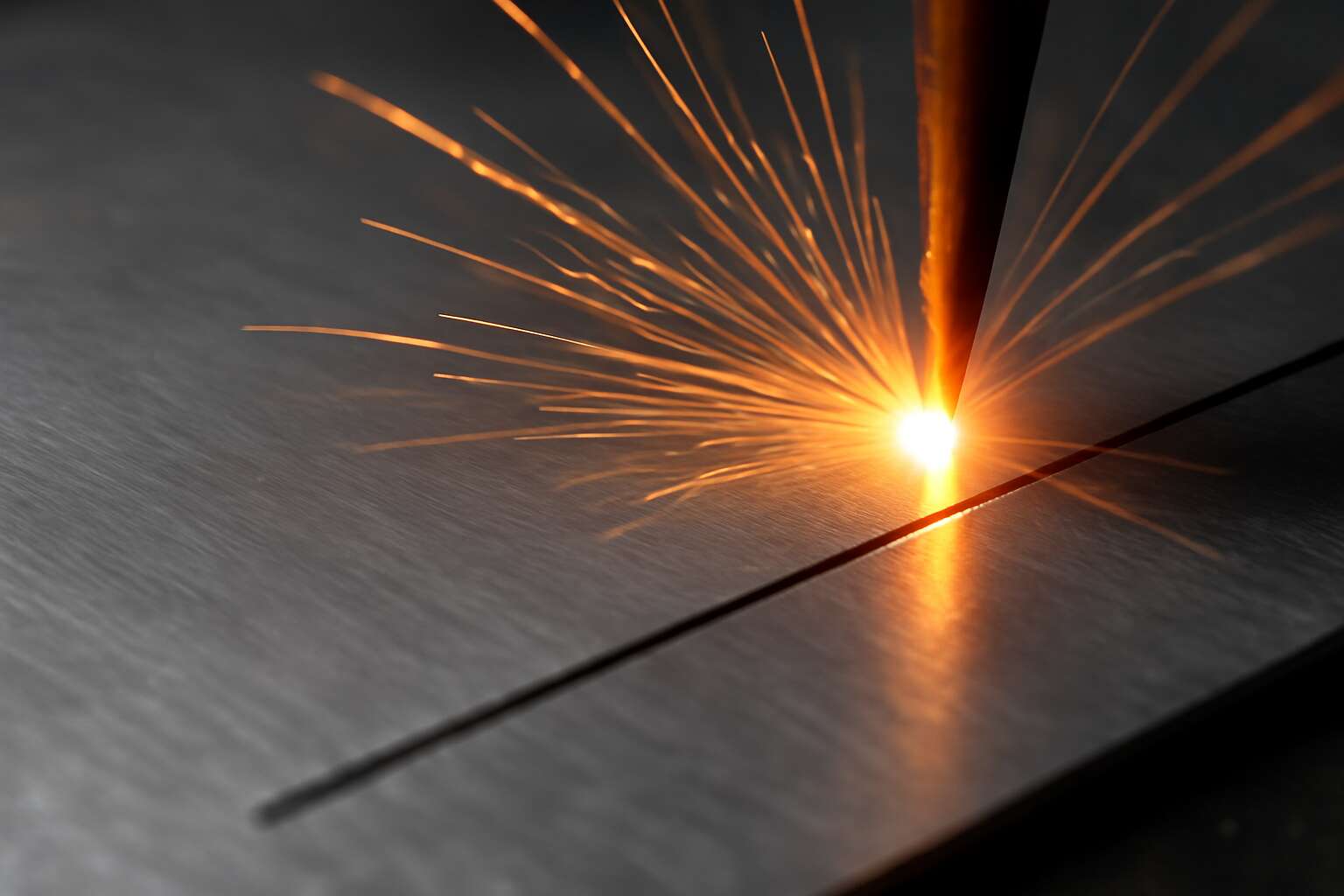
Across South Africa’s workshops, almost 38% of metal projects start with laser cut stainless steel, and the demand is rising. I think of a quiet Karoo shed, where a sheet yields to a precise beam, edges gleaming like frost. The technology feels patient, turning rough stock into durable parts.
Process overview and best practices come into focus in the glow of the shop light. The core ideas are simple: steady heat, clean kerf, and secure clamping. Essentials to consider:
- Material thickness and laser capacity alignment
- Finishing to reduce dross and glare
- Regular lens and nozzle maintenance
Industry trends and market demand in South Africa point to a growing appetite for durable, corrosion-resistant parts. laser cut stainless steel is appearing in façades, transport components, and agricultural equipment, underscoring how precision and resilience meet real-world need.
Material Selection and Stainless Steel Grades
Stainless steel laser cutting is a quiet ritual of precision. A steady beam turns dull stock into parts that outlast the warranty. In South Africa’s workshops, a crisp kerf can reveal laser cut stainless steel that stands up to sun and salt. “The kerf is the map to a perfect fit,” jokes a veteran fabricator, and the rest is heat, patience, and a hint of bravado.
Process overview and best practices emerge under shop lights. It’s all about steady heat, a clean kerf, and secure clamping. Essentials to consider:
- Material thickness and laser capacity alignment
- Finishing to reduce dross and glare
- Regular lens and nozzle maintenance
Material selection and stainless steel grades guide performance. For laser cut stainless steel, 304 and 316 (and 304L/316L) balance formability with corrosion resistance; 430 offers economy with less endurance in harsher climates. In SA, these grades meet façades, transport parts, and ag gear needs.
Laser Cutting Techniques and Process Parameters
Across South Africa’s fabrication floors, laser cut stainless steel parts routinely hit tight tolerances—often within 0.2 mm—thanks to a disciplined process. The overview is simple: steady heat, precise focus, and a clean gas assist that keeps the kerf narrow and edges calm. In this quiet dance, laser cut stainless steel reveals edges that stay true through years of service and sun-washed outdoors.
Best practices emerge under shop lights by balancing power, speed, and focal position to suit material thickness. The goal is a consistent kerf, minimal heat-affected zones, and edges that don’t glare at the sun. Regular optics maintenance and clean gas paths keep the system honest and repeatable.
- Focus quality aligned with thickness for predictable cuts
- Gas assist choices and diligent nozzle upkeep for clean edges
- Edge finishing to control glare and coating adhesion
Quality, Finishing, and Tolerances
Staring down a sheet of stainless steel, the laser is not a weapon but a conductor of quiet precision—the sort of performance you trust from laser cut stainless steel that ages gracefully in sun and workshop alike. A disciplined setup pares heat, locks focus, and maintains a clean gas path to keep the kerf narrow and the edges calm, delivering predictable results on South Africa’s fabrication floors.
Key quality anchors include:
- Glare control and coating compatibility
- Tight dimensional verification through simple checks
- Clean gas paths and steady nozzle maintenance
Edge-to-edge confidence comes from disciplined practice marrying finish quality to practical tolerance, ensuring every piece remains presentable and dependable in service.


0 Comments