
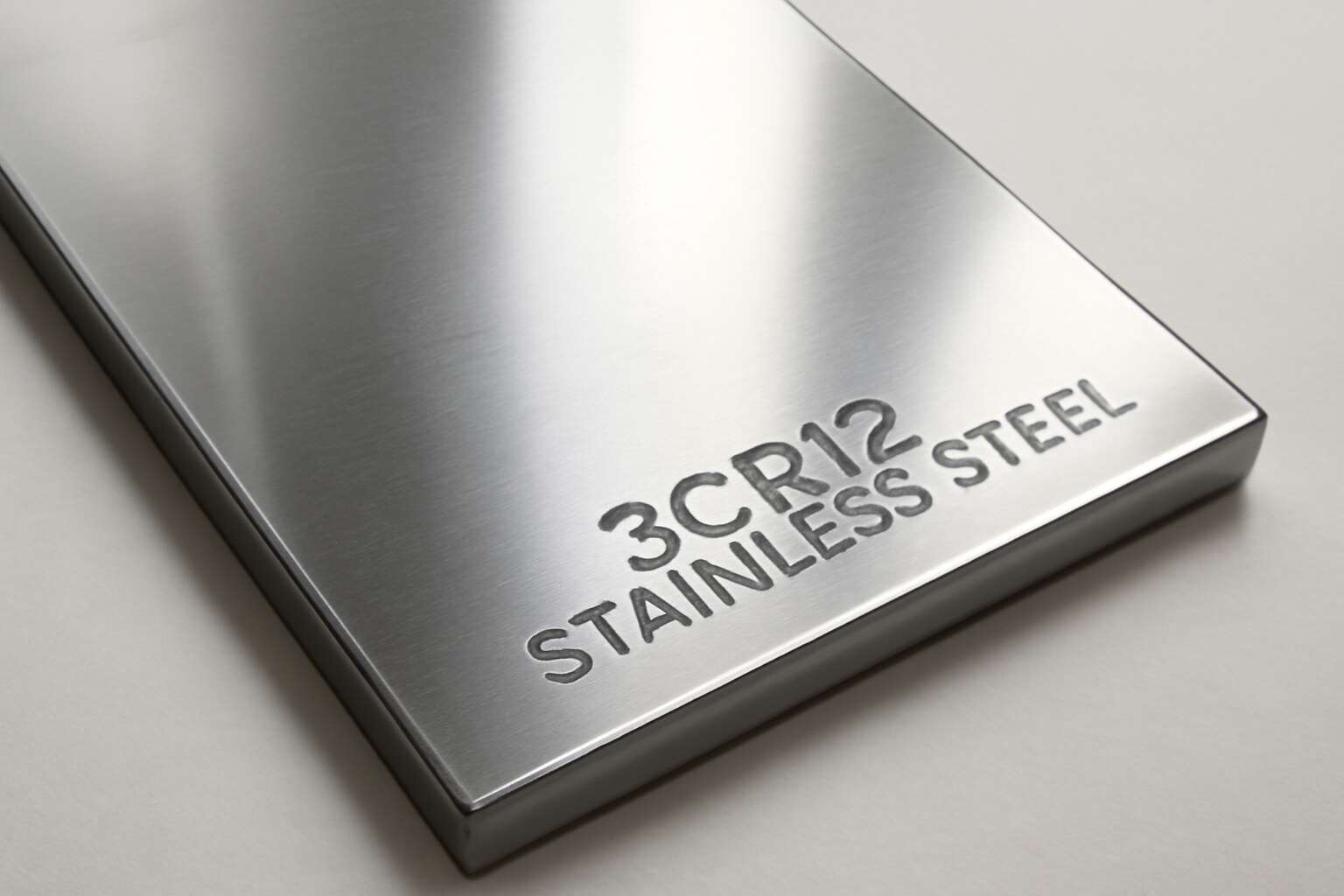
Overview of 3cr12 Stainless Steel
Definition and Composition – Details of chemical makeup and alloying elements
In the shadowed corridors of metallurgy, 3cr12 stainless steel emerges as a mysterious yet resilient alloy, whispering tales of durability and corrosion resistance. Its composition is a delicate dance of elements, carefully balanced to forge a material that can withstand the harshest environments. At its core, 3cr12 stainless steel is primarily composed of iron, infused with a calculated mix of chromium, nickel, and other alloying elements that lend it its unique properties.
The chemical makeup of 3cr12 stainless steel typically includes around 11-13% chromium, which grants it exceptional corrosion resistance, especially against acidic and saline conditions. Its alloying elements often include manganese, molybdenum, and small traces of carbon, all of which contribute to its strength and formability. This composition creates a steel that is both formidable and flexible, capable of resisting the corrosive forces of South Africa’s diverse landscapes.
- Chromium — approximately 11-13%, vital for corrosion resistance
- Nickel — enhancing ductility and toughness
- Manganese and molybdenum — contributing to strength and corrosion resistance
Such intricate chemical architecture makes 3cr12 stainless steel a prized choice for applications where durability is paramount, yet it retains a certain elegance—an alloy forged in shadows, yet designed to endure the relentless march of time.
Historical Development – Origin and evolution of 3cr12 stainless steel
From its origins in the early 20th century, 3cr12 stainless steel has carved out a niche as a resilient alloy capable of enduring the toughest environments. Its evolution reflects the relentless pursuit of durability combined with affordability—a trait that has made it a staple in industries across South Africa. Initially developed to meet industrial needs, 3cr12 stainless steel quickly gained recognition for its impressive corrosion resistance and ease of fabrication.
Over the decades, advances in metallurgy and a deeper understanding of alloying elements have refined its properties. Today, 3cr12 stainless steel is celebrated for striking a delicate balance between strength and flexibility. This alloy’s journey from obscurity to prominence underscores its vital role in applications requiring both resilience and aesthetic appeal.
In the modern landscape, this alloy’s adaptability is evident in various sectors—from architecture to manufacturing—each demanding materials that can withstand South Africa’s diverse climate conditions. Its ability to resist corrosion while maintaining structural integrity makes 3cr12 stainless steel a continuous subject of innovation and interest among industry experts.
Common Applications – Industries and products utilizing this steel type
Across South Africa’s diverse industrial landscape, 3cr12 stainless steel has become an indispensable material. Its unique blend of corrosion resistance, strength, and affordability makes it a favorite in sectors that demand durability and aesthetic appeal. From architectural facades to everyday household fixtures, this alloy’s versatility shines through.
In manufacturing, 3cr12 stainless steel is often used for kitchen appliances, cutlery, and decorative hardware. Its ease of fabrication allows for intricate designs without compromising its resilience. The construction industry relies on this alloy for cladding, handrails, and outdoor furniture, where exposure to South Africa’s vibrant climate is a constant challenge.
- Architectural applications
- Kitchen appliances and cutlery
- Outdoor furniture and fixtures
- Industrial equipment and storage tanks
Its ability to withstand corrosive environments—such as coastal regions—without extensive maintenance has cemented 3cr12 stainless steel’s reputation as a practical, long-lasting choice. Whether in high-traffic public spaces or private residences, this alloy continues to prove its worth as a resilient and adaptable material poised to meet the nation’s evolving needs.
Properties of 3cr12 Stainless Steel
Mechanical Properties – Strength, hardness, and ductility characteristics
When it comes to the mechanical properties of 3cr12 stainless steel, strength, hardness, and ductility stand out as defining features. This alloy strikes an intriguing balance, offering a moderate tensile strength that makes it suitable for a variety of industrial applications in South Africa. Its hardness level, typically around 150 to 200 HB (Brinell Hardness), ensures durability without sacrificing the ability to be shaped and finished with precision.
What truly sets 3cr12 stainless steel apart is its ductility—the capacity to bend and deform without fracturing. This characteristic allows manufacturers to produce complex components that require both resilience and flexibility. For example, in the manufacturing of kitchen appliances and architectural fixtures, the steel’s mechanical properties ensure longevity and performance.
- Moderate tensile strength for versatile use
- Good hardness for wear resistance
- High ductility for shaping and fabrication
Corrosion Resistance – Performance against rust and environmental factors
When it comes to corrosion resistance, 3cr12 stainless steel proves to be quite the resilient champion—think of it as the steel equivalent of that stubborn cousin who refuses to rust under pressure. Its ability to withstand rust and environmental factors makes it a popular choice for outdoor fixtures and kitchen appliances here in South Africa, where weather conditions can be as unpredictable as a soap opera plot twist.
This alloy’s unique composition offers a natural defense against oxidation, meaning it resists rust even when exposed to moisture, humidity, and the occasional splash of dish soap. For those wondering about durability, the corrosion resistance of 3cr12 stainless steel ensures longevity, reducing maintenance costs and keeping surfaces looking pristine without constant fuss.
In practical terms, 3cr12 stainless steel performs admirably against environmental assaults, whether it’s the salty air of coastal regions or the dust and dirt of industrial zones. Its robust resistance not only preserves aesthetics but also maintains structural integrity, making it ideal for applications where exposure to the elements is unavoidable.
Temperature Resistance – Ability to withstand high and low temperatures
In the fiery crucible of industrial resilience, 3cr12 stainless steel stands as a testament to adaptability, especially when faced with the extremes of temperature. Its ability to withstand both searing heat and biting cold transforms it into a versatile marvel—an alloy that refuses to falter under the weight of environmental stressors. Imagine a material that maintains its integrity whether subjected to the sweltering South African sun or the chill of coastal nights—that’s the promise of 3cr12 stainless steel.
This alloy’s temperature resistance is rooted in its unique composition, which allows it to endure temperatures ranging from -50°C to approximately 400°C without losing strength or ductility. Such resilience ensures that it performs reliably in applications like industrial kitchens, outdoor fixtures, and even marine environments where temperature fluctuations are commonplace. For those seeking a steel that not only survives but thrives amid thermal extremes, 3cr12 stainless steel offers an impressive lineup of properties:
- Exceptional resistance to thermal deformation.
- Maintains structural integrity under cyclical heating and cooling.
- Retains corrosion resistance even when exposed to high temperatures.
Whether facing the heat of welding processes or the cold of outdoor storage, 3cr12 stainless steel’s ability to adapt makes it an invaluable choice for South African industries that demand durability and performance, regardless of temperature swings. Its remarkable thermal stability isn’t just a feature; it’s a testament to the alloy’s resilience—a quality that truly makes it stand out in the realm of stainless steels.
Ease of Fabrication – Welding, cutting, and forming capabilities
One of the standout qualities of 3cr12 stainless steel is its exceptional ease of fabrication. For industries across South Africa, where adaptability often determines success, this alloy offers remarkable flexibility in manufacturing processes. Whether it’s welding, cutting, or forming, 3cr12 stainless steel responds predictably, making it a preferred choice for fabricators seeking efficiency and precision.
Welding 3cr12 stainless steel is straightforward, thanks to its balanced composition that minimizes warping and distortion. Its compatibility with common welding techniques ensures strong, durable joints, vital for applications that demand structural integrity. Cutting 3cr12 stainless steel, whether by laser, plasma, or traditional methods, produces clean edges with minimal effort—saving time and reducing waste.
Forming 3cr12 stainless steel is equally manageable. Its ductility allows for bending and shaping without cracking, even in complex designs. For those working in outdoor environments or marine settings, this alloy’s formability combined with its corrosion resistance makes it especially appealing. Its versatility in fabrication processes underscores why so many South African industries rely on 3cr12 stainless steel for their rugged, yet refined, creations.
Grades and Standards of 3cr12 Stainless Steel
National and International Standards – ASTM, ISO, EN classifications
When it comes to 3cr12 stainless steel, understanding its grades and standards across both national and international platforms is essential for ensuring optimal performance and compliance. This steel type is recognized under various classifications that highlight its unique properties and applications. In South Africa and beyond, standards such as ASTM, ISO, and EN play a pivotal role in defining the quality benchmarks for 3cr12 stainless steel.
For instance, the ASTM standards provide detailed specifications that cover chemical composition, mechanical properties, and testing methods, ensuring consistency across global markets. Meanwhile, ISO classifications emphasize versatility and safety, aligning with international best practices. EN standards, prevalent in Europe, specify corrosion resistance and fabrication requirements that are crucial for industries relying on 3cr12 stainless steel’s durability.
To simplify navigation, some standards are grouped into categories such as:
- Material composition
- Mechanical performance
- Corrosion resistance
- Manufacturing and fabrication guidelines
By adhering to these comprehensive standards, manufacturers and engineers in South Africa can confidently utilize 3cr12 stainless steel in a variety of applications, knowing it meets rigorous international benchmarks for quality and safety.
Variants and Microstructures – Different forms and treatment options within 3cr12
3cr12 stainless steel is a versatile alloy with several grades and variants, each tailored for specific applications. Its microstructure can vary significantly depending on heat treatment and processing methods, influencing properties like hardness, toughness, and corrosion resistance. For example, annealed 3cr12 stainless steel typically exhibits a ferritic microstructure, offering excellent formability and weldability. Conversely, hardened variants develop martensitic structures that boost wear resistance and strength.
Within the realm of 3cr12 stainless steel, different forms such as sheets, plates, and coils are available to suit diverse manufacturing needs. Surface treatments like passivation or polishing enhance corrosion resistance, especially important in environments prone to rust. Manufacturers often choose between these forms and treatments based on the intended application and standard compliance.
- Material composition adjustments
- Heat treatment processes
- Surface finishing techniques
Understanding these microstructures and variants ensures optimal performance, whether for cutlery, architectural fixtures, or industrial machinery. The ability to adapt 3cr12 stainless steel to specific conditions makes it a preferred choice across industries in South Africa and beyond.
Advantages of Using 3cr12 Stainless Steel
Corrosion and Wear Resistance – Longevity and durability benefits
When durability is paramount, 3cr12 stainless steel emerges as a silent champion. Its exceptional corrosion and wear resistance translate into a remarkable lifespan, even in the most challenging environments. Unlike inferior alloys that succumb to rust and degradation, 3cr12 stainless steel offers a resilient barrier that withstands the relentless assault of moisture, chemicals, and temperature fluctuations.
This steel’s longevity isn’t merely a matter of appearance; it significantly reduces maintenance costs and downtime, making it a preferred choice across industries. Its intrinsic ability to resist rust and corrosion means that structures and products crafted from 3cr12 stainless steel maintain their integrity over time. For those seeking a reliable, durable material, the benefits of using 3cr12 stainless steel become undeniably clear.
- Extended service life
- Lower maintenance requirements
- Consistent performance in harsh environments
In the realm of industrial applications, the wear resistance of 3cr12 stainless steel ensures components remain functional longer, even under constant friction or abrasive conditions. This resilience not only enhances safety but also preserves the aesthetic appeal of finished products, securing its reputation as a steel that truly stands the test of time. Truly, the advantages of using 3cr12 stainless steel are as steadfast as the material itself.
Cost-Effectiveness – affordability compared to other stainless steels
Cost-effectiveness is a key factor driving the popularity of 3cr12 stainless steel in South Africa. This versatile alloy offers significant savings without compromising quality. Compared to other stainless steels, 3cr12 provides a compelling balance of affordability and durability, making it an attractive choice for many industries.
Its lower initial cost allows businesses to allocate resources more efficiently. Plus, the extended lifespan of products made from 3cr12 stainless steel reduces the need for frequent replacements and repairs. This combination of affordability and longevity helps lower overall project expenses.
Furthermore, 3cr12 stainless steel’s ease of fabrication means less labor and fewer specialized tools are required during manufacturing. This translates into faster production times and reduced operational costs. For companies seeking a reliable, budget-conscious material, 3cr12 stainless steel stands out as a smart investment in the long run.
Aesthetic Appeal – Surface finish and visual qualities
The visual allure of 3cr12 stainless steel extends beyond its functional prowess, offering an understated elegance that captivates the eye. Its surface finish boasts a subtle, satin-like sheen that enhances architectural and design elements, making it a favored choice in South Africa’s diverse industry landscape. This alloy’s natural luster lends a refined sophistication to products, whether in retail displays, kitchen fittings, or decorative panels.
One of the most compelling advantages of 3cr12 stainless steel is its ability to maintain a clean, polished appearance even in challenging environments. Its visual qualities become more pronounced with minimal maintenance, preserving the aesthetic integrity over time. This makes it particularly appealing for applications where appearance matters—like interior décor and artisanal crafts.
While the steel’s inherent beauty is evident, its versatility shines through in the ease with which it can be manipulated.
- Welding
- Cutting
- Forming
are straightforward, ensuring that the surface finish can be tailored to specific design needs without sacrificing durability. The harmonious blend of visual appeal and practical adaptability makes 3cr12 stainless steel a truly compelling material choice in South Africa’s vibrant industries.
Limitations and Considerations
Lower Corrosion Resistance Compared to Other 300 Series – Potential environments where it may not be suitable
While 3cr12 stainless steel offers many advantages, it’s important to understand its limitations—particularly when considering environments with higher corrosion risks. Unlike the more corrosion-resistant 300 series stainless steels, 3cr12 stainless steel has a comparatively lower resistance to rust and environmental degradation. This makes it less suitable for applications exposed to prolonged moisture, salty atmospheres, or aggressive chemicals.
In such settings, the steel’s protective chromium oxide layer may deteriorate more rapidly, leading to increased maintenance and potential failure. For example, in coastal South Africa, where salty air is pervasive, 3cr12 stainless steel might not hold up as well as other alloys designed for marine environments. If durability against corrosive agents is paramount, choosing an alternative stainless steel grade could be a smarter move.
- High humidity environments
- Seaside or marine applications
- Industrial settings with corrosive chemicals
Understanding these considerations ensures that 3cr12 stainless steel is employed in suitable contexts, maximizing its benefits while avoiding costly setbacks. Recognizing its limitations fosters smarter material choices tailored to specific environmental demands, ensuring longevity and performance that meet expectations.
Mechanical Limitations – Strength and hardness constraints
While 3cr12 stainless steel offers impressive versatility, its mechanical limitations should not be overlooked—especially when strength and hardness are critical factors. Unlike higher-grade stainless steels, 3cr12 stainless steel tends to have lower tensile strength and ductility, which can restrict its use in load-bearing or high-stress applications. Its hardness levels, while adequate for certain uses, may not withstand heavy wear or impact over time, leading to potential deformation or early failure.
In demanding environments, understanding these constraints is essential. For instance, industries requiring durable, high-strength materials might find 3cr12 stainless steel less suitable. To better grasp its capabilities, consider this overview:
- The steel’s inherent microstructure limits its ability to resist deformation under extreme forces.
- Its lower hardness can make it more susceptible to surface wear, especially in abrasive settings.
- Mechanical properties such as yield strength and tensile strength are generally inferior to those of austenitic 300 series stainless steels.
Recognizing these mechanical limitations ensures that 3cr12 stainless steel is employed selectively, avoiding scenarios where its physical performance may fall short. This strategic approach preserves its economic appeal while safeguarding the longevity of the application.
Maintenance Requirements – Care and cleaning tips to prolong lifespan
While 3cr12 stainless steel is celebrated for its affordability and decent corrosion resistance, it’s not invincible—no matter how shiny it looks in the catalogue. Its mechanical limitations mean it’s better suited for applications where strength and hardness aren’t the star players. In environments demanding high tensile strength or impact resistance, this steel might fold under pressure faster than you can say “deformation”.
Maintaining the integrity of 3cr12 stainless steel calls for a delicate touch. Regular cleaning is essential to prevent surface contaminants from compromising its modest corrosion resistance. Use mild detergents and avoid abrasive scrubbers that could scratch the surface—remember, scratches are like open invitations for rust to crash the party! For prolonged lifespan, consider applying a light protective coating if the steel faces abrasive environments or frequent handling.
In some cases, employing the following maintenance tips can make a noticeable difference:
- Wash thoroughly after exposure to corrosive substances or salty air.
- Avoid using steel wool or harsh abrasives that could mar the surface and weaken its defenses.
- Regularly inspect for signs of surface wear or rust spots, addressing issues early before they spread.
Given its lower hardness, 3cr12 stainless steel is more prone to surface wear and impact damage, so gentle handling and consistent upkeep are key to keeping it in tip-top shape. It’s a steel that asks for respect—not brute force—to ensure it performs optimally over time. After all, even the most economical steel needs a little TLC to keep looking good and functioning well in the long run.
Manufacturing and Processing of 3cr12 Stainless Steel
Forming and Fabrication Techniques – Machining, welding, bending processes
In the realm of manufacturing, the versatility of 3cr12 stainless steel is truly remarkable. Its unique composition allows for a wide array of forming and fabrication techniques, making it a preferred choice in industries demanding both durability and aesthetic appeal. When it comes to machining, precision is key. The steel’s moderate hardness facilitates smooth cutting processes, reducing tool wear and ensuring clean, accurate results.
Welding 3cr12 stainless steel presents its own set of challenges and opportunities. Proper heat control and filler material selection are crucial to maintain its corrosion resistance and structural integrity. Bending techniques also shine when working with this alloy, allowing for complex shapes without compromising its strength. For optimal results, fabricators often rely on specialized equipment to achieve seamless curves and angles, highlighting the steel’s adaptability.
In some cases, forming methods such as deep drawing or stamping are employed, especially when creating intricate components. The steel’s ability to withstand various fabrication processes without cracking or deforming underlines its practicality in crafting everything from kitchen fixtures to decorative panels. Embracing these diverse techniques, manufacturers unlock the full potential of 3cr12 stainless steel, transforming raw material into masterpieces of resilience and elegance.
Heat Treatment – Cold working, annealing, and hardening methods
In the shadowy depths of manufacturing, the process of heat treatment for 3cr12 stainless steel is where transformation truly begins. This alloy’s dark allure lies not only in its aesthetic but in its capacity to be reshaped and refined through precise thermal manipulations. Cold working, for instance, offers a method to enhance hardness without sacrificing its innate resilience; it’s a dance of strain and stress that tempers the steel into a more formidable form.
Annealing emerges as a crucial step in softening 3cr12 stainless steel after cold working, relieving internal stresses and restoring ductility. This delicate ritual involves heating the steel to a specific temperature, then slowly cooling it—an act of rebirth that prepares the alloy for further forging or shaping. Conversely, hardening techniques—often involving rapid quenching—imbue the steel with increased strength, sealing its fortitude within a hardened exterior.
For those seeking to deepen the steel’s endurance, tempering follows hardening, carefully reducing brittleness while maintaining its core strength. Within the realm of heat treatment,
- precise temperature control
- timing
- quenching mediums
are vital, dictating the final character of 3cr12 stainless steel. This meticulous process unlocks the alloy’s full potential, transforming raw material into a resilient, enduring masterpiece that withstands the relentless passage of time and environment.
Surface Finishing – Polishing, coating, and protective layers
The surface finishing process of 3cr12 stainless steel is a meticulous art that elevates the alloy from utilitarian to exceptional. Polishing, for instance, transforms its surface into a mirror-like sheen, revealing the steel’s inherent beauty and offering enhanced resistance to corrosion. This process not only amplifies aesthetic appeal but also reduces surface roughness, making it more resistant to dirt accumulation and wear.
Coatings and protective layers further extend the lifespan of 3cr12 stainless steel. Applying specialized paint, powder coating, or even electroplating creates a barrier against environmental factors, which is especially vital in South Africa’s diverse climate zones. These protective layers serve as the steel’s armor, shielding it from corrosive elements and ensuring durability amidst harsh conditions.
For applications demanding heightened corrosion resistance, a combination of polishing and additional surface treatments, such as passivation, can significantly improve performance. In this dance of engineering precision and artistic finesse, surface finishing not only preserves the integrity of 3cr12 stainless steel but also accentuates its visual and functional qualities, making it a preferred choice across industries.
Comparison with Other Stainless Steel Types
3cr12 vs 430 Stainless Steel – Differences in composition and applications
In the vast universe of stainless steels, 3cr12 stainless steel stands out as a unique blend of affordability and moderate corrosion resistance. When compared to 430 stainless steel, the differences are striking, especially in their composition and practical applications. While 430 stainless steel is a 400 series alloy rich in ferritic properties, 3cr12 stainless steel is often classified within the lower-grade martensitic family. This distinction influences their performance and suitability for various environments.
Unlike 430 stainless steel, which boasts higher levels of chromium (up to 17-18%) for enhanced corrosion resistance, 3cr12 stainless steel typically contains a lower chromium content, impacting its durability against rust. This makes 3cr12 stainless steel more appropriate for applications where cost is a primary concern and exposure to harsh conditions is limited. For example, 3cr12 stainless steel finds favor in decorative fittings, light structural components, and certain domestic appliances, whereas 430 stainless steel is often employed in more demanding settings such as kitchen utensils and automotive trim.
Understanding these nuanced differences allows engineers and designers in South Africa to select the right steel for their specific needs. If corrosion resistance and longevity are paramount, 430 stainless steel might be the better choice. Conversely, if the project benefits from cost-effectiveness and easier fabrication, 3cr12 stainless steel could be the ideal fit. After all, the right material isn’t just about strength; it’s about aligning with the moral and practical demands of each unique application.
3cr12 vs 304 and 316 – Performance and cost considerations
When comparing 3cr12 stainless steel with other popular stainless steel types like 304 and 316, performance and cost are key considerations. While 304 stainless steel offers excellent corrosion resistance and is widely used in food processing and medical applications, it comes at a higher price point. In contrast, 3cr12 stainless steel provides a more budget-friendly solution, though with lower corrosion resistance. This makes 3cr12 stainless steel suitable for decorative fixtures and light structural uses where exposure to harsh environments is limited.
316 stainless steel is known for its superior resistance to chloride corrosion, making it ideal for marine environments and outdoor fixtures. However, the increased durability comes with a significant cost increase. For projects where budget constraints matter, 3cr12 stainless steel can be a practical alternative, especially in applications like domestic fittings and interior design, where environmental conditions are less aggressive.
- 3cr12 stainless steel is more affordable but less resistant to rust.
- 304 stainless steel balances cost and corrosion resistance for everyday uses.
- 316 stainless steel excels in corrosive environments but at a premium price.
Choosing between these stainless steel types hinges on understanding the environment and the longevity required from the material. 3cr12 stainless steel’s performance may not match 316 in extreme conditions, but its cost-effectiveness makes it a go-to choice for many interior applications. It’s about weighing the needs of the project against the reality of budget constraints and environmental exposure.
When to Choose 3cr12 – Optimal scenarios and material selection tips
Choosing the right stainless steel is akin to selecting a partner for life’s unpredictable journey—each material bearing its own story, virtues, and limitations. When considering 3cr12 stainless steel, it’s essential to understand its place within the broader landscape of stainless steel options. Unlike the more resilient 316 stainless steel, renowned for its chloride resistance, 3cr12 stainless steel offers a compelling balance of affordability and modest corrosion resistance, making it ideal for specific applications where budget is a key consideration.
In environments where exposure to harsh elements is limited, 3cr12 stainless steel emerges as a practical choice. Its lower cost doesn’t equate to compromised aesthetics; it lends a pleasing surface finish suitable for decorative fixtures and interior accents. For projects demanding longevity in corrosive environments, however, materials like 304 or 316 stainless steel may be more appropriate. The decision often hinges on environmental conditions, expected wear, and financial constraints.
- When rapid fabrication and ease of maintenance are priorities, 3cr12 stainless steel’s machinability and formability make it a compelling candidate. Its ability to be welded, cut, and polished with relative ease allows designers and manufacturers to bring creative visions to life without excessive complexity.
Ultimately, the decision to choose 3cr12 stainless steel rests in its optimal scenarios: interior fixtures, light structural components, and decorative applications where cost-effectiveness is paramount. It’s a steel that whispers practicality, yet demands an understanding of its inherent limitations in corrosion resistance and mechanical strength. For those who value a harmonious blend of economy and aesthetics, 3cr12 stainless steel remains an intriguing, often overlooked, but profoundly capable material in the world of stainless steel.
Where to Source 3cr12 Stainless Steel
Leading Suppliers and Manufacturers – Global and regional providers
When seeking to source 3cr12 stainless steel, the landscape of suppliers spans both global giants and regional artisans, each offering a tapestry of options tailored to diverse needs. South Africa’s burgeoning industrial sector demands trusted providers who deliver quality steel with reliability and precision. Leading international manufacturers often stock extensive inventories of 3cr12 stainless steel, ensuring rapid delivery and consistent standards that meet stringent ASTM or ISO certifications. Meanwhile, regional providers bring a personalized touch, understanding local market nuances and offering competitive pricing that appeals to small-scale fabricators and large enterprises alike.
For those seeking reputable sources, consider exploring the following options:
- Global steel giants with extensive distribution networks.
- Regional suppliers with a focus on South African industrial requirements.
- Specialized manufacturers offering custom fabrication and microstructure variants of 3cr12 stainless steel.
By tapping into both international and regional providers, stakeholders can ensure they access high-quality 3cr12 stainless steel that aligns with their specific project demands, whether it’s for corrosion-resistant components or cost-effective manufacturing. The right supplier not only guarantees material integrity but also fosters enduring partnerships in the ever-evolving landscape of stainless steel sourcing.
Buying Tips – Factors to consider when sourcing
When sourcing 3cr12 stainless steel, understanding the factors that influence quality and cost is essential. With global demand increasing, buyers in South Africa and beyond must navigate a landscape rich with options—each supplier offering distinct advantages. The key lies in evaluating a supplier’s reputation for consistent quality, adherence to international standards such as ASTM or ISO, and their ability to meet specific project requirements.
Price competitiveness remains a vital consideration, but it should never overshadow material integrity. To make an informed choice, consider the supplier’s track record in delivering corrosion-resistant and durable steel. Additionally, assess their capacity for customization and microstructure variants of 3cr12 stainless steel, which can significantly impact performance in specialized applications.
For an optimal sourcing experience, a balanced approach often works best. Here’s a quick guide to streamline your decision-making:
- Verify supplier certifications and compliance with industry standards.
- Request samples or certifications to confirm chemical composition and mechanical properties.
- Compare lead times and inventory availability, especially from regional suppliers who understand local market nuances.
- Evaluate after-sales support and long-term partnership potential, ensuring your project’s longevity and success.
By paying close attention to these details, stakeholders can confidently source 3cr12 stainless steel that aligns with both their technical specifications and budgetary constraints, ensuring resilience and craftsmanship in every application.
Certification and Quality Assurance – Ensuring material authenticity and standards compliance
In the shadowy corridors of material procurement, authenticity is the lantern that guides the discerning buyer through the labyrinth. When sourcing 3cr12 stainless steel, ensuring the material’s certification and adherence to international standards is paramount. It is not enough to trust a supplier’s word; tangible proof must be sought. Certifications such as ASTM, ISO, or EN serve as the seals of legitimacy, confirming that the steel meets rigorous benchmarks for chemical composition and mechanical properties.
To safeguard your project’s integrity, request detailed documentation and samples that verify the authenticity of 3cr12 stainless steel. Trusted suppliers will readily provide these, often accompanied by test reports illustrating compliance with industry standards. A quick glance at their certification portfolio can reveal their commitment to quality—a vital trait in a market flooded with options.
Consider this simple checklist when verifying suppliers:
- Certifications from recognized industry bodies
- Laboratory test reports confirming chemical and mechanical specifications
- Traceability of raw materials and manufacturing processes
For those seeking peace of mind, engaging with regional suppliers who understand the local landscape can be a strategic move. They often offer quicker lead times and more personalized after-sales support, ensuring your 3cr12 stainless steel not only meets standards but exceeds expectations in durability and corrosion resistance.

0 Comments