
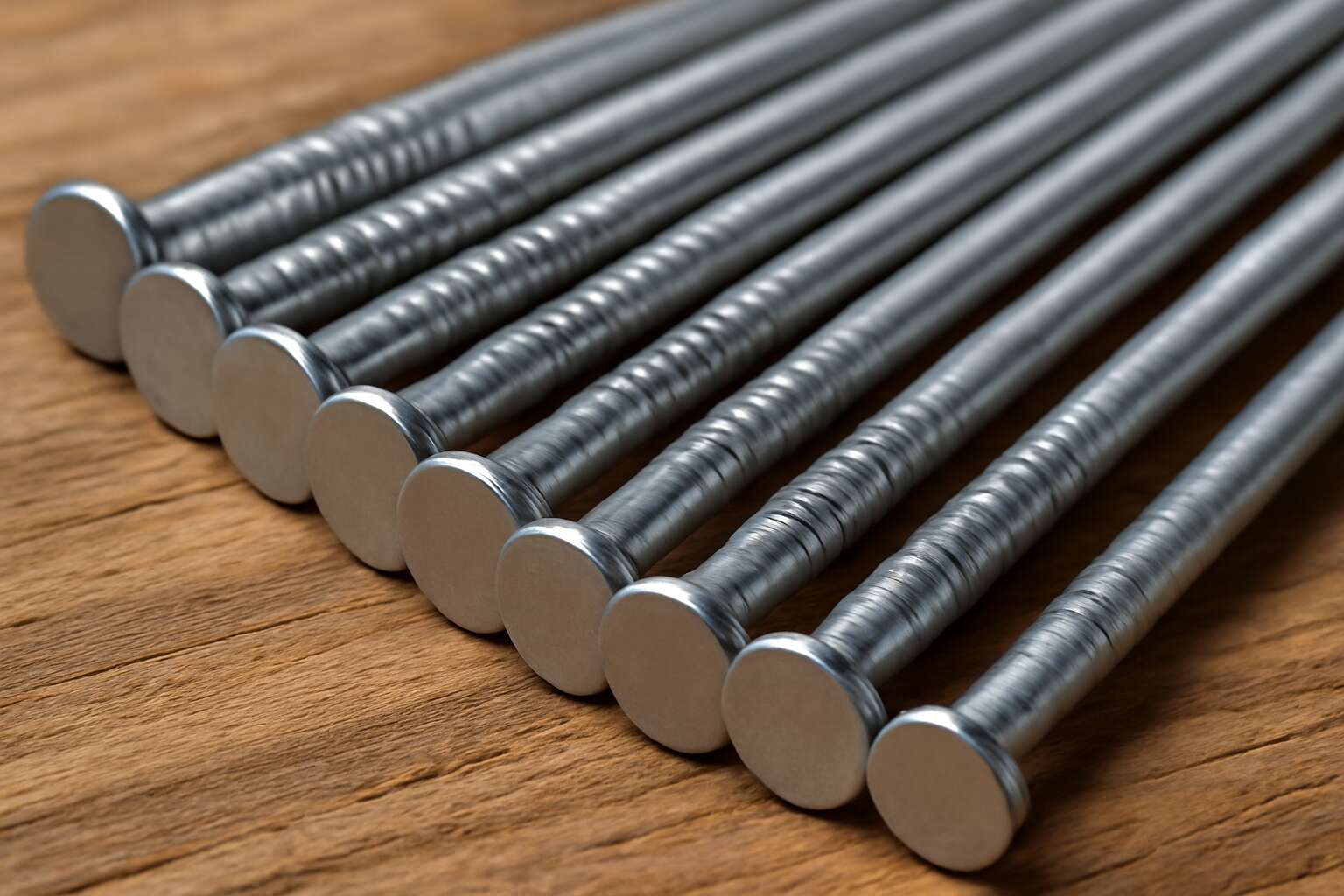
Understanding Stainless Nails
Definition of Stainless Nails
Stainless nails are more than just a sturdy fastener; they are a marvel of modern engineering that combines durability with corrosion resistance. Crafted from high-grade stainless steel, these nails resist rust and tarnish even in the most challenging environments. Their unique composition makes them ideal for outdoor projects, marine applications, and areas exposed to moisture, where traditional nails would quickly deteriorate.
Understanding stainless nails means appreciating their intrinsic qualities—mainly, their ability to withstand the harsh elements without compromising strength. Unlike ordinary nails, stainless nails are coated with a layer of chromium, which forms a passive film that protects against oxidation. This remarkable feature ensures longevity and maintains their appearance over time.
In fact, stainless nails are often chosen for their reliability and aesthetic appeal. Whether securing timber in coastal regions or reinforcing structures in humid climates, these nails provide peace of mind. Their versatility is evident in various construction and DIY projects, where durability is non-negotiable.
- Corrosion resistance
- High tensile strength
- Long-lasting performance
Materials and Composition
Understanding the materials and composition of stainless nails reveals why they are an essential choice for durability and corrosion resistance. These nails are primarily made from high-grade stainless steel, a metal alloy composed of iron, carbon, and a significant amount of chromium—usually at least 10.5%. This chromium content forms a passive, protective film on the surface of the stainless nails, preventing oxidation and rust even in tough environments like coastal regions or humid climates.
What truly sets stainless nails apart is their ability to withstand the corrosive forces of nature while maintaining strength. The alloy’s composition can also include elements like nickel and molybdenum, which further enhance their resilience. For example, stainless steel type 304 is popular for general use, whereas type 316 offers superior corrosion resistance—ideal for marine applications or outdoor projects where exposure to moisture is constant.
- Chromium provides corrosion resistance
- Nickel enhances ductility and strength
- Molybdenum boosts resistance in salty or acidic environments
This mix of materials ensures stainless nails deliver long-lasting performance, making them a reliable fastener in challenging conditions. Their unique composition not only prevents rust but also ensures they retain their tensile strength over time, even when exposed to South Africa’s diverse climate conditions. Choosing the right stainless nails means investing in a fastener that’s built to last, no matter the environment!
Differences Between Stainless Nails and Traditional Nails
In a landscape where the integrity of fasteners can determine the longevity of a project, understanding the nuanced differences between stainless nails and traditional nails becomes paramount. Conventional nails, often made from mild steel or basic alloys, lack the resilience needed to withstand South Africa’s diverse and often harsh climate conditions. Their susceptibility to rust and corrosion can compromise structural stability over time, especially in outdoor or coastal environments.
Stainless nails, on the other hand, are engineered with a sophisticated blend of materials that elevate them far beyond their traditional counterparts. They boast a corrosion-resistant chromium-rich surface, which forms an invisible yet formidable barrier against oxidation. This key distinction ensures that stainless nails maintain their tensile strength, even when exposed to moisture, salt, or acidic conditions—factors that rapidly deteriorate standard nails.
While traditional nails may suffice for interior carpentry, stainless nails are designed for endurance. Their resilience is not merely superficial; it’s woven into their very composition. The difference lies in their ability to prevent rust and corrosion, a feat that often hinges on the inclusion of nickel and molybdenum in the alloy. These elements confer ductility and additional resistance, transforming stainless nails into a durable solution for demanding projects.
- Corrosion resistance
- Enhanced tensile strength
- Superior longevity in challenging environments
Ultimately, choosing stainless nails over traditional nails isn’t just a matter of preference—it’s a strategic investment in the integrity and safety of your construction. Their ability to withstand the relentless forces of nature, especially in South Africa’s varied climates, makes them an indispensable component of any resilient building approach. In this realm of fasteners, stainless nails stand as a testament to engineering precision and enduring quality.
Types of Stainless Nails
Common Varieties and Their Applications
In the shadowed corners of construction and craftsmanship, stainless nails emerge as the silent guardians against corrosion and decay. Their varied forms whisper tales of durability, each tailored for a specific purpose, yet united by their resilient nature. Among these, the most common varieties include smooth shank, ring shank, and screw shank stainless nails, each designed to serve different needs with unwavering strength.
These common varieties find their applications stretching across the spectrum of building projects—from outdoor decking that must withstand South Africa’s fierce sun and relentless rains, to marine environments where the corrosive salt air threatens lesser metals. Stainless nails excel where longevity and resistance are paramount, making them indispensable in environments prone to moisture and rust. Their versatility is evident in their ability to secure everything from intricate woodworking to heavy-duty industrial fixtures, embodying the dark elegance of craftsmanship.
For those seeking specific applications, understanding the subtle distinctions can make all the difference:
- Ring shank stainless nails offer superior grip, ideal for decking and flooring where movement might threaten stability.
- Screw shank types provide extra holding power, perfect for projects demanding a firm, long-lasting bond.
- Flat head stainless nails are often used in finishing work where aesthetics matter, blending seamlessly into the surface.
Specialty Stainless Nails for Unique Environments
In the realm of stainless nails, specificity can be the difference between a job well done and a project falling apart faster than a South African sunset. Specialty stainless nails cater to those environments where standard just won’t cut it—think salt-sprayed coastal homes or industrial settings where corrosion is an uninvited guest. These unique variants are engineered to conquer conditions that would leave ordinary nails in their rusted wake.
For particularly challenging environments, custom stainless nails come into play. They might feature enhanced coatings or specialized head designs to ensure durability and aesthetic appeal. Some of these include:
- Marine-grade stainless nails, specifically designed to resist salt air and water exposure, are a staple for boat builders and seaside construction.
- High-tensile stainless nails, which offer unparalleled strength, ideal for heavy-duty industrial applications.
- Corrosion-resistant stainless nails with unique alloy compositions tailored for acidic or chemically aggressive environments.
Such specialty stainless nails embody resilience, ensuring that projects withstand both the test of time and the whims of nature—an elegant testament to the craftsmanship that South Africa’s diverse landscape demands.
Size and Length Options
In the shadowed corridors of construction, the size and length of stainless nails whisper tales of durability and resilience. These unassuming steel whispers are the silent guardians of integrity, standing firm against the relentless march of time and nature’s caprice. For those who dare to build in environments where corrosion lurks like a specter, the choice of stainless nails becomes a matter of life and death for your project’s longevity.
Stainless nails come in a myriad of sizes and lengths, each tailored to the specific demands of the task. Whether you need a slender 50mm nail to secure delicate trim or a formidable 150mm for heavy structural support, there exists a perfect fit for every purpose. The selection process often involves weighing the project’s weight, exposure conditions, and aesthetic considerations. From fine, minimalist finishes to rugged industrial applications, the variety of stainless nails ensures no detail is left to chance.
For complex projects, a simple list can clarify the options:
- Standard lengths for general carpentry, typically ranging from 50mm to 100mm.
- Longer stainless nails, exceeding 150mm, ideal for securing thick materials or structural elements.
- Specialty sizes tailored for marine or chemically aggressive environments, where corrosion resistance is paramount.
With each size and length, stainless nails weave a story of craftsmanship, resilience, and quiet defiance against the corrosive forces of nature. Their varying dimensions serve as silent witnesses to the enduring beauty and strength of well-crafted structures, especially in South Africa’s diverse and often unforgiving landscape.
Benefits of Using Stainless Nails
Corrosion Resistance
In a world where corrosion can silently sabotage the integrity of your projects, stainless nails emerge as the silent heroes. Their unique ability to withstand harsh environments means they won’t succumb to rust or decay, even when exposed to moisture and salt—common culprits in South Africa’s coastal regions. This corrosion resistance isn’t just a minor advantage; it’s a game-changer for builders and DIY enthusiasts alike.
Choosing stainless nails means investing in durability that outlasts traditional options. Their resistance to corrosion ensures that structures remain strong and visually appealing over time, reducing maintenance costs and increasing safety. For those tackling outdoor projects, stainless nails provide peace of mind, knowing that their investments are protected against the relentless forces of nature.
- Longevity in corrosive environments
- Reduced need for replacement and repairs
- Enhanced structural integrity
It’s not just about resisting rust; stainless nails forge a lasting bond with the environment, making them the ideal choice for any project requiring resilience and strength. When durability is non-negotiable, stainless nails are the unyielding solution that stands the test of time.
Durability and Longevity
In a landscape where durability is often a fleeting promise, stainless nails stand as steadfast guardians of resilience. Their inherent ability to withstand the relentless assault of moisture, salt, and environmental wear makes them an invaluable asset for builders and DIY enthusiasts across South Africa. When exposed to the elements, traditional nails may falter, but stainless nails forge an unbreakable bond with their surroundings, ensuring your projects endure.
Choosing stainless nails isn’t just about securing materials; it’s about embracing longevity. Their resistance to corrosion means structures maintain their strength and aesthetic appeal far beyond conventional expectations. This durability translates into fewer replacements and repairs—saving both time and money in the long run. For outdoor projects, where nature’s fury is a constant threat, stainless nails offer peace of mind, standing resilient in coastal and harsh climates.
Think of stainless nails as silent champions of stability, quietly defending the integrity of your craftsmanship over time. Their robust composition ensures that, even in the most corrosive environments, your efforts remain intact. With stainless nails, you’re investing in a material that not only endures but elevates the longevity of your work, making them an essential choice for any project demanding resilience and strength.
Aesthetic Appeal
Beyond their rugged durability, stainless nails also possess a remarkable aesthetic appeal that often goes unnoticed. Their sleek, polished finish adds a touch of sophistication to any project, transforming ordinary structures into visual masterpieces. Unlike traditional nails that can rust and tarnish, stainless nails maintain their pristine appearance over time, even when exposed to harsh weather conditions.
For those seeking a refined look, stainless nails offer more than functionality—they deliver subtle elegance. Their smooth surface reflects light beautifully, enhancing the overall design and giving your craftsmanship a professional edge. Whether used in outdoor decking, cladding, or decorative furniture, stainless nails elevate the aesthetic quality of your work.
Additionally, the variety of finishes available—ranging from brushed to mirror-like—means you can select the perfect stainless nails to complement your project’s style. This versatility makes stainless nails not just an essential building component, but an artistic choice that endures and impresses. When resilience meets visual appeal, stainless nails stand out as the ultimate solution for discerning builders and DIY enthusiasts across South Africa!
Ease of Maintenance
One of the standout advantages of stainless nails is their ease of maintenance, making them an ideal choice for both professional builders and passionate DIY enthusiasts across South Africa. Unlike traditional nails that require regular treatment or protective coatings to prevent rust, stainless nails inherently resist corrosion, ensuring your projects stay pristine with minimal effort. This resilience significantly reduces the need for frequent replacements or repairs, saving time and money in the long run.
The smooth, polished surface of stainless nails means they can be cleaned effortlessly with just a damp cloth, maintaining their sleek appearance without the fuss of special cleaning agents. For outdoor applications, where exposure to moisture and varying weather conditions is inevitable, stainless nails excel by enduring the elements without tarnishing or losing their structural integrity. This durability not only enhances the longevity of your work but also preserves the visual appeal, making stainless nails a smart investment for enduring beauty and performance.
For added convenience, stainless nails often come in various sizes and finishes, allowing for versatile applications. Whether used in decorative fencing, outdoor furniture, or cladding, their low-maintenance nature simplifies the entire process—no rust stains or corrosion worries, just consistent, professional results across all your projects.
Applications of Stainless Nails
Construction and Building Projects
Stainless nails are the unsung heroes of construction and building projects across South Africa, transforming visions into tangible structures that stand the test of time. Their exceptional corrosion resistance makes them indispensable in environments exposed to moisture, salt, and varying weather conditions. From the rugged coastline to urban landscapes, these resilient fasteners ensure that structures remain intact and aesthetically pristine.
In large-scale construction, stainless nails are often used to secure roofing materials, siding, and outdoor fixtures, where exposure to the elements is relentless. Their durability minimizes maintenance costs and enhances the longevity of buildings. Additionally, stainless nails are favored in maritime construction, where saltwater accelerates corrosion, demanding a superior level of protection. Whether working on bridges, fences, or decorative installations, the versatility of stainless nails provides a reliable solution for diverse building needs.
Furniture and Interior Design
Stainless nails have quietly revolutionized the realm of furniture and interior design, proving that the right fastener can elevate aesthetic appeal while ensuring long-lasting performance. Their sleek, polished finish lends an understated elegance to modern cabinetry, bespoke furniture, and decorative fixtures, transforming ordinary spaces into extraordinary ones. These resilient fasteners are not just about function—they embody form and finesse, harmonizing durability with visual sophistication.
In interior spaces where moisture and humidity pose a threat, stainless nails emerge as the preferred choice. Their corrosion resistance guarantees that intricate woodwork, wall paneling, and decorative accents maintain their pristine appearance over years of use. For designers and craftsmen alike, the versatility of stainless nails offers an array of application possibilities.
Particularly in South Africa’s diverse climate, these fasteners are indispensable. Whether affixing reclaimed wood in rustic interiors or securing high-end fixtures in contemporary homes, stainless nails ensure that beauty endures amidst the challenges of environment and time. Their unobtrusive presence allows the craftsmanship to shine through, making them an essential element in both functional and artistic interior design.
Marine and Outdoor Use
In the shadowed corners of maritime landscapes and the rugged expanse of outdoor retreats, stainless nails stand as silent guardians against the relentless march of corrosion. Their unyielding resilience transforms how we secure the elements of our outdoor sanctuaries, ensuring that every nail endures the tempest’s fury and the ocean’s salt-laden breath. These fasteners possess an almost mystical quality—binding wood, metal, and composite materials in a dance of durability that defies nature’s fury.
Particularly in South Africa’s coastal regions, where humidity and salt air threaten to erode even the sturdiest of structures, stainless nails become indispensable. Whether anchoring a jetty, fastening outdoor furniture, or assembling a boat, their corrosion resistance guarantees longevity. For craftsmen and builders alike, the versatility of stainless nails offers a multitude of applications—each one whispering silent promises of endurance and steadfastness.
- Marine construction projects that require fasteners capable of withstanding saltwater exposure.
- Outdoor fixtures and furniture that need to resist rust and maintain visual integrity.
- Securing reclaimed wood in coastal homes, where environmental extremes test the limits of durability.
Industrial and Agricultural Uses
Beyond their vital role in marine and outdoor applications, stainless nails are making significant waves in the realms of industry and agriculture. These fasteners are prized for their exceptional resistance to rust and corrosion, which is crucial when used in environments exposed to moisture, chemicals, and varying weather conditions. In agricultural settings, stainless nails are often employed to secure fencing, assemble greenhouses, and attach equipment that must withstand the rigors of outdoor farming. Their durability ensures that structures remain intact, reducing maintenance costs and extending lifespan.
In industrial projects, stainless nails are indispensable for constructing machinery, securing panels, and building frameworks that demand longevity and resilience. Their corrosion-resistant properties make them suitable for use in chemical plants, water treatment facilities, and other harsh environments. For added versatility, stainless nails come in a variety of sizes and finishes, accommodating specific project needs. Their ability to resist environmental factors ensures that they remain reliable, even under the most demanding conditions, making them a staple in both the agricultural and industrial sectors.
Factors to Consider When Choosing Stainless Nails
Material Compatibility
Choosing the right stainless nails for your project isn’t just about size or appearance; it’s about ensuring seamless compatibility with your materials. In South Africa’s diverse construction landscape, understanding how stainless nails interact with different substrates can mean the difference between lasting strength and premature failure. For instance, selecting stainless nails with the appropriate alloy composition can prevent corrosion when working with coastal or humid environments—an essential consideration given South Africa’s varied climate zones.
Material compatibility is paramount, especially when working with metals like aluminium or certain woods that may react adversely with incompatible stainless nails. To streamline your decision-making process, consider these factors:
- Type of stainless steel alloy and its corrosion resistance qualities
- Environmental exposure and moisture levels
- Type of base material being fastened
Ultimately, matching the stainless nails’ material to the specific demands of your project ensures durability, safety, and aesthetic appeal—making every nail a tiny yet vital hero in your construction adventure.
Environmental Conditions
In South Africa’s diverse climate tapestry, the environment in which stainless nails are deployed can dramatically influence their performance and longevity. From the mist-laden coasts to the arid heartlands, understanding environmental conditions is crucial for selecting the perfect stainless nails. The key lies in evaluating the moisture levels, salt exposure, and temperature fluctuations that your project will encounter. These factors determine how well stainless nails resist corrosion and maintain structural integrity over time.
For projects exposed to harsh conditions, such as coastal renovations or outdoor structures in humid regions, choosing stainless nails made of corrosion-resistant alloys like 316 stainless steel can be a game-changer. To simplify decision-making, consider these essential environmental factors:
- Level of moisture or humidity in the area
- Frequency of salt exposure, especially near seawater
- Temperature variations that may accelerate material fatigue
Matching the stainless nails’ material to these environmental conditions ensures your construction withstands the test of time, transforming mere fasteners into silent guardians of durability and resilience. Whether working with timber, metal, or composite substrates, paying close attention to environmental factors guarantees that every stainless nail performs its quiet, steadfast duty in South Africa’s vibrant landscape.
Project Requirements
Choosing the right stainless nails isn’t just a matter of picking the prettiest or most affordable option—it’s about aligning the fasteners with your project’s unique requirements. Whether you’re anchoring a seaside deck or constructing a rustic shed in the Karoo, understanding the specific demands of your environment is paramount. After all, a nail that withstands the humid coastal air might falter under the relentless sun of the Northern Cape.
When evaluating your project, consider these critical factors: the expected level of moisture, salt exposure, and temperature fluctuations. For instance, if your project is in a salty, seaside locale, opting for stainless nails made of marine-grade stainless steel ensures resilient performance. Conversely, for indoor applications or areas with minimal environmental stress, standard stainless nails might suffice.
- Assess the environmental harshness
- Match stainless nails to substrate and location
- Prioritize corrosion resistance for outdoor or humid conditions
Cost and Budget
When selecting stainless nails for your project, budget considerations often play a pivotal role in decision-making. High-quality stainless nails, especially those designed for harsh environments, typically come with a higher price tag due to their superior corrosion resistance and durability. However, investing in the right stainless nails can save money in the long run by reducing maintenance costs and preventing premature failure.
To strike the perfect balance between cost and performance, evaluate the environmental conditions and the longevity required for your project. For instance, stainless nails made of marine-grade stainless steel may seem costly initially but are essential for seaside structures prone to salt exposure. Conversely, for indoor or less demanding applications, more affordable stainless nails might be sufficient, providing reliable performance without stretching your budget.
- Assess the environmental harshness—outdoor, humid, or salty conditions demand premium stainless nails.
- Determine the expected lifespan and maintenance needs to justify the investment.
- Compare prices across different suppliers, considering the quality and specifications of the stainless nails offered.
Ultimately, choosing stainless nails within your budget doesn’t mean compromising on quality but rather aligning the right fastener with your project’s environmental demands and longevity expectations. In the end, it’s about making a smart investment that ensures your construction stands the test of time, whether on a rugged Karoo farm or a coastal retreat.
Installing Stainless Nails Correctly
Tools and Hardware Needed
Installing stainless nails correctly is essential to ensure the longevity and performance of your project. The right tools and hardware make all the difference when working with stainless nails, especially in environments prone to moisture and corrosion. A high-quality hammer or pneumatic nail gun designed for stainless nails can improve accuracy and reduce the risk of damaging the material.
To make the process smoother, gather these essentials: stainless nails, a drill with appropriate bits, and a nail set to countersink nails if needed. For precision, using a magnetic nail holder can help keep stainless nails steady during installation, especially in tight spaces.
If you’re tackling a larger project, consider creating a checklist that includes each item required, such as stainless nails of specific sizes, safety goggles, and gloves. Proper preparation saves time, prevents mistakes, and ensures your stainless nails are driven correctly, maximizing their resistance to corrosion and wear.
Best Practices for Nailing
Proper installation of stainless nails is crucial to harness their full potential, especially in environments where moisture and corrosion threaten traditional fasteners. When nailing with stainless nails, accuracy and technique are key to ensuring their resistance to wear and tear. Using the right tools, such as a high-quality hammer or pneumatic nail gun designed specifically for stainless nails, can make all the difference. These tools help prevent damage to the material and ensure a secure, long-lasting hold.
For precision, a magnetic nail holder can be invaluable, particularly in tight or awkward spaces. It keeps stainless nails steady, reducing the risk of bending or misalignment. Additionally, a drill with appropriate bits and a nail set to countersink the nails can help achieve a neat finish, enhancing both the aesthetic and functional durability of your project.
- Ensure the nails are driven straight and flush to prevent corrosion points.
Properly driven stainless nails will resist environmental stressors better, extending the lifespan of your construction, furniture, or outdoor fixtures.
Preventing Corrosion and Damage
Installing stainless nails correctly isn’t just about hammering them in; it’s about ensuring they stand the test of time, especially in environments where moisture and environmental stressors are relentless. The secret lies in precision and technique—an art that can make or break the durability of your project. When driven properly, stainless nails create a seamless barrier against corrosion, a feat that traditional nails often fail to achieve.
One overlooked aspect is the importance of choosing the right tools. Using a high-quality hammer or pneumatic nail gun designed specifically for stainless nails reduces the risk of damage and ensures a secure hold. To further enhance accuracy, a magnetic nail holder can be an invaluable asset, especially in tight or awkward spaces where precision is paramount. Properly countersinking stainless nails with the appropriate drill bits and a nail set helps achieve a flush finish, preventing moisture from penetrating vulnerable points.
Ensuring the nails are driven straight and flush is crucial. Misaligned or protruding stainless nails can create stress points, leading to potential corrosion over time. By paying close attention to these details, you safeguard your structure against environmental wear, prolonging its lifespan. Proper installation practices are the key to unlocking the full potential of stainless nails—resisting corrosion and damage in even the most challenging conditions.
Where to Buy High-Quality Stainless Nails
Reputable Suppliers and Brands
Finding a reputable supplier for high-quality stainless nails can transform your project from ordinary to extraordinary. South Africa boasts a vibrant market filled with trusted brands that prioritize durability and corrosion resistance, essential qualities for any construction or creative endeavor. When selecting where to buy stainless nails, it’s crucial to focus on suppliers who source their materials from top-tier manufacturers with strict quality controls.
Several well-regarded brands stand out for their commitment to excellence. These brands not only guarantee the integrity of their stainless nails but also offer a range of sizes and finishes tailored to diverse applications—from marine environments to intricate furniture designs. For those seeking reliable local options, established distributors often provide comprehensive catalogs that include specialty stainless nails designed for unique environments, ensuring your project’s longevity and aesthetic appeal.
- Trusted local hardware stores with certified suppliers
- Wholesale distributors specializing in industrial-grade stainless nails
- Online platforms featuring verified brands with global recognition
By choosing reputable suppliers and renowned brands for stainless nails, you secure the foundation for enduring craftsmanship—where beauty meets resilience in every nail driven, and every project tells a story of durability and grace.
Online vs. Local Retailers
When seeking a reliable source for high-quality stainless nails, the choice between online platforms and local retailers often feels like navigating a labyrinth of opportunities. In South Africa, the digital realm offers an array of virtual storefronts where verified brands showcase their stainless nails, often accompanied by detailed specifications and customer reviews. This convenience allows for a seamless shopping experience, especially when sourcing specialty stainless nails designed for marine or outdoor environments. Online platforms also provide access to a broader selection of sizes, finishes, and industrial-grade options, making them ideal for large-scale projects or specific applications.
Conversely, local retail outlets—trusted hardware stores with certified suppliers—offer the advantage of immediate inspection and expert advice. Here, you can physically examine the stainless nails, ensuring their quality meets your project’s standards. Many South African hardware stores stock reputable brands, providing the reassurance of authenticity and durability. For those prioritizing face-to-face interactions, local stores often have knowledgeable staff who can recommend the best stainless nails for your unique environmental conditions, whether it’s for coastal construction or intricate furniture assembly.
- Online shopping for stainless nails provides unmatched convenience and a diverse catalog from trusted global brands.
- Local retailers offer tactile assurance, immediate availability, and personalized guidance rooted in regional expertise.
Pricing and Bulk Purchasing
When it comes to securing the finest stainless nails for your project, understanding where to buy them at the right price can make all the difference. In South Africa, both online platforms and local retailers present compelling options for sourcing high-quality stainless nails. Online stores often feature competitive pricing and bulk purchase discounts, ideal for large-scale projects or industrial applications. Many reputable online suppliers offer tiered pricing structures, making it cost-effective to buy in bulk. This approach not only reduces costs but also ensures a steady supply of durable stainless nails tailored to your specific needs.
On the other hand, local hardware stores provide the advantage of immediate inspection and the opportunity to negotiate on pricing. For those who prefer face-to-face interactions, trusted South African suppliers often have special deals or loyalty programs that reward regular buyers. When purchasing stainless nails in bulk, consider the following:
- Bulk discounts available through both online and local suppliers
- Special offers for industrial or wholesale buyers
- Pricing varies depending on the size, finish, and grade of stainless nails
Whether sourcing from virtual storefronts or trusted brick-and-mortar outlets, understanding the nuances of pricing and bulk purchasing ensures you select the best value without compromising on quality. The right choice can transform your project from mere construction to a testament of resilience and elegance, all thanks to the steadfast reliability of stainless nails.
Maintaining and Caring for Stainless Nails
Cleaning Tips for Longevity
In the shadowed corners of craftsmanship, stainless nails emerge as silent guardians against the relentless march of corrosion. Their resilience is not merely a matter of material but a testament to the dark artistry of modern metallurgy. To preserve their sinister gleam and extend their lifespan, a ritual of care becomes essential—one that transforms routine maintenance into a ritual of reverence.
Regular cleaning with a soft cloth and mild soap can banish the dust and grime that threaten to tarnish their integrity. For those seeking to uphold their dark elegance, a gentle wipe with a rust-inhibiting solution ensures these stainless nails remain unyielding to time’s corrosive touch. Remember: neglect invites decay, but diligent care preserves their steadfast strength.
- Use non-abrasive cleaners to prevent scratching the surface
- Avoid harsh chemicals that could compromise the stainless steel’s natural resistance
- Inspect periodically for signs of corrosion or damage, especially in outdoor or marine environments
In the depths of outdoor or marine projects, where environmental conditions conspire to test their fortitude, proper upkeep isn’t just recommended—it’s vital. Embrace the dark allure of stainless nails, but honor their longevity through consistent, mindful maintenance, turning every project into a testament to their enduring strength and silent resilience.
Inspection and Replacement
Maintaining the integrity of stainless nails is essential to ensure their silent resilience endures through time’s relentless march. Regular inspection becomes a crucial ritual, especially in environments where exposure to moisture and salt accelerates corrosion. Look for signs of rust, discoloration, or any structural weakening—these are the first whispers of potential decay. In outdoor or marine projects, where environmental conditions are harsh, a vigilant eye can make all the difference in preserving their dark allure.
When it’s time for replacement, choose high-quality stainless nails that match the specific demands of your project. For added longevity, consider replacing damaged or corroded nails with fresh ones, especially in critical load-bearing areas. An ordered approach can be helpful, so I recommend a simple list of steps for periodic checks:
- Inspect for rust or corrosion
- Assess structural integrity
- Replace compromised stainless nails promptly
By embracing a disciplined routine of inspection and timely replacement, you transform routine maintenance into a ritual of reverence—safeguarding their dark elegance and unwavering strength for years to come. Proper care not only preserves their aesthetic but also ensures that every project remains a testament to the silent power of stainless nails in the world of craftsmanship.
Corrosion Protection Measures
Protecting your stainless nails from the relentless assault of corrosion is not just about longevity; it’s about preserving their pristine elegance in the face of South Africa’s diverse climate. While stainless nails boast impressive corrosion resistance, environmental factors such as salty sea air, high humidity, and temperature fluctuations can still pose a threat. Implementing targeted corrosion protection measures becomes essential, especially in outdoor or marine environments where these elements are most aggressive.
One effective strategy is the application of protective coatings or sealants designed specifically for stainless nails. These barriers act as an additional line of defense, preventing moisture and salt from penetrating the surface. Regular inspection also plays a pivotal role—by catching early signs of rust or discoloration, you can intervene before damage becomes structural. For projects exposed to harsh conditions, consider using stainless nails with higher grades, such as 316 stainless steel, which offers superior resistance to corrosion.
Incorporating a simple maintenance routine can significantly extend the lifespan of your stainless nails. For example, periodically cleaning them with a mild detergent or specialized stainless steel cleaner can remove corrosive deposits. Here’s a quick overview of corrosion protection measures:
- Applying protective coatings or sealants
- Using high-grade stainless nails like 316 stainless steel
- Regular cleaning and inspection
By prioritizing these measures, you ensure that your stainless nails retain their dark allure and unwavering strength, standing resilient against nature’s fiercest elements. This attention to detail not only safeguards your craftsmanship but also elevates the enduring beauty of every project—an adventure in resilience that truly stands the test of time.



0 Comments