
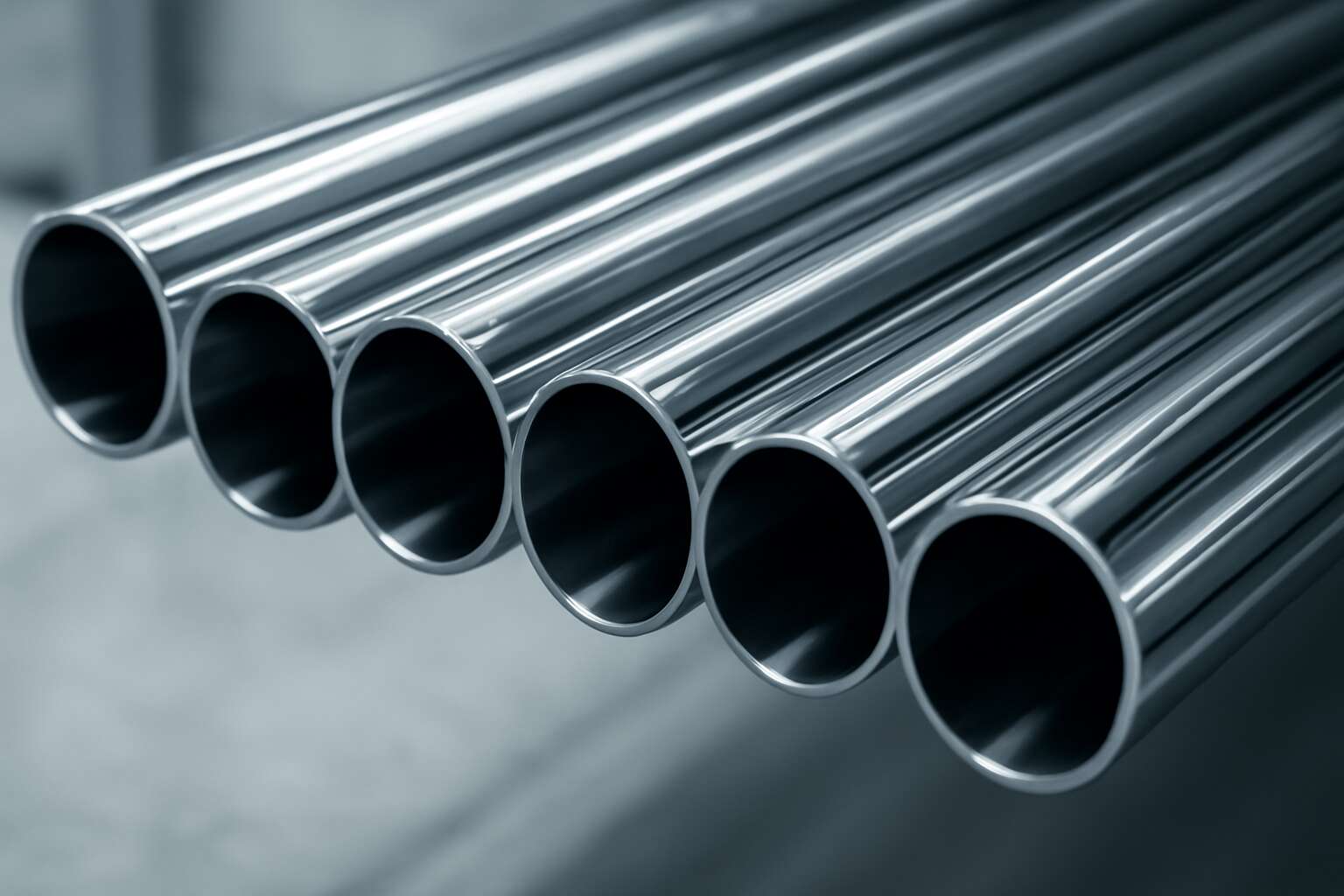
Understanding Stainless Steel Piping
What Is Stainless Steel Pipe?
In the shadowed corridors of industrial architecture, few elements evoke as much silent resilience as pipe stainless steel. This material, forged in the crucible of modern innovation, embodies strength and adaptability, whispering tales of durability amid the chaos. When darkness and light collide, stainless steel pipes stand as silent sentinels—resisting corrosion, enduring relentless pressure, and maintaining their integrity through time’s relentless march.
Understanding stainless steel piping reveals a world where form meets function in a dance of resilience. These pipes are not merely conduits; they are the veins of industry, carrying life-sustaining fluids through the labyrinth of infrastructure. Their unique composition, often containing chromium, grants them an almost supernatural resistance to rust and decay. Here, in the realm of pipe stainless steel, the line between utility and artistry blurs.
- Corrosion resistance
- High tensile strength
- Versatility across extreme environments
Common Types and Grades of Stainless Steel Pipes
Understanding the diverse landscape of stainless steel piping reveals a spectrum of grades and types, each crafted for specific demands. In South Africa’s industrial heartlands, where resilience meets innovation, selecting the right pipe stainless steel becomes a matter of existential precision. The most common types—such as 304 and 316—are distinguished not only by their chemical makeup but by their innate ability to withstand environmental onslaughts. These grades embody a silent promise of durability, making them indispensable in sectors ranging from petrochemicals to food processing.
Among the key variations, you’ll find seamless and welded pipes, each with unique strengths that serve different purposes. Seamless pipes, with their unbroken, uniform structure, excel in high-pressure applications. Conversely, welded pipes offer versatility and ease of fabrication, often favored in large-scale infrastructure. Recognizing these distinctions is crucial for those who see pipe stainless steel not merely as a conduit but as a vital artery of progress. It’s a testament to how industrial resilience is woven into the very fabric of our modern existence.
Benefits of Using Stainless Steel in Piping Systems
In the realm of industrial marvels, few materials evoke the same sense of unwavering strength and elegance as pipe stainless steel. Its inherent ability to withstand corrosive environments, coupled with impressive longevity, transforms ordinary piping into a silent guardian of progress. When durability and hygiene are paramount—think South Africa’s bustling petrochemical plants or food processing factories—pipe stainless steel emerges as the hero, tirelessly serving with resilience and grace.
The allure of stainless steel piping lies not just in its robust nature but also in its adaptability. Its resistance to oxidation and rust ensures that systems remain pristine over decades, reducing maintenance costs and downtime. Moreover, the versatility of pipe stainless steel—whether seamless or welded—means it can be tailored to meet the precise demands of diverse industries. This seamless integration into infrastructure exemplifies how modern engineering marries mythic durability with functional elegance.
Applications of Stainless Steel Pipes
Industrial Uses
Stainless steel pipes are the silent heroes underpinning the heartbeat of industrial innovation across South Africa. Their resilience and corrosion resistance make them indispensable in environments where durability is non-negotiable. From petrochemical plants to water treatment facilities, the versatility of pipe stainless steel shines through in countless applications.
In the realm of heavy industry, pipe stainless steel is often the choice for transporting aggressive chemicals or high-temperature fluids. Its ability to withstand extreme conditions without compromising integrity ensures safety and longevity—key factors in demanding operations. Additionally, the aesthetic appeal of stainless steel lends itself to architectural and decorative uses, where form meets function in seamless harmony.
Furthermore, the adaptability of pipe stainless steel extends into the food and beverage industry, where hygiene and ease of cleaning are paramount. Industries rely on these pipes to maintain sterile environments, preventing contamination and ensuring product quality. Whether in complex piping networks or specialized manufacturing processes, stainless steel’s robustness and adaptability make it the backbone of countless industrial uses.
Residential and Commercial Plumbing
In the realm of residential and commercial plumbing, the humble pipe stainless steel has quietly revolutionized the way we channel life’s essential fluids. Its exceptional corrosion resistance and durability make it the preferred choice for safeguarding water systems against the relentless march of time and environmental assaults. Whether in a cozy home or a bustling commercial complex, pipe stainless steel seamlessly combines resilience with elegance, elevating the integrity of plumbing networks.
Beyond mere functionality, the aesthetic appeal of stainless steel pipes lends a subtle sophistication to architectural interiors. Their sleek, polished surfaces reflect a commitment to quality, inspiring confidence in the longevity of the infrastructure. For large-scale projects, the versatility of pipe stainless steel enables complex piping configurations that withstand the rigors of daily use without compromising performance.
- Corrosion resistance
- Ease of cleaning
- Longevity in harsh conditions
These attributes ensure that plumbing systems remain efficient and hygienic, crucial for both residential comfort and commercial standards.
Medical and Pharmaceutical Industries
In the realm of cutting-edge medical and pharmaceutical industries, the role of pipe stainless steel is nothing short of revolutionary. With the highest standards of hygiene and precision, these pipes are essential for maintaining sterile environments and ensuring the safe transfer of sensitive substances. Their resistance to corrosion and ease of cleaning make them indispensable in environments where purity is paramount.
From the manufacturing of life-saving medications to intricate medical devices, pipe stainless steel forms the backbone of many critical processes. Their durability withstands rigorous sterilization procedures, including autoclaving and chemical cleaning, without compromising structural integrity. This resilience ensures that hospitals and pharmaceutical plants operate smoothly, safeguarding public health with unwavering reliability.
In applications such as:
- fluid transfer in biopharmaceutical production
- ventilation systems in sterile environments
- high-purity water distribution lines
the versatility of pipe stainless steel shines through. Its non-reactive surface not only prevents contamination but also maintains the integrity of sensitive substances, making it an irreplaceable component in these high-stakes industries. Truly, pipe stainless steel is a silent hero in the pursuit of health and innovation, seamlessly blending resilience with precision in every application.
Architectural and Decorative Purposes
When it comes to making a statement that’s both sleek and sturdy, pipe stainless steel is the unsung hero of architectural and decorative applications. From modern office interiors to striking public art installations, these pipes provide a versatile backbone that combines form and function seamlessly. Their shiny, corrosion-resistant surface adds a touch of sophistication while standing up to South Africa’s diverse climate conditions. Who knew that something so utilitarian could also be so eye-catching?
Architects and designers love working with pipe stainless steel because of its adaptability. It can be bent, welded, and polished to fit a myriad of creative visions. Whether used as handrails, staircases, or statement fixtures, these pipes elevate spaces with their clean lines and minimalist charm. Plus, they’re built to last—resisting rust and wear from weather or indoor humidity alike.
- Durability in outdoor environments
- Ease of maintenance and cleaning
- Customizable aesthetic options, including brushed or mirror finishes
In addition to their visual appeal, pipe stainless steel offers practical advantages that keep them at the forefront of modern design. Their resilience ensures that architectural features remain pristine for years to come—no need to worry about corrosion or staining. Truly, pipe stainless steel isn’t just a material; it’s an upgrade for any space craving a contemporary edge.
Types and Grades of Stainless Steel Pipes
Standard Stainless Steel Pipe Grades
Within the realm of pipe stainless steel, diversity is as vast as the landscape itself. The various types and grades of stainless steel pipes are meticulously crafted to meet the unique demands of every application, from industrial settings to bespoke architectural designs. The most common standard stainless steel pipe grades—such as 304, 316, and 321—each boast distinct properties that influence their performance and longevity.
For example, stainless steel pipe grades like 304 are renowned for their excellent corrosion resistance and ease of fabrication, making them ideal for general-purpose piping. Meanwhile, 316 grade stainless steel offers superior resistance to chlorides and marine environments, a vital trait for coastal South African infrastructure. When selecting pipe stainless steel, understanding these grades ensures that the material aligns perfectly with environmental challenges and project specifications.
Specialized Grades
Within the intricate tapestry of pipe stainless steel, specialized grades reveal a fascinating spectrum of properties tailored to meet the demands of diverse environments. These grades transcend generic classifications, embodying the resilience and adaptability necessary for everything from corrosive industrial processes to aesthetic architectural accents. The selection of a particular grade influences not only performance but also the longevity and maintenance requirements of the piping system.
Among the specialized grades, grades such as 904L and duplex stainless steel stand out for their exceptional corrosion resistance and structural strength. These unique compositions are often chosen for applications where standard pipe stainless steel might falter under harsh conditions. For instance, duplex stainless steel combines austenitic and ferritic phases, delivering remarkable durability against chloride-induced corrosion without the weight and cost of higher-grade alloys.
To better understand the nuances, consider this ordered list of common specialized grades:
- 904L — renowned for its outstanding corrosion resistance, particularly in aggressive chemical environments.
- Duplex stainless steel — offers a perfect balance between strength and corrosion resistance, ideal for offshore and maritime applications.
- Super Austenitic grades — such as 254SMo, excel in high-temperature and highly corrosive settings, making them indispensable in petrochemical industries.
In the South African context, where coastal climates and industrial complexities demand robust solutions, the choice of pipe stainless steel becomes a strategic decision. The intricacies of these specialized grades underscore a commitment to durability and excellence—ensuring that every installation withstands the relentless march of time and elements.
Custom and Specialty Pipes
Within the realm of pipe stainless steel, a vast universe of types and grades beckons, each with its own unique mystical properties. These variations are not mere variations; they are carefully crafted spells designed to withstand the most unforgiving environments. Whether it’s the resilience required for offshore oil rigs or the aesthetic finesse demanded by high-end architectural projects, the right grade makes all the difference.
Among the most revered are specialized grades such as 904L and duplex stainless steel. These are the enchanted guardians of corrosion resistance and structural integrity. For instance, duplex stainless steel blends austenitic and ferritic phases, creating a formidable shield against chloride-induced corrosion, all while maintaining a lighter, more cost-effective profile than higher-grade alloys. This makes it particularly coveted in South Africa’s coastal industrial landscape, where the elements test the mettle of every pipe stainless steel system.
When choosing the ideal material, considerations often include the specific environment and application. To streamline this decision, an ordered list of popular specialized grades can serve as a guiding star:
- 904L — celebrated for its extraordinary ability to combat aggressive chemicals and acidic environments.
- Duplex stainless steel — offering a harmonious balance of strength and corrosion resistance, perfect for maritime and offshore operations.
- Super Austenitic grades, like 254SMo — excelling in extreme high-temperature and corrosive scenarios, indispensable in petrochemical industries.
In South Africa, where the climate and industrial demands are as diverse as the land itself, selecting the right pipe stainless steel is a strategic decision—one that ensures durability, performance, and peace of mind for years to come. Each grade is a piece of the larger puzzle, fitting perfectly into the mosaic of modern engineering marvels.
Features and Properties of Stainless Steel Pipes
Corrosion Resistance
Stainless steel pipes stand as an unwavering testament to resilience, especially when it comes to corrosion resistance—an attribute that transforms ordinary piping into an enduring asset. The inherent alloy composition of pipe stainless steel, rich in chromium, fosters a self-healing oxide film that shields the material from aggressive environmental factors. This microscopic barrier not only prevents rust but also inhibits the formation of pits and crevices, ensuring longevity even in the harshest conditions.
In environments where exposure to moisture, chlorides, or acidic substances is unavoidable, the corrosion resistance of pipe stainless steel becomes paramount. It’s this property that makes stainless steel pipes a preferred choice across South Africa’s diverse industrial landscape, from petrochemical plants to urban infrastructure projects. For those seeking optimal performance, selecting a grade with enhanced corrosion resistance—such as 316—can offer superior protection against saline and chlorinated environments.
Furthermore, the durability of pipe stainless steel extends beyond corrosion resistance. Its properties include excellent mechanical strength, high temperature stability, and ease of maintenance—factors that collectively reduce lifecycle costs and ensure operational efficiency. When durability and resilience intertwine, pipe stainless steel becomes an indispensable element in creating piping systems that stand firm against the relentless march of time and environmental assault.
Strength and Durability
When it comes to strength and durability, pipe stainless steel stands as a benchmark in the realm of piping solutions. Its exceptional mechanical properties enable it to withstand high pressures and physical stresses, making it ideal for demanding industrial environments. The inherent toughness of stainless steel pipes ensures they resist deformation and breakage, even under extreme conditions.
One of the defining features of pipe stainless steel is its high tensile strength, which contributes to its longevity and reliability. This resilience is complemented by excellent corrosion resistance, allowing it to endure exposure to moisture, chemicals, and temperature fluctuations without compromising structural integrity. Such robustness reduces the need for frequent replacements, translating into significant lifecycle cost savings.
To better understand its capabilities, consider this:
- High mechanical strength for demanding applications
- Superior resistance to corrosion and environmental factors
- Outstanding temperature stability across a wide range of conditions
These properties, combined with ease of maintenance, make pipe stainless steel a versatile choice across various sectors—from petrochemical plants to urban infrastructure projects in South Africa. Its ability to stand firm against the relentless march of time is a testament to its unmatched durability and enduring performance.
Temperature Tolerance
When considering material resilience, the temperature tolerance of pipe stainless steel emerges as a defining feature that underscores its versatility and reliability. This metal’s ability to perform consistently across a broad spectrum of thermal conditions makes it indispensable in demanding environments. From extreme heat in industrial processes to frigid conditions in colder climates, pipe stainless steel maintains its integrity without warping or degrading.
Its high-temperature stability is anchored in specific alloy compositions, allowing it to withstand temperatures up to 870°C (1598°F) in some grades. Conversely, at the lower end of the spectrum, it remains unaffected by sub-zero conditions, making it suitable for diverse applications. This expansive temperature tolerance ensures that pipe stainless steel can be seamlessly integrated into systems that require both thermal resilience and structural strength.
In practical terms, the temperature properties of pipe stainless steel are complemented by advanced features such as:
- Resistance to thermal expansion and contraction, reducing stress on joints and fittings
- Ability to maintain corrosion resistance even at elevated temperatures
- Exceptional mechanical stability across fluctuating thermal environments
This combination of properties makes pipe stainless steel a preferred choice for sectors like petrochemical processing, power generation, and urban infrastructure in South Africa, where temperature extremes are commonplace. Its capacity to endure and perform under such conditions underpins its reputation as an enduring and resilient piping solution.
Hygiene and Sanitation
In environments where cleanliness and hygiene are paramount, the features and properties of pipe stainless steel stand out as unrivaled. Its smooth, non-porous surface resists the buildup of bacteria and contaminants, making it an ideal choice for sectors that demand sterile conditions. This corrosion-resistant material ensures that the integrity of the pipe remains intact, even after repeated cleaning with harsh chemicals or high-pressure sterilization processes.
Moreover, pipe stainless steel’s strength and durability extend beyond mere resilience—its ability to withstand vigorous sanitation routines means it maintains its structural and aesthetic qualities over decades. For industries like food processing, pharmaceuticals, and healthcare, this combination of toughness and hygiene is nothing short of essential. The seamless nature of stainless steel pipes not only enhances cleanliness but also reduces the risk of leaks and contamination, safeguarding both human health and operational efficiency.
- Resistance to bacteria and fungi growth
- Ease of cleaning and sterilization
- Maintains structural integrity under rigorous sanitation protocols
- Non-reactive surface prevents chemical corrosion
In the grander scheme, pipe stainless steel embodies a silent moral commitment to safety, purity, and excellence—values that resonate deeply across South Africa’s demanding industries. Its inherent properties do more than serve functional needs; they uphold a standard of trust that underpins human health and wellbeing in every application.
Ease of Fabrication and Maintenance
In the realm of industrial innovation, the ease of fabrication and maintenance of pipe stainless steel stands as a testament to its unparalleled versatility. Crafted with a precision that rivals artistry, these pipes lend themselves effortlessly to custom configurations, thanks to their remarkable formability. Whether bending, cutting, or welding, the process remains smooth—transforming raw material into a seamless conduit of reliability.
What truly elevates pipe stainless steel is its low-maintenance nature. Resistant to rust and corrosion, it requires minimal upkeep, making it an ideal choice for sectors that demand continuous operation without interruption. For industries across South Africa, where efficiency and durability are paramount, this combination of ease and resilience is nothing short of a marvel.
Furthermore, the inherent properties of stainless steel facilitate straightforward cleaning and sterilization, a vital feature in environments that prioritize hygiene. Its non-porous surface prevents dirt and bacteria buildup, ensuring a pristine condition—no matter how rigorous the cleaning routine. This effortless maintenance extends the lifespan of the pipe, reducing long-term costs and operational downtime.
- Seamless welding and fabrication processes
- Minimal corrosion and chemical resistance
- Easy cleaning and sterilization routines
In essence, pipe stainless steel is a harmonious blend of form and function—an enduring symbol of strength, adaptability, and effortless upkeep in a world where resilience is everything. Its capacity to withstand the tests of time and sanitation makes it a cornerstone in South Africa’s diverse industries, transforming the ordinary into the extraordinary.
Choosing the Right Stainless Steel Pipe
Factors to Consider
Choosing the right pipe stainless steel is more than just a matter of picking a shiny, durable material. In South Africa’s diverse industrial landscape, the nuances of grade composition and environmental resilience can make or break a project’s success. It’s essential to consider factors like corrosion resistance, especially given the country’s varying climates, from coastal humidity to arid inland regions. A seemingly simple decision—selecting the appropriate pipe stainless steel—can have profound implications for longevity and performance.
To navigate this complex terrain, some professionals prefer a strategic approach. They evaluate:
- The specific environment where the pipe will be installed
- The expected temperature range and pressure conditions
- The level of sanitation required for the application
This meticulous consideration ensures that the pipe stainless steel chosen not only endures but thrives, safeguarding infrastructure and investment in unpredictable conditions. When every detail counts, understanding these subtle yet critical factors becomes the key to unlocking optimal performance and durability.
Standards and Certifications
Choosing the right standards and certifications for your pipe stainless steel is crucial to ensure quality, safety, and compliance with industry norms. In South Africa’s diverse industrial sector, adhering to recognized standards not only guarantees durability but also facilitates smooth project approvals and inspections. Certifications such as ISO 9001 or local standards like SANS (South African National Standards) serve as benchmarks of excellence and consistency.
When selecting pipe stainless steel, it’s wise to verify that it meets specific standards for corrosion resistance and mechanical properties. This is especially important given the country’s varying climates—from humid coastal regions to dry inland areas. The following list highlights key standards to look for:
- ISO 9001 certification for quality management systems
- SANS 1478 for stainless steel pipe standards in South Africa
- ASTM A312 for seamless and welded stainless steel pipes
Ensuring your pipe stainless steel conforms to these standards can significantly impact its longevity and performance, making it a wise investment in any project. Certifications act as a seal of reliability, giving professionals peace of mind that their piping systems will stand the test of time.
Supplier and Quality Assurance
In the realm of piping perfection, choosing the right pipe stainless steel supplier is akin to selecting a trusted artisan for a masterpiece. The integrity of your project hinges on sourcing from providers who uphold unwavering standards of quality and reliability. South Africa’s diverse industrial landscape demands a partner who not only offers premium pipe stainless steel but also demonstrates a commitment to meticulous quality assurance.
When evaluating potential suppliers, consider their adherence to recognized standards such as ISO 9001 and local certifications like SANS 1478. These benchmarks are more than mere labels; they are a testament to consistency, craftsmanship, and resilience. A reputable supplier will have transparent processes, ensuring every piece of pipe stainless steel delivered meets your specifications and withstands the country’s varied climate conditions—from coastal humidity to arid inland dryness.
- Verify certifications and traceability to guarantee your pipe stainless steel’s authenticity and performance.
- Assess their quality control measures—rigorous testing and inspection are non-negotiable.
- Seek suppliers with a proven track record in supplying durable, corrosion-resistant stainless steel pipes suitable for South Africa’s demanding environments.
In a landscape where durability and safety intertwine, selecting a supplier committed to unwavering quality assurance elevates your project beyond mere construction—it becomes an enduring legacy. Every pipe stainless steel from a trusted source embodies a promise of resilience, ready to face the trials of time and climate alike.
Installation and Maintenance Tips
Proper Installation Practices
When it comes to installing pipe stainless steel, precision and care are paramount. Proper installation ensures longevity and optimal performance, especially in demanding environments like South Africa’s industrial and residential sectors. A careful approach minimizes risks of leaks, corrosion, and structural failure, which can lead to costly repairs down the line. It’s essential to follow manufacturer guidelines and industry standards, ensuring each pipe stainless steel component fits seamlessly into your system.
In addition, paying attention to joint integrity and using the right fittings can make all the difference. For example, employing welding techniques suited to stainless steel helps maintain the corrosion resistance and strength of the pipe stainless steel. Regular inspection and cleanings also play a vital role in ongoing maintenance, preventing buildup of debris or contaminants that could compromise the system’s efficiency.
- Ensure all surfaces are clean and free of debris before installation.
- Use appropriate tools designed for stainless steel to avoid damaging the pipe.
- Check for proper alignment to prevent unnecessary stress on the joints.
By adopting these proper installation practices, you can maximize the durability and performance of your pipe stainless steel, ensuring it serves your needs reliably for years to come.
Routine Inspection and Cleaning
Routine inspection and cleaning are the unsung heroes of maintaining pipe stainless steel systems. In environments where corrosion and debris pose silent threats, a proactive approach can mean the difference between longevity and costly failures. Regular inspections reveal early signs of wear, ensuring issues are addressed before they escalate. Cleaning, on the other hand, keeps the surface pristine, preserving the pipe stainless steel’s corrosion resistance and aesthetic appeal.
For optimal results, consider implementing a schedule that includes visual checks for leaks, rust, or buildup. Using non-abrasive cleaning agents specifically designed for stainless steel helps maintain the integrity of the material. Additionally, employing a simple, yet effective,
- dry cloth wipe
- mild detergent rinse
routine can extend the lifespan of your piping system.
Remember, the key to a resilient pipe stainless steel system lies in consistent maintenance. A well-maintained system not only performs better but also safeguards your investment over time, especially in the demanding climates of South Africa. Embrace these maintenance practices to keep your piping infrastructure operating flawlessly for years to come.
Troubleshooting Common Issues
In the realm of pipe stainless steel, the installation process can make or break the longevity of your system. A precise, careful approach ensures that the pipe stainless steel maintains its corrosion resistance and strength in demanding environments like South Africa’s climate. Shoddy installation, on the other hand, invites issues that can escalate quickly, turning what should be a resilient solution into a costly nightmare.
When troubleshooting common issues with pipe stainless steel, look for signs of leaks, unusual noise, or sudden drops in pressure. These symptoms often point to improper fittings, misaligned joints, or corrosion lurking beneath the surface. Addressing these problems swiftly preserves the integrity of your piping system and prevents downtime.
For optimal results, follow these steps:
- Ensure all fittings are correctly tightened using the right tools.
- Inspect welds for cracks or weaknesses during routine maintenance.
- Use compatible cleaning agents to prevent surface damage and corrosion.
Remember, the secret to a resilient pipe stainless steel system is proactive troubleshooting and meticulous maintenance. When issues are caught early, the system’s durability and performance are preserved—saving you money and headaches in the long run.
Future Trends in Stainless Steel Pipe Industry
Innovations in Material Technology
In the ever-evolving landscape of the pipe stainless steel industry, innovation is not just a buzzword but a necessity. Future trends suggest a paradigm shift driven by advancements in material technology that promise to redefine durability and performance standards. Researchers are delving into alloys that boast enhanced corrosion resistance, particularly in the face of South Africa’s varied climate and industrial demands. These breakthroughs aim to extend the lifespan of pipe stainless steel, reducing maintenance costs and environmental impact.
One exciting development involves the integration of nanotechnology, which offers the potential to create ultra-resistant coatings that combat chemical attacks and biofouling. Additionally, the industry is exploring the use of recycled materials to produce sustainable pipe stainless steel, aligning with global environmental goals. As a result, pipe stainless steel will become even more versatile, adaptable to extreme temperatures and highly corrosive environments, without sacrificing strength or hygiene standards. With these innovations, the future of pipe stainless steel shines bright, promising a resilient, eco-friendly, and cost-effective solution for diverse applications across South Africa and beyond.
Sustainable and Eco-Friendly Practices
The future of the pipe stainless steel industry is not just about durability; it’s a moral imperative to embrace sustainability. As South Africa grapples with mounting environmental challenges, the industry’s shift towards eco-friendly practices becomes more critical than ever. Innovations in material technology now prioritize recycled raw materials, creating a more sustainable pipeline infrastructure that aligns with global green initiatives.
Through advanced manufacturing processes, manufacturers are developing pipe stainless steel that boasts enhanced corrosion resistance and longevity, even in South Africa’s diverse climates. This durability reduces waste and maintenance costs, reinforcing a commitment to environmental stewardship. Moreover, the integration of nanotechnology has unlocked the potential for ultra-resistant coatings, which combat chemical attacks and biofouling, ensuring that pipe stainless steel remains resilient in extreme conditions.
In this evolving landscape, sustainable practices are not just a trend—they are becoming the cornerstone of responsible industry growth. Consider this: a growing number of producers are adopting recycled materials, aiming to lower the carbon footprint of their products. Here are some ways the industry is embracing eco-conscious innovation:
- Utilizing recycled stainless steel in manufacturing processes.
- Developing coatings that extend lifespan, reducing replacement frequency.
- Implementing energy-efficient production techniques that lower overall emissions.
These advancements in pipe stainless steel exemplify a conscious shift—one that balances technological innovation with environmental integrity. As the industry pushes forward, it becomes clear that the true strength of pipe stainless steel lies not only in its physical properties but also in its capacity to serve as a sustainable solution for South Africa’s complex infrastructural needs. The pursuit of eco-friendly practices is no longer optional; it’s a moral necessity that defines the future trajectory of this vital industry.
Automation and Advanced Manufacturing
The future of the pipe stainless steel industry is being reshaped by a wave of automation and advanced manufacturing techniques that promise to redefine efficiency and precision. As South Africa’s infrastructural demands grow more complex, manufacturers are turning to cutting-edge technology to stay ahead. Automated fabrication lines now enable faster, more consistent production of pipe stainless steel, minimizing human error and enhancing quality control.
Innovations such as robotic welding and laser cutting are revolutionizing how these pipes are manufactured. Not only do they improve speed, but they also ensure tighter tolerances and superior finishes. To illustrate this progress, many industry leaders are adopting Industry 4.0 principles, integrating smart sensors and real-time data to optimize every stage of production.
Moreover, the shift toward digital twin technology allows manufacturers to simulate manufacturing processes before physical production begins, saving time and resources. These advancements are making the production of pipe stainless steel more sustainable and cost-effective, aligning perfectly with South Africa’s push for greener industry practices.


0 Comments