
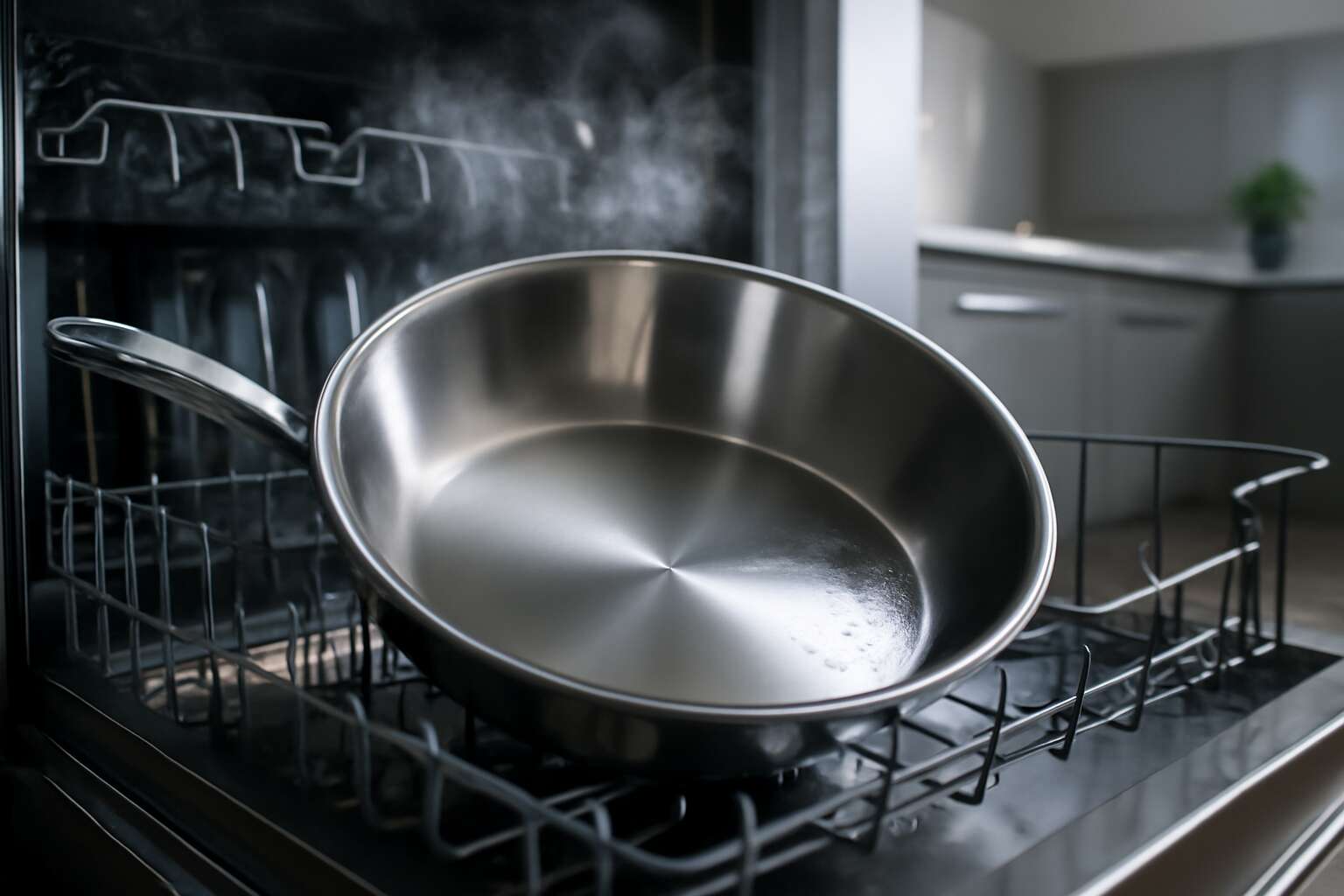
Understanding Stainless Steel Pans
Types of Stainless Steel Used in Cookware – Different grades and qualities of stainless steel and their impact on durability
When it comes to stainless steel pans, not all metals are created equal. Some grades can handle a hearty scrub in the dishwasher, while others prefer a more delicate touch. The most common types of stainless steel used in cookware are 304 and 316 grades. These are renowned for their durability, corrosion resistance, and overall resilience—making them prime candidates for a dishwasher safe lifestyle.
Understanding the different grades of stainless steel is crucial in determining are stainless steel pans dishwasher safe. For instance, 304 stainless steel, often called 18/8, contains 18% chromium and 8% nickel, providing excellent corrosion resistance and a shiny finish. Meanwhile, 316 stainless steel, with its added molybdenum, offers even more resistance to harsh environments and is ideal for those who dislike scrubbing pots after a fiery South African curry.
- Grade 304: The most common, dishwasher friendly, and sturdy.
- Grade 316: Superior corrosion resistance, perfect for dishwasher use with stubborn stains.
- Lower grades: Might not hold up as well and could damage your dishwasher or pan.
Ultimately, choosing the right stainless steel grade ensures your pans can brave the dishwasher without losing their shine or integrity—perfect for busy kitchens that value both convenience and quality. So, next time someone asks if your stainless steel pans are dishwasher safe, you can confidently say, “Absolutely, as long as you pick the right grade!”
Features of High-Quality Stainless Steel Pans – Design elements that influence dishwasher safety and longevity
When selecting high-quality stainless steel pans, understanding their design features can make all the difference in ensuring they are dishwasher safe. Thoughtful design elements not only influence the longevity of your cookware but also determine how well they withstand the rigors of a busy kitchen. For instance, seamless construction and reinforced rivets reduce areas prone to food buildup and corrosion, making cleaning easier and safer for your dishwasher.
Many premium stainless steel pans feature a layered construction, often called “ply” or “clad” design, which ensures even heat distribution and robust durability. These features contribute to their ability to be dishwasher safe, even after years of frequent use. When choosing cookware, look for pans with sturdy handles that are securely riveted and made from corrosion-resistant materials—these are key indicators that your pans are designed to withstand dishwasher cycles without warping or deteriorating.
- Durable, corrosion-resistant exterior
- Reinforced, riveted handles for secure grip
- Seamless or welded construction to prevent food trap buildup
In the end, quality stainless steel pans are crafted with features that support both their aesthetic appeal and functional resilience, making them truly dishwasher safe. This thoughtful design ensures your cookware retains its shine and performance, even after countless cycles in the dishwasher—proof that good craftsmanship truly endures.
Common Uses and Benefits of Stainless Steel Pans – Why they are popular in modern kitchens
Stainless steel pans have become an indispensable fixture in the modern South African kitchen, celebrated for their resilience and timeless elegance. These versatile pieces of cookware are not just about style; they embody a culinary philosophy rooted in durability and performance. With their sleek, reflective surfaces, stainless steel pans elevate the aesthetic of any kitchen while offering a robust tool for everyday cooking.
Beyond their visual appeal, stainless steel pans are renowned for their ability to handle a variety of cooking techniques—from searing steaks to simmering rich sauces. Their inherent resistance to corrosion and staining makes them ideal for the bustling rhythm of a busy household. Many home chefs wonder, “are stainless steel pans dishwasher safe?” The answer is often a resounding yes, especially when crafted with thoughtful design elements that promote longevity and ease of cleaning.
In fact, stainless steel cookware’s popularity stems from its practicality and enduring beauty. They withstand the frequent demands of dishwasher cycles without losing their luster, provided they feature reinforced rivets, seamless construction, and durable exterior finishes. These qualities ensure that each dish comes out pristine, unmarred by the wear and tear of daily use. It’s no wonder that stainless steel pans continue to be a staple—combining both form and function in perfect harmony.
Are Stainless Steel Pans Dishwasher Safe?
General Safety of Dishwashing Stainless Steel – What manufacturers say about cleaning stainless steel cookware in dishwashers
Many home chefs wonder, “are stainless steel pans dishwasher safe?” The answer isn’t one-size-fits-all. Most reputable manufacturers design stainless steel cookware to withstand the rigors of dishwashing. In fact, high-quality stainless steel pans often feature a protective layer or special finish that resists damage from detergents and water pressure.
However, it’s important to consider the specific product. Some older or lower-grade pans may develop discoloration or lose their shine if placed in the dishwasher repeatedly. Manufacturers typically recommend checking the care instructions on the label. If they state that the pans are dishwasher safe, then you can generally trust them to hold up over time.
In South Africa, many brands now highlight dishwasher compatibility as a key feature. For those who prefer convenience, this means less hand washing and more time enjoying your meal. When in doubt, a quick consultation of the manufacturer’s guidelines can save you from unwanted surprises. After all, knowing whether your stainless steel pans are dishwasher safe ensures longevity and keeps your cookware looking pristine for years to come.
Potential Risks and Concerns – Scratches, discoloration, and other issues to consider
While many home chefs eagerly embrace the convenience of dishwashers, questions linger about whether stainless steel pans are truly dishwasher safe. The reality is nuanced; not all stainless steel cookware is created equal. Despite manufacturers often asserting that their products can withstand the dishwasher’s relentless cycle, potential risks like scratches, discoloration, or dulling of the finish still exist.
Over time, repeated exposure to harsh detergents and high water pressure can subtly erode the surface, especially on lower-grade pans. Discoloration, often manifesting as rainbow-like hues, may tarnish the cookware’s pristine appearance. For those who cherish the gleam of a well-maintained pan, this is a valid concern. To mitigate such issues, many experts recommend checking the manufacturer’s guidelines before loading your stainless steel pans into the dishwasher. Remember, even if a pan is labeled as dishwasher safe, gentle handling and proper placement can prolong its lifespan.
In the quest to preserve your cookware, consider these factors:
- Quality of stainless steel used
- Finish and protective coating
- Frequency of dishwasher use
Ultimately, understanding whether stainless steel pans are dishwasher safe involves weighing convenience against potential wear and tear—because a little extra care today preserves the beauty and functionality of your cookware for years to come.
Manufacturer Guidelines and Recommendations – How to determine if your specific pan is dishwasher safe
In the shadowed corners of the culinary realm, the question lingers like a ghost in the fog—are stainless steel pans dishwasher safe? The truth is cloaked in nuance, for not all stainless steel cookware bears the same resilience. To unlock this secret, one must heed the whispers of manufacturer guidelines and recommendations. These sacred texts often contain clues—symbols and instructions etched into packaging or stamped beneath the handle—revealing whether a particular pan can brave the relentless whirl of a dishwasher.
Before surrendering your prized cookware to the cleansing cycle, consider these guiding principles:
- Check the manufacturer’s label or care instructions—these are your first line of defense.
- Assess the finish and coating—delicate finishes may succumb to dishwasher’s harsh embrace.
- Evaluate the grade of stainless steel—higher-grade metals tend to withstand the ordeal better.
Remember, even if your stainless steel pan is deemed dishwasher safe, gentle handling and mindful placement can preserve its luster—protecting its gleam from the corrosive shadows of time’s passage. To truly understand if your specific pan is dishwasher safe, one must venture beyond surface claims and delve into the details that define its very essence. For in the depths of knowledge lies the power to prolong its life, and keep its dark, mesmerizing beauty alive for generations to come.
Factors Influencing Dishwasher Safety of Stainless Steel Pans
Construction and Coatings – Impact of non-stick coatings and other surface treatments
In the realm of culinary craftsmanship, the question of whether stainless steel pans are dishwasher safe remains a pivotal concern. The durability of these pots and pans is often tested by the rigors of modern kitchen routines, where convenience meets longevity. When it comes to construction and surface treatments, subtle nuances can influence whether a stainless steel pan will withstand a dishwasher’s cycle without losing its luster.
Non-stick coatings and other surface treatments, while adding a layer of convenience, introduce variables that can affect dishwasher safety. Some coatings, especially those not designed for high temperatures or harsh detergents, may degrade or peel over time. Conversely, high-quality stainless steel pans with polished surfaces tend to resist the abrasive nature of dishwasher cleaners, maintaining their appearance and performance.
It’s essential to recognize that the impact of surface treatments varies based on the type of coating—be it ceramic, titanium-infused, or traditional non-stick.
- Coatings that are not ceramic-based can sometimes peel or discolor after multiple dishwasher cycles.
Nonetheless, many manufacturers now produce pans specifically labeled as dishwasher safe, acknowledging the importance of surface integrity in their design. The key lies in understanding the construction and surface treatments to ensure your stainless steel cookware remains pristine through countless dishwasher washes.
Hardness and Finish of Stainless Steel – How surface properties affect dishwasher cleaning
The hardness and finish of stainless steel are silent sentinels in determining whether your cookware can withstand the relentless whirl of the dishwasher. When stainless steel boasts a high level of hardness, it resists scratches and pitting, ensuring that the surface remains pristine after multiple washes. A polished, smooth finish acts as a barrier against the abrasive action of dishwasher detergents, which can otherwise dull or mar the surface over time.
delicate surface treatments—like brushed finishes or specialized coatings—may influence the durability of your pan in a dishwasher. For example, pans with a mirror-polished exterior are more likely to retain their sheen, but textured or matte finishes might be more susceptible to discoloration or dulling. Manufacturers often specify whether their pans are dishwasher safe, but understanding the underlying surface properties helps you gauge if your stainless steel pan will stand the test of time in the dishwasher.
In essence, the surface properties—such as hardness and finish—play a crucial role in the longevity of stainless steel cookware when exposed to dishwasher cycles. Pans with resilient, high-quality surfaces are more likely to be classified as dishwasher safe, ensuring that your culinary companion remains as radiant as the day you bought it, even after countless washes!
Age and Wear of the Pan – When even dishwasher-safe pans might be at risk
The relentless cycle of dishwashers can be both a blessing and a curse for stainless steel pans. Over time, even the most resilient cookware bears the marks of age and wear, which can influence whether they are truly dishwasher safe. A well-loved pan that has endured countless culinary adventures may develop surface imperfections—scratches, discoloration, or dullness—that compromise its original finish. This deterioration can subtly, yet significantly, impact its ability to withstand the abrasive power of dishwasher detergents.
Understanding the age and wear of your stainless steel pan is crucial. Pans that are decades old or have experienced rough handling might no longer be suitable for the dishwasher, even if they were once labeled dishwasher safe. Manufacturers often specify whether their products maintain their integrity after repeated washes, but as surface properties degrade, so does the likelihood of the pan remaining pristine after each cycle.
- Visible scratches or pitting on the surface
- Loss of shine or dulling of the finish
- Discoloration or staining that cannot be removed by polishing
In essence, the history of your cookware—how often it’s washed in a dishwasher, the harshness of detergents used, and the physical condition of the surface—can all influence its ongoing dishwasher safety. Even pans initially deemed dishwasher safe may reveal their vulnerabilities over time, reminding us that age and wear are silent but impactful factors in the lifecycle of stainless steel cookware.
Best Practices for Dishwasher Cleaning Stainless Steel Pans
Prepping Your Pan for Dishwasher – Cleaning tips before placing in dishwasher
Ensuring your stainless steel pans retain their luster and functionality begins long before they hit the dishwasher. Proper prepping is essential to prevent damage and preserve their gleaming surface. Before placing your pan into the dishwasher, it’s wise to give it a quick rinse to remove any stubborn food particles or residue. This minor step can make a significant difference in safeguarding the finish and maintaining the pan’s integrity.
For optimal results, consider a gentle scrub with a soft sponge and mild dish soap. This not only cleans thoroughly but also minimizes the risk of scratches or discoloration caused by abrasive cleaners. If your stainless steel pan has stubborn burnt-on bits, soaking it in warm, soapy water for a few minutes can loosen debris, making dishwasher cleaning more effective.
When preparing your stainless steel pan for dishwasher cleaning, a simple yet vital practice is to avoid overcrowding the dishwasher. Overloading can lead to uneven cleaning and potential scratches. Using a rack or placing pans with handles facing downward ensures proper water circulation, boosting the efficacy of the wash cycle. Remember, even if you’re asking yourself, “are stainless steel pans dishwasher safe?” it’s important to follow these prepping steps to prolong their beauty and performance.
Choosing the Right Dishwasher Cycle – Gentle versus heavy-duty cycles for stainless steel cookware
When considering whether to toss your stainless steel pans into the dishwasher, choosing the right cycle is crucial. Not all dishwasher settings are created equal, and the decision can significantly impact your cookware’s longevity. Many manufacturers assert that stainless steel pans are dishwasher safe, but that doesn’t mean you should blindly select the most aggressive cycle available.
Opt for the gentle or delicate cycle whenever possible. These cycles use lower temperatures and milder water pressure, reducing the risk of scratches, discoloration, and warping. Heavy-duty cycles, while effective at removing stubborn grime, can sometimes be too harsh for stainless steel pans, especially if they have fine finishes or non-stick coatings. If you’re unsure whether your specific pan is dishwasher safe, always consult the manufacturer’s guidelines. When in doubt, a softer approach preserves the appearance and performance of your cookware, ensuring your stainless steel pans remain gleaming and functional for years to come.
In practice, a careful cycle choice combined with proper loading techniques—such as placing pans handle down and avoiding overcrowding—can make all the difference. Remember, even if your stainless steel pans are labeled dishwasher safe, the best practice is to minimize exposure to aggressive cycles to maintain their durability and aesthetic appeal.
Placement Tips in Dishwasher – How to position pans to prevent damage
Ensuring your stainless steel pans remain gleaming and unmarred after a wash cycle often feels akin to navigating a diplomatic affair—subtlety and finesse matter. When pondering the question, are stainless steel pans dishwasher safe, one must remember that the placement within the machine is as vital as the cycle chosen. A haphazard placement risks a battlefield of scratches, discoloration, and unwarranted warping, tarnishing the very essence of culinary elegance.
To prevent damage, always position your pans handle down, allowing water and detergent to reach every crevice without undue pressure on delicate surfaces. It’s wise to avoid overcrowding, which can lead to banging and scraping during the wash. For added protection, consider placing soft cloths or specialized dishwasher-safe racks designed to cradle cookware—these little measures can significantly extend the lifespan of your prized stainless steel collection.
Remember, the goal is harmony—balanced placement paired with the right cycle. For stainless steel pans, a gentle cycle is the diplomat of choice, reducing the risk of scratches and maintaining their lustrous finish. When in doubt, a measured approach—like a well-mannered guest—preserves both the integrity and aesthetic appeal of your cookware, ensuring they remain a shining centerpiece in your culinary arsenal for years to come.
Alternatives to Dishwashing Stainless Steel Pans
Hand Washing Tips – Proper techniques for cleaning to maintain quality
While the allure of convenience tempts many to toss stainless steel pans into the dishwasher, a nuanced understanding reveals that not all cookware bears this simplicity. For those who cherish the pristine luster and enduring integrity of their stainless steel pans, alternative hand washing techniques become invaluable. Proper cleaning not only preserves the aesthetic appeal but also extends the lifespan of your investment, ensuring that each culinary masterpiece begins with a pristine surface.
Gentle scrubbing with a soft sponge or microfiber cloth, combined with a mild dish soap, can effectively remove stubborn residues without risking scratches or discoloration. Avoid abrasive cleaners or steel wool, which can mar the surface and compromise the pan’s finish. A simple yet effective method involves soaking the pan in warm, soapy water for a few minutes before gently wiping away grime, thereby minimizing wear and tear. For tougher stains, a paste of baking soda and water applied with care can restore shine without damaging the stainless steel. This meticulous approach underscores that, sometimes, the most sophisticated results stem from careful hand washing rather than relying solely on dishwasher cycles.
- Use a soft sponge or microfiber cloth
- Avoid abrasive cleaners and steel wool
- Soak pans in warm, soapy water for easier cleaning
- Apply baking soda paste for stubborn stains
By adopting these proper techniques, you ensure your stainless steel pans remain resilient and gleaming, proving that thoughtful hand washing surpasses the risks associated with dishwashers—especially when considering the nuanced question of are stainless steel pans dishwasher safe.
Cleaning Products to Use and Avoid – Safe cleaning agents for stainless steel
When it comes to cleaning your beloved stainless steel pans, choosing the right cleaning agents is crucial. While the allure of tossing them into the dishwasher might tempt even the most diligent chef, knowing what products to use and what to avoid can save you time, money, and a hefty repair bill.
Many manufacturers claim their stainless steel cookware is dishwasher safe—hence the common question, are stainless steel pans dishwasher safe? The truth is, not all stainless steel pans are created equal, and some may suffer from discoloration, scratches, or dulling if harsh chemicals or abrasive sponges are used.
Opt for gentle dish soap paired with a soft sponge or microfiber cloth. Harsh chemical cleaners, bleach, or steel wool should be avoided at all costs—they can mar the surface and compromise the pan’s integrity. Instead, consider natural alternatives like baking soda paste, which effectively tackles stubborn stains without risking damage.
For those who prefer convenience, there are specialized stainless steel cleaners designed to restore shine and protect the finish, but always check the manufacturer’s guidelines first. When in doubt, adopting a cautious approach—hand washing with mild agents—will ensure your stainless steel pans stay gleaming and durable, regardless of whether they are officially dishwasher safe.
Maintenance Tips for Longevity – Polishing and storage advice
In the shadowy realm of culinary tools, stainless steel pans stand as silent sentinels—resilient yet enigmatic. The question echoes through kitchens far and wide: are stainless steel pans dishwasher safe? While the allure of simplicity tempts many to entrust their gleaming vessels to the merciless cycle of the dishwasher, the truth lurks in the subtle nuances of craftsmanship and material integrity. Not all stainless steel pans are forged equal, and their resilience under the assault of high-pressure washing varies with their construction and finish.
Alternatives to the dishwasher beckon with promises of preservation and longevity. Hand washing remains the tried-and-true ritual, a delicate dance of gentle dish soap and a soft sponge or microfiber cloth. This ritual not only preserves the pan’s lustrous finish but also wards off the insidious threats of scratches and discoloration. For those seeking natural remedies, a paste of baking soda can banish stubborn stains and restore a mirror-like sheen without risking damage. When in doubt, consult the manufacturer’s guidelines—most high-quality stainless steel pans prefer a gentle touch over the brutal mechanical assault of dishwashers.
Maintaining the mystique of your stainless steel cookware involves more than just cleanliness. Proper storage—preferably in a dry, padded space—prevents scratches and tarnish. Consider wrapping your pans with soft cloths or stacking them with care, avoiding the chaos of jarring contact. Regular polishing, using specialized stainless steel cleaners, can revive their luster and bolster their defenses against the corrosive elements of daily use. Remember, the true secret lies in respecting the inherent strength of your cookware, nurturing it through thoughtful care rather than reckless reliance on mechanical cleaning methods.
Frequently Asked Questions about Dishwasher Safety of Stainless Steel Pans
Can I put all stainless steel pans in the dishwasher? – Clarifications and exceptions
In the realm of culinary craftsmanship, the question “are stainless steel pans dishwasher safe?” often echoes through bustling kitchens and quiet culinary retreats alike. With their shimmering resilience and timeless elegance, stainless steel pans are celebrated for both their durability and their aesthetic allure. But curiosity persists—can this gleaming cookware withstand the relentless whirl of the dishwasher’s embrace without losing its luster or integrity?
While many stainless steel pans are designed to be dishwasher safe, the answer is not a blanket affirmation. Variations in construction, finish, and age influence whether a particular piece can endure the dishwasher’s cycle. Manufacturers often specify whether their products are dishwasher safe, but caution must be exercised—especially with pans that feature non-stick coatings or intricate handles. The key lies in understanding the specific guidelines for your cookware, as even high-quality stainless steel can suffer from scratches, discoloration, or surface damage if not treated with care.
- Check the manufacturer’s instructions—these are your roadmap to safe cleaning.
- Observe the construction and surface finish—smooth, polished surfaces tend to fare better.
- Be mindful of age and wear—older pans may not withstand harsh cycles as well as new ones.
Ultimately, whether your stainless steel pans are dishwasher safe depends on their individual design and your vigilance in caring for them. When in doubt, hand washing remains the steadfast guardian of their gleam and integrity, ensuring they continue to serve faithfully in your culinary adventures for years to come.
Does dishwashing affect the appearance or performance? – Insights on long-term effects
In the bustling heart of any South African kitchen, where the aroma of braai mingles with the sizzle of sautéing, the question “are stainless steel pans dishwasher safe?” often emerges like a whisper amid the clatter. It’s a query that dances on the lips of seasoned chefs and eager novices alike, for these gleaming vessels are more than mere cookware—they are enduring symbols of resilience and craftsmanship. Yet, beneath their lustrous surface lies a subtle dance of preservation and care, especially when considering the relentless whirl of the dishwasher’s embrace.
While many stainless steel pans are designed to withstand the vigorous cycle of modern dishwashers, this is not an unqualified blessing. The long-term effects of dishwashing on stainless steel can vary, depending on the construction, age, and surface finish of each piece. For example, high-quality stainless steel with a polished, smooth surface tends to fare better in the dishwasher, maintaining its gleam over time. Conversely, pans with intricate handles or delicate coatings may suffer scratches, discoloration, or surface dulling if not treated with care.
Understanding whether your specific pan is dishwasher safe hinges on manufacturer guidelines—these instructions are your compass in the culinary wilderness. When in doubt, it’s worth contemplating the potential risks, such as surface damage or loss of luster, that even the most durable stainless steel might endure after repeated cycles. For those who cherish their cookware’s pristine appearance, hand washing remains a steadfast ally, offering gentle preservation of its natural beauty.
Ultimately, the question “are stainless steel pans dishwasher safe?” invites a nuanced answer: it depends. A careful balance of heedful maintenance, proper placement, and respect for the pan’s unique features ensures that your stainless steel cookware remains a shining star in your culinary constellation for years to come.
How can I tell if my pan is dishwasher safe? – Certification and manufacturer info
Determining whether your stainless steel pans are dishwasher safe can feel akin to deciphering a cryptic recipe. The first step is to scrutinize the manufacturer’s guidance—these instructions are the key to unlocking the safe cleaning methods for your cookware. Often, labels or product descriptions will explicitly state if the pans are dishwasher safe, providing peace of mind for busy South African kitchens where time is precious.
If in doubt, inspect the pan for certification marks or model numbers that can be cross-referenced with the manufacturer’s website. Many reputable brands include detailed care instructions online, which can clarify whether their stainless steel pans are dishwasher safe or if hand washing is recommended to preserve their lustrous finish. Remember, even if a pan claims to be dishwasher safe, the type of cycle used can influence its longevity—gentle cycles are gentler on surface finishes and help maintain brilliance over the years.

0 Comments