
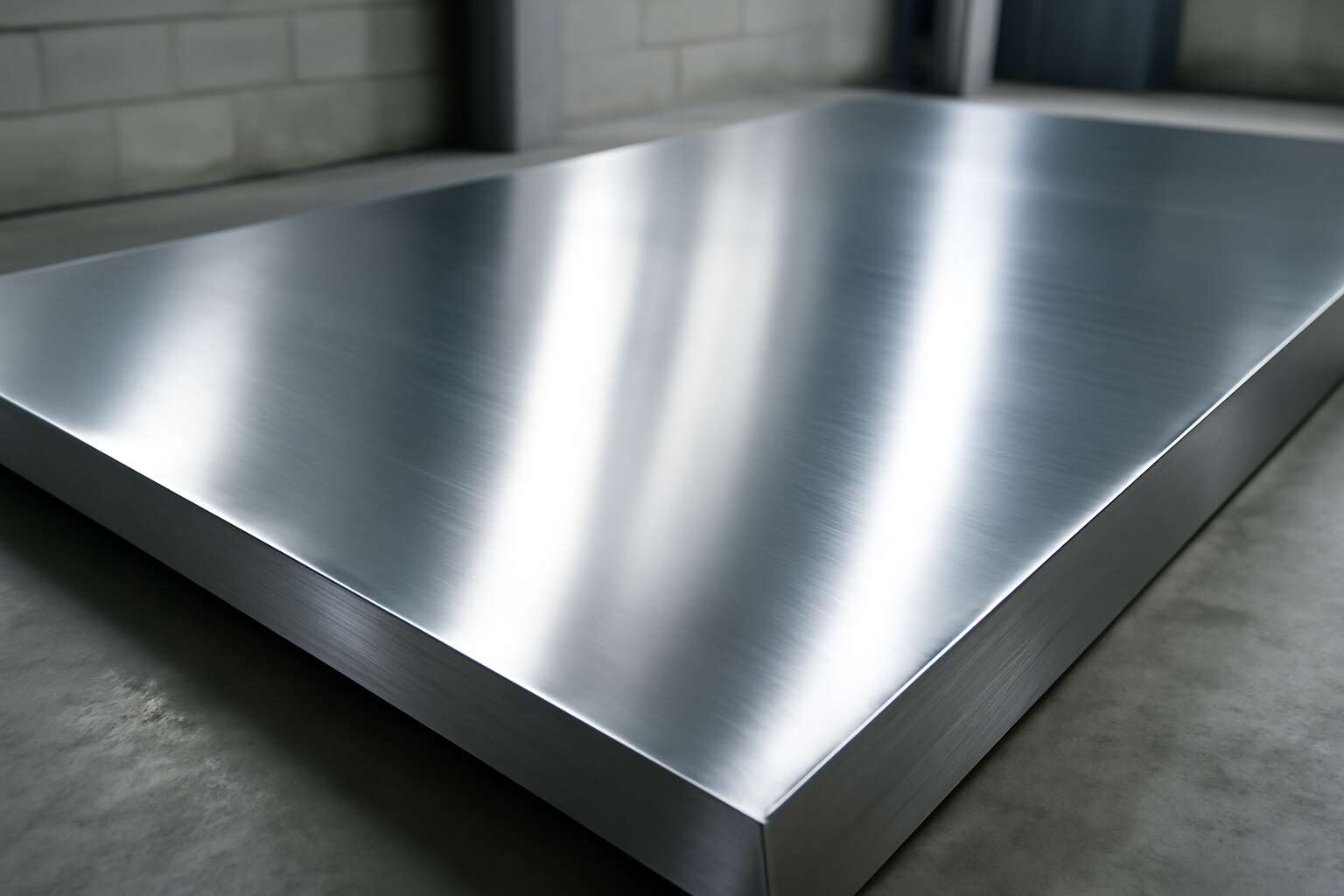
Understanding Stainless Steel Sheets
What is stainless steel sheet?
Imagine a material so resilient and versatile that it transforms ordinary structures into feats of engineering marvel—welcome to the realm of stainless steel sheet! This remarkable metal sheet is composed of iron alloyed with elements like chromium, which grants it that iconic shine and resistance to corrosion. In South Africa, stainless steel sheet is celebrated not only for its durability but also for its aesthetic appeal, making it a top choice across various industries.
Its ability to withstand harsh environments without losing its luster or strength is what truly sets stainless steel sheet apart. Whether used in architectural facades, kitchen appliances, or industrial machinery, its adaptability is unmatched. The key to its versatility lies in its composition and finish, which can be customized to meet specific needs.
Understanding stainless steel sheet involves appreciating its different types, each suited for distinct applications:
- Marine-grade stainless steel, perfect for coastal environments
- 304 stainless steel, the most common and versatile type
- 316 stainless steel, known for enhanced corrosion resistance
From sleek, modern designs to rugged industrial components, the stainless steel sheet continues to be an essential material that blends strength with style—an enduring symbol of innovation in South Africa’s construction and manufacturing landscapes.
Types of stainless steel sheets
Within the vast tapestry of industrial marvels, stainless steel sheet stands as a luminous thread, weaving resilience with elegance. But not all stainless steel sheets are created equal; each type whispers its unique story in the language of metallurgy. Understanding these variations unlocks a world where function fuses seamlessly with beauty, especially here in South Africa, where innovation thrives amidst diverse environments.
The most prevalent and versatile is the 304 stainless steel sheet, celebrated for its balanced blend of corrosion resistance and formability. It’s the stalwart choice for kitchens, architecture, and even medical equipment, thriving in everyday applications. Meanwhile, the 316 stainless steel sheet commands a different realm—its enhanced corrosion resistance makes it the ideal guardian against coastal elements, perfect for South Africa’s vibrant coastline. For marine environments or harsh outdoor conditions, this grade offers unparalleled durability.
To deepen your understanding, consider the key distinctions:
- 304 stainless steel sheet: the adaptable all-rounder, suitable for most general purposes.
- 316 stainless steel sheet: the resilient warrior against salt, moisture, and corrosive elements.
- Marine-grade stainless steel sheet: engineered specifically for coastal and marine applications, where exposure to saltwater demands superior resistance.
Each type of stainless steel sheet embodies a harmony of strength and aesthetic finesse, tailored to meet the precise demands of South Africa’s diverse industries. Whether crafting a modern façade or a rugged industrial component, selecting the right grade ensures longevity and style—transforming raw material into a masterpiece of engineering brilliance.
Grades and classifications
Understanding the grades and classifications of stainless steel sheet is essential for anyone seeking durability and aesthetic excellence in their projects. Each grade is a testament to human ingenuity, crafted to withstand the relentless forces of nature and time. In South Africa’s diverse landscapes—from bustling urban centers to rugged coastlines—the choice of stainless steel sheet can determine the longevity and success of a construction or manufacturing endeavor.
The classification of stainless steel sheet hinges on its chemical composition and microstructure. Commonly, grades such as 304 and 316 dominate the landscape, each offering distinct advantages. The 304 stainless steel sheet, renowned for its versatility, balances corrosion resistance with ease of fabrication. Meanwhile, the 316 grade steps into a different realm—its superior resistance to salt and moisture makes it indispensable for seaside applications, a vital trait for South Africa’s vibrant coastline.
To navigate this complex terrain, consider these categories:
- Austenitic stainless steels: Known for their excellent corrosion resistance and formability.
- Ferritic stainless steels: Less ductile but highly resistant to stress corrosion.
- Martensitic stainless steels: Harder and suitable for cutlery and tools.
Each classification of stainless steel sheet embodies a delicate interplay of strength, resilience, and beauty—elements that resonate deeply within human pursuits of mastery and endurance. The right grade isn’t just a material choice; it’s a philosophical commitment to excellence amidst challenge.
Properties and Benefits of Stainless Steel Sheets
Corrosion resistance
In a world where strength and resilience often seem at odds, stainless steel sheet emerges as a paradoxical marvel—delivering both durability and elegance with effortless ease. Its intrinsic properties, especially corrosion resistance, are what elevate it beyond mere construction material to a symbol of enduring quality. This corrosion resistance isn’t just a superficial trait; it’s rooted in the alloy’s unique ability to form a passive chromium oxide layer, which acts as a formidable barrier against environmental aggressors like moisture, salts, and acids.
Such resilience lends itself to a myriad of benefits. For one, stainless steel sheet maintains its lustrous appearance over time, resisting tarnish and rust even in the most challenging South African climates. This longevity reduces maintenance costs and ensures that projects remain pristine, whether in architectural facades, kitchen equipment, or industrial applications. Its capacity to withstand corrosion, coupled with ease of cleaning, makes stainless steel sheet an unrivaled choice for those who value both form and function.
Strength and durability
When it comes to construction and manufacturing, strength and durability are non-negotiable. Stainless steel sheet exemplifies this perfectly, offering an impressive combination of resilience and longevity. Its inherent toughness means it can withstand heavy use and harsh environmental conditions, making it ideal for a variety of applications across South Africa’s diverse climates.
Beyond its robustness, stainless steel sheet is known for its outstanding properties that contribute to its widespread popularity. Its high tensile strength ensures that structures remain stable over time, even under stress. Additionally, the material’s resistance to impact and warping reduces the need for frequent repairs, ultimately saving costs in maintenance and replacements.
One of the greatest advantages of stainless steel sheet is its ability to maintain its structural integrity without sacrificing aesthetics. Its natural resistance to corrosion prevents rust and tarnish, ensuring that surfaces stay pristine and visually appealing. Whether used in architectural facades or kitchen appliances, stainless steel sheet consistently delivers a sleek, modern look that lasts.
- Exceptional strength and durability
- Resistance to corrosion, rust, and tarnish
- Low maintenance requirements
- Versatility in a wide range of applications
With its blend of resilience and elegance, stainless steel sheet remains a preferred choice for those seeking a material that combines form and function seamlessly. Its robust properties make it invaluable in industries that demand reliability, especially in climates prone to moisture and salt exposure, like South Africa. No wonder it continues to be a cornerstone of modern engineering and design.
Hygienic qualities
In environments where hygiene is paramount, stainless steel sheet stands out as an unparalleled choice. Its smooth, non-porous surface resists the buildup of bacteria and grime, making it ideal for kitchens, hospitals, and food processing plants across South Africa. The material’s natural ability to prevent contamination ensures safety and cleanliness, which are crucial in maintaining public health standards.
Beyond its hygienic qualities, stainless steel sheet offers numerous benefits that make it a preferred material. Its resistance to staining and tarnish means surfaces remain pristine without frequent cleaning or polishing. This low-maintenance feature not only saves time but also reduces ongoing costs, especially in demanding industries.
- Ease of cleaning and sterilization
- Resistance to bacteria and germs
- Long-lasting appearance and finish
For industries across South Africa, where environmental conditions can challenge even the most durable materials, stainless steel sheet provides a resilient and hygienic solution. Its combination of strength, resistance, and ease of upkeep makes it an invaluable asset in everyday life and industrial applications alike. Truly, it’s a material that embodies both form and function in perfect harmony.
Aesthetic appeal
There’s an undeniable allure to stainless steel sheet that transcends mere functionality. Its sleek, reflective surface captures light with a quiet elegance, transforming ordinary spaces into showcases of modern sophistication. In South Africa’s vibrant architectural landscape, stainless steel sheet has become synonymous with resilience and style, elevating both commercial and residential designs.
Beyond its visual appeal, stainless steel sheet boasts an inherent versatility that allows it to seamlessly blend into a variety of environments. Whether used as a striking feature wall, a durable kitchen countertop, or a chic facade, its ability to maintain a pristine appearance over time is unmatched. This combination of form and function makes stainless steel sheet not just a material, but a statement — a testament to craftsmanship and enduring beauty.
Ease of maintenance
One of the most compelling reasons to choose stainless steel sheet is its ease of maintenance. Unlike other materials that require frequent polishing or sealing, stainless steel sheet naturally resists stains, smudges, and fingerprints — making it ideal for high-traffic areas in South Africa’s bustling commercial spaces and homes alike. Its smooth, non-porous surface prevents the buildup of dirt and bacteria, which is especially valuable in kitchens and healthcare environments.
Cleaning stainless steel sheet is straightforward. Typically, a simple wipe with a damp cloth and mild detergent suffices to restore its shine. For stubborn spots, a specialized stainless steel cleaner can be used without risking damage or loss of luster. This low-maintenance quality not only saves time and effort but also prolongs the lifespan of the material, maintaining its pristine appearance over years of use.
Furthermore, its resistance to corrosion and rust — combined with its durability — means that stainless steel sheet can withstand South Africa’s diverse climate conditions without degrading. Whether it’s exposed to coastal humidity or inland dust, this material remains resilient, offering long-term value. In a landscape where sustainability and cost-efficiency are increasingly prioritized, stainless steel sheet’s low-maintenance benefits make it a smart, eco-friendly choice for many applications.
Common Applications of Stainless Steel Sheets
Construction and architecture
When it comes to construction and architecture, stainless steel sheet isn’t just a shiny accessory; it’s the unsung hero of durability and style. In South Africa, where weather conditions can be as unpredictable as a Johannesburg traffic jam, this versatile material shines—literally and figuratively. From sleek skyscrapers that kiss the clouds to resilient cladding on public buildings, stainless steel sheet offers a perfect blend of form and function.
Its applications extend beyond aesthetics. In fact, stainless steel sheet is invaluable for structures requiring longevity and minimal maintenance. Think hospital corridors, where hygiene is paramount, or coastal constructions battling salty air—this material stands firm. Its corrosion resistance and ease of fabrication make it a favorite among architects and builders who demand reliability with a dash of modern flair.
- Facade panels that turn heads and withstand South Africa’s fierce sun
- Interior features like balustrades and staircases that combine safety with style
- Kitchen and food processing areas where hygiene isn’t negotiable
In the end, stainless steel sheet isn’t just a construction component; it’s the backbone of innovative architectural solutions—sharp, resilient, and undeniably essential.
Automotive industry
In the bustling world of automotive manufacturing, stainless steel sheet often flies under the radar—yet it’s the unsung hero behind many sleek, durable vehicles. From exhaust systems to decorative trims, this resilient material lends itself perfectly to the high-performance demands of the industry. Its corrosion resistance ensures that cars can brave South Africa’s diverse climate, from coastal humidity to inland heat, without losing their shine or integrity.
Automakers also love stainless steel sheet for its ease of fabrication, enabling intricate designs and precision welds that elevate vehicle aesthetics. Whether it’s the robust chassis components or stylish accents, this versatile material adds both form and function. Notably, stainless steel sheet is used in:
- Exhaust systems that need to withstand intense heat and corrosive exhaust gases
- Interior trim and dashboard elements that demand a sleek finish
- Structural parts requiring strength and longevity
In the competitive automotive sector, stainless steel sheet isn’t just a component—it’s a game-changer, blending durability with design ingenuity to keep South Africa’s roads both safe and stylish.
Food processing equipment
In the shadowy realm of industrial craftsmanship, stainless steel sheet emerges as a silent sentinel—its resilience and versatility cloaked in a guise that belies its true power. Among the many darkened corridors where this material reigns supreme, food processing equipment stands as a testament to its unyielding strength and hygienic purity. The very essence of this application lies in the stainless steel sheet’s ability to endure relentless exposure to moisture, acids, and heat, all while maintaining a pristine surface that resists contamination.
From the gleaming surfaces of mixers to the intricate labyrinths of conveyor systems, stainless steel sheet plays a pivotal role. Its corrosion resistance ensures that bacteria and decay find no foothold, safeguarding the sanctity of South Africa’s culinary traditions. In this domain, the material’s ease of sterilization and maintenance transforms it into an indispensable ally.
Common applications include:
- Food processing vats and tanks that must withstand caustic cleaning agents
- Hygienic conveyor belts that transport perishable goods with stealth and speed
- Work surfaces that demand both durability and a seamless finish
Within these clandestine chambers of the food industry, stainless steel sheet’s silent virtue whispers of safety, longevity, and unbreakable integrity—an unassuming hero in South Africa’s relentless pursuit of culinary perfection.
Medical devices and instruments
In the realm of medical innovation, stainless steel sheet has become an unsung hero—its role often overlooked yet absolutely critical. Its exceptional strength and hygienic properties make it the perfect choice for a wide range of medical devices and instruments. From surgical tools to diagnostic equipment, stainless steel sheet provides a seamless surface that resists corrosion and contamination, ensuring patient safety at every touchpoint.
Medical applications demand precision and reliability. Stainless steel sheet’s ability to withstand rigorous sterilization processes, including autoclaving, makes it indispensable in healthcare environments. Its resistance to corrosion ensures that instruments remain pristine over extended periods, reducing the risk of infections.
- Surgical instruments such as scalpels and forceps
- Medical implants and prosthetics
- Diagnostic equipment and hospital fixtures
All benefit from the durability and hygienic qualities of stainless steel sheet, transforming complex medical procedures into safer, more efficient practices. In this shadowy world of health innovation, it quietly upholds the standards of safety, longevity, and precision—truly the backbone of modern medicine in South Africa.
Home appliances
In the realm of domestic comfort and modern innovation, stainless steel sheet has quietly become an indispensable element—its presence felt in countless home appliances that shape our daily lives. From gleaming refrigerators to sleek oven panels, the resilience and aesthetic appeal of stainless steel sheet elevate both functionality and style. Its corrosion-resistant properties ensure longevity, standing up to the relentless wear and tear of everyday use.
Within the kitchen, stainless steel sheet transforms mundane appliances into resilient fixtures of durability. Its seamless surface not only lends a contemporary elegance but also simplifies cleaning, making maintenance effortless. For those who appreciate a blend of form and function, stainless steel sheet provides an ideal canvas—resistant to stains and scratches, yet easy to keep pristine.
In addition to kitchen essentials, stainless steel sheet finds its way into other home applications, such as splashbacks and cabinetry, where its reflective qualities amplify natural light and create an illusion of space. The versatility of stainless steel sheet in home appliances underscores its critical role in fostering both aesthetic harmony and enduring performance—truly a cornerstone of modern South African households eager for sophistication and resilience in equal measure.
Industrial manufacturing
Stainless steel sheet has cemented its position as a vital component in a broad spectrum of industrial manufacturing processes. Its adaptability and resilience make it an ideal choice for creating durable, high-performance products across sectors. In particular, the versatility of stainless steel sheet shines through in applications that demand both strength and aesthetic appeal. From structural frameworks to precision-engineered components, the material’s inherent properties allow manufacturers to push the boundaries of innovation.
In the realm of industrial manufacturing, stainless steel sheet is often used to produce equipment and machinery that must withstand harsh environments. Its corrosion resistance ensures longevity, even in corrosive settings like chemical plants or marine environments. For example, stainless steel sheet is commonly fabricated into:
- Industrial tanks and vessels
- Architectural cladding panels
- Conveyor systems and processing lines
Such applications benefit from the sheet’s high strength-to-weight ratio, ease of fabrication, and low maintenance requirements, making it a cornerstone material in South Africa’s manufacturing landscape. Its ability to be customized through cutting, welding, and forming processes ensures that it remains a preferred choice for diverse industrial needs, from large-scale infrastructure to precision equipment. The resilience and adaptability of stainless steel sheet continue to drive its prominence in the evolving industrial scene.
Choosing the Right Stainless Steel Sheet
Factors to consider
Choosing the right stainless steel sheet isn’t merely a matter of selecting a durable material; it’s about understanding the nuanced interplay between application demands and material properties. South Africa’s diverse industries—from architecture to manufacturing—demand a stainless steel sheet that can withstand unique environmental challenges while maintaining aesthetic integrity.
When considering a stainless steel sheet, factors such as thickness, surface finish, and alloy composition are paramount. For instance, a thicker sheet offers enhanced strength, while a polished surface can elevate visual appeal in architectural projects. Additionally, the specific grade of stainless steel influences corrosion resistance and overall longevity, making it essential to match the stainless steel sheet with its intended use.
In this decision-making process, it’s helpful to evaluate your project’s specific requirements through a set of key considerations, ensuring the selected stainless steel sheet aligns with both performance expectations and budget constraints.
Common finishes
Choosing the right stainless steel sheet isn’t just about picking a shiny, tough piece of metal—it’s about finding the perfect match for your project’s unique demands. And when it comes to surface finishes, the options are as diverse as South Africa’s landscapes! From a sleek mirror-like polish that makes architectural marvels pop, to a matte or brushed finish that hides fingerprints like a pro, the right surface finish can elevate your project’s aesthetic appeal.
For those who want a touch of sophistication, polished stainless steel sheet provides a reflective surface that turns any space into a statement piece. Meanwhile, satin or brushed finishes offer a more subdued, elegant look that’s easier to maintain in high-traffic environments. Not sure which to pick? A quick glance at your project’s environment and maintenance needs can help guide your decision. Remember, the surface finish of your stainless steel sheet is more than just skin deep—it’s a crucial factor in ensuring your material performs beautifully over time.
Manufacturing and Fabrication of Stainless Steel Sheets
Cutting techniques
The manufacturing and fabrication of stainless steel sheet is a realm where artistry meets precision engineering. Each sheet, forged from high-grade alloys, undergoes meticulous processes to ensure it meets the demanding standards of various industries. Cutting techniques play a pivotal role in shaping these resilient sheets into functional masterpieces, whether for architectural marvels or intricate medical devices.
Advanced cutting methods like laser cutting, plasma cutting, and water jet cutting are commonly employed to achieve immaculate edges and precise dimensions. These techniques not only enhance the aesthetic appeal of the stainless steel sheet but also preserve its structural integrity. For example, laser cutting offers high accuracy and minimal heat-affected zones, making it ideal for complex designs. Meanwhile, water jet cutting provides the flexibility to cut through thick sheets without introducing thermal distortion.
Understanding the nuances of each technique ensures that fabrication aligns perfectly with specific project requirements, transforming raw stainless steel sheets into components of durability and elegance. The magic truly happens when these processes are combined with skilled craftsmanship, unlocking the full potential of stainless steel sheet for diverse applications across South Africa’s vibrant industrial landscape.
Bending and shaping
In the realm of manufacturing and fabrication, stainless steel sheet is transformed from a flat, resilient material into complex, functional forms through expert bending and shaping techniques. This process demands a keen eye for detail and an understanding of the material’s unique properties. Skilled artisans and engineers leverage precision equipment to contour stainless steel sheet into components that endure the rigors of their intended application.
When shaping stainless steel sheet, manufacturers often employ a variety of methods to achieve the desired form without compromising structural integrity. Techniques such as press brake bending and roll forming allow for clean, accurate curves and angles, essential in architectural projects and industrial setups alike. The process often involves multiple stages, where the sheet is gradually pressed or rolled to prevent warping or cracking.
- High precision tooling
- Gradual pressure application
- Repeated passes for complex geometries
Furthermore, the versatility of stainless steel sheet shines in its capacity to be molded into intricate shapes, making it ideal for applications across South Africa’s diverse sectors—from automotive parts to sophisticated medical devices. When combined with advanced fabrication techniques, the result is a seamless blend of durability and aesthetic appeal that stands the test of time.
Welding methods
Welding is a cornerstone of stainless steel sheet manufacturing, transforming flat panels into complex, resilient structures. In South Africa’s bustling industrial landscape, precision welding techniques ensure the integrity and longevity of every component. From architectural facades to intricate medical devices, the ability to join stainless steel sheet seamlessly is what elevates a project from functional to extraordinary.
Among the most common welding methods are TIG (Tungsten Inert Gas) and MIG (Metal Inert Gas) welding. TIG welding, renowned for its precision, produces clean, strong joints ideal for applications demanding high aesthetic appeal. MIG welding, on the other hand, offers speed and efficiency, making it suitable for larger-scale fabrication. These techniques require skilled artisans who understand the unique properties of stainless steel sheet, such as its thermal conductivity and corrosion resistance.
When welding stainless steel sheet, it’s essential to consider factors like heat input and filler material to prevent warping or compromising corrosion resistance. Properly executed welding not only maintains the structural integrity but also ensures the seamless appearance of the final product. Whether it’s a sleek kitchen appliance or a robust industrial tank, the quality of welds plays a pivotal role in the durability and performance of stainless steel sheet components.
Surface treatments
Behind every shimmering façade and resilient industrial component lies a hidden realm of artistry—where manufacturing and fabrication of stainless steel sheet transform raw metal into masterpieces of durability and elegance. In South Africa’s vibrant industrial landscape, the journey from molten metal to finished product is a symphony of precision and craftsmanship. The surface treatments bestowed upon stainless steel sheet unlock a universe of aesthetic possibilities and functional enhancements, elevating it from mere material to a statement of excellence.
Surface treatments such as polishing, brushing, and etching breathe life into stainless steel sheet, revealing textures that range from mirror-like reflections to subtle matte finishes. These processes not only enhance visual appeal but also bolster resistance against corrosion and wear. For projects that demand both beauty and resilience, these finishes serve as a testament to the metal’s versatility and the skill of artisans who wield it.
In the realm of fabrication, techniques like sandblasting or applying protective coatings further extend the lifespan of stainless steel sheet, making it an ideal choice for harsh environments. Whether it’s an architectural feature in Cape Town or a medical device in Johannesburg, the surface treatment imparts a unique character and enduring strength. Truly, the alchemy of manufacturing and surface finishing transforms stainless steel sheet into a marvel of modern engineering and artistic expression.!
Maintenance and Care for Stainless Steel Sheets
Cleaning tips
In the realm of stainless steel sheets, resilience is often celebrated, yet even the fiercest armor requires tender tending. Proper maintenance transforms these gleaming panels from mere material into timeless symbols of strength and elegance. Cleaning stainless steel sheet surfaces is not merely an act of preservation but an art that whispers of care and precision. A gentle touch, paired with the right tools, ensures that the mirror-like finish remains unmarred by the passage of time.
To maintain its lustrous appeal, I recommend regular cleaning with mild, non-abrasive solutions. Avoid harsh chemicals that can tarnish or dull the surface; instead, opt for a soft cloth and a solution of warm water mixed with a dash of vinegar or a specialized stainless steel cleaner. For stubborn stains or fingerprints, a quick application of a dedicated stainless steel polish can restore its original gleam and shield against future blemishes.
As part of your routine care, consider employing a
- microfiber cloth for gentle wiping
- non-abrasive scrubbing pads for resistant spots
- and a dry cloth to buff the surface to perfection
. This combination ensures the stainless steel sheet maintains its impeccable aesthetic, standing resilient against the daily onslaught of dust, grease, and smudges. Remember, the secret lies in consistency—treat your stainless steel sheet with reverence, and it will reward you with timeless beauty and durability that endures through the ages!
Preventing corrosion and stains
In the world of stainless steel sheet, beauty and resilience dance in harmony, but even the most formidable material demands tender care to preserve its enchanting luster. Preventing corrosion and stains is not merely maintenance; it’s an act of devotion that keeps these gleaming panels standing as timeless symbols of strength. Proper care transforms a simple stainless steel sheet into an enduring masterpiece, resilient against the relentless passage of time.
To guard your investment, regular cleaning is essential. A gentle wipe with a soft cloth dipped in warm water and a splash of vinegar can banish fingerprints and smudges. For stubborn stains, employing a non-abrasive cleaning solution ensures that the surface remains unmarred, retaining its mirror-like finish. When faced with resistant spots, a quick application of a dedicated stainless steel polish can restore brilliance while forming a protective barrier against future blemishes.
Understanding how to prevent corrosion and stains involves more than just routine cleaning. Factors such as avoiding harsh chemicals and ensuring proper surface treatments can extend the lifespan of your stainless steel sheet. Incorporating
- microfiber cloths
- non-abrasive scrubbing pads
- dry cloths for buffing
into your care regime ensures each element plays a role in maintaining the aesthetic and structural integrity of your stainless steel sheet, allowing it to shine with enduring elegance in any environment.
Regular inspection
Even the most resilient stainless steel sheet needs a bit of TLC to keep it looking pristine. Regular inspections are the secret sauce in maintaining its gleaming appeal and structural integrity. Think of it as giving your stainless steel sheet a health check—spotting potential issues before they morph into costly repairs. Keeping an eye out for signs of corrosion or surface blemishes ensures your investment remains as striking as the day it was installed.
To make maintenance a breeze, incorporate a few simple practices into your routine. For example, a microfiber cloth paired with a mild cleaning solution can effortlessly banish fingerprints and smudges, leaving your stainless steel sheet gleaming. When stubborn stains refuse to budge, a dedicated stainless steel polish not only restores the surface’s mirror-like shine but also creates a protective barrier against future blemishes. Remember, consistency is key—think of it as giving your stainless steel sheet a spa treatment on a regular basis.
For those who prefer a systematic approach, following an ordered plan can help extend the lifespan of your stainless steel sheet:
- Inspect for surface damage or signs of corrosion.
- Clean with non-abrasive materials to prevent scratches.
- Apply appropriate surface treatments to enhance corrosion resistance.
- Use protective coatings or polishes to maintain shine and durability.
By integrating these steps into your maintenance routine, your stainless steel sheet will continue to be a symbol of strength and sophistication, ready to withstand the unpredictable South African climate with style and resilience.
Cost Factors and Purchasing Tips
Price range based on grades and thickness
The cost of stainless steel sheet can vary dramatically depending on several key factors, making it crucial for buyers to understand what influences pricing. One of the primary determinants is the grade of the stainless steel sheet; higher grades such as 316 offer superior corrosion resistance but come at a premium price compared to more economical options like 430. Additionally, the thickness of the stainless steel sheet plays a vital role—thicker sheets naturally require more raw material and manufacturing effort, which pushes the price upward.
For those seeking to optimize their purchase, it’s helpful to consider the specific application and select a grade and thickness that balance performance with budget. Prices typically range from moderate to high, with premium grades and thicker sheets commanding a significantly higher cost. To assist in decision-making, here’s a quick overview:
- Identify the intended use—whether for decorative, structural, or industrial purposes.
- Determine the necessary grade based on corrosion resistance and strength requirements.
- Assess the ideal thickness for durability without overspending.
By understanding these cost factors and employing smart purchasing tips, buyers in South Africa can navigate the stainless steel sheet market more effectively, ensuring they get the best value for their investment while meeting project specifications. Whether for architectural projects or industrial manufacturing, affordability and quality are always intertwined when selecting the right stainless steel sheet.
Trusted suppliers and brands
In the bustling markets of South Africa, the price of stainless steel sheet can oscillate more wildly than a Johannesburg street performer’s hat at a windstorm. Factors such as grade, thickness, and surface finish play starring roles in shaping the final cost. Trusted suppliers and brands, renowned for their unwavering quality, often command a premium—but their reliability ensures that your investment won’t rust away prematurely. When selecting a stainless steel sheet, it’s prudent to evaluate your project’s specific needs; a higher-grade sheet may seem costly upfront but could save money long-term by resisting corrosion and wear.
For those navigating this shimmering landscape, a little strategic shopping goes a long way. As one seasoned buyer quipped, “Choose wisely, for a stainless steel sheet is only as good as its provenance.” By prioritizing reputable brands and understanding the nuances of different grades and finishes, you’ll secure not just a deal but a durable solution. Whether outfitting a gleaming architectural masterpiece or sourcing components for industrial machinery, the right stainless steel sheet—trusted and tailored—can make all the difference.
Bulk purchase advantages
Cost factors in the realm of stainless steel sheet are as elusive as shadows in a moonlit alley. The price is not merely a number but a tapestry woven from grade, thickness, surface finish, and even the supplier’s reputation. Higher-grade stainless steel sheet, with its polished resilience, often commands a premium—yet the investment can prove invaluable in the long run. The durability and corrosion resistance of these sheets can transform a fleeting project into a legacy of strength and elegance.
For those daring enough to venture into this shimmering landscape, strategic purchasing becomes an art form. Bulk buying, for instance, unlocks a vault of advantages—discounts that echo like distant thunder and reduced per-unit costs that whisper of savings in the shadows. When sourcing stainless steel sheet in South Africa, consider these tips:
- Assess your project’s scope carefully—larger orders often invite negotiable prices.
- Prioritize trusted brands and suppliers known for unwavering quality, ensuring your investment withstands the test of time.
- Explore different finishes and grades to match your aesthetic and functional needs, avoiding costly rework later.
In this darkened symphony of commerce, patience and knowledge are your allies. With each carefully chosen stainless steel sheet, you forge not just a material but a fortress—resilient against the corrosive tides of time and wear.
Environmental Impact and Sustainability
Recyclability of stainless steel
In an era increasingly defined by environmental consciousness, stainless steel sheet stands out as a paragon of sustainability. Its recyclability is a cornerstone feature, allowing it to be reclaimed and reprocessed endlessly without loss of quality or performance. This attribute not only reduces waste but also diminishes the demand for virgin raw materials, aligning with global efforts to lower carbon footprints. According to industry studies, over 85% of stainless steel produced globally is recycled, underscoring its commitment to sustainability.
Moreover, the environmental impact of manufacturing stainless steel sheet has been significantly mitigated through advancements in eco-friendly production techniques. The durability and longevity of stainless steel sheet mean that structures and appliances made from it require less frequent replacement, translating into fewer resources consumed over time. This resilience contributes to a circular economy where materials are kept in use for as long as possible, reducing landfill accumulation and supporting sustainable development goals.
Eco-friendly manufacturing practices
In the shadowed corridors of industry, the stainless steel sheet emerges as a beacon of eco-conscious innovation. Its environmental footprint is remarkably light—an almost ghostly whisper against the roar of modern manufacturing. Thanks to cutting-edge, eco-friendly manufacturing practices, the production of stainless steel sheet now embraces a greener ethos. Techniques such as energy-efficient melting processes and the reduction of hazardous emissions have transformed its creation into a more sustainable act.
What makes stainless steel sheet truly stand apart is its unwavering commitment to sustainability. Its recyclability—endlessly reclaimable without degradation—embodies the essence of a circular economy. Over 85% of stainless steel produced globally is recycled, a testament to its enduring resilience and eco-friendly nature. Structures and appliances crafted from stainless steel sheet are built to last, reducing the need for frequent replacements and conserving precious resources over time.
In the realm of environmental impact, stainless steel sheet is a dark yet luminous symbol of progress. Its longevity, combined with advancements in eco-friendly manufacturing, ensures that sustainability is woven into its very fabric. As the world shifts towards greener horizons, stainless steel sheet stands as a testament to the possibility of harmony between industry and nature.
Lifespan and long-term benefits
When considering the environmental impact of materials, stainless steel sheet stands out as a paragon of sustainability. Its remarkable recyclability—over 85% of stainless steel is reclaimed globally—underscores its role in fostering a circular economy. Unlike many materials that succumb to degradation upon recycling, stainless steel sheet retains its integrity, promising a future where resource conservation is more than just a buzzword.
This durability translates into long-term benefits that are hard to ignore. Structures and appliances crafted from stainless steel sheet are built to withstand the test of time, significantly reducing the need for frequent replacements. This endurance not only conserves resources but also diminishes waste, making stainless steel sheet an eco-friendly choice for both industry insiders and environmentally conscious consumers.
Moreover, advancements in eco-friendly manufacturing practices—such as energy-efficient melting and reduced hazardous emissions—further diminish the carbon footprint associated with stainless steel sheet production. This convergence of resilience and responsible manufacturing cements its reputation as a sustainable marvel in modern industry.



0 Comments