
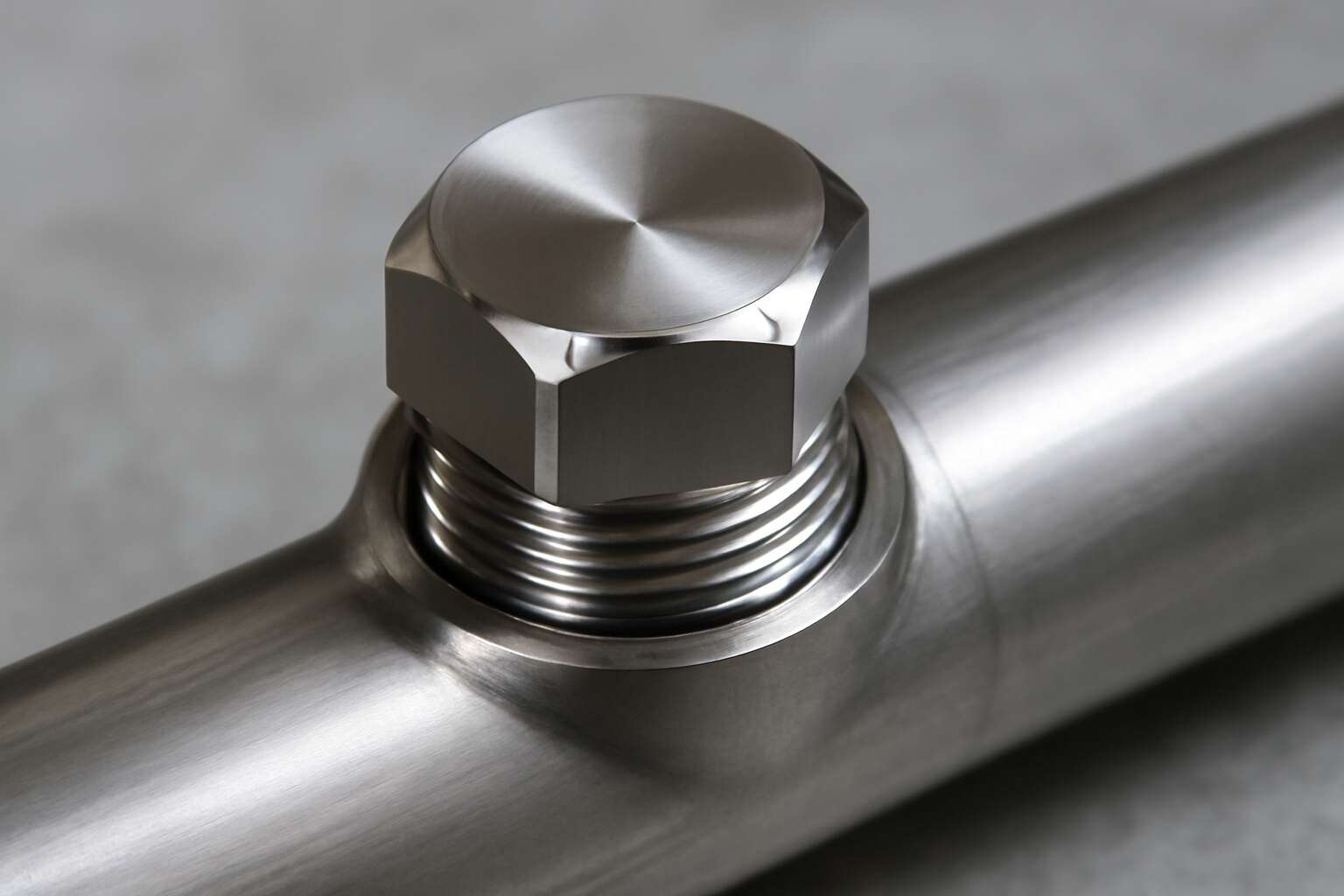
Understanding Stainless Steel Plugs
Types of Stainless Steel Plugs – Different varieties and their specific applications
When exploring the world of stainless steel plugs, it’s fascinating to see how diverse their types and applications are. Each variety is meticulously engineered to meet specific needs, whether for industrial, plumbing, or decorative purposes. The robust nature of stainless steel plugs makes them a preferred choice for environments demanding durability and corrosion resistance—especially in South Africa’s challenging climate.
Among the most common types are threaded stainless steel plugs and weld-in stainless steel plugs. Threaded variants are ideal for quick installation and removal in machinery or piping systems, while weld-in plugs provide a seamless, permanent seal, often used in high-pressure applications. For aesthetic or specialized uses, you might encounter stainless steel plugs with unique head designs or surface finishes tailored to match particular industrial standards.
- Corrosion-resistant stainless steel grade options like 304 and 316
- Customizable sizes and thread types for specific fittings
- Specialized plugs designed for high-temperature or chemical exposure
Understanding these variations ensures that the right stainless steel plugs are selected for each application, maintaining integrity and longevity in any setting.
Materials and Grades – Common stainless steel grades used and their properties
Choosing the right stainless steel plugs starts with understanding the materials behind them. The most common stainless steel grades used are 304 and 316, each offering unique properties tailored to different environments. Grade 304 is widely appreciated for its affordability and good corrosion resistance, making it suitable for general industrial applications. In contrast, grade 316 boasts enhanced corrosion resistance, particularly against chlorides and marine environments – a crucial factor in South Africa’s diverse climate.
Stainless steel plugs made from these grades are versatile, with customizable sizes and thread types that fit a wide range of fittings. For high-temperature or chemical exposure, specialized stainless steel plugs made from more resistant alloys are available, ensuring durability where other materials might fail. Whether for plumbing, industrial, or aesthetic applications, the right grade of stainless steel plugs guarantees performance and longevity in even the toughest conditions. Their robust nature and resistance to corrosion make them a reliable choice across various sectors.
Design Features – Key design elements that enhance functionality and durability
Every component of a stainless steel plug is a testament to precision engineering—designed not only to fit seamlessly but to endure the rigors of demanding environments. The core design features of stainless steel plugs emphasize robustness, corrosion resistance, and ease of installation. A well-crafted stainless steel plug will typically incorporate a smooth, polished surface that minimizes resistance and prevents corrosion buildup, ensuring longevity even in harsh conditions.
Key design elements that enhance their functionality include an optimized thread pattern, often tapered or straight, which guarantees a secure fit and prevents leaks. The head of the plug is deliberately engineered to provide ample grip, allowing for effortless tightening and removal without damaging the material. For applications involving high temperatures or aggressive chemicals, specialized stainless steel plugs employ alloys with superior thermal and chemical resistance, adding an extra layer of durability.
Understanding these design features can be crucial when selecting the right stainless steel plugs for specific applications—whether in plumbing, industrial manufacturing, or aesthetic installations. Their thoughtful construction ensures that they not only meet performance expectations but also uphold the integrity of the system they are part of, making stainless steel plugs an indispensable element in various sectors across South Africa’s diverse industries.
Applications of Stainless Steel Plugs
Industrial Uses – Factories, manufacturing, and machinery
Industrial environments in South Africa, bustling with factories, manufacturing plants, and intricate machinery, demand components that are as resilient as they are reliable. Stainless steel plugs have become the unsung heroes in these settings, offering a seamless solution to prevent leaks, contamination, and corrosion. These plugs are not just mere accessories; they are vital elements that keep production lines running smoothly amidst the chaos of heavy-duty operations.
In manufacturing, stainless steel plugs are employed to seal off unused ports and openings, ensuring machinery remains airtight and contaminant-free. Their corrosion resistance makes them ideal for use in chemical processing plants, where exposure to aggressive substances is common. Moreover, their robust design allows for repeated use, which is both economical and environmentally friendly.
For factories operating at the forefront of innovation, stainless steel plugs facilitate easy maintenance and swift system modifications. Whether sealing hydraulic systems, pneumatic lines, or fluid tanks, these plugs are indispensable. Their versatility is further highlighted by their compatibility with various industrial applications, making them a staple in the toolbox of engineers and technicians alike.
Automotive and Equipment – Vehicles, tools, and machinery sealing solutions
Stainless steel plugs are essential sealing solutions in the automotive and equipment sectors across South Africa. Vehicles, tools, and heavy machinery demand reliable, durable components to withstand tough conditions. Stainless steel plugs provide an airtight barrier, preventing leaks and contamination in critical systems. Whether sealing hydraulic lines or engine ports, these plugs ensure safety and efficiency on the factory floor or in the field.
Their corrosion resistance makes stainless steel plugs ideal for use in environments exposed to moisture, chemicals, or extreme temperatures. They are designed to be easily installed and removed, facilitating quick maintenance and system upgrades. For equipment manufacturers and automotive engineers, stainless steel plugs are a trusted choice—offering longevity and performance in demanding applications.
In many cases, stainless steel plugs are chosen for their versatility. They can be used in:
- Hydraulic and pneumatic systems
- Fluid tanks and reservoirs
- Tooling and machinery components
These sealing solutions are not just accessories—they are vital to keeping vehicles and equipment functioning smoothly, even under the most challenging conditions.
Marine and Outdoor Applications – Corrosion-resistant solutions for harsh environments
Marine and outdoor applications demand sealing solutions that can withstand the relentless assault of nature’s harshest elements. Stainless steel plugs, renowned for their exceptional corrosion resistance, are the ideal choice for these challenging environments. Whether safeguarding marine vessels, outdoor equipment, or coastal infrastructure, these plugs provide a reliable barrier against moisture, salt, and extreme weather conditions.
In such environments, durability isn’t just a preference—it’s an absolute necessity. Stainless steel plugs excel in preventing leaks and contamination, ensuring the longevity of critical systems exposed to the elements. Their robust construction makes them particularly suited for applications like boat hulls, offshore platforms, and outdoor machinery. For those seeking peace of mind amidst South Africa’s diverse climate, stainless steel plugs are undeniably a resilient, dependable solution.
Consumer Products – Household and DIY projects
In the realm of household and DIY projects, stainless steel plugs are often overlooked yet indispensable components. These small but mighty fixtures serve as the silent guardians of safety and functionality in everyday life, from sealing off unused plumbing outlets to creating secure closures in homemade appliances. Their sleek, corrosion-resistant nature ensures they remain pristine even in humid kitchens or outdoor workshops, making them a trusted choice for homeowners who value durability.
For those passionate about craftsmanship, stainless steel plugs offer a versatile solution to a variety of applications. Whether sealing an aquarium, closing off a water feature, or customizing outdoor furniture, their resilience stands out. In fact, many DIY enthusiasts appreciate their ease of installation and long-lasting performance, especially when working in environments prone to moisture or temperature fluctuations.
Embracing the potential of stainless steel plugs in consumer products transforms mundane tasks into demonstrations of precision and ingenuity. Their unobtrusive presence belies their importance—quietly ensuring the integrity of your projects, enhancing safety, and extending the lifespan of your creations. Truly, these unassuming components are the unsung heroes of household innovation.
Benefits of Using Stainless Steel Plugs
Corrosion Resistance – Longevity and durability in various environments
When it comes to safeguarding your equipment against the relentless assault of time and the elements, stainless steel plugs are unrivaled. Their corrosion resistance is nothing short of legendary, making them ideal for applications in South Africa’s diverse climate—be it the scorching sun or the humid coastlines. These plugs don’t just stand up to the elements; they thrive in them, offering unparalleled longevity and durability.
What truly sets stainless steel plugs apart is their ability to maintain structural integrity over years of exposure to harsh environments. Unlike their inferior counterparts, which succumb to rust and degradation, stainless steel plugs retain their pristine condition, ensuring safety and functionality. For industries that demand reliability—such as manufacturing factories, marine operations, or outdoor installations—this corrosion resistance translates into reduced maintenance costs and fewer replacements.
- Extended service life in corrosive environments
- Minimal upkeep, saving time and money
- Consistent performance under extreme conditions
In essence, choosing stainless steel plugs is an investment in resilience—proof that quality materials coupled with thoughtful design can withstand the test of time and nature’s whims, even in the most challenging South African settings.
Temperature Tolerance – Ability to withstand high and low temperatures
In the realm of industrial robustness, few materials command the respect that stainless steel plugs do—especially when the South African climate throws everything it has at them. One of their most impressive attributes is temperature tolerance, which is nothing short of a marvel. Whether faced with the blazing heat of summer or the chill of winter, these plugs remain steadfast, maintaining their integrity without a hint of compromise.
The ability to withstand extreme temperature fluctuations is crucial for applications spanning manufacturing, marine environments, and outdoor installations. Stainless steel plugs excel in such settings, offering dependable performance whether exposed to scorching direct sunlight or the icy grip of early mornings. Their resilience ensures that sealing and protective functions are never compromised, regardless of the climate’s whims.
Moreover, stainless steel plugs come equipped with a remarkable capacity for thermal stability. They can endure high temperatures—often up to 870°C in some grades—without warping or losing strength. Similarly, their low-temperature performance is equally impressive, remaining ductile and resistant to brittleness even in freezing conditions. This versatility underscores why they are a preferred choice for diverse South African industries, from harsh industrial zones to rugged outdoor environments.
Ease of Installation and Removal – Convenient fitting options
When it comes to securing equipment or sealing critical components, the ease of installation and removal of stainless steel plugs can make all the difference. Their design is crafted with both functionality and convenience in mind, allowing for quick fitting without sacrificing durability. This is especially vital in South African industries where time is money, and efficiency is paramount.
Stainless steel plugs feature smooth, tapered edges and precise threading, ensuring a snug fit that minimizes effort during installation. Removing them is equally straightforward, often requiring just basic tools, yet they hold tight enough to withstand harsh conditions. For those needing a reliable, corrosion-resistant solution that can be installed or removed effortlessly, these plugs are a game-changer.
In fact, their user-friendly design often includes features like:
- Reinforced threads for easy screwing and unscrewing
- Corrosion-resistant finishes to prevent seizing over time
- Standardized dimensions for compatibility across various applications
This combination of convenience and toughness ensures stainless steel plugs are not only easy to handle but also deliver consistent performance, even in the most demanding environments. Whether in industrial settings or outdoor applications, their straightforward installation process reduces downtime and boosts productivity—making them a top choice for professionals across South Africa.
Hygienic and Non-reactive – Safety and suitability for food and pharmaceutical uses
In industries where hygiene and safety are paramount, stainless steel plugs stand out as an essential component. Their non-reactive nature ensures that they do not leach harmful substances into sensitive environments, making them ideal for food, pharmaceutical, and healthcare applications. These plugs are crafted from high-grade stainless steel, which resists corrosion and prevents contamination, safeguarding product integrity and user health.
Their hygienic qualities go beyond mere safety. The smooth, non-porous surface of stainless steel plugs allows for effortless cleaning, reducing the risk of bacterial buildup. This feature is especially vital in South African food processing plants and pharmaceutical manufacturing, where cleanliness is non-negotiable. Incorporating stainless steel plugs into your operations not only enhances safety but also ensures compliance with strict industry standards, offering peace of mind and operational reliability.
Selecting the Right Stainless Steel Plug
Size and Dimensions – Measuring for proper fit and function
Choosing the correct size of stainless steel plugs is crucial for ensuring a proper seal and optimal performance. An ill-fitting plug can lead to leaks, reduced durability, or even damage to the surrounding material. When measuring for your stainless steel plugs, precision is key. Use a caliper or a measuring tape to determine the exact diameter of the hole or opening you intend to seal. Remember, a snug fit is better than a loose one, so always verify measurements before making a purchase.
To streamline the selection process, consider creating a quick reference guide based on your typical application sizes. For example, you might categorize your needs into small, medium, and large dimensions, which simplifies ordering and inventory management.
- Ensure the length of the plug matches the depth of the opening.
- Account for any threading or surface finish requirements.
Accurate measurement not only guarantees a secure fit but also enhances the longevity and corrosion resistance of your stainless steel plugs, especially in demanding environments.
Type of Seal or Closure – Choosing the correct sealing mechanism
Choosing the appropriate sealing mechanism for stainless steel plugs is a nuanced decision that can significantly influence performance and longevity. While the material itself offers exceptional corrosion resistance, the type of seal—be it O-rings, gaskets, or threaded closures—determines how effectively the plug maintains a secure barrier under varying conditions. In environments where moisture, chemicals, or temperature fluctuations are prevalent, selecting a sealing method that complements the stainless steel’s inherent resilience becomes paramount.
Consider the specific application—whether it’s a high-pressure industrial setting or a delicate food processing line. Each scenario demands a different approach to sealing. For instance, O-rings made from silicone or Viton are often preferred for their flexibility and chemical compatibility, ensuring a tight seal that withstands demanding conditions. Conversely, threaded stainless steel plugs with precision-machined surfaces may suffice in less aggressive environments. When selecting your stainless steel plugs, matching the seal type to operational needs is essential for optimal performance and durability!
Compatibility with Media – Ensuring chemical or fluid compatibility
Choosing the right stainless steel plug isn’t just about size or appearance; it’s a strategic decision rooted in understanding media compatibility. Different applications—whether corrosive chemicals, potable water, or high-temperature fluids—demand specific material considerations to ensure longevity and safety. A stainless steel plug that resists chemical degradation in one environment may falter in another if the media isn’t compatible.
For instance, selecting a stainless steel plug with the appropriate grade—such as 304 or 316—can make a significant difference when dealing with aggressive chemicals or seawater. These grades offer varying degrees of corrosion resistance, essential for maintaining integrity in diverse settings. When media compatibility is uncertain, consulting a comprehensive compatibility chart can save time and resources, ensuring your stainless steel plugs perform reliably under the intended conditions.
- Identify the media type—whether it’s acidic, alkaline, or neutral;
- Assess the temperature and pressure conditions;
- Match these parameters with the stainless steel grade and sealing mechanism for optimal results.
Ultimately, the choice of stainless steel plugs hinges on understanding the media they will contact. This ensures not just operational efficiency but also the safety and durability that your specific application demands. When media compatibility is properly considered, stainless steel plugs become more than just components—they become trusted guardians of your system’s integrity.
Standards and Certifications – Industry compliance and quality assurance
Selecting the right stainless steel plug is more than just matching size or appearance; it’s about adhering to industry standards and certifications that guarantee quality and safety. When sourcing stainless steel plugs, always prioritize suppliers who comply with recognized certifications like ISO 9001 or ASTM standards. These benchmarks ensure that the plugs meet rigorous manufacturing criteria, providing peace of mind for demanding applications.
Industry compliance is crucial, especially when stainless steel plugs are used in critical environments such as chemical processing or marine settings. Certifications not only affirm the material’s durability but also confirm that the production process adheres to environmental and safety guidelines. For added assurance, look for labels indicating compliance with local standards, such as the South African Bureau of Standards (SABS).
In the end, choosing stainless steel plugs that meet established standards safeguards your investment, bolsters operational safety, and prolongs the lifespan of your system. Quality assurance isn’t just a checkbox—it’s what transforms a simple component into a reliable, long-lasting solution.
Maintenance and Care of Stainless Steel Plugs
Cleaning Methods – Best practices for keeping plugs in optimal condition
Maintaining the pristine condition of stainless steel plugs is more than just a routine; it’s a vital part of ensuring longevity and reliable performance. These durable components are designed to withstand harsh environments, but they still require proper cleaning methods to keep corrosion at bay and maintain their sleek appearance. Regular inspection and gentle cleaning help prevent buildup of dirt, grime, and any residual fluids that might compromise their integrity over time.
For optimal care, use a soft cloth or non-abrasive sponge combined with mild soap and warm water. Harsh chemicals or steel wool can scratch the surface and diminish the corrosion resistance of stainless steel plugs. If stubborn stains or mineral deposits appear, a mixture of baking soda and water applied with a soft brush can do wonders. To preserve their corrosion resistance, always dry the plugs thoroughly after cleaning, especially if they are exposed to outdoor or marine environments.
In environments where rust or corrosion risk is high, applying a light coating of mineral oil or specialized stainless steel polish can provide an extra layer of protection. Remember, consistent maintenance not only extends the lifespan of stainless steel plugs but also preserves their hygienic and non-reactive qualities, crucial for applications in food, pharmaceuticals, and outdoor settings.
Inspection Tips – How to identify wear or damage
Regular inspection is crucial for maintaining the integrity of stainless steel plugs. Over time, even the most durable plugs can develop signs of wear or damage, especially in demanding environments. Catching issues early can prevent costly failures and extend their lifespan. Look for any visible corrosion, cracks, or deformation that might compromise sealing performance. Pay close attention to areas around the seal or flange, as these are prone to stress and wear.
To streamline inspection, consider implementing a routine checklist. Items to verify include the tightness of fittings, the absence of rust, and the condition of the surface finish. A simple visual check can often reveal early signs of degradation. For environments prone to moisture or chemical exposure, more detailed assessments such as ultrasonic testing or surface scans can detect subsurface damage that’s not immediately visible.
It’s also helpful to familiarize yourself with the common signs of damage, such as pitting or discoloration, which indicate corrosion. These indicators should prompt immediate action, whether cleaning, re-coating, or replacing the stainless steel plugs. Remember, keeping your plugs in top condition ensures they function reliably, especially in critical applications like food processing, pharmaceuticals, or marine environments. Proper care and vigilant inspection are your best tools for safeguarding performance and safety.
Replacement Indicators – When and why to replace stainless steel plugs
Proper maintenance of stainless steel plugs is essential to ensure their long-term performance and safety. Over time, even high-quality stainless steel plugs can show signs of wear or damage, especially in environments exposed to moisture, chemicals, or extreme temperatures. Recognizing when to replace these plugs is crucial to prevent leaks, contamination, or system failures.
Indicators for replacement include persistent corrosion, cracks, or deformation that compromise the seal. Discoloration or pitting often signals corrosion, which can weaken the structural integrity of stainless steel plugs. If visual inspections reveal these issues, or if the plugs no longer fit securely, replacement should be a priority to maintain system reliability.
In some cases, more detailed assessments—such as ultrasonic testing—are necessary to identify subsurface damage not visible to the naked eye. When replacing stainless steel plugs, it’s vital to select the correct size and type to match your application, especially in critical sectors like food processing or marine environments, where safety and durability are paramount.
Storage Recommendations – Proper handling and storage to prevent corrosion
Proper storage and handling of stainless steel plugs are vital to maintaining their corrosion resistance and overall longevity. In environments with high humidity or exposure to chemicals, even the most durable stainless steel plugs can succumb to rust or surface degradation if not stored correctly. Ensuring these plugs are kept in a dry, clean space minimizes the risk of surface pitting and preserves their structural integrity.
When storing stainless steel plugs, it is advisable to keep them in sealed containers or protective wrap to prevent moisture contact. Additionally, applying a light coating of oil can serve as a barrier against oxidation, especially when plugs are stored for extended periods. This simple step can significantly extend the lifespan of your plugs and ensure they perform optimally when needed.
Implementing a systematic inventory system can also help in monitoring the condition of stored stainless steel plugs. Regular inspections for signs of corrosion or discoloration are recommended to catch early deterioration. For added protection, consider using desiccants in storage areas to absorb excess moisture—these small but effective agents can make a substantial difference in harsh South African climates.
- Store stainless steel plugs in a cool, dry environment away from direct sunlight.
- Use sealed containers or protective packaging to prevent exposure to moisture.
- Apply a thin layer of anti-corrosion oil before storage for added protection.
- Conduct routine inspections to identify early signs of wear or corrosion.
- Incorporate desiccants within storage containers to control humidity levels.
By following these storage recommendations, you ensure that your stainless steel plugs remain resilient and ready for demanding applications—be it in industrial settings or household projects. After all, proper handling and storage are the first steps toward safeguarding the integrity and performance of these essential components in any system.
Where to Buy High-Quality Stainless Steel Plugs
Online Retailers – Trusted e-commerce platforms and specialty suppliers
In the shadowed corridors of commerce, finding a source that supplies high-quality stainless steel plugs can feel like navigating a labyrinth of uncertainty. Yet, for those who seek durability and precision, the right online retailer becomes a guiding beacon. South Africa’s bustling e-commerce platforms offer an array of trusted options, where craftsmanship meets reliability. From reputable marketplaces to specialized suppliers, each vendor strives to deliver stainless steel plugs that withstand the relentless march of corrosion and environmental assault.
For the discerning buyer, knowing where to buy stainless steel plugs online is paramount. Trusted e-commerce platforms such as Takealot, Bidorbuy, and independent industrial supply websites host extensive selections. These platforms often feature detailed specifications, ensuring that each stainless steel plug aligns perfectly with your project’s demands. Specialty suppliers, often found through niche industrial directories, provide an added layer of assurance, offering bespoke solutions tailored to precise requirements.
- Explore reputable online marketplaces renowned for their quality assurance.
- Seek out specialized industrial suppliers with a history of excellence in stainless steel components.
- Verify certifications and customer reviews to gauge the authenticity and durability of the stainless steel plugs offered.
In the realm of stainless steel plugs, where strength and corrosion resistance are non-negotiable, choosing a reliable retailer becomes essential. It is here that the meticulous craftsmanship of trusted e-commerce platforms meets the rugged demands of industrial, marine, or consumer applications—each stainless steel plug a silent guardian against the encroaching shadows of decay.
Local Distributors – Finding nearby stores and service centers
In the quest for durability and reliability, many professionals and DIY enthusiasts in South Africa turn to local distributors when seeking high-quality stainless steel plugs. Unlike distant online warehouses, these nearby stores foster a sense of immediacy and trust, allowing for hands-on inspection and personalized service. Finding a reputable store within your vicinity can make all the difference, especially when time is of the essence or when you need expert advice on the spot.
Locally available industrial supply centers and hardware outlets often stock a comprehensive range of stainless steel plugs suited for various applications. To streamline your search, consider visiting stores that specialize in industrial components and have established a reputation for quality assurance. These outlets typically carry stainless steel plugs made from premium materials such as grade 304 or 316, ensuring they meet strict standards for corrosion resistance and strength.
For a seamless experience, some stores also provide the following:
- Personalized consultations to match the right stainless steel plugs to your specific project needs
- On-site testing and inspection for optimal fit and functionality
- Guidance on installation, maintenance, and replacement to prolong your investment
By choosing a local distributor, you gain more than just immediate access—you join a community of professionals dedicated to precision and excellence in stainless steel plugs. This proximity fosters trust, ensures faster turnaround times, and offers the reassurance that your purchase is backed by local expertise. After all, in the world of industrial and consumer applications, sometimes the closest solutions are the most dependable.
Custom Fabrication Options – Getting tailored solutions for specific needs
When seeking high-quality stainless steel plugs tailored to your unique needs, the path often leads to specialized fabricators and local suppliers who understand that precision is paramount. Custom fabrication options are more than just a luxury; they are a necessity in projects where off-the-shelf solutions fall short. In South Africa, many trusted industrial outlets and metalworking artisans offer bespoke stainless steel plugs, allowing you to specify dimensions, sealing mechanisms, and material grades that perfectly align with your application.
These tailored solutions are vital for industries demanding impeccable fit and durability. Whether you require a specific size for a delicate pharmaceutical assembly or a high-temperature resistant plug for industrial machinery, local fabricators provide the flexibility to meet these exacting standards. Often, they employ advanced techniques such as CNC machining or welding to produce stainless steel plugs that surpass generic options in both longevity and performance.
- Identify a reputable local fabricator with experience in stainless steel components.
- Discuss your specific project requirements, including size, material grade, and environmental conditions.
- Request samples or prototypes to ensure the custom stainless steel plugs meet your expectations before full production.
Choosing a local supplier for custom stainless steel plugs not only ensures a perfect fit but also fosters a relationship rooted in trust and industry knowledge. This personal touch can be the difference between a temporary fix and a long-term solution—ultimately elevating the integrity of your project and the reliability of your equipment. In the realm of industrial and consumer needs, nothing compares to the reassurance of tailor-made excellence—crafted locally, designed precisely, and built to endure.
Cost Considerations – Pricing factors and value for investment
In the bustling world of industrial components, the price tag on stainless steel plugs often prompts a collective sigh—after all, quality rarely comes cheap. But here’s the twist: cost considerations aren’t just about the initial outlay—they’re about value for investment. A premium stainless steel plug might seem pricier upfront, but in the long run, its resistance to corrosion, temperature extremes, and wear ensures you won’t be shelling out again for replacements anytime soon.
When shopping for stainless steel plugs, keep an eye on the factors influencing price: material grade, manufacturing precision, and certification standards. Cheaper options might cut corners, but they often compromise durability, leading to costly downtime or equipment failure. Conversely, investing in high-grade, locally sourced stainless steel plugs means you’re paying for resilience and peace of mind. It’s prudent to consider the total lifecycle cost—because sometimes, the most economical choice is the one that lasts.
For those who prefer a quick overview, a simple
- cost versus longevity
- material quality
- supplier reputation
checklist can illuminate the path to smart purchasing. Remember, in the realm of stainless steel plugs, value isn’t just about the sticker price—it’s about ensuring your project’s integrity and your bottom line stay intact for the long haul. After all, when it comes to sealing solutions, a well-chosen stainless steel plug is an investment in durability that pays dividends over time!


0 Comments