

Stainless steel is a common material used in construction. It is a highly corrosion-resistant alloy, which can be used to make appliances, cookware, tools, and other products. The material is easy to clean, and does not stain or rust easily. In addition, stainless steel is durable and long-lasting. It is also an environmentally friendly material because it is recyclable.
Stainless steel is a metal alloy that contains a minimum of 11% chromium, which contributes to its corrosion resistance. Other alloying elements may be added for certain properties. This material is a good choice for environments with high hygiene standards because it is extremely resistant to rusting and other forms of corrosion.
The chromium-nickel combination is one of the most important alloys in stainless steel. The oxidation resistance offered by this alloy allows it to retain its strength under conditions that other materials cannot handle. As a result, it is often referred to as a green material. Because of its oxidation-resistance, stainless steel is also known for its durability.
Stainless steel is classified into several different types, such as austenitic, ferritic, martensitic, and duplex. Each type has its own set of benefits and disadvantages. Stainless steel is a popular choice for many applications, as it has an elegant appearance and is suitable for a variety of uses. However, it does have some disadvantages that can affect the way it performs in various applications.
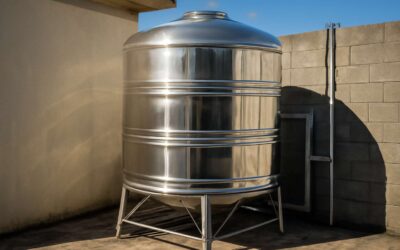
Stainless steel is typically used for applications that require resistance to rust and heat. For example, stainless steel tanks are often used in pharmaceutical manufacturing. Some other applications include cooking utensils, surgical implants, and hemostats. These metals have a rust-resistant, hygienic finish, making them ideal for use in the food and beverage industry.
When choosing a stainless steel grade, the ratio of chromium to other alloying elements is important. There are more than 100 grades of stainless steel, each with its own set of properties. Different alloys can be used to increase a variety of properties, including oxidation resistance and toughness. High-carbon variants can be used to increase the hardness and creep resistance of the metal. Another advantage is the ability of stainless steel to be used with higher acidity.
During production, stainless steel undergoes a number of forming processes as it cools. These processes include hot rolling and cold rolling. Cold rolling can be used to form billets and precise metal shapes. Hot rolling is commonly used to shape steel into rougher shapes.
Whether a stainless steel manufacturer chooses to use a heat-treatment process to improve the metal’s physical properties or a chemical treatment to enhance its passivity, there is no doubt that this material offers a wide range of useful properties. Among the most important are its resistance to rust and corrosion, anti-stain properties, and its ease of cleaning and sterilization. Moreover, its hygienic nature and low toxicity makes it a desirable material for the food and beverage industry.
Stainless steel is also highly hygienic, as it does not react with most of the common cleaning solutions. In addition, it does not stain or corrode when exposed to water or air. Also, it does not affect the flavour or colour of foods, which is why it is an excellent choice for food processing.


0 Comments