
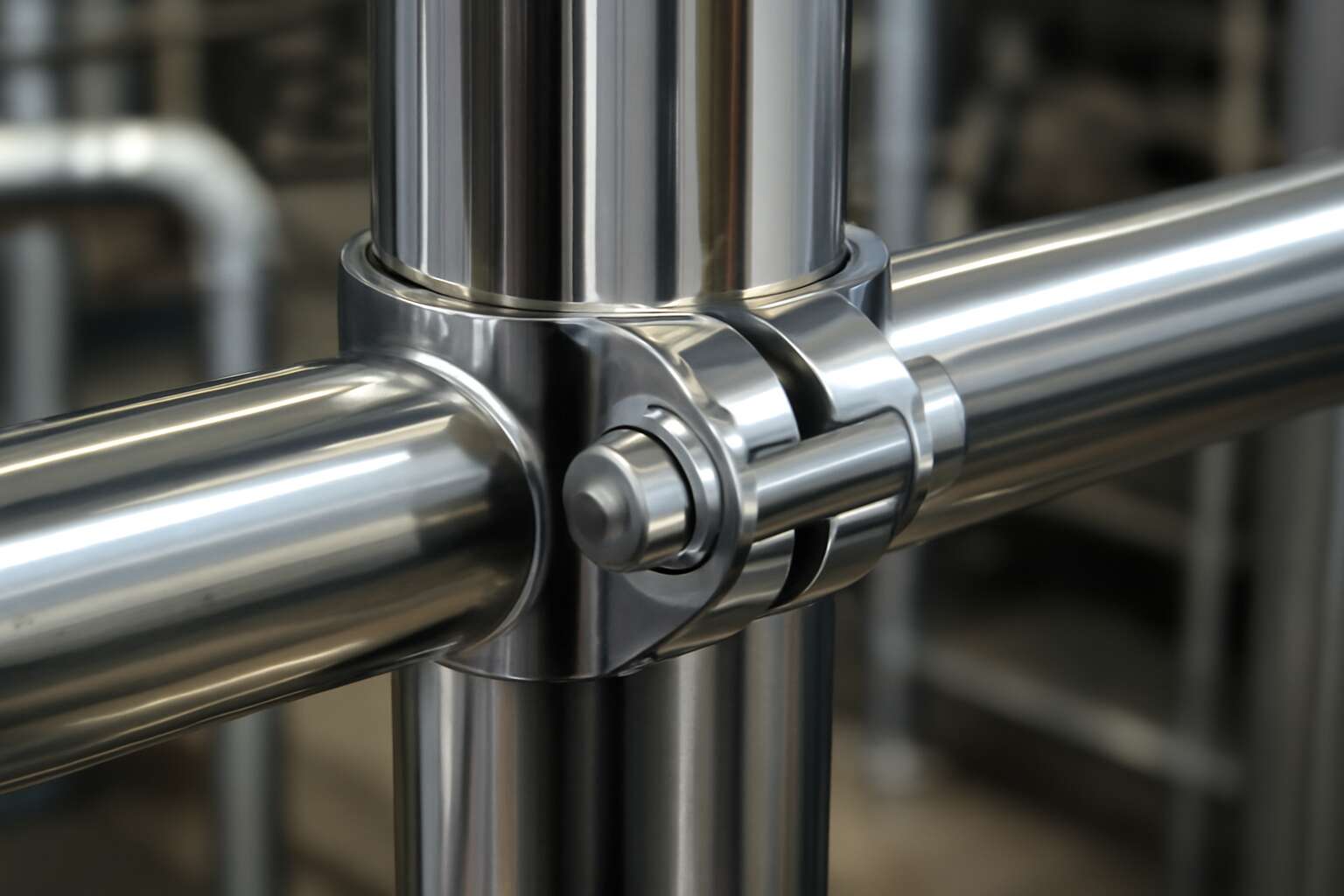
Understanding Stainless Steel Pipe Clamps
Overview of Pipe Clamps – What are stainless steel pipe clamps and their primary functions
When it comes to securing pipes with finesse, stainless steel pipe clamps are the unsung heroes of the plumbing world. These clamps are more than just metal brackets; they’re the backbone of reliable pipe support, designed to withstand the harsh South African climate and corrosive environments. Imagine a clamp that not only holds your pipes firmly in place but also resists rust and corrosion—sounds like a dream, right? That’s precisely what stainless steel pipe clamps deliver.
Primarily, stainless steel pipe clamps serve to prevent pipe movement, reduce stress on joints, and absorb vibrations—keeping your piping system intact and functioning smoothly. Their primary functions include providing a secure grip and offering long-lasting durability, especially when exposed to moisture, salt, or extreme temperatures. Whether in industrial settings or residential installations, these clamps are available in various sizes and styles, tailored to meet specific piping needs.
In essence, stainless steel pipe clamps are the silent workhorses of modern piping infrastructure, combining strength, flexibility, and longevity in one sleek package. Their versatility makes them indispensable for professionals aiming for a seamless, corrosion-resistant piping system.
Benefits of Using Stainless Steel – Advantages of stainless steel over other materials for pipe clamps
Stainless steel pipe clamps are celebrated for their resilience and durability, making them a superior choice for demanding environments. Unlike traditional materials like plastic or mild steel, stainless steel offers unparalleled resistance to rust and corrosion, even in South Africa’s coastal and humid conditions. This means your piping system remains secure and intact for years, reducing maintenance costs and downtime.
One of the key advantages of stainless steel pipe clamps is their strength-to-weight ratio. They provide a robust grip without adding unnecessary bulk, ensuring your pipes stay firmly in place. Additionally, stainless steel’s natural resistance to extreme temperatures makes these clamps suitable for both industrial and residential applications. The material’s longevity translates into fewer replacements and a more sustainable choice overall.
- Corrosion resistance
- High durability
- Low maintenance
- Versatility in various environments
In a market flooded with alternatives, stainless steel pipe clamps stand out as the dependable option for professionals seeking reliable, long-term pipe support solutions. Their ability to withstand the harsh South African climate, combined with ease of installation, cements their status as an essential component in modern piping systems.
Common Applications – Industries and scenarios where stainless steel pipe clamps are essential
Stainless steel pipe clamps have become an indispensable component across a wide spectrum of industries in South Africa. Their resilience and corrosion resistance make them ideal for environments where exposure to moisture, salt, and varying temperatures is frequent. In the bustling construction sector, these clamps secure piping systems that support vital infrastructure—ensuring safety and longevity in every project.
In industrial facilities, stainless steel pipe clamps are used to hold pipes in place within chemical plants, refineries, and water treatment plants. Their ability to withstand harsh chemicals and temperature fluctuations means that operations can continue smoothly, without the worry of rust or failure. Similarly, in residential settings, they help secure plumbing systems, providing peace of mind for homeowners and plumbers alike.
Here are some common scenarios where stainless steel pipe clamps truly shine:
- Supporting heavy-duty industrial piping in manufacturing plants
- Securing water and sewage pipelines in municipal infrastructure
- Fixing gas lines in commercial buildings
- Maintaining structural integrity of HVAC systems in residential homes
Every application underscores the importance of choosing the right pipe clamp—one that offers durability, versatility, and peace of mind, especially in South Africa’s diverse climate. Stainless steel pipe clamps are not just fixtures; they are silent guardians of safety and stability in our everyday environments.
Types of Stainless Steel Pipe Clamps
U-Bolt Pipe Clamps – Design features and typical uses
Among the variety of stainless steel pipe clamps, U-bolt pipe clamps stand out for their robust simplicity and versatile application. Their distinctive U-shaped design allows for a secure grip around pipes, making them a popular choice in both industrial and commercial settings. Designed to withstand the rigors of corrosive environments, these clamps are an essential component in plumbing, HVAC, and structural installations across South Africa.
The design features of U-bolt pipe clamps include a sturdy stainless steel construction that resists rust and corrosion, even in the most demanding conditions. They typically come with a saddle or a rubber lining to distribute pressure evenly, preventing damage to delicate pipes. Their quick installation process—often requiring just a wrench—means they are favored in scenarios where efficiency is paramount.
In terms of typical uses, U-bolt stainless steel pipe clamps excel in securing pipes to walls, ceilings, or frames, providing both stability and flexibility. Whether supporting water lines in a commercial building or anchoring industrial pipelines, their resilient design ensures longevity and peace of mind. When selecting a clamp, consider the load capacity and pipe diameter, as these factors influence the overall durability and performance of your installation.
Two-Bolt Pipe Clamps – Advantages and installation considerations
Two-bolt stainless steel pipe clamps stand as a testament to engineering finesse—marrying strength with ease of installation. Their symmetrical design features two bolts that tighten evenly, ensuring a secure hold around pipes without damaging the material. This dual-bolt configuration not only enhances stability but also distributes pressure uniformly, which is vital in high-stakes environments where pipe integrity cannot be compromised.
The advantages of two-bolt stainless steel pipe clamps extend beyond their robust construction. They are remarkably versatile, accommodating a wide range of pipe diameters and load specifications. Installation is straightforward, often requiring just a wrench, and their durable stainless steel composition resists rust and corrosion—crucial factors in South Africa’s often harsh industrial atmospheres.
- Uniform pressure distribution
- Ease of installation and maintenance
- Exceptional corrosion resistance in aggressive environments
While their sturdy design makes them ideal for supporting water, gas, or HVAC pipes, their aesthetic appeal also lends itself to applications where visual craftsmanship matters. When selecting the perfect stainless steel pipe clamp, understanding the load capacity and pipe size is essential, ensuring your installation remains resilient and enduring in the face of time and environment’s relentless march.
Box Pipe Clamps – Applications and benefits
When it comes to securing pipes with finesse and durability, stainless steel pipe clamps are the unsung heroes of the industrial world. Among the various types, box pipe clamps stand out for their versatility and reliability. Designed with a sturdy box-like construction, these clamps provide a snug fit that minimizes movement and vibrations—crucial in high-pressure environments or sprawling industrial complexes.
Applications for box pipe clamps are as diverse as their design. They’re a favorite in the oil and gas sector, where the stakes are high and the environment unforgiving. In HVAC systems, they offer a secure grip that withstands temperature fluctuations and corrosive elements. Additionally, their benefits extend to plumbing installations, where longevity and ease of maintenance are paramount. For those seeking straightforward installation, box pipe clamps often feature simple bolt mechanisms that make securing pipes a breeze, even in tight spaces.
- Corrosion resistance ensures longevity in South Africa’s often harsh industrial atmospheres.
- Uniform pressure distribution safeguards pipe integrity over time.
- Adaptability to various pipe sizes makes them a versatile choice across multiple sectors.
Pipeline Holders and Supports – Different styles and their specific purposes
When it comes to securing pipes in demanding environments, the variety of stainless steel pipe clamps available is impressive. Each style serves a specific purpose, ensuring that installation is both efficient and durable. From industrial pipelines to delicate HVAC systems, selecting the right type can make all the difference.
For example, pipeline holders are designed to provide robust support for long runs of piping, reducing stress and preventing sagging over time. Supports can be customized for elevated or suspended installations, ensuring stability even in harsh conditions. Among the most popular styles are:
- U-bolt pipe clamps—ideal for securing pipes to structural surfaces with ease and reliability.
- Two-bolt pipe clamps—offering a more adjustable fit, perfect for varied pipe diameters and tight spaces.
- Box pipe clamps—known for their snug fit and vibration damping capabilities, often used in high-pressure applications.
Understanding the specific demands of your project helps in choosing the right stainless steel pipe clamps. Their versatility and resilience are key to maintaining pipe integrity across industries, from manufacturing to water supply networks. Each style is engineered for longevity, corrosion resistance, and ease of installation, making them indispensable components in any piping system.
Materials and Grades of Stainless Steel for Pipe Clamps
Type 304 Stainless Steel – Corrosion resistance and common uses
Among the myriad of materials available for industrial applications, stainless steel stands as a beacon of durability and resilience, especially when it comes to stainless steel pipe clamps. The most common grade, Type 304 stainless steel, is renowned for its exceptional corrosion resistance, making it the material of choice for securing pipes in environments exposed to moisture, chemicals, and temperature fluctuations. Its versatile nature ensures that it withstands the rigors of both indoor and outdoor use, maintaining its integrity over time.
Type 304 stainless steel is composed primarily of chromium and nickel, which form a passive layer on the surface, preventing rust and degradation. This grade is particularly popular in construction, plumbing, and manufacturing sectors across South Africa, where reliability is paramount. Its ability to resist oxidation and staining makes it ideal for applications involving water, acids, and other corrosive elements. The strength and flexibility of stainless steel pipe clamps made from this grade not only guarantee safety but also extend the lifespan of pipe systems, reducing maintenance costs and downtime.
Type 316 Stainless Steel – Enhanced corrosion resistance for harsher environments
When the environment turns hostile—whether due to salt-laden air, aggressive chemicals, or extreme weather conditions—ordinary materials simply don’t cut it. That’s where the advanced materials and grades of stainless steel come into play, especially for stainless steel pipe clamps. Among these, Type 316 stainless steel stands out as the hero in harsher environments, offering enhanced corrosion resistance that is crucial for maintaining the integrity of pipe systems in South Africa’s challenging industrial landscapes.
This grade is primarily composed of molybdenum, which forms a protective barrier against pitting and crevice corrosion. The result? stainless steel pipe clamps made from Type 316 are remarkably durable, even when exposed to chlorides, seawater, or acidic substances. Ideal for coastal facilities, chemical plants, and outdoor installations, these clamps deliver peace of mind where lesser materials would falter.
In fact, the superior corrosion resistance of Type 316 stainless steel ensures the longevity of pipe support systems, reducing costly maintenance and minimizing unexpected failures. Whether securing pipes in marine environments or industrial settings with aggressive atmospheres, choosing the right stainless steel grade can make all the difference—turning a simple clamp into a cornerstone of reliability. With stainless steel pipe clamps crafted from this resilient material, engineers and technicians can confidently tackle South Africa’s demanding conditions head-on.
Other Material Options – Specialized grades and their benefits
In the realm of industrial craftsmanship, selecting the right material for stainless steel pipe clamps is akin to choosing a legendary armor for a daring hero. Beyond the renowned Type 316 stainless steel, the world of pipe clamps offers a spectrum of specialized grades, each imbued with unique qualities tailored to specific environments. For instance, Type 304 stainless steel, celebrated for its excellent corrosion resistance, is a steadfast choice for indoor applications and less aggressive atmospheres. It’s like the dependable shield that guards against everyday wear and tear, ensuring longevity without the weight of excess complexity.
But when the environment turns more hostile—think coastal factories buffeted by salty winds or chemical plants brimming with aggressive substances—other grades shine brighter. These specialized stainless steel grades, such as duplex or super duplex varieties, bring extraordinary benefits. They provide enhanced strength and corrosion resistance, making them ideal for extreme conditions. For those seeking resilience against the relentless assault of chlorides and acidic chemicals, stainless steel pipe clamps crafted from these advanced materials become invaluable allies in safeguarding pipeline integrity.
In the vast landscape of material options, an understanding of the strengths of each grade helps engineers craft a system that withstands South Africa’s diverse industrial climates. From the subtle nuances of material composition to the robust performance of specialized grades, the right choice of stainless steel pipe clamps transforms a simple fastening into a pillar of durability and reliability. The magic lies in aligning the right material with the demands of the environment, ensuring that every clamp becomes a cornerstone of lasting performance.
Factors to Consider When Choosing Stainless Steel Pipe Clamps
Size and Diameter Compatibility – Matching clamps to pipe dimensions
When selecting stainless steel pipe clamps, size and diameter compatibility are crucial considerations that can make or break the stability of your entire piping system. Imagine fitting a piece of the puzzle only to find it’s slightly off — the entire picture becomes distorted. That’s precisely what can happen if the clamps don’t match your pipe dimensions accurately. Ensuring a precise fit prevents unnecessary stress, corrosion, and potential failure down the line. It’s not merely about choosing a clamp; it’s about understanding the subtle nuances of pipe diameters and how they interact with the clamp’s design.
To achieve optimal compatibility, consider both the nominal diameter of your pipes and the clamp’s adjustable range. Sometimes, a slightly larger or smaller clamp might seem convenient but can lead to uneven pressure distribution. For those working within the unique environment of South Africa’s rugged industrial landscape, selecting the correct size ensures durability against corrosive elements and thermal fluctuations. Remember, the right stainless steel pipe clamps of the correct size are an investment in longevity, safety, and operational excellence.
Load Capacity and Pressure Ratings – Ensuring safety and durability
When it comes to maintaining the integrity of a piping system, load capacity and pressure ratings of stainless steel pipe clamps are often the silent guardians of safety and durability. Overlooking these crucial factors can lead to catastrophic failures, especially under the relentless stress of industrial environments. It’s not just about choosing a clamp that fits; it’s about understanding how much weight and pressure it can bear without compromising the system’s performance.
In the rugged landscapes of South Africa, where thermal fluctuations and corrosive elements test materials daily, selecting stainless steel pipe clamps with appropriate ratings becomes even more vital. These ratings dictate the clamp’s ability to withstand operational forces, ensuring longevity in challenging conditions. Remember, the right clamp’s load capacity isn’t just a number—it’s a safeguard against failure and a cornerstone of operational excellence.
- Assess the maximum load your piping system will encounter during peak operation
- Verify the pressure ratings against the system’s maximum pressure requirements
- Consider the environment’s corrosive elements that could weaken the clamp over time
Choosing stainless steel pipe clamps with suitable load capacity and pressure ratings isn’t merely an administrative task; it’s an investment in safety, resilience, and peace of mind. In environments where every connection counts, understanding these specifications transforms a simple component into a reliable linchpin of your infrastructure.
Environmental Conditions – Corrosion, temperature, and chemical exposure considerations
When selecting stainless steel pipe clamps for South Africa’s rugged terrain, environmental conditions should be front and center. Corrosion, temperature fluctuations, and chemical exposure aren’t just minor inconveniences—they’re the relentless adversaries that can compromise the integrity of your piping system. In regions where salt spray from the coast or acidic mine runoff is common, choosing clamps made from high-grade stainless steel, like Type 316 stainless steel, becomes essential. These materials boast superior corrosion resistance, ensuring your clamps remain stalwart even under the harshest circumstances.
Temperature swings—think scorching summer days and chilly winter nights—can also wreak havoc on lesser materials. Stainless steel pipe clamps designed for high-temperature tolerance prevent warping and fatigue, preserving their load capacity and pressure ratings over time. For environments laden with chemicals or aggressive substances, clamps with specialized coatings or higher-grade stainless steel are your best allies in preventing premature failure. After all, in the unforgiving landscapes of South Africa, only the toughest stainless steel pipe clamps will do to keep your infrastructure resilient and operational.
Installation Methods – Tools and techniques for effective fitting
In the shadowed corridors of industrial resilience, the installation of stainless steel pipe clamps demands more than mere precision; it requires an understanding of the subtle dance between tools, techniques, and the dark art of fitting. The terrain of South Africa, with its rugged landscapes and unyielding climate, beckons a mastery that can only be achieved through deliberate choice and skillful application.
The method of installation can spell the difference between enduring stability and catastrophic failure. Employing the right tools—such as torque wrenches calibrated for high-stress environments—and embracing techniques that minimize stress concentrations are essential steps on this treacherous path. Proper alignment and secure fastening ensure that your stainless steel pipe clamps can withstand the relentless forces of nature and time. When fitting these clamps, consider the environment—whether it’s a coastal area haunted by salt spray or a mine riddled with corrosive chemicals—and select installation methods that reinforce their resilience.
Sometimes, a simple, methodical approach—like following an ordered sequence to tighten bolts—can unlock the full potential of your clamps. This ensures even distribution of pressure, preventing warping or fatigue. Remember, in these harsh landscapes, the integrity of your piping system is guarded by the unseen hands of meticulous installation. Only through understanding the nuances of fitting can your stainless steel pipe clamps stand unbowed against the elements, holding firm in their silent vigil.
Installation and Maintenance of Stainless Steel Pipe Clamps
Installation Steps – Proper methods for secure fitting
When it comes to installing stainless steel pipe clamps, precision and methodical execution are paramount. Proper fitting not only ensures the longevity of the pipe system but also enhances safety and operational efficiency. It’s essential to select the right clamp size and material, especially considering the environmental conditions—corrosion resistance is a key advantage of stainless steel pipe clamps in South Africa’s diverse climate.
Begin by securing the clamp onto the pipe, making sure it aligns perfectly with the designated support point. For two-bolt pipe clamps, tighten the bolts gradually in a crisscross pattern to distribute pressure evenly. This approach prevents deformation and ensures a snug fit without damaging the pipe. Using the appropriate tools—wrenches, torque drivers, and sometimes even specialized clamps—can make a significant difference.
Maintenance of stainless steel pipe clamps is equally crucial. Regular inspections for corrosion, especially in coastal or chemically exposed environments, can extend their service life. Cleaning with non-abrasive solutions helps maintain their corrosion-resistant properties, ensuring that your piping infrastructure remains robust and reliable for years to come.
Tips for Longevity – Maintenance practices to prevent corrosion and wear
In the realm of piping infrastructure, where resilience and durability are paramount, stainless steel pipe clamps emerge as silent guardians—ensuring every conduit remains steadfast amidst the tumult of environmental forces. Their installation and maintenance are not mere tasks but rituals that safeguard the longevity of your entire system. Proper fitting begins with a meticulous selection of the right size and material, tailored to withstand South Africa’s diverse climate—where coastal humidity and inland dryness pose unique challenges. Ensuring a snug yet gentle grip on the pipe prevents deformation and promotes enduring stability.
To maintain their formidable resistance against corrosion and wear, regular inspections are essential. Cleaning with non-abrasive solutions preserves the integrity of the stainless steel, especially in chemically aggressive or salty environments. Incorporating a simple routine—such as a visual check for rust or mineral buildup—can dramatically extend the service life of your stainless steel pipe clamps. Remember, their strength lies in diligent upkeep, turning routine maintenance into a shield against deterioration!
For those seeking optimal longevity, consider the environmental conditions—harsh climates demand stainless steel grades like Type 316, renowned for its enhanced corrosion resistance. Ensuring the correct load capacity and pressure ratings tailored to your specific piping system prevents undue stress, safeguarding against fatigue. When it comes to installation, employing the right tools and techniques transforms a potentially complex process into a seamless task, reinforcing the vital role of stainless steel pipe clamps in maintaining a robust piping network.
Troubleshooting Common Issues – Addressing rust, loosening, or damage
Installation and maintenance of stainless steel pipe clamps are critical to ensuring the longevity of your piping system. Even a small oversight can lead to issues like rust, loosening, or damage that compromise the entire network. When installing stainless steel pipe clamps, precise fitting is essential; selecting the correct size and material tailored to South Africa’s diverse climate conditions—ranging from humid coastal regions to arid inland areas—can make a significant difference. Proper torque application prevents deformation while maintaining a secure grip without damaging the pipe surface.
Regular inspections are the key to troubleshooting common issues. Look for signs of rust or mineral buildup, especially in chemically aggressive environments or salt-laden air. Cleaning with non-abrasive solutions preserves the stainless steel’s resistance to corrosion and prevents premature deterioration. If you notice loosening, tightening the clamps with appropriate tools can restore stability. For damaged clamps, replacing them promptly with high-grade stainless steel pipe clamps—preferably Type 316 for harsher environments—can safeguard against future problems. Remember, routine maintenance isn’t just about fixing issues; it’s about proactively reinforcing your piping infrastructure’s resilience against corrosion and wear.
Where to Buy Quality Stainless Steel Pipe Clamps
Wholesale Suppliers – Advantages of bulk purchasing
In the bustling realm of industrial infrastructure, securing a steady supply of quality stainless steel pipe clamps can feel like discovering a hidden treasure. Wholesale suppliers in South Africa offer an enchanting array of options, making it easier than ever to source robust, corrosion-resistant clamps in bulk. This approach not only ensures consistent quality but also unlocks significant cost savings, transforming a necessary task into a strategic advantage.
Bulk purchasing from reputable wholesale suppliers allows businesses to capitalize on economies of scale, reducing per-unit costs while maintaining high standards of durability. Whether you’re outfitting a sprawling pipeline network or a delicate installation, buying in large quantities often grants access to exclusive discounts and priority service. To make your procurement even more seamless, consider selecting suppliers known for their extensive inventory of stainless steel pipe clamps, ensuring you find the perfect fit for your project’s needs.
For those who want to harness the power of bulk buying, here’s a quick overview of the benefits:
- Cost efficiency through volume discounts
- Consistent quality and reliable supply chain
- Streamlined procurement process for large projects
With reliable wholesale suppliers, your venture into stainless steel pipe clamps becomes not just a purchase but an investment in longevity and performance. The key is to partner with suppliers who prioritize quality, ensuring each clamp withstands the rigors of South Africa’s unique environmental challenges. After all, securing your infrastructure’s backbone should be as resilient as the clamps themselves.
Online Retailers – Convenience and product variety
In today’s fast-paced industrial landscape, sourcing quality stainless steel pipe clamps with ease is more important than ever. Online retailers offer an expansive array of options, making it possible to find the perfect clamp for any project without leaving the comfort of your workspace. The convenience of browsing through dedicated e-commerce platforms means you can compare specifications, prices, and brands seamlessly, ensuring you make informed decisions tailored to South Africa’s unique environmental conditions.
Many reputable online stores specialize in stainless steel pipe clamps, providing extensive inventories that cater to diverse needs—whether for small-scale installations or large infrastructure projects. A quick visit to these platforms reveals a curated selection that often includes different styles such as U-bolt pipe clamps, two-bolt pipe clamps, and specialized pipeline supports. This variety ensures that every project’s specific requirements are met with precision and reliability.
- Easy access to detailed product information and specifications
- Multiple payment options and prompt delivery services
- Ability to view customer reviews and ratings for added confidence
By choosing trusted online retailers, businesses and contractors can streamline procurement—saving time and reducing logistical complexities. With the right supplier, you gain not only access to high-quality stainless steel pipe clamps but also the assurance of consistent availability, making your project’s success more attainable and less stressful. Ultimately, buying online transforms a simple transaction into a strategic move toward durable, corrosion-resistant infrastructure in South Africa’s demanding environment.
Custom Fabricators and Manufacturers – Tailored solutions and specifications
For projects demanding precision and durability, sourcing top-tier stainless steel pipe clamps from custom fabricators and manufacturers is often the key to success. These specialists design tailored solutions that meet exact specifications, ensuring your installation is both robust and resilient against South Africa’s harsh environmental conditions. Whether you need clamps for a high-pressure pipeline or a delicate industrial setup, custom fabricators can craft stainless steel pipe clamps that align perfectly with your unique requirements.
Opting for bespoke solutions offers undeniable advantages: precise size compatibility, customized load ratings, and specialized material grades that stand up to extreme temperatures, chemicals, or corrosion. Many reputable manufacturers can deliver stainless steel pipe clamps in a variety of styles—be it U-bolt, two-bolt, or even specialized pipeline supports—tailored to your project’s demands. To streamline your procurement process, it’s advisable to partner with companies that provide comprehensive specifications, fast turnaround times, and reliable after-sales support.
- Identify a trusted manufacturer with extensive experience in stainless steel pipe clamps.
- Communicate your specific needs, including pipe diameter, load capacity, and environmental factors.
- Request detailed technical drawings and certifications to ensure compliance with industry standards.
- Confirm lead times and delivery options to keep your project on schedule.
By collaborating directly with custom fabricators and manufacturers, you unlock the potential for durable, corrosion-resistant stainless steel pipe clamps that are built to last. This strategic approach transforms a simple component into a vital part of your infrastructure, capable of withstanding South Africa’s demanding conditions with unwavering strength and reliability.
The Future of Stainless Steel Pipe Clamps
Innovations in Materials – New alloys and coatings
The future of stainless steel pipe clamps is brighter than a Johannesburg sunrise—thanks to groundbreaking innovations in materials that are redefining durability and performance. As industries demand more resilient solutions, new alloys and coatings are stepping into the spotlight. These advancements promise to extend the lifespan of stainless steel pipe clamps, even under the harshest conditions in South Africa’s diverse environments.
Imagine clamps that resist not only corrosion but also extreme temperatures and chemical exposure—enter the realm of specialized grades and coatings. Manufacturers are experimenting with alloys like duplex stainless steel and super-austenitic variants, which offer unparalleled resistance to rust and pitting. Additionally, innovative coatings such as ceramic-based or polymer layers are being applied to further shield these essential fixtures from the elements. For those who prefer a dash of sophistication, these materials also facilitate easier installation and maintenance, making them a favorite among engineers and technicians alike.
- Enhanced corrosion resistance for long-term stability
- Greater load-bearing capacity without sacrificing flexibility
- Improved chemical and temperature resilience for diverse applications
As the landscape of stainless steel pipe clamps evolves, so does their ability to meet the rigorous demands of industries like oil and gas, water treatment, and manufacturing. The integration of advanced alloys and coatings ensures that these clamps remain a cornerstone of reliable piping systems—standing tall against the test of time, corrosion, and even stubborn South African weather.
Design Improvements – Enhanced ease of installation and strength
The future of stainless steel pipe clamps is shaping up to be nothing short of revolutionary. Industry leaders are pushing the boundaries of design to create solutions that are not only stronger but also easier to install—because who has time for fiddly, frustrating fittings? With innovations in materials and engineering, these clamps are becoming more adaptable, resilient, and user-friendly, especially in the diverse climates of South Africa.
One of the most exciting advancements is the focus on enhanced strength without sacrificing flexibility. Modern stainless steel pipe clamps are engineered with better load-bearing capacity, allowing them to support heavier pipes and withstand greater stress—crucial in demanding applications like oil and gas pipelines or water treatment facilities. Plus, clever design tweaks, such as quick-release mechanisms and ergonomic shapes, are making installation a breeze, even for those who prefer their tools to do most of the heavy lifting.
Manufacturers are also prioritizing versatility. For instance, some clamps now feature adjustable components or modular configurations, allowing easy adaptation to varying pipe sizes—no more hunting down the perfect fit from a sea of mismatched parts. These improvements mean less time fiddling with fittings and more time ensuring that everything stays secure, no matter the environmental challenges thrown their way.
In the end, the evolution of stainless steel pipe clamps isn’t just about increased strength; it’s about smarter, faster, and more reliable solutions. Whether for industrial infrastructure or sophisticated manufacturing plants, these design innovations are set to elevate performance standards and keep systems running smoothly—because in South Africa, where weather and wear test even the toughest materials, resilience is everything.
Eco-Friendly and Sustainable Options – Recyclable materials and green manufacturing practices
The future of stainless steel pipe clamps is not merely a whisper of innovation but a thunderous declaration of sustainability. In a world teetering on the brink of ecological exhaustion, the movement toward eco-friendly and sustainable options in industrial components gains momentum. Stainless steel pipe clamps, traditionally celebrated for their durability and strength, are now evolving into symbols of environmental consciousness. Manufacturers are embracing recyclable materials, transforming scraps and offcuts into new, resilient fixtures that serve both purpose and planet.
Green manufacturing practices—marked by reduced energy consumption and the elimination of harmful chemicals—are becoming the new standard. These practices ensure that every stainless steel pipe clamp produced minimizes environmental impact while maintaining the uncompromising quality demanded by South Africa’s diverse climate zones. In this new era, some clamps even incorporate biodegradable coatings, offering a fleeting promise of harmony between industrial needs and ecological responsibility.
As the demand for sustainable infrastructure grows, so too does the variety of eco-conscious options:
- Recyclable stainless steel alloys that can be reused without degradation
- Manufacturing processes powered by renewable energy sources
- Use of environmentally friendly finishes and coatings
With each innovation, stainless steel pipe clamps become more than mere fittings—they transform into guardians of the environment, ensuring that strength and resilience do not come at the cost of ecological health. In South Africa’s demanding environments, these sustainable solutions are vital, standing as testament to a future where industry and ecology coexist in a delicate, enduring balance.

0 Comments