
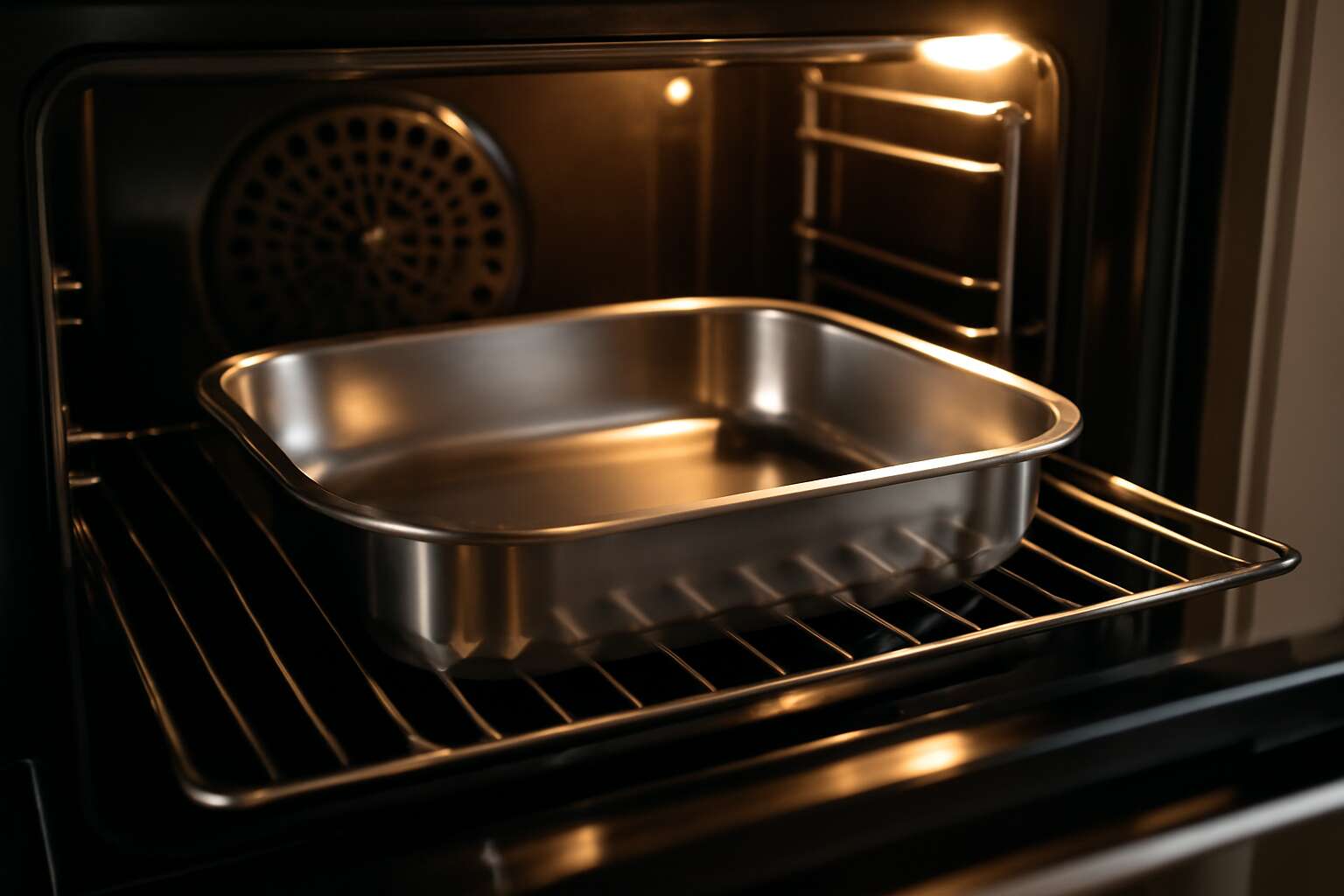
Understanding Stainless Steel and Its Properties
What Is Stainless Steel?
Imagine a material so resilient that it’s practically the superhero of cookware—enter stainless steel. This shiny, corrosion-resistant alloy isn’t just a pretty face; it’s built to withstand the heat of your oven without breaking a sweat. But can stainless steel go in the oven? The answer is a confident yes, as long as you choose the right type. Stainless steel is renowned for its durability and high melting point, making it a versatile choice for baking, roasting, and broiling. Its ability to handle oven temperatures makes it an ideal companion for your culinary adventures, from searing steaks to baking casseroles. Just keep in mind that not all stainless steel cookware is created equal—some cheaper versions may contain fillers or coatings that don’t fare well in high heat. So, next time you’re debating whether to toss that stainless steel baking tray into the oven, rest assured, it’s often a safe bet—if it’s quality stainless steel, of course. After all, can stainless steel go in the oven? Absolutely, and it does so with aplomb!
Common Types of Stainless Steel Used in Cookware
Understanding stainless steel and its properties is crucial when considering whether can stainless steel go in the oven. This resilient alloy is celebrated not just for its gleam but for its ability to withstand extreme temperatures—an essential trait for any serious chef. Its high melting point, often exceeding 1,400°C, ensures that it maintains integrity under heat, making it a suitable choice for oven use.
Among the common types of stainless steel used in cookware, the most reliable are 304 and 316 grades. These are known for their durability, resistance to corrosion, and high heat tolerance. A quick glance at your cookware can reveal the type—look for stamped markings or manufacturer specifications.
- 304 stainless steel: Often used in houseware, it boasts excellent corrosion resistance and can easily endure oven temperatures.
- 316 stainless steel: Slightly more corrosion-resistant, making it ideal for versatile kitchen environments, including oven use.
When pondering whether can stainless steel go in the oven, it’s essential to consider the quality of the material. Cheaper variants might contain fillers or coatings that don’t handle high heat well, risking damage or safety concerns. The key is to opt for high-grade stainless steel—an alloy designed to brave the oven’s heat without warping or leaching harmful substances.
Properties of Stainless Steel Relevant to Oven Use
Stainless steel’s remarkable resilience makes it a favorite among culinary enthusiasts, and its properties are particularly fascinating when considering whether can stainless steel go in the oven. This alloy’s high melting point, often surpassing 1,400°C, allows it to withstand the intense heat of oven environments without losing its structural integrity. Such durability is why many chefs trust stainless steel for roasting, baking, and broiling dishes that require consistent heat exposure.
Understanding the properties of stainless steel reveals why it is so suitable for oven use. Its resistance to corrosion and warping ensures longevity, even after repeated cycles of thermal stress. When selecting stainless steel cookware, it’s wise to look for high-grade types, like 304 or 316, as they’re engineered to endure extreme temperatures without compromising safety or performance.
For those curious about the specifics, here are key features that make stainless steel an ideal oven companion:
- Exceptional high-temperature tolerance
- Corrosion resistance, even in humid or acidic environments
- Minimal warping or deformation over time
So, when pondering whether can stainless steel go in the oven, the answer hinges on the quality of the material. With the right grade and proper manufacturing, this resilient alloy can be your trusted partner in the kitchen’s fiery depths, ensuring safety, durability, and culinary excellence every time.
Are Stainless Steel Items Oven-Safe?
General Guidelines for Oven Safety
When considering if stainless steel can go in the oven, the answer is often yes—if you understand the subtleties of oven-safe cookware. Stainless steel is renowned for its durability and resistance to high temperatures, making it a popular choice among chefs and home cooks alike. But not all stainless steel items are automatically oven-safe; it depends on their construction and any additional components such as handles or coatings that might not withstand heat.
Most high-quality stainless steel cookware can go in the oven, especially those designed specifically for that purpose. However, it’s wise to check for manufacturer instructions before placing your dish in the oven. For example, some stainless steel items with plastic or silicone handles may have temperature limits, typically around 180°C (356°F). To ensure safety and maintain the longevity of your cookware, consider these general guidelines:
- Verify the manufacturer’s specifications—most stainless steel cookware labeled as oven-safe can handle temperatures up to 260°C (500°F).
- Inspect handles and lids—if they are made of plastic or silicone, confirm their heat tolerance.
- Remember that abrupt temperature changes might cause warping or damage, so avoid transferring a hot item directly from the oven to cold surfaces.
Understanding these nuances ensures that your stainless steel cookware remains a versatile kitchen staple capable of withstanding the heat, making it an indispensable tool whether you’re roasting, baking, or broiling. So yes, can stainless steel go in the oven? The answer is often a resounding yes—when you select the right piece and follow the proper guidelines for oven safety.
Factors That Determine Oven Compatibility
When pondering whether can stainless steel go in the oven, the answer isn’t always black and white. The truth is, many stainless steel items are designed with oven safety in mind, but subtle factors can influence their heat tolerance. The key lies in understanding what makes stainless steel oven-safe and what doesn’t. Certain stainless steel cookware, especially those crafted for high-temperature cooking, can withstand the intense heat of an oven, but other items might not fare as well.
One critical aspect to consider is the construction of the piece. Handles, for example, often contain plastics or silicone that have strict temperature limits. If these components aren’t rated for oven use, exposing them to high heat could lead to melting or warping. To avoid surprises, examine the manufacturer’s specifications—most reputable brands clearly state whether their products can go in the oven, along with maximum temperature thresholds. In many cases, stainless steel cookware can go in the oven at temperatures up to 260°C (500°F), making it versatile for roasting, baking, or broiling.
- Check the manufacturer’s instructions for oven compatibility.
- Inspect handles and lids for non-metal components that may be sensitive to heat.
- Avoid sudden shifts from hot to cold environments to prevent warping or damage.
Understanding these nuances elevates your confidence, enabling you to harness the full potential of your stainless steel cookware. So, can stainless steel go in the oven? The answer is often yes, but only when you’re aware of its construction and adhere to proper usage guidelines. This knowledge transforms ordinary cookware into an extension of your culinary artistry, ready to conquer any oven-based challenge.
Advantages of Using Stainless Steel in the Oven
Durability and Heat Resistance
Stainless steel cookware’s reputation for resilience isn’t just old wives’ tales—it’s backed by science and a dash of practicality. When pondering whether can stainless steel go in the oven, one must appreciate its impressive durability and heat resistance. Unlike more delicate materials, stainless steel can withstand high temperatures without warping or degrading, making it a stellar choice for roasting, baking, or broiling. This robustness means you’re not confined to stovetop use alone; your investment can seamlessly transition from searing steaks to finishing off a casserole in the oven.
Its heat resistance is complemented by a remarkable ability to evenly distribute heat, ensuring your culinary creations are cooked to perfection without the hot spots that plague lesser materials. So, if you’re contemplating whether can stainless steel go in the oven, the answer is a resounding yes! This versatility, combined with its longevity, makes stainless steel an indispensable ally in the modern kitchen—where durability and heat resistance reign supreme.
Ease of Cleaning
One of the understated virtues of stainless steel cookware is its ease of cleaning—a trait that elevates it from mere utility to a culinary companion. Unlike non-stick surfaces that can degrade over time, stainless steel’s surface resists staining, corrosion, and buildup, making post-cooking maintenance a breeze. When considering whether can stainless steel go in the oven, this attribute becomes particularly appealing, as oven use often involves high heat and potential mess.
Cleaning stainless steel is straightforward: a simple wash with warm, soapy water or a gentle scrub with a non-abrasive pad restores its gleam. For stubborn stains or burnt-on residues, a mixture of baking soda and water can work wonders. Its non-porous surface ensures that flavors or odors won’t linger, preserving the integrity of subsequent dishes. This durability not only simplifies cleaning but also allows the cookware to maintain its aesthetic appeal over years of frequent oven use.
Moreover, stainless steel’s resistance to corrosion and rust means it withstands the rigors of oven cleaning routines, maintaining its structural integrity without warping or pitting. This resilience, combined with easy maintenance, makes stainless steel an ideal choice for those who value cookware that can endure the demands of oven cooking while remaining pristine. So, when pondering whether can stainless steel go in the oven, ease of cleaning is undeniably a compelling advantage that underscores its versatility and longevity in the kitchen.
Non-reactive Nature
Stainless steel’s non-reactive nature is a significant advantage when considering whether can stainless steel go in the oven. Unlike some metals that can leach flavors or chemicals into food, stainless steel remains neutral, preserving the integrity of your dishes. This means you can confidently use stainless steel cookware for roasting, baking, or broiling without worrying about unwanted taste transfer.
Additionally, this non-reactivity makes stainless steel ideal for cooking acidic ingredients such as tomatoes or citrus. These foods are known to react with certain metals, causing discoloration or metallic tastes. With stainless steel, you avoid these issues, ensuring your meals stay fresh and flavorful. Its ability to withstand high oven temperatures without corroding or pitting further cements its place in versatile kitchen setups.
For those who prioritize durability, stainless steel’s resistance to corrosion and pitting means it can endure the rigors of oven use over many years. Its non-reactive property not only enhances safety but also guarantees that your cookware remains pristine—ready for the next culinary adventure. So, when pondering whether can stainless steel go in the oven, rest assured that its non-reactive nature makes it a dependable and safe choice for oven cooking.
Precautions and Considerations When Using Stainless Steel in the Oven
Handle and Lid Material Compatibility
The question of whether stainless steel can go in the oven is often met with hesitation, yet the truth is more nuanced than a simple yes or no. When considering oven compatibility, one must look beyond the material itself and examine the nuances of handle and lid material compatibility. Not all stainless steel is created equal—some may contain alloys or finishes that degrade or leach when exposed to high temperatures. This is where understanding the composition of your cookware becomes vital, especially if you plan to cook at extreme heat levels.
Safety precautions include ensuring that handles are securely attached and made from oven-safe stainless steel or other heat-resistant materials. Handles or lids made from plastic, silicone, or other non-metallic substances often pose a risk of melting or warping when exposed to oven heat. For those who seek peace of mind, it’s wise to verify that every component of your stainless steel cookware is designed for oven use.
In some cases, a quick inspection or consultation with the manufacturer confirms if your can stainless steel go in the oven, preventing potential mishaps or damage. It’s a delicate balance—trusting the integrity of your cookware while respecting its limits ensures a seamless culinary journey without unwelcome surprises or safety hazards.
Avoiding Pitting and Discoloration
When considering whether can stainless steel go in the oven, it’s essential to proceed with caution to avoid common pitfalls like pitting and discoloration. High temperatures can sometimes cause stainless steel to develop unsightly marks or even compromise its structural integrity if not used properly. The key lies in understanding the specific alloy composition of your cookware—some grades are more resistant to heat and corrosion than others.
To protect your cherished cookware, always verify that handles and lids are made from oven-safe materials. Plastic or silicone parts, although convenient, are prone to warping or melting at extreme heat. If you’re unsure whether can stainless steel go in the oven, a simple inspection or a quick call to the manufacturer can save you from potential damage. Remember, gentle preheating and avoiding sudden temperature shocks can preserve your cookware’s beauty and longevity, ensuring it remains a reliable companion in your kitchen for years to come!
Using Stainless Steel Cookware at High Temperatures
When contemplating whether can stainless steel go in the oven, a sense of cautious optimism is essential. While stainless steel’s resilience is renowned, pushing it to high temperatures demands respect for its limitations. Excessive heat can sometimes lead to warping or discoloration—silent signs that the alloy may be under stress. To navigate this, always check the specific grade of your stainless steel cookware, as some alloys are more suited for oven use than others.
It’s equally important to scrutinize handle and lid materials. Handles made from plastic or silicone, though convenient, may not withstand the heat, risking warping or melting if you’re not vigilant. For peace of mind, a quick call to the manufacturer or a thorough inspection can clarify if can stainless steel go in the oven safely for your particular cookware. Remember, gradual preheating and avoiding sudden temperature shocks can extend the life of your cookware, turning even the most humble piece into an heirloom of culinary adventure!
Common Misconceptions About Stainless Steel in Ovens
Stainless Steel Will Not Warp or Melt
Many believe that stainless steel cookware cannot withstand oven temperatures, but this is a common misconception. Stainless steel will not warp or melt when used correctly in the oven, making it a versatile choice for many culinary adventures. The durability and heat resistance of high-quality stainless steel are often underestimated, leading to unnecessary worries. In reality, stainless steel can go in the oven at a wide range of temperatures, provided the handles and lids are also oven-safe. This flexibility is what makes stainless steel a preferred material among professional chefs and home cooks alike.
However, it’s essential to consider the construction and specific grade of stainless steel used. For example, 304 and 316 stainless steel are known for their excellent heat resistance and longevity. When questioning can stainless steel go in the oven, always verify the manufacturer’s guidelines to ensure safety and optimal performance. With proper knowledge and precautions, stainless steel cookware offers both durability and resilience in oven environments, dispelling myths and opening new culinary possibilities.
All Stainless Steel Is Suitable for Oven Use
Many assume that all stainless steel is suitable for oven use, but that’s a misconception worth dispelling. Not all stainless steel cookware can withstand high temperatures, especially if it lacks the proper construction or quality grade. For example, lower-grade stainless steel may warp or discolor if exposed to intense oven heat. It’s essential to verify whether your specific cookware is designed for oven use before cranking up the temperature.
When asking can stainless steel go in the oven, it’s crucial to consider the handles and lids. Some stainless steel pieces have plastic or non-oven-safe components that could melt or become damaged. If you’re unsure, check the manufacturer’s guidelines or labels. High-quality stainless steel, particularly grades like 304 or 316, are generally oven safe and can handle a wide range of temperatures without issue.
Furthermore, many believe that stainless steel is universally oven-proof, but this isn’t always the case. Some cheaper or poorly manufactured options might not endure the heat, leading to warping or pitting. Always remember, understanding the specific construction and materials of your cookware is key. So, before you decide to use stainless steel in the oven, do your research—because not all stainless steel is created equal, and knowing the difference can save you a lot of hassle!
Tips for Safe and Effective Use of Stainless Steel in the Oven
Proper Heating Techniques
When considering if stainless steel can go in the oven, understanding proper heating techniques is crucial for safety and longevity. Stainless steel cookware can withstand high temperatures, but uneven heating or sudden temperature changes can cause warping or discoloration. To prevent this, always preheat the oven and gradually increase the temperature. This method ensures the material heats evenly and reduces thermal shock.
For optimal results, avoid placing cold stainless steel directly into a hot oven. Instead, let it reach room temperature first. For added safety, use oven mitts when handling hot stainless steel, especially when removing it from the oven. Properly managing heat and handling ensures your stainless steel cookware remains in top condition, making it suitable for oven use time and again.
Cleaning and Maintenance Tips
In the shadowed realm of culinary mysteries, stainless steel stands as a steadfast sentinel—resilient and unyielding. Yet, the question persists: can stainless steel go in the oven without succumbing to the dark arts of warping or discoloration? The answer whispers through the ages—yes, but with caution. Proper cleaning and maintenance are the secret rites to preserve its luster. To wield stainless steel with confidence, always ensure it is free of debris and residues that could ignite corrosion or pitting during high heat. Use gentle abrasives or a mixture of baking soda and vinegar to banish stubborn stains, keeping the surface pristine and ready for its fiery trial. When handling hot cookware, don’t forget the ritual of oven mitts—clad in protection, you tame the flames and avoid accidental burns. Remember, the longevity of your stainless steel arsenal depends on respect for its boundaries and the silent vigil of regular maintenance.
When to Replace Stainless Steel Cookware
When contemplating the fiery crucible of your oven, a question flickers like a cautious flame: can stainless steel go in the oven? The answer, cloaked in resilience, is a resounding yes—yet it demands respect and understanding. Stainless steel, with its noble alloy heart, can withstand the inferno, but only when wielded with care and knowledge. Its robustness does not grant immunity from the subtle perils of heat—discoloration, warping, or pitting may lurk if neglected.
To ensure your stainless steel cookware stands tall through the heat, always verify its construction—handles and lids must be oven-compatible. Proper heating techniques involve gradual temperature escalation, avoiding sudden thermal shocks that can compromise the material’s integrity. When in doubt, inspecting for signs of wear or damage helps determine if it’s time to retire a piece. Remember, even the most stalwart can succumb to the relentless march of time and use—know when to replace stainless steel cookware to preserve safety and performance.
Alternative Materials for Oven Cooking
Comparison with Aluminum, Cast Iron, and Ceramic Cookware
When pondering whether can stainless steel go in the oven, it’s enlightening to compare it with other popular cookware materials such as aluminum, cast iron, and ceramic. Each material boasts unique properties, making them suitable for specific oven applications. Unlike aluminum, which heats rapidly but can warp at high temperatures, stainless steel offers remarkable durability and resistance to warping, ensuring it withstands the intense heat of an oven without faltering. Cast iron, revered for its heat retention, excels in oven roasting and slow-cooking, but it demands meticulous care to prevent rust. Meanwhile, ceramic cookware provides excellent heat distribution and is often preferred for its aesthetic appeal, yet it can be more fragile under sudden temperature changes. By understanding these distinctions, you’ll appreciate why stainless steel is a versatile choice—its ability to go from stovetop to oven seamlessly, making it a staple in many kitchens.
Benefits and Drawbacks of Each Material
The culinary realm is a tapestry woven with myriad materials, each bearing its own enchanting qualities for oven adventures. When considering if can stainless steel go in the oven, it’s fascinating to explore how alternative materials like aluminum, cast iron, and ceramic stand their ground in the heat of the moment. These materials, like characters in an epic saga, each possess unique strengths and vulnerabilities that influence their oven performance.
Aluminum, known for its swift and even heat conduction, can transform your cooking experience, but beware—its tendency to warp at high temperatures makes it less durable for prolonged oven use. Cast iron, a venerable hero, boasts unparalleled heat retention and can handle the intense oven heat with ease. Yet, it demands vigilant care to stave off rust’s shadow. Ceramic cookware, with its delicate beauty and excellent heat distribution, is perfect for gentle baking but can fracture under sudden temperature shifts.
- Aluminum offers rapid heating but is prone to warping.
- Cast iron excels in heat retention and oven resilience but requires maintenance.
- Ceramic provides even heat distribution but demands cautious handling under temperature fluctuations.
In this grand culinary saga, understanding the distinct benefits and drawbacks of each material illuminates why can stainless steel go in the oven, standing as a steadfast choice—resilient, versatile, and ready for any oven quest that lies ahead.
Frequently Asked Questions about Stainless Steel in the Oven
Can Stainless Steel Pans Be Used at High Temperatures?
When questioning whether can stainless steel go in the oven, many homeowners are often surprised by the versatile nature of this material. Stainless steel cookware is renowned for its durability and high heat resistance, making it a popular choice for baking and roasting. But just how high can you crank up the temperature without risking damage? The answer lies in understanding the properties of stainless steel and the construction of your specific cookware.
Generally, stainless steel pans can withstand oven temperatures of up to 500°F (260°C) — enough for most baking needs. However, it’s vital to consider the handle and lid materials, as these components might have different heat tolerances. If your cookware features plastic or rubber parts, they could melt or warp at high temperatures, negating the benefits of stainless steel’s heat resilience. Always check the manufacturer’s guidelines to confirm if your stainless steel cookware is oven-safe at the desired temperature.
Is It Safe to Use Stainless Steel in Convection Ovens?
When pondering whether can stainless steel go in the oven, many cooks imagine a realm where culinary alchemy meets unyielding metal. The truth is, stainless steel’s resilience in the oven is nothing short of legendary. Its ability to withstand high temperatures makes it an essential component in a chef’s arsenal, especially in South Africa’s diverse culinary landscape. But the question remains—are there limits to this durability, or can stainless steel go in the oven without fear of destruction?
Rest assured, most stainless steel cookware can handle oven temperatures of up to 500°F (260°C). This threshold covers the vast majority of baking, roasting, and broiling adventures. However, a critical aspect to consider is the composition of handles and lids. If your cookware features plastic or rubber elements, these parts might not share the same heat resistance, potentially melting or warping at elevated temperatures. Thus, it’s wise to consult the manufacturer’s guidelines before placing your stainless steel vessel directly into the oven.
How Do I Know if My Stainless Steel Cookware Is Oven-Safe?
Understanding whether can stainless steel go in the oven is often a source of hesitation for many cooks. The truth is, stainless steel is renowned for its resilience and ability to withstand high temperatures, making it a popular choice in professional and home kitchens alike. But how do you truly know if your specific cookware is oven-safe? The answer lies in a careful inspection of the material and design.
Most stainless steel cookware can handle oven temperatures of up to 500°F (260°C), which covers the majority of baking and roasting needs. To determine if your piece is suitable, check for any manufacturer’s markings or labels indicating oven safety. If these are absent, consider the handle and lid materials—if they contain plastic or rubber, they may not tolerate high heat. A quick glance at the product specifications or a call to the manufacturer can provide clarity. When in doubt, it’s better to err on the side of caution—because knowing if can stainless steel go in the oven is more about understanding its limits than risking damage to your culinary investment.

0 Comments