
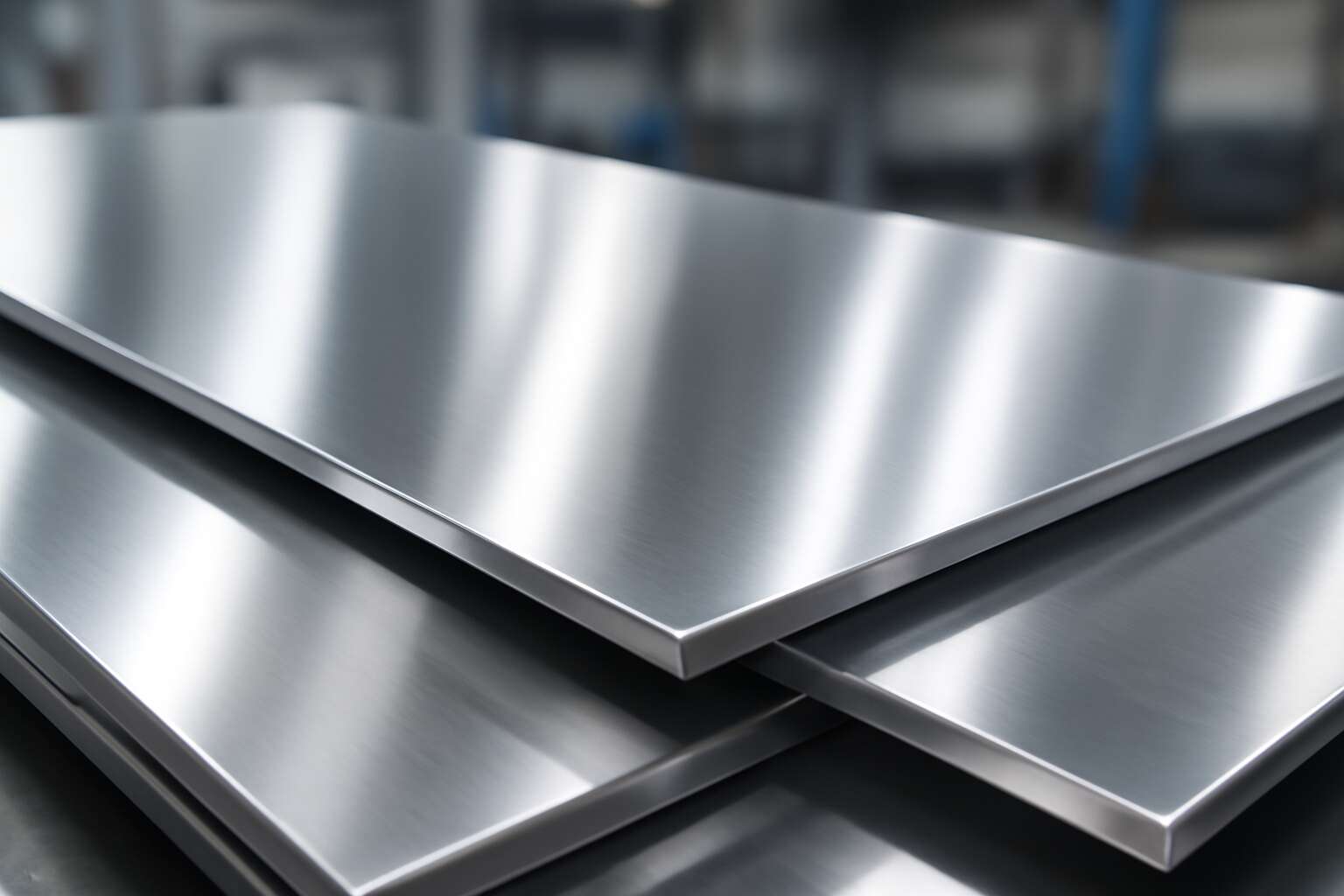
Understanding Stainless Alloy
Definition of Stainless Alloy
In the grand tapestry of engineering marvels, stainless alloy stands as a beacon of resilience and elegance, woven with threads of scientific ingenuity and centuries-old craftsmanship. This remarkable material, forged through an intricate blend of elements, embodies the very essence of durability and corrosion resistance. It’s no exaggeration to say that stainless alloy has revolutionised industries, transforming once fragile structures into enduring monuments of modernity.
At its core, stainless alloy is defined by its unique composition—primarily iron, combined with varying amounts of chromium, nickel, and other elements that bestow it with its coveted properties. The chromium content, typically exceeding 10.5%, forms a protective oxide layer that shields the material from oxidation and rust. Depending on the alloy’s specific composition, it can be categorised into various types, each suited to different applications and environments, from culinary tools to aerospace components.
- Corrosion resistance
- High tensile strength
- Ease of maintenance
Understanding the delicate dance of elements within stainless alloy unlocks the secret to its versatility and robustness. It’s a material that not only withstands the relentless march of time but also adapts seamlessly to the needs of innovative industries worldwide.
History and Evolution
The journey of stainless alloy is a captivating narrative of human ingenuity meeting natural resilience. Since its inception in the early 20th century, this extraordinary material has undergone a remarkable evolution, driven by the relentless pursuit of durability and corrosion resistance. Initially discovered by accident, the development of stainless alloy marked a turning point in metallurgy, transforming industries and reshaping architectural paradigms.
Throughout its history, the alloy’s composition was refined through a series of pioneering experiments. These innovations led to the creation of various stainless alloy types, each tailored to specific environmental challenges. From the utilitarian steel used in kitchens to the high-performance variants employed in aerospace, the adaptability of stainless alloy continues to inspire progress. Its evolution is a testament to the enduring human desire to blend beauty with resilience, forging a future where materials stand resilient against the tests of time and nature.
Types of Stainless Alloys
Understanding the diverse world of stainless alloy reveals a fascinating spectrum of materials, each meticulously engineered for specific applications. These alloys aren’t just one-size-fits-all; their unique compositions unlock a multitude of properties that cater to everything from culinary brilliance to aerospace resilience. The secret lies in their varied types, each with distinct characteristics that make them indispensable in modern industry.
Among the most common are the austenitic stainless alloys, renowned for their exceptional corrosion resistance and formability. Martensitic stainless alloys, on the other hand, excel in hardness and tensile strength, making them ideal for cutlery and tools. Ferritic stainless alloys offer a more economical solution, with decent corrosion resistance and magnetic properties that suit automotive components. To truly grasp their potential, it’s helpful to recognise the different categories:
- Austenitic stainless alloy: Non-magnetic, highly corrosion-resistant, used extensively in kitchen appliances and medical instruments.
- Ferritic stainless alloy: Magnetic, good corrosion resistance, often employed in automotive exhaust systems.
- Martensitic stainless alloy: Hard and durable, perfect for cutlery, surgical instruments, and industrial blades.
Exploring these types of stainless alloy not only highlights their versatility but also underscores how each variant is tailored to meet the demanding needs of specific environments. This remarkable adaptability is what keeps stainless alloy at the forefront of materials science, continuously pushing boundaries and inspiring innovation across industries.
Types of Stainless Alloys and Their Applications
Austenitic Stainless Alloys – Array
When it comes to stainless alloys, the Austenitic variation is undoubtedly the showstopper in many applications. Known for its exceptional corrosion resistance and impressive ductility, Austenitic stainless alloys are the go-to choice for everything from kitchen appliances to chemical processing equipment. With their face-centred cubic crystal structure, they offer a remarkable blend of strength and flexibility—making them the chameleons of the stainless alloy world.
These alloys typically contain high levels of chromium and nickel, which work together to prevent rust and withstand harsh environments. Interestingly, Austenitic stainless alloys are non-magnetic and can be easily welded, adding to their versatility. They’re often used in medical devices, food processing machinery, and architectural facades—proof that their robust yet malleable nature makes them indispensable in sectors demanding both durability and aesthetic appeal.
For those wondering about the variety within this category, here’s a quick rundown:
- Type 304: The classic all-rounder, perfect for domestic and industrial uses alike.
- Type 316: The corrosion-resistant superstar, ideal for marine and chemical environments.
- Type 321: The high-temperature hero, frequently found in exhaust systems and heat exchangers.
In essence, Austenitic stainless alloys are the Swiss Army knives of the stainless alloy universe—adaptable, reliable, and ever-present in our daily lives.
Ferritic Stainless Alloys – Array
While Austenitic stainless alloys often steal the spotlight with their versatility and corrosion resistance, Ferritic stainless alloys are quietly redefining durability—particularly in environments where magnetic properties and cost-effectiveness matter. These alloys are characterised by their body-centred cubic crystal structure, which grants them excellent resistance to stress corrosion cracking and high temperatures. Imagine a material that combines resilience with a certain understated charm—Ferritic stainless alloy fits that bill perfectly.
Typically, these alloys contain high levels of chromium—often between 10.5% and 27%—but lack the nickel content that makes Austenitic varieties so popular. This difference not only makes Ferritic stainless alloys more budget-friendly but also less malleable, which can be a blessing or a curse depending on the application. For instance, they are often employed in automotive exhaust systems, kitchen appliances, and industrial piping, where their magnetic nature and corrosion resistance shine.
- Automotive: Ferritic stainless alloys excel in exhaust systems, thanks to their high-temperature stability.
- Architecture: Their magnetic qualities are useful in building facades and decorative elements.
- Industrial Equipment: These alloys withstand aggressive chemicals and extreme environments with remarkable aplomb.
In the grand tapestry of stainless alloy options, Ferritic stainless alloys are the stalwart, offering a steadfast blend of affordability, corrosion resistance, and magnetic properties—an often underrated hero in the world of stainless steel engineering.
Martensitic Stainless Alloys – Array
Among the various types of stainless alloy, martensitic stainless alloys stand out for their remarkable strength and hardness. Known for their ability to be heat-treated, these alloys are ideal for applications demanding durability and wear resistance. Unlike their Austenitic or Ferritic counterparts, martensitic stainless alloys are magnetic and less corrosion-resistant, but they excel where mechanical properties take precedence.
Commonly used in cutlery, surgical instruments, and valve components, martensitic stainless alloy offers a unique combination of toughness and sharpness. Their composition typically includes higher carbon levels, which enhance hardness but can reduce corrosion resistance. This makes them perfect for environments where mechanical performance outweighs resistance to extreme chemical exposure.
- Cutlery and kitchen tools
- Medical instruments
- Industrial valves and pumps
With their specialised properties, martensitic stainless alloys continue to carve out a crucial niche in the world of stainless steel engineering. Their ability to be tailored through heat treatment provides a level of versatility that keeps them relevant across diverse industries.
Duplex Stainless Alloys – Array
Within the intricate universe of stainless alloys, duplex stainless alloys emerge as a fascinating synthesis of strength, corrosion resistance, and versatility. These alloys, often regarded as the confluence of ferritic and austenitic structures, offer a harmonious blend that defies conventional categorisation. Known for their exceptional durability, duplex stainless alloys are increasingly sought after in demanding environments where both mechanical integrity and chemical resilience are paramount.
Their unique microstructure imparts a high resistance to stress corrosion cracking, making them ideal for use in the chemical industry, oil and gas extraction, and marine applications. Unlike other stainless alloys, duplex variants can withstand aggressive chemical exposure while maintaining impressive strength. This dual-phase composition is a testament to the ingenuity of modern metallurgy, allowing engineers to push boundaries with materials that embody resilience and adaptability.
- Corrosion resistance in chloride-rich environments
- High tensile strength suitable for structural components
- Enhanced weldability compared to other stainless alloys
This combination of properties ensures duplex stainless alloys remain a strategic choice for projects demanding longevity and performance. As industries evolve, the importance of advanced stainless alloys becomes ever more evident, especially when durability and reliability are non-negotiable. Truly, duplex stainless alloys exemplify the sophisticated potential of stainless alloy technology in shaping a resilient future.
Precipitation Hardening Stainless Alloys – Array
Precipitation hardening stainless alloys stand out as an intriguing subset of stainless alloy technology, captivating engineers with their remarkable combination of strength and corrosion resistance. These alloys, often called age-hardenable, undergo a controlled heat treatment process that causes fine precipitates to form within the microstructure, dramatically boosting their mechanical properties. This unique characteristic makes them indispensable in high-performance applications where both durability and precision are paramount.
The versatility of precipitation hardening stainless alloys is evident across industries—ranging from aerospace to medical devices—where their ability to retain strength at elevated temperatures is highly valued. Their adaptability is further enhanced by excellent weldability and corrosion resistance, setting them apart from other stainless alloys. When project demands push the boundaries of material performance, these alloys frequently emerge as the strategic choice to meet rigorous standards.
Key Composition and Properties
Chemical Composition
Stainless alloy’s core strength lies in its precise chemical composition. The balance of elements determines its corrosion resistance, durability, and specific properties. Typically, chromium makes up at least 10.5% of the alloy, creating a thin, passive oxide layer that shields the material from rust and degradation. Nickel, added in varying amounts, enhances toughness and formability, especially in austenitic stainless alloys. Molybdenum boosts resistance against pitting and crevice corrosion, making the alloy suitable for harsh environments.
Understanding the chemical makeup provides insight into its versatile applications. For example, ferritic stainless alloys rely primarily on chromium, with minimal nickel, offering excellent corrosion resistance at a lower cost. Martensitic variants, meanwhile, contain higher carbon levels, providing hardness and strength for specialised uses.
- Chromium – typically 10.5% to 30%
- Nickel – ranges from 8% to 15%
- Molybdenum – up to 3%
- Carbon – varies, influencing hardness
This chemical diversity allows stainless alloy to adapt seamlessly across industries, from aerospace to culinary equipment, showcasing its remarkable resilience and customisability. When selecting the right stainless alloy, understanding its chemical composition is crucial for optimal performance and longevity in demanding conditions.
Corrosion Resistance
The resilience of a stainless alloy hinges on its key composition, where specific elements work in harmony to deliver exceptional properties. Chromium, often constituting between 10.5% and 30%, forms a passive oxide shield that protects the material from rust and corrosion, even in challenging environments. Nickel, ranging from 8% to 15%, enhances toughness and ensures the alloy remains flexible and easy to shape. Molybdenum, up to 3%, significantly boosts resistance against pitting and crevice corrosion, making stainless alloys ideal for marine or chemical industries.
Understanding the key composition of stainless alloy reveals why it performs reliably across diverse applications. Its corrosion resistance is particularly impressive, owing to the precise balance of elements that form a durable, protective layer. These attributes make stainless alloy not just a material of choice for everyday kitchen equipment but also a vital component in aerospace, medical, and construction sectors. When selecting the right stainless alloy, recognising its composition and inherent properties can mean the difference between enduring performance and premature failure.
Mechanical Strength
When it comes to stainless alloy, the secret sauce lies in its carefully balanced chemical composition, which imparts both durability and resilience. The magic begins with elements like chromium, nickel, and molybdenum—each playing a pivotal role in defining the alloy’s properties. Chromium, for instance, forms a passive oxide layer that acts as a knight’s shield against rust and corrosion, making the alloy suitable for harsh environments. Nickel adds a touch of flexibility and toughness, vital for applications that demand shape-shifting prowess without cracking under pressure.
But it’s not just about corrosion resistance. Mechanical strength is the backbone of any good stainless alloy. Its ability to withstand stress, impact, and fatigue hinges on its specific composition and microstructure. For example, some stainless alloys boast impressive tensile strength, making them ideal for demanding industrial applications. To understand the full spectrum of capabilities, consider how different elements influence properties like hardness, ductility, and wear resistance. This unique blend ensures stainless alloy remains a favourite—from bustling kitchens to the high-stakes realm of aerospace engineering.
Heat Resistance
When it comes to stainless alloy, heat resistance is the unsung hero—often overshadowed by its flashier cousins of corrosion resistance and mechanical strength. Yet, in industries where temperatures soar and materials must hold their ground, the true marvel of stainless alloy reveals itself. Its composition, carefully engineered with elements like molybdenum and nickel, grants it the ability to withstand extreme heat without losing integrity. This resilience is crucial for applications ranging from aerospace turbines to culinary equipment that bravely faces boiling water and fiery ovens.
Key to its heat resistance is the formation of stable oxide layers that act as thermal shields, preventing the alloy from melting or warping under intense conditions. For example, certain stainless alloys are designed with a high chromium content, providing an armour-like barrier against oxidation at elevated temperatures. Interestingly, some stainless alloys are classified as “high-temperature resistant” because they maintain their hardness and microstructural stability even when temperatures climb well above 600°C. This unique trait ensures that the alloy doesn’t just survive but thrives in environments where other materials would simply give up the ghost.
Magnetic Properties
At the heart of every high-performance stainless alloy lies a carefully balanced chemical composition that defines its unique properties. Elements such as chromium, nickel, molybdenum, and sometimes titanium or niobium, work in concert to forge a resilient and adaptable material. Chromium, in particular, is the cornerstone, forming a passive oxide layer that shields the alloy from corrosion and enhances its durability. This layer’s stability underpins not just corrosion resistance but also influences the alloy’s magnetic properties—an aspect often overlooked yet vital in many industrial applications.
Speaking of magnetic properties, stainless alloy can be categorised broadly into magnetic and non-magnetic types. Ferritic stainless alloys, with their high chromium content, display strong magnetic characteristics, making them suitable for electrical appliances and motors. Conversely, austenitic stainless alloys tend to be non-magnetic due to their face-centred cubic crystal structure, although they can become slightly magnetic when subjected to cold working. This variability allows engineers to select the perfect steel for specific environments and functional needs.
- Ferritic stainless alloys are naturally magnetic, owing to their crystalline structure.
- Austenitic stainless alloys typically exhibit non-magnetic behaviour, but this can change with processing methods.
- Martensitic stainless alloys offer a moderate level of magnetism, blending strength with magnetic responsiveness.
Understanding these nuanced magnetic properties alongside the composition of stainless alloy opens up a world of possibilities—from precision electrical components to specialised culinary tools—highlighting why the composition and magnetic behaviour of stainless alloy are critical considerations in advanced material science.
Benefits of Using Stainless Alloy
Durability and Longevity
Stainless alloy is renowned for its exceptional durability, making it a preferred choice in demanding environments. Its resistance to wear and tear ensures that structures remain intact over decades, often surpassing the lifespan of traditional materials. This longevity translates into significant cost savings, as maintenance and replacement costs are minimised dramatically.
Beyond resistance, the inherent strength of stainless alloy confers a robustness that withstands extreme conditions. Whether exposed to corrosive chemicals or fluctuating temperatures, a high-quality stainless alloy maintains its integrity, proving its worth in industries from construction to aerospace. Its ability to endure the test of time is a testament to its superior composition and engineering.
For applications demanding both resilience and reliability, stainless alloy offers unparalleled benefits. Its extended lifespan not only enhances safety but also sustains aesthetic appeal, even after years of exposure. In a world where durability defines value, choosing stainless alloy is a strategic decision that guarantees long-term performance and peace of mind.
Corrosion and Rust Resistance
Imagine a material that defies the relentless assault of nature and time—stainless alloy stands as a testament to this marvel. Its innate resistance to corrosion and rust elevates it beyond mere utility, transforming it into an almost magical guardian of durability. When exposed to the elements, stainless alloy’s protective oxide layer acts like an invisible shield, preventing moisture, acids, and salts from compromising its integrity.
This resistance isn’t just about appearance; it’s a crucial benefit that ensures structures remain pristine and functional for decades. For industries where safety and longevity are paramount, stainless alloy’s corrosion resistance reduces the need for frequent repairs and replacements. It’s a strategic choice that guarantees peace of mind and sustained aesthetic appeal over time.
- Reduced maintenance costs due to its resistance to rust and corrosion.
- Enhanced safety, as structural integrity remains uncompromised in harsh environments.
- Consistent appearance, with the alloy maintaining its shine and finish for years.
In environments prone to chemical exposure or extreme weather, stainless alloy’s remarkable ability to withstand corrosion transforms it into an invaluable asset. Its resilience not only prolongs the lifespan of constructions but also unlocks possibilities for innovative, long-lasting designs. Truly, stainless alloy is the unsung hero in industries demanding unwavering reliability and enduring beauty.
Ease of Maintenance
One of the most compelling reasons to choose stainless alloy is its ease of maintenance, which translates into significant savings over the lifespan of a project. Unlike other materials that require frequent cleaning or protective treatments, stainless alloy’s inherent resistance to rust and corrosion means it stays pristine with minimal effort. Its smooth, non-porous surface prevents dirt and grime from embedding, making routine cleaning straightforward and efficient.
For industries demanding impeccable hygiene and appearance, stainless alloy offers a natural advantage. Regular wiping with mild detergents or water keeps it looking as good as new, even after years of exposure to harsh environments. This durability not only preserves aesthetic appeal but also reduces downtime, ensuring operations run smoothly without the interruption of costly maintenance.
In environments prone to chemical exposure or extreme weather, stainless alloy’s resilience shines brighter. Its corrosion-resistant properties allow it to withstand challenges that would quickly degrade other materials. This enduring quality makes stainless alloy an ideal choice for architectural structures, kitchen equipment, and outdoor installations, where longevity and minimal upkeep are paramount.
Aesthetic Appeal
Stainless alloy is renowned not only for its robustness but also for its striking aesthetic appeal. Its sleek, modern look has made it a favourite in architecture, interior design, and culinary environments alike. The reflective surface of stainless alloy lends a sense of sophistication and cleanliness, instantly elevating any space or product it graces.
One of the most alluring qualities of stainless alloy is its versatility in achieving various visual effects. Whether aiming for a high-gloss mirror finish or a more subdued brushed texture, stainless alloy adapts effortlessly. This flexibility allows designers and engineers to create visually stunning structures that also perform reliably under demanding conditions.
Furthermore, stainless alloy’s natural shimmer and colour consistency ensure a uniform appearance that ages gracefully. Unlike other materials susceptible to colour fading or tarnishing, stainless alloy maintains its brilliant finish for decades. It’s this combination of durability and visual appeal that makes stainless alloy a top choice for creating eye-catching, long-lasting designs.
Environmental Benefits
Stainless alloy stands as a beacon of sustainable innovation in modern manufacturing, with its environmental benefits echoing across industries. Its durability means structures and products made from stainless alloy can last decades, significantly reducing the need for replacements and waste. This longevity not only conserves resources but also diminishes the environmental footprint associated with frequent manufacturing cycles.
Moreover, stainless alloy is inherently recyclable. Unlike many materials that end up in landfills, stainless alloy can be reclaimed and repurposed repeatedly without losing its core properties. This closed-loop cycle supports a circular economy, reducing raw material extraction and energy consumption.
For those committed to eco-friendly practices, choosing stainless alloy is a conscious decision that aligns with sustainability goals. Its resistance to corrosion and rust means fewer chemicals and less maintenance are needed over time, further lowering environmental impact. In essence, stainless alloy offers a harmonious blend of beauty, strength, and ecological responsibility—truly making it a material of the future.
Common Industries Utilizing Stainless Alloy
Construction and Architecture
Stainless alloy isn’t just a fancy term tossed around by metallurgists; it’s the backbone of countless industries where resilience and aesthetic appeal are non-negotiable. From the gleaming facades of iconic skyscrapers to the inner workings of high-performance machinery, this versatile material proves its mettle time and again. Its remarkable resistance to corrosion and rust makes it the preferred choice for environments that would make other materials weep and rust away.
In the world of construction and architecture, stainless alloy is the silent hero. It’s the reason why bridges withstand harsh weather, and why kitchens stay pristine despite relentless culinary assaults. Some industries even leverage its magnetic properties for specialised applications, while others revel in its durability and longevity. Whether it’s a sleek stainless steel sculpture or a vital component in chemical processing plants, the presence of stainless alloy is undeniable.
- Architectural marvels that demand both form and function
- Food processing facilities where hygiene is paramount
- Oil and gas sectors relying on corrosion-resistant materials
- Automotive industries seeking strength without weight
Automotive Industry
The automotive industry’s insatiable appetite for innovation has turned to stainless alloy as its steadfast companion. With vehicles demanding lighter frames without compromising strength, stainless alloy offers an impeccable balance—combining durability with weight efficiency. This resilient metal resists the corrosive rigours of road salt and environmental pollutants, ensuring that cars not only perform optimally but also maintain their lustrous appeal over time.
Moreover, the utilisation of stainless alloy in manufacturing exhaust systems, chassis components, and decorative trims has become commonplace. Its magnetic properties are harnessed in sensors and electronic systems, while its ease of maintenance means fewer costly repairs down the line. Some manufacturers even leverage its aesthetic appeal for customised finishes that elevate vehicle design to artful heights.
In a sector where safety, longevity, and style are non-negotiable, stainless alloy stands out as the silent hero. Here’s a quick overview of its key roles:
- Corrosion-resistant exhaust systems that withstand the elements
- Lightweight yet robust structural components
- Decorative and protective trims with enduring shine
Medical and Healthcare
Stainless alloy’s versatility extends far beyond the automotive realm, finding profound applications in the medical and healthcare industries. Its exceptional corrosion resistance and biocompatibility make it an ideal material for critical components that demand both durability and sterility. Hospitals rely on stainless alloy for surgical instruments, where its ability to withstand repeated sterilisation cycles ensures safety and longevity. Similarly, dental implants and prosthetic devices benefit from its strength and compatibility with human tissue, reducing the risk of adverse reactions.
In addition, stainless alloy is integral to manufacturing medical devices, such as imaging equipment and surgical tools, where precision and hygiene are paramount. The material’s ease of cleaning and maintenance helps minimise infection risks and operational costs. Its magnetic properties are harnessed in MRI machines, while its aesthetic appeal adds a touch of sophistication to medical appliances. This confluence of attributes underscores stainless alloy’s vital role in advancing healthcare technology—an unsung hero in safeguarding human well-being.
Food Processing and Equipment
Stainless alloy’s resilience isn’t limited to the medical world — it’s also a powerhouse in food processing and equipment manufacturing. In fact, the food industry relies heavily on stainless alloy for its ability to withstand harsh cleaning regimes, resist corrosion, and maintain hygiene standards.
From conveyor belts to mixing tanks, stainless alloy ensures safety and longevity in environments where cleanliness is paramount. Its resistance to food acids and cleaning chemicals makes it an ideal choice for processing plants, reducing maintenance costs and downtime. The durability of stainless alloy means it can endure the rigours of continuous use without losing its integrity.
Industries such as dairy, beverage production, and meat processing depend on stainless alloy for equipment that must perform flawlessly under demanding conditions. Its ease of cleaning and sanitary properties help prevent bacterial growth, safeguarding consumer health. This combination of strength and hygiene cements stainless alloy’s role as an unsung hero in the food industry, ensuring that safety and efficiency are never compromised.
Aerospace and Defense
In the vast theatre of technological innovation, stainless alloy plays a starring role, especially within the realm of aerospace and defence. Its exceptional strength-to-weight ratio ensures that aircraft soar confidently through the sky, unburdened by the fear of corrosion or fatigue. The metal’s resilience under extreme temperature fluctuations and its ability to withstand the relentless forces of flight make it indispensable for crafting aircraft frames, engine components, and structural fastenings.
For military applications, stainless alloy’s durability is truly a game-changer. It fortifies naval vessels, missile systems, and defence equipment, standing as a silent sentinel against the corrosive embrace of saltwater and harsh environmental conditions. Its magnetic properties and heat resistance further enhance its appeal, allowing it to perform flawlessly in demanding scenarios where safety and reliability are paramount.
Industries such as aerospace and defence rely heavily on stainless alloy to push the boundaries of possibility, transforming abstract engineering dreams into tangible marvels of modern innovation. The alloy’s ability to marry strength with corrosion resistance, all while maintaining aesthetic integrity, cements its position as an unassailable cornerstone of high-performance engineering. Truly, stainless alloy embodies the spirit of resilience, propelling humanity to new heights amidst the clouds and beyond.
Choosing the Right Stainless Alloy
Factors to Consider
Choosing the right stainless alloy can feel like navigating a labyrinth of shimmering options, each with its own whisper of strength and resilience. When selecting a stainless alloy, it’s essential to consider the specific environment in which it will be utilised. Factors such as corrosion resistance, mechanical strength, and heat tolerance are paramount—each alloy type offers a unique symphony of these qualities.
For example, certain stainless alloys excel in high-temperature settings, making them ideal for industrial applications or aerospace components. Conversely, others shine with their ease of maintenance and aesthetic appeal, perfect for architectural marvels or culinary equipment.
A thoughtful approach involves evaluating the alloy’s composition and how it aligns with your project’s demands. You might find it helpful to compare options based on the following criteria:
- Corrosion resistance in specific environments
- Mechanical strength for load-bearing applications
- Heat resistance for thermal stability
- Magnetic properties relevant to specific uses
- Ease of fabrication and maintenance
Ultimately, a well-chosen stainless alloy isn’t just a material; it’s a steadfast partner in your project’s journey—resilient, enduring, and quietly powerful.
Cost vs. Performance
Choosing the right stainless alloy often feels like balancing a tightrope between cost and performance. It’s tempting to opt for cheaper options, but this can sometimes compromise durability and long-term resilience. When evaluating a stainless alloy, it’s vital to consider how its performance aligns with your budget. A high-quality alloy might cost more upfront but can save money in maintenance and replacement over time.
In many cases, the true value of a stainless alloy lies in its ability to withstand harsh environments, resist corrosion, and provide consistent strength. For applications demanding high heat resistance or specific magnetic properties, investing in a premium alloy can be a game-changer. Conversely, projects with less intensive requirements might benefit from more economical options that still meet essential criteria.
Ultimately, weighing cost against performance requires a clear understanding of your project’s demands. Sometimes, the most affordable stainless alloy isn’t the best choice — because durability and longevity often translate into savings over time. A thoughtful comparison based on these factors ensures you select an alloy that offers both value and resilience.
Standards and Certifications
Choosing a stainless alloy that meets industry standards and certifications is crucial for ensuring quality and performance. Reputable standards such as ASTM, ISO, and EN specify precise requirements for chemical composition, mechanical properties, and corrosion resistance. Ensuring that your stainless alloy complies with these certifications can significantly reduce the risk of failure and prolong its lifespan.
When selecting a stainless alloy, verify its certification documentation. This provides assurance that the material has undergone rigorous testing and adheres to recognised benchmarks. For industries like aerospace, medical, and food processing, these standards are not optional—they are essential.
In addition, some projects may require specific tests, such as non-destructive testing or heat treatment certifications, to validate performance under demanding conditions. Prioritising certified stainless alloy options not only guarantees durability but also aligns with regulatory compliance, ultimately safeguarding your investment.
Supplier Selection Tips
Choosing the right stainless alloy supplier is a decision that can influence the durability and performance of your project for years to come. A reputable supplier offers more than just quality stainless alloy; they provide a partnership rooted in trust and transparency. It’s essential to verify that your supplier adheres to industry standards and certifications, ensuring the material meets rigorous benchmarks for chemical composition, mechanical strength, and corrosion resistance.
When evaluating potential suppliers, consider their track record in delivering certified stainless alloy that complies with recognised standards such as ASTM, ISO, or EN. These certifications are proof of meticulous testing and quality assurance. Moreover, a supplier who provides detailed certification documentation demonstrates their commitment to transparency and quality control—an invaluable assurance for high-stakes industries like aerospace, medical, or food processing.
To streamline your selection process, remember to assess factors such as supply chain reliability, capacity for custom orders, and after-sales support. Prioritising these aspects guarantees that your stainless alloy will perform optimally under demanding conditions, ultimately safeguarding your investment and ensuring long-term project success.
Maintenance and Care for Stainless Alloy Materials
Cleaning Tips
Maintaining the pristine appearance and integrity of stainless alloy materials requires more than just a quick wipe. Regular cleaning and proper care can extend the lifespan of stainless alloy components, ensuring they retain their corrosion resistance and aesthetic appeal. Surprisingly, many users overlook simple practices that make a significant difference in preserving these materials.
For routine cleaning, use mild soap and warm water to remove dirt and grease. Avoid harsh chemicals or abrasive scrubbers, as they can damage the surface and compromise its protective layer. Instead, employ soft cloths or non-abrasive sponges that gently lift contaminants. When stubborn stains or deposits threaten the finish, a mixture of baking soda and water applied with a soft cloth can work wonders.
- Never use bleach or chlorine-based cleaners, as they can corrode the surface over time.
- Dry thoroughly after cleaning to prevent water spots or mineral deposits.
- Apply a specialised stainless alloy polish periodically to restore shine and add an extra layer of protection.
Keeping stainless alloy in top condition doesn’t have to be complicated. With consistent, careful maintenance, these durable materials will serve reliably and look impressive for years to come.
Preventing Corrosion
Maintaining the integrity of stainless alloy is an exercise in vigilance and respect for its resilient yet vulnerable nature. Despite its reputation for corrosion resistance, stainless alloy can succumb to environmental aggressors if not properly cared for. The key to preventing corrosion lies in understanding that even the toughest materials require gentle, consistent maintenance.
Regular cleaning is essential. Use a soft cloth and a mild, non-abrasive cleaner to eliminate dirt and prevent the build-up of harmful substances. Avoid harsh chemicals like bleach or chlorine-based cleaners, which can erode the protective surface layer of stainless alloy. Instead, opt for natural remedies such as baking soda paste, which gently lifts stubborn stains without compromising the material’s integrity.
In addition, a periodic application of specialised stainless alloy polish can restore its lustrous finish and add an extra shield against corrosion. Remember, thorough drying after each cleaning prevents water spots or mineral deposits that can initiate corrosion over time. By treating stainless alloy with consistent, careful attention, you ensure its durability and beauty are preserved for decades to come.
Repair and Refurbishing
Stainless alloy, renowned for its resilience and gleaming appeal, demands a delicate touch when it comes to repair and refurbishing. Even the most durable materials are susceptible to wear and tear over time, especially when exposed to environmental forces. Proper maintenance not only preserves its lustrous finish but also extends the lifespan of your investment.
When restoring stainless alloy, gentle cleaning methods are paramount. Use soft cloths and non-abrasive cleaners to gently remove dirt and mineral deposits. For stubborn stains, natural solutions like baking soda paste can be surprisingly effective, lifting blemishes without compromising the alloy’s protective surface. Regular inspection for signs of corrosion or damage allows for timely intervention, preventing minor issues from escalating into costly repairs.
For refurbishing, specialised stainless alloy polish can work wonders—restoring the material’s original sheen while adding an extra layer of protection against corrosion. If repairs are needed, consider the use of compatible welding techniques or chemical treatments tailored explicitly for stainless alloy. These steps ensure that the material’s mechanical strength and aesthetic appeal are maintained, making it look as pristine as the day it was first installed.
- Gentle cleaning with soft cloths and mild, non-abrasive cleaners
- Application of specialised stainless alloy polish to restore lustre
- Periodic inspections for corrosion or damage
- Utilising compatible repair techniques for refurbishment
With a keen eye and consistent care, the enchanting durability of stainless alloy can be preserved, allowing it to continue shining brightly amidst the elements and the test of time.


0 Comments