
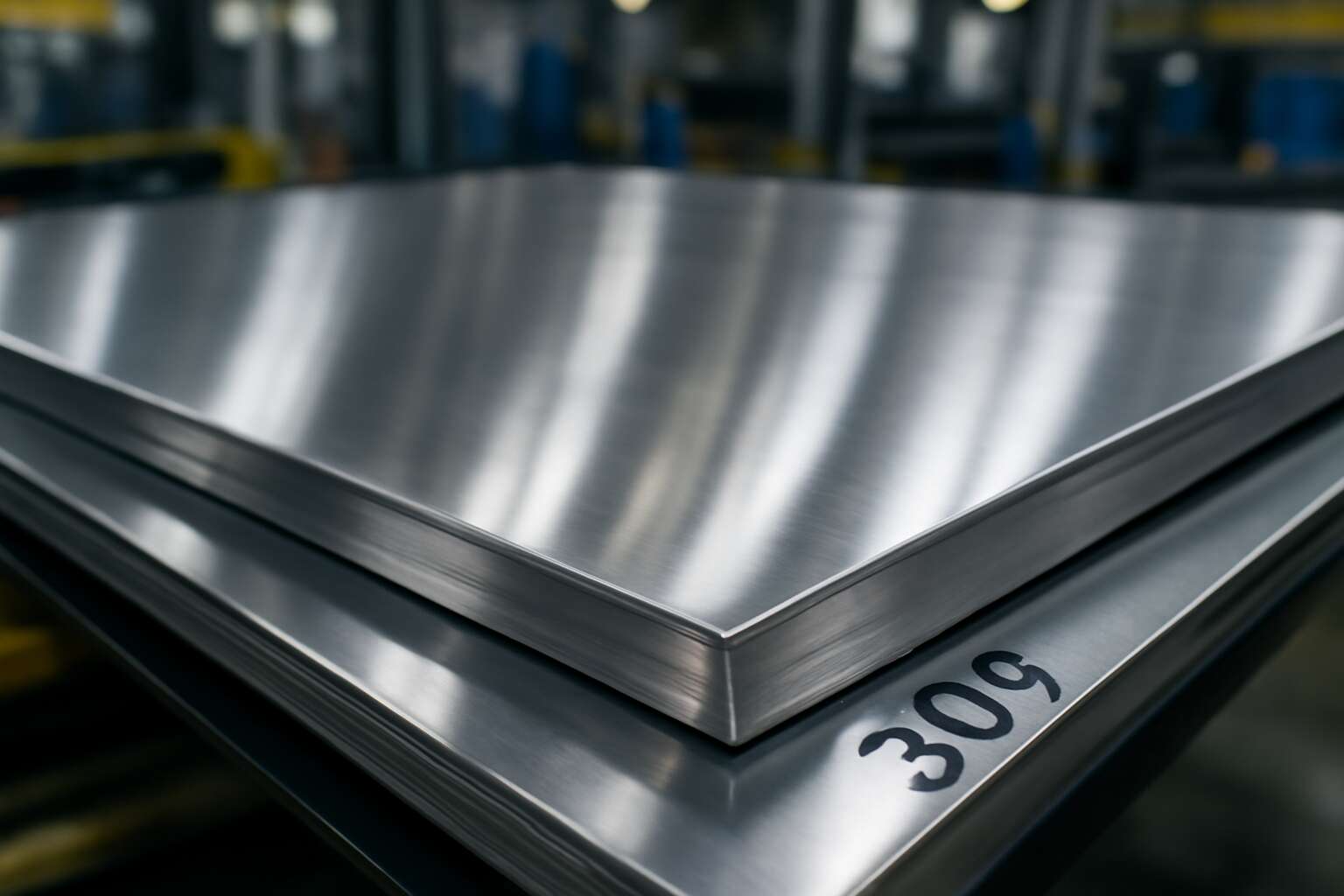
Understanding Stainless Steel 304
Overview of Stainless Steel 304
Stainless steel 304 stands as the unassuming hero of countless modern marvels, from gleaming kitchen appliances to towering architectural structures. Its popularity isn’t just a matter of aesthetics—it’s rooted in resilience, versatility, and a dash of sophistication. As the backbone of many industries, understanding the nuances of stainless steel 304 price becomes essential, especially when budgeting for large-scale projects.
This particular alloy boasts an impressive blend of corrosion resistance and durability, making it a favourite among engineers and designers alike. When contemplating stainless steel 304, it’s intriguing to note that its composition typically contains 18% chromium and 8% nickel, which together confer the sought-after properties that make it both practical and prestigious.
- Corrosion resistance
- Ease of fabrication
- Long-term aesthetic appeal
In the realm of pricing, fluctuations are often driven by raw material costs, global supply chains, and demand for construction or manufacturing. The stainless steel 304 price, therefore, can vary significantly depending on these factors, prompting many to keep a keen eye on market trends. After all, in the dance of economy and industry, even a modest change in price can ripple across budgets and timelines. It’s a fascinating interplay that keeps procurement managers and enthusiasts alike perpetually engaged.
Key Properties and Benefits
Understanding the intrinsic qualities of stainless steel 304 reveals why it commands such consistent demand—despite the fluctuating stainless steel 304 price. Its resilience against corrosion isn’t merely a practical feature; it’s a testament to its existential robustness in an unpredictable world. This alloy’s unique composition, primarily 18% chromium and 8% nickel, imbues it with a harmony of strength and flexibility that withstands the relentless passage of time.
Beyond mere durability, stainless steel 304 offers ease of fabrication, making it a favourite for intricate architectural designs and high-precision manufacturing. Its ability to be welded, cut, and shaped without compromising integrity means that no project is too ambitious. The long-term aesthetic appeal, maintained through minimal maintenance, transforms functional structures into visual statements—an attribute that elevates its value, regardless of the current stainless steel 304 price.
In the ever-shifting landscape of raw material costs and global supply chains, the stainless steel 304 price becomes a barometer of industry health. Fluctuations often mirror geopolitical tensions, resource scarcity, or surges in demand—each a reminder of how interconnected our projects are with larger economic currents. Whether for large-scale construction or specialised manufacturing, understanding these nuances offers a deeper appreciation of the true worth embedded within the stainless steel 304 price.
Common Applications
Stainless steel 304 has become an enduring symbol of resilience and elegance, finding its way into diverse industries with remarkable versatility. Its resilience against corrosion and ease of fabrication make it an ideal choice for applications where durability and aesthetic appeal are paramount. The stainless steel 304 price often reflects the extensive utility and demand for this alloy, highlighting its status as a cornerstone of modern construction and manufacturing.
Among its most common applications are architectural facades, kitchen equipment, and medical devices. Its corrosion resistance ensures longevity in environments subject to moisture or chemicals, allowing structures and tools to maintain their pristine appearance over time. In the realm of architecture, stainless steel 304 lends a sleek, contemporary aesthetic that elevates urban landscapes and interior designs alike.
For industrial purposes, especially in food processing and pharmaceutical sectors, stainless steel 304’s hygienic qualities are indispensable. Its seamless surfaces and resistance to bacterial growth make it a favourite among professionals committed to safety and cleanliness. The stainless steel 304 price varies in response to market conditions, yet its enduring relevance remains unaffected by fluctuations—testament to its unassailable value in sectors that demand both form and function.
Factors Influencing Stainless Steel 304 Price
Raw Material Costs
In the shadowed corridors of global markets, the stainless steel 304 price flickers like a ghostly spectre, driven by unseen forces that shape its elusive value. Raw material costs, the backbone of this metallic entity, are subject to a labyrinth of influences—each more enigmatic than the last. Fluctuations in nickel and chromium prices cast long, dark shadows, as these elements are vital to the alloy’s character.
Supply chain disruptions, often born from geopolitical unrest or natural calamities, transform the stainless steel 304 price into a volatile spectre that dances to the tune of international turbulence. Additionally, the scarcity of raw materials and the costs associated with extraction and processing loom large, whispering stories of economic upheaval and resource scarcity.
The intricate dance of these factors underscores a truth: the stainless steel 304 price is not merely a number, but a reflection of shadowy forces shaping our material world.
Global Supply Chain Dynamics
Amid the labyrinthine corridors of global commerce, the stainless steel 304 price remains a shadowy figure, unpredictable yet profoundly influential. Its fluctuations are driven not solely by market demand but by an intricate web of supply chain dynamics that can shift with alarming speed. Disruptions stemming from geopolitical tensions or natural calamities send ripples through the entire supply network, directly impacting the cost of raw materials like nickel and chromium—cornerstones of stainless steel 304.
To better understand the complexity, consider the following factors that orchestrate the ebb and flow of the stainless steel 304 price:
- Global supply chain stability or instability
- Availability of key raw materials and natural resource constraints
- Transportation costs influenced by fuel prices and logistical hurdles
When these elements align unfavourably, they amplify volatility, transforming the stainless steel 304 price into a fluctuating enigma that keeps industry insiders on edge. It’s a captivating dance of unseen forces, each tugging at the delicate balance of market value, reminding us that behind every price tag lies a story of global interconnectedness and economic tension.
Production and Manufacturing Costs
The cost of stainless steel 304 is a delicate tapestry woven from a multitude of production and manufacturing factors. While raw materials like nickel and chromium form the core of its composition, the journey from raw ingredient to finished product involves complex processes that influence the stainless steel 304 price significantly. Fluctuations in energy costs, labour wages, and technological advancements in manufacturing can either elevate or mitigate these expenses, adding layers of unpredictability to market prices.
At the heart of these influences lies the manufacturing process itself. Precision in production, quality control, and technological innovation all play vital roles. For instance, economies of scale achieved through large-scale production often help stabilise the stainless steel 304 price, making it more accessible to industries worldwide. Conversely, disruptions in supply chains or increases in energy tariffs can drive costs upward, creating a ripple effect that touches every facet of the steel’s market value.
- Raw material availability and cost fluctuations
- Technological advancements in manufacturing techniques
- Energy and labour expenses
When these elements converge unfavourably, the stainless steel 304 price becomes a moving target—an intricate ballet of economics and engineering that keeps industry insiders alert and adaptable. It’s a testament to the resilience of global markets, yet a reminder that behind every steel sheet lies a story of human ingenuity intertwined with economic tension.
Market Demand and Trends
The ebb and flow of market demand cast long shadows over the stainless steel 304 price, transforming it into a reflection of unseen currents within the industrial abyss. As industries pulse with activity—be it construction, automotive, or aerospace—their insatiable appetite for this resilient alloy fuels unpredictable shifts in price.
Fluctuations in global economic stability and raw material scarcity often serve as the dark catalysts behind these changes. When demand surges, suppliers grapple with limited capacity, pushing the stainless steel 304 price higher, like a rising tide threatening to engulf all in its path. Conversely, periods of lull can see prices retreat into the shadows, offering fleeting reprieve.
Intriguingly, market trends reveal that technological innovations—such as advanced manufacturing techniques—can temper these oscillations. These breakthroughs, while stabilising the stainless steel 304 price temporarily, also herald new eras of efficiency, yet they remain vulnerable to the capricious nature of global demand.
Quality Grade Variations
When it comes to the stainless steel 304 price, not all grades are created equal—some are the rock stars of the industry, while others play a more subdued role. Variations in grade quality can send the price on a rollercoaster ride! Higher-grade stainless steel 304, with its impeccable corrosion resistance and superior finish, naturally commands a premium. Meanwhile, lower grades may sneak in at a bargain, but often sacrifice durability and polish. This delicate dance of quality versus cost means buyers need to be mindful of their specific needs—because a cheaper stainless steel 304 price might end up costing more in repairs or replacements.
Understanding these differences can feel like decoding an ancient script, but here’s a quick rundown:
- Purely aesthetic projects often favour higher grades, pushing the stainless steel 304 price upward.
- Industrial applications prioritising strength over appearance might opt for a more economical grade, lowering the price.
- Specialised treatments or finishing processes can add to the overall cost, influencing the stainless steel 304 price even further.
In the end, the stainless steel 304 price is a reflection of both the raw material quality and the specific demands of the project—making it a puzzle worth solving for any savvy buyer!
Environmental and Regulatory Influences
Environmental and regulatory influences cast a long shadow over the stainless steel 304 price, often dictating the ebb and flow of market costs. Stricter environmental regulations around emissions and waste management can inflate production expenses, which are inevitably passed on to buyers. For example, stricter standards for waste disposal or sustainable sourcing may lead to higher manufacturing costs, nudging the stainless steel 304 price upward. Similarly, geopolitical policies and tariffs on raw materials can introduce unpredictable fluctuations, making it essential for buyers to stay informed.
Additionally, supply chain disruptions—such as those caused by natural disasters or political unrest—can quickly tighten the availability of raw materials. When demand remains steady but supply dwindles, the stainless steel 304 price naturally climbs. In some cases, governments introduce tariffs or restrictions that further influence costs, adding another layer of complexity. For industry professionals, understanding these environmental and regulatory factors is vital, as they can significantly impact project budgets and procurement strategies.
Current Market Trends and Price Fluctuations
Historical Price Trends
In the ever-shifting landscape of the metals market, the stainless steel 304 price dances like a shimmering mirage, influenced by currents both seen and unseen. Over recent months, fluctuations have been more pronounced, driven by geopolitical tensions and raw material scarcity. As industries from construction to culinary arts clamber for this resilient alloy, the price trend reveals a story of resilience and adaptation.
Historically, stainless steel 304 price fluctuations have mirrored broader economic tides, with prices peaking during periods of high demand and dwindling when supply chains face disruptions. For those tracking the market keenly, the following factors are crucial:
- Global supply chain stability
- Raw material costs, especially nickel and chromium
- Environmental policies affecting production
In a world where supply and demand are intertwined like threads in a tapestry, understanding the dynamic nature of stainless steel 304 price becomes essential for forecasting future trends and making strategic decisions. The ancient markets whisper of periods when prices soared, only to recede as new sources emerged or technological innovations lowered production costs, creating a fascinating mosaic of market history and potential futures.
Recent Price Changes
Recent shifts in the stainless steel 304 price reveal a market in flux. While demand remains robust across sectors like construction and manufacturing, prices have experienced notable volatility. This is partly due to fluctuating raw material costs, especially nickel and chromium, which are vital in producing stainless steel 304. As these input costs rise, so does the stainless steel 304 price, often causing supply chain delays and higher procurement costs.
Moreover, geopolitical tensions continue to influence market stability. Sanctions, trade restrictions, and regional conflicts disrupt supply chains, leading to unpredictable price swings. For buyers and suppliers alike, staying ahead of these trends is critical. Recent data indicates that the stainless steel 304 price has increased by approximately 5-8% over the past quarter, reflecting the current market pressures. Monitoring these factors helps forecast future movements and make strategic purchasing decisions.
In this environment, understanding the key drivers behind price fluctuations is essential. Factors such as raw material scarcity, environmental policies, and global economic shifts are shaping the stainless steel 304 price landscape more than ever before. Staying informed is the best way to navigate this dynamic market successfully.
Impact of Global Events
Current market trends for stainless steel 304 price are marked by a delicate balance of resilience and volatility. As global demand persists—particularly in construction, automotive, and food processing sectors—the price fluctuations reflect deeper shifts in the supply chain. Recent data suggests that the stainless steel 304 price has experienced a steady upward trajectory, driven largely by rising raw material costs and geopolitical uncertainties.
Global events continue to exert a profound influence on market stability. Regional conflicts, trade sanctions, and fluctuating tariffs create an unpredictable environment that impacts procurement costs and supply chain efficiency. To navigate these turbulent waters, industry players are paying closer attention to factors like nickel and chromium prices, which are crucial for stainless steel 304 production. For example, supply disruptions often lead to:
- Price surges in raw materials
- Extended lead times for manufacturing
- Increased costs affecting the overall stainless steel 304 price
While the stainless steel 304 price continues to trend upward, understanding the ripple effects of global economic shifts helps companies anticipate future movements. The interplay of supply constraints and regional geopolitical tensions ensures that prices will remain dynamic, demanding ongoing vigilance from buyers and suppliers alike.
Seasonal and Regional Variations
The current market for stainless steel 304 price is a tapestry woven with both resilience and unpredictability. While demand from sectors like construction and automotive remains robust, fluctuations continue to ripple through the market, driven by intricate global factors. Seasonal variations also play a role, with prices often climbing during peak industrial periods and easing slightly during quieter months.
Regional differences further complicate the landscape. For example, supply constraints in Asia can send ripples across international markets, impacting procurement costs worldwide. In particular, areas experiencing geopolitical tensions tend to see sharper increases in raw material costs — especially for key components like nickel and chromium, which are essential for stainless steel 304 production.
To better understand these dynamics, consider how regional trade policies and seasonal demand fluctuations influence the stainless steel 304 price. During winter months, for instance, manufacturing slowdowns often lead to temporary price dips, only to be followed by surges as demand picks up with the spring.
Pricing Benchmarks and Averages
Price per Ton
In the bustling marketplace of industrial metals, the stainless steel 304 price often dances to the tune of global economic symphonies. Over the past year, the average price per ton has hovered around significant benchmarks, reflecting both supply chain intricacies and fluctuating demand. This price point is not merely a number but a mirror of economic currents that ripple through manufacturing sectors worldwide.
Pricing benchmarks serve as vital compass points for businesses navigating the aluminium sea of raw material costs. Currently, the average price per ton for stainless steel 304 varies, but industry analysts often cite a range that offers a glimpse into market stability or volatility. For those seeking clarity, here are some key considerations:
- Regional pricing disparities, often driven by logistical costs and regional demand patterns.
- Impact of seasonal shifts and regional variations, which can temporarily inflate or deflate stainless steel 304 prices.
- Global events that stir the economic pot, influencing the stainless steel 304 price on a macro scale.
Understanding these benchmarks helps stakeholders anticipate future trends and make informed procurement decisions in a market that is as unpredictable as it is vital. The allure of the stainless steel 304 price lies in its capacity to reflect both the tangible and intangible forces shaping modern industry’s backbone.
Price per Kilogram
The landscape of stainless steel 304 price is as dynamic as the industries it supports. Instead of fixed figures, what we see are fluctuating benchmarks that mirror the ebb and flow of global economic tides. Price per kilogram offers a granular perspective, enabling manufacturers and traders to gauge the cost implications of their projects with greater precision. Currently, the stainless steel 304 price per kilogram typically ranges between 2.50 GBP and 3.50 GBP, reflecting market stability in some regions and volatility in others.
Regional disparities are particularly telling, influenced heavily by logistical costs and regional demand patterns. In some markets, tariffs and transportation expenses can add a noticeable premium to the stainless steel 304 price, while seasonal shifts might temporarily suppress or inflate costs. To better understand these variations, industry analysts often monitor a set of key benchmarks, which include:
- Supply chain disruptions caused by geopolitical events or pandemics.
- Regional demand surges driven by construction booms or manufacturing cycles.
- Currency fluctuations that impact import-export calculations.
By keeping an eye on these indicators, stakeholders can anticipate future trends and mitigate risks associated with procurement. The stainless steel 304 price remains a vital signpost, guiding industries through the ongoing symphony of global market forces that shape the raw material landscape. Ultimately, these benchmarks serve as a reflection of both tangible costs and intangible economic currents, reminding us that behind every price tag lies a story of resilience and adaptation.
Regional Pricing Differences
Pricing benchmarks for stainless steel 304 reveal a market that’s anything but static. Instead of fixed figures, industry players rely on regional averages that fluctuate based on a complex web of economic factors. These benchmarks act as vital indicators, helping manufacturers and traders navigate the unpredictable terrain of stainless steel 304 price. Variations can be subtle or dramatic, depending on local demand and supply chain stability.
Regional pricing differences are especially pronounced. For instance, in Europe and North America, logistical costs and tariffs often inflate the stainless steel 304 price, while some Asian markets benefit from lower transportation expenses and higher production volumes. To contextualise these variations, industry experts often reference a set of key factors:
- Geopolitical tensions disrupting supply chains
- Local demand surges driven by construction projects
- Currency fluctuations affecting import costs
Understanding these regional disparities helps stakeholders better anticipate future trends and avoid costly surprises. The stainless steel 304 price isn’t just a number; it reflects a broader economic narrative—one of resilience amid uncertainty and adaptation to shifting global currents.
Price Comparison Among Suppliers
Price benchmarks for stainless steel 304 serve as vital signposts in a landscape that’s constantly shifting. Unlike static figures, these benchmarks are dynamic indicators, reflecting the ebb and flow of global economic currents. Industry players often compare regional averages—each influenced by local demand, supply chain stability, and geopolitical factors—to gauge the prevailing market conditions.
When evaluating the stainless steel 304 price among suppliers, it’s essential to recognize the nuances that drive cost variations. For example, some suppliers may offer highly competitive rates due to lower raw material costs or favourable currency exchange rates. Conversely, others might include premiums for specialised grades or faster delivery times.
- Price per tonne
- Price per kilogram
Comparing these metrics across suppliers provides a clearer picture of market competitiveness and value.
How to Find the Best Price for Stainless Steel 304
Sources for Price Quotes
Unlocking the best deal on stainless steel 304 price isn’t just about chasing the lowest number; it’s about navigating a maze of factors that influence costs. With global markets fluctuating faster than a squirrel on a caffeine binge, sourcing accurate price quotes requires a keen eye and a dash of savvy.
Start by reaching out to multiple suppliers—don’t settle for the first offer that lands in your inbox. An effective way to do this is by requesting detailed quotations that specify price per kilogram, price per ton, and any additional fees. This gives you a clearer picture of the true cost and helps identify regional pricing differences that might surprise you.
Remember, some suppliers may offer bulk discounts or favourable payment terms, which can significantly affect the overall stainless steel 304 price. When comparing sources, consider their reputation for quality and reliability—sometimes paying a bit more ensures fewer headaches down the line. An informed buyer isn’t just chasing the lowest price but the best value for money.
Tips for Negotiation
Negotiating the best price for stainless steel 304 can feel like navigating a labyrinth—each twist revealing hidden opportunities or unforeseen pitfalls. With prices fluctuating unpredictably, knowing how to strike a deal is crucial. The secret lies in understanding that effective negotiation isn’t just about pushing for the lowest stainless steel 304 price; it’s about unlocking value while maintaining quality. Be prepared to ask suppliers about flexible payment terms, bulk discounts, or even customised delivery schedules. These small adjustments can lead to substantial savings.
When aiming to secure the most competitive stainless steel 304 price, consider adopting a strategic approach. Engage with multiple suppliers and compare their offers closely. Sometimes, a slightly higher initial quote can translate into long-term savings through better quality or service.
- Request detailed quotations specifying unit costs and additional fees
- Inquire about volume discounts and payment options
- Assess each supplier’s reputation for reliability and quality
Remember, a keen eye for the nuances in pricing can turn the tide in your favour. The art of negotiation isn’t just about price—it’s about creating a win-win scenario that benefits both buyer and seller, especially in the ever-shifting landscape of stainless steel 304 price.”
Importance of Quality and Certifications
In the pursuit of the perfect balance between cost and excellence, understanding the importance of quality and certifications becomes paramount when seeking the best stainless steel 304 price. A seemingly modest investment in certified material ensures durability, corrosion resistance, and compliance with international standards, safeguarding your project from future pitfalls. After all, the true value lies not just in the initial price tag but in the longevity and performance of the steel.
High-quality stainless steel 304 is often accompanied by crucial certifications such as ISO, ASTM, or EN standards, which act as a seal of assurance. These credentials guarantee that the material meets rigorous specifications, serving as a beacon of reliability amid fluctuating market prices. When comparing offers, scrutinise detailed documentation and ask suppliers about their certification status—this diligence can reveal hidden layers of value that a lower stainless steel 304 price might conceal.
Investing in certified, high-grade stainless steel 304 might seem like a premium choice, but it often translates into savings over time—fewer replacements, less maintenance, and superior performance. Remember, the true art of securing the best stainless steel 304 price lies in recognising that quality and certifications are not obstacles but gateways to a smarter, more sustainable procurement strategy.
Buying in Bulk vs. Small Orders
In the realm of procurement, understanding how to find the best price for stainless steel 304 is a nuanced dance between scale and strategy. When buying in bulk, the stainless steel 304 price often drops significantly per tonne, unlocking substantial savings—ideal for large-scale projects demanding extensive material. Conversely, small orders tend to carry a higher stainless steel 304 price, but offer flexibility and reduced inventory risk.
To navigate this landscape, it’s essential to weigh the benefits of volume against your immediate needs. Engaging with multiple suppliers and requesting detailed price quotes can reveal regional pricing differences and hidden discounts. Often, suppliers offer tiered pricing structures, where the stainless steel 304 price decreases with increased order size.
- Assess your project’s scope carefully
- Compare offers from diverse vendors
- Consider long-term partnerships for better negotiation leverage
Ultimately, finding the optimal stainless steel 304 price isn’t solely about initial cost—it’s about forging a balance that maximises value, durability, and reliability over time. Whether you’re placing a small order or purchasing wholesale, a keen eye on market trends and supplier credentials can make all the difference in your procurement journey.
Future Outlook for Stainless Steel 304 Pricing
Predicted Market Trends
The landscape of stainless steel 304 price remains as unpredictable as the shifting tides of global markets. Industry insiders forecast a nuanced future, where fluctuating raw material costs and geopolitical tensions will continue to shape pricing trends. Experts suggest that, despite occasional dips, the overall trajectory points towards a gradual increase in stainless steel 304 price over the next few years.
Amidst this flux, understanding regional pricing differences becomes vital. For example, Asian markets may witness more stable prices due to robust supply chains, whereas European and North American prices could experience sharper swings driven by regulatory shifts and environmental policies.
Furthermore, market demand for high-quality stainless steel 304 with certifications and environmental compliance is expected to grow. This surge in quality standards might influence the stainless steel 304 price, making premium grades more accessible but also more costly. As the global economy evolves, so too will the intricate dance of supply, demand, and pricing—keeping industry professionals on their toes.
Impact of Emerging Technologies
The future of stainless steel 304 price is poised at a fascinating crossroads, where emerging technologies promise to redefine the industry landscape. Innovations such as advanced alloying techniques and automated manufacturing processes are beginning to influence raw material efficiencies, which could stabilise or even reduce costs in certain sectors.
Moreover, the advent of digital supply chain management and real-time pricing algorithms offers a new dimension of transparency and optimisation. These technological breakthroughs may usher in a period of more predictable pricing, even amidst global uncertainties. For example, 3D printing and robotic welding are transforming production, potentially decreasing labour and processing costs, which in turn could impact the stainless steel 304 price.
- Enhanced material traceability via blockchain technology can elevate quality standards, influencing premium pricing for certified grades.
- Eco-friendly manufacturing innovations might lead to higher initial costs but could stabilise long-term prices as regulatory pressures ease.
- Global logistics automation has the potential to reduce lead times, affecting regional price fluctuations and ensuring a more consistent supply chain.
As these technological strides continue to evolve, they will undoubtedly shape the ebb and flow of stainless steel 304 price, making it an ever-changing yet intriguing element of modern industry. The integration of such innovations heralds a new era, where the once unpredictable market may become more transparent and accessible for buyers and sellers alike.
Global Economic Factors
The future of stainless steel 304 price hinges on a complex web of global economic factors that are constantly shifting. With industries worldwide grappling with inflationary pressures, fluctuating currency values, and unpredictable trade policies, the stainless steel 304 price remains highly sensitive to external shocks. For instance, recent sanctions and tariffs introduced by major economies have caused ripple effects, leading to price volatility that can surprise even seasoned market analysts.
Meanwhile, sustained growth in construction, automotive, and manufacturing sectors fuels demand, often pushing prices upward. Conversely, advancements in recycling technologies and sustainable manufacturing practices offer a glimmer of hope for stabilising costs long-term. As supply chains become more resilient through automation and digitalisation, regional pricing differences may diminish, making the stainless steel 304 price more predictable. A few key points to consider include:
- Global trade policies and tariffs
- Currency exchange rates
- Supply chain disruptions caused by geopolitical tensions
In this unpredictable landscape, understanding the interplay of these economic factors can help buyers anticipate shifts in stainless steel 304 price and navigate the market with greater confidence. Industry insiders agree that as emerging technologies continue to mature, they could serve as stabilising forces, smoothing out the peaks and troughs that have long characterised this vital commodity.
Sustainability and Recycling Effects
The future of stainless steel 304 price is intricately linked to the evolving landscape of sustainability and recycling. As environmental concerns take centre stage worldwide, the industry is witnessing a transformative shift towards greener practices. Increasingly, manufacturers are turning to advanced recycling technologies that not only reduce environmental impact but also influence market stability. This shift has the potential to create a more predictable stainless steel 304 price by alleviating raw material shortages and lowering production costs.
Innovations such as closed-loop recycling systems and sustainable sourcing are beginning to reshape the market dynamics. These advancements foster a more resilient supply chain, which can mitigate the effects of global economic fluctuations. Additionally, as governments impose stricter regulations on waste management and emissions, recycled stainless steel 304 becomes an attractive alternative, often at a lower cost.
It is worth noting that a growing percentage of stainless steel 304 used in industries like construction, automotive, and manufacturing is now sourced from recycled materials. This not only supports environmental goals but also introduces a stabilising factor in the fluctuating stainless steel 304 price. As these sustainable practices gain momentum, industry insiders predict a gradual smoothing of price volatility, making long-term planning more feasible for buyers and suppliers alike.



0 Comments