
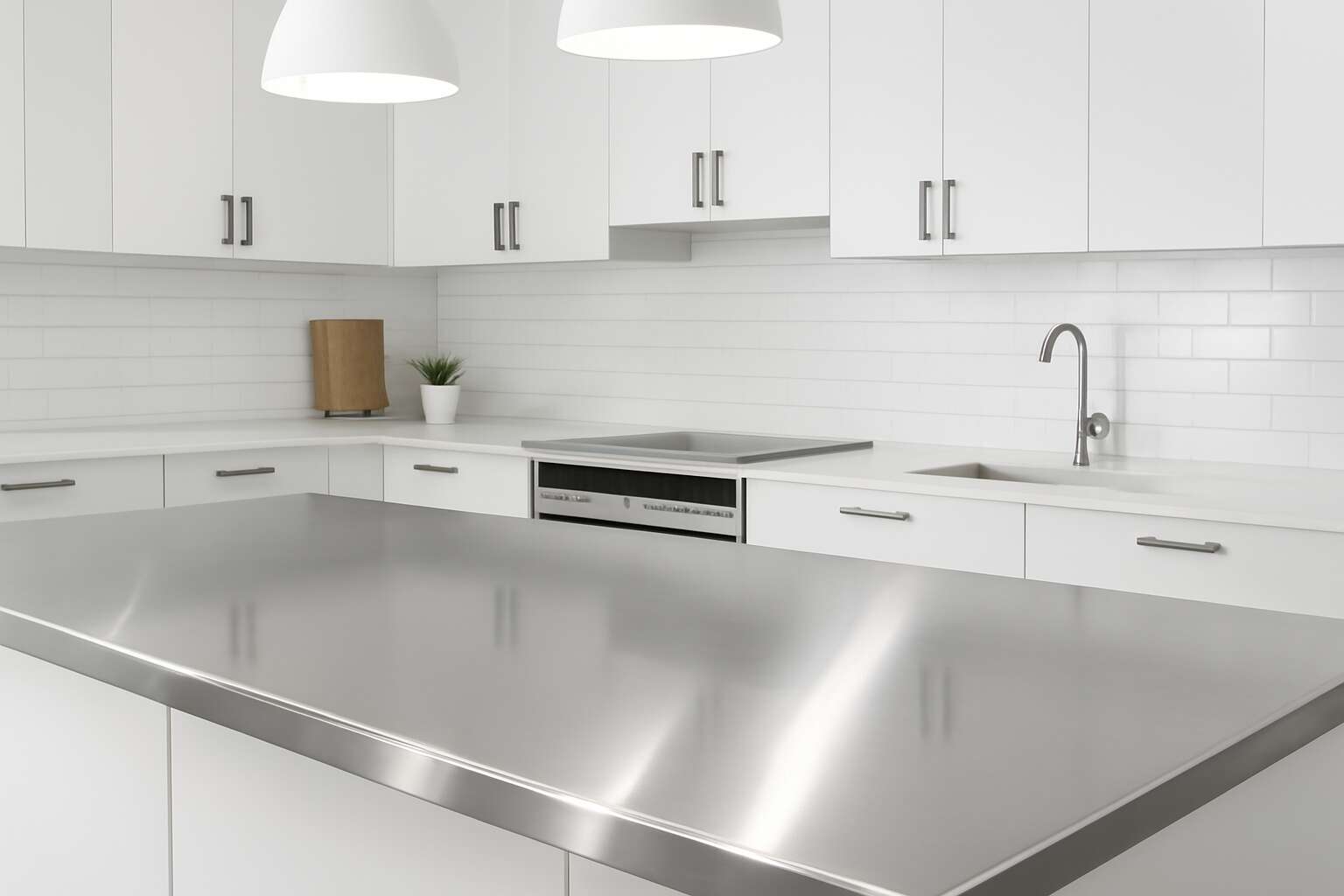
Stainless steel table top guide
Overview and benefits
Fresh, gleaming, and built to outlive trends, the stainless steel table top is the quiet engine of modern kitchens. In South Africa’s bustling culinary spaces, its resilience becomes a quiet luxury, a promise that a surface can endure heat, acids, and long hours of service. It pairs with glass, timber, and chrome with elegant restraint, letting craftsmanship and the cook’s craft shine through. This guide reveals why chefs and designers lean toward it, beyond mere appearance!
Here are the pillars that explain its enduring appeal:
- Hygiene and stain resistance; easy cleaning in high-volume settings
- Durability against dents and corrosion from heavy use
- Design versatility; seamless integration with equipment and finishes
A stainless steel table top is more than a surface; it is a collaborator in the American Dream translated into South African kitchens, aging gracefully as skill grows, a witness to meals and memories.
Materials and finishes
Material selection in a stainless steel table top is more than a technical spec; it is a testament to the kitchen’s tempo. Choice between 304 and 316 stainless steels anchors longevity, with 316 offering superior corrosion resistance in bustling, steam-rich environments. The surface can wear a whisper of history through finishes that range from bright mirror to subtle brushed, each telling a different story of heat, acids, and time. The real magic lies in how these choices harmonize with equipment, lighting, and the cook’s hands.
- Brushed for a tactile grain that hides fingerprints
- Mirror for reflective drama and heightened cleanliness cues
- Satin or matte for a restrained, professional aura
Finishes do more than shine; they determine texture, glare, and ease of maintenance.
Whichever path is chosen, the stainless steel table top remains a silent partner in South Africa’s kitchens.
Applications and customization
In kitchens where tempo rules, the stainless steel table top doubles as a workhorse and stage. This surface laughs at steam, acids, and the occasional overzealous whisk, while offering layouts tailored to your workflow. From Cape Town’s busy corridors to Johannesburg’s service lines, customization means edge profiles, thickness, and cutouts that harmonize with equipment and the cook’s rhythm.
Here are key customization facets SA kitchens often leverage:
- Tailored edge profiles and thicknesses to suit task zones
- Custom cutouts for sinks, outlets, and tool rails
- Drainage grooves and splashbacks for wet prep and hygiene
Whether you’re outfitting a compact urban prep zone or a generous island, the right configuration keeps service smooth and morale high—no drama, just durable practicality.
Maintenance and care
“A clean surface is a calm surface,” a veteran South African chef told me, and a stainless steel table top proves it under pressure. In kitchens from Cape Town to Johannesburg, maintenance becomes part of the rhythm, preserving gleam, hygiene, and the kind of confidence I know keeps service steady.
- Gentle, pH-neutral detergents and warm water
- Dry immediately after cleaning to prevent water spots
- Avoid chlorine-based cleaners and abrasive pads
- Periodic polishing with a food-safe stainless steel cleaner to maintain lustre
With such habits, I find the stainless steel table top remains resilient, a trusted stage for the day’s work.


0 Comments