
Understanding Stainless Steel Sink Stains
Types of stains commonly found on stainless steel sinks
Stains on stainless steel sinks are more common than most people realize, and understanding the different types can make all the difference in how you approach cleaning. Some stains are caused by mineral deposits from hard water, leaving behind a dull, whitish film. Others are due to food residues or rust, which can create stubborn, reddish-brown marks. Knowing what you’re dealing with is essential because it influences the cleaning method you choose.
Iron and rust stains, in particular, can be tricky to remove without damaging the surface. These often appear after exposure to moisture combined with metal objects left in the sink. Mineral deposits from hard water tend to appear as cloudy patches or streaks, and they require specific cleaning products to dissolve effectively. Recognizing these stain types helps in selecting the right cleaning techniques and products, making it easier to restore your sink’s shine without unnecessary fuss.
Causes of staining in stainless steel sinks
Stainless steel sinks, often lauded for their resilience and sleek aesthetic, are paradoxically vulnerable to a spectrum of stains that can tarnish their lustrous appearance. The causes of staining in stainless steel sinks are multifaceted, rooted in the intricate dance between water chemistry, household habits, and the materials we use daily. Hard water, rich in minerals like calcium and magnesium, deposits a cloudy, often stubborn film that dulls the surface’s natural gleam. Meanwhile, iron and rust stains forge reddish-brown streaks, often lurking after exposure to moisture and metallic objects left in the sink for too long.
Understanding how to clean a stainless steel sink that is stained necessitates an awareness of these underlying causes. For instance, mineral deposits are effectively addressed with specific cleaning products that dissolve these stubborn patches. Conversely, rust and iron stains may require more delicate treatment to avoid scratching or damaging the surface. Recognizing the true nature of the stain guides the choice of cleaning technique, ensuring the sink’s integrity is preserved while restoring its shine.
Preparing to Clean Your Stainless Steel Sink
Gathering essential cleaning supplies
Before diving into the cleaning process, it’s essential to gather the right supplies. A well-prepared workspace can make all the difference when learning how to clean a stainless steel sink that is stained. Picture yourself in a sunny South African kitchen, sunlight bouncing off gleaming surfaces—yet your sink’s stubborn stains threaten to tarnish that scene. Don’t worry; with the right tools, you’ll restore its shine effortlessly.
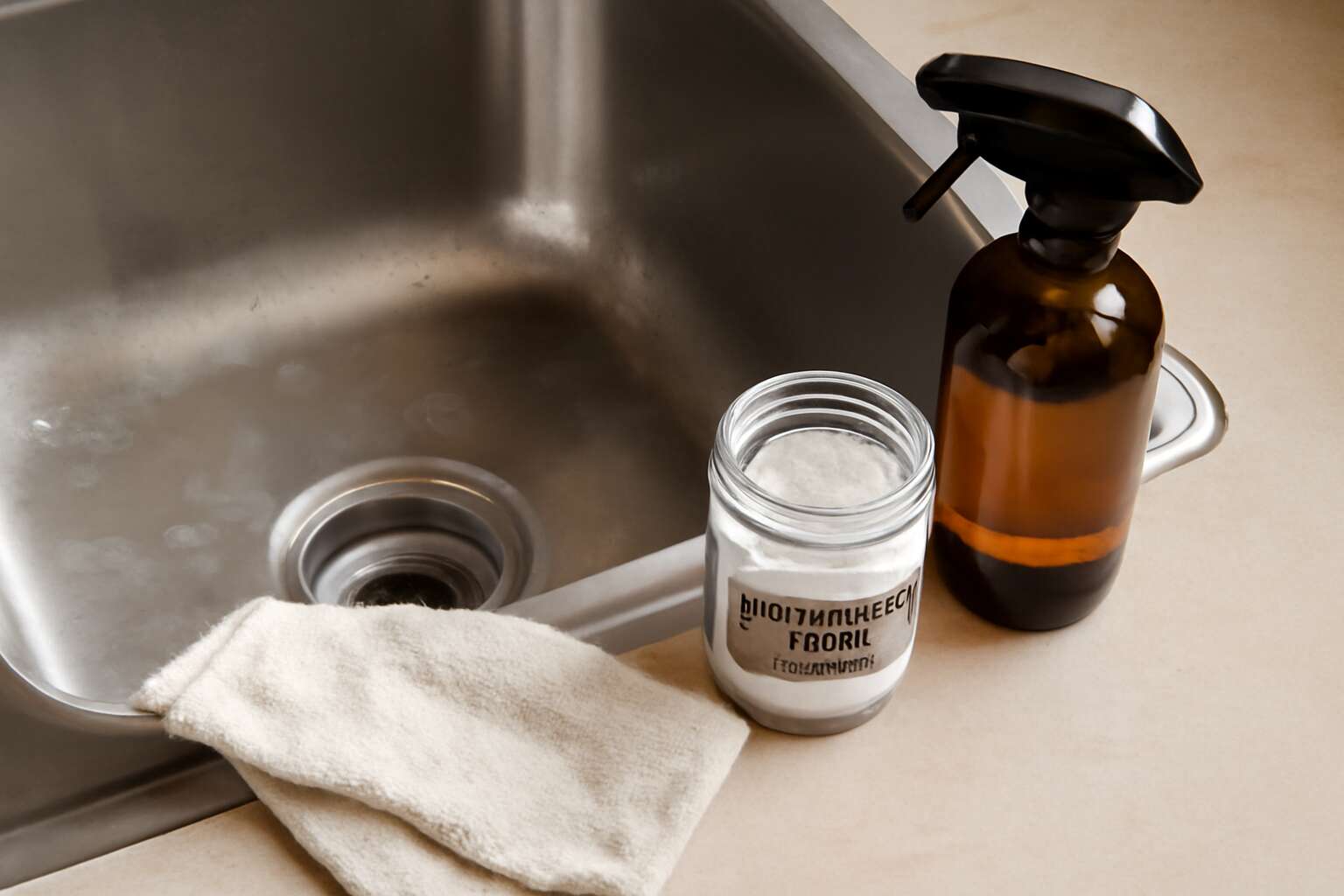
Start by assembling a few key items: a soft microfiber cloth, a non-abrasive sponge, a gentle stainless steel cleaner or a homemade mixture of baking soda and water, and white vinegar. These essentials will help you tackle even the most persistent stains without scratching or damaging the surface. For added convenience, consider keeping a small spray bottle of vinegar nearby—perfect for quick spritzes that loosen grime and restore luster.
To streamline your cleaning process, you might find it helpful to prepare a cleaning kit. A simple list could include:
- Microfiber cloths
- Non-abrasive sponge
- Stainless steel cleaner or baking soda
- White vinegar
- Spray bottle
Having these supplies ready ensures your cleaning session is smooth, efficient, and effective—so you can confidently restore your stainless steel sink’s pristine appearance without any unnecessary hassle.
Protective measures before cleaning
Before embarking on the delicate ballet of restoring your stainless steel sanctuary, it’s vital to prepare your space with care and caution. Imagine your kitchen as a stage—each tool a cast member poised to perform their part with grace. To prevent unintended scratches or damage, lay down a soft cloth or mat beneath the sink area, creating a buffer zone that cushions every move. This simple act acts as a protective shield, ensuring your cleaning journey is gentle yet effective.
Next, safeguard your hands and surroundings by donning gloves—an invisible armor that keeps harsh cleaners from contact with your skin. Ventilation is equally paramount; open a window or turn on an exhaust fan to dispel fumes that can linger and cause irritation. With these protective measures in place, your workspace transforms into a safe haven where the art of cleaning unfolds seamlessly.
As you gear up, consider assembling a cleaning kit—an arsenal designed to tackle even the most stubborn stains on your stainless steel sink. An ordered approach not only streamlines the process but also imbues it with a poetic rhythm, turning routine maintenance into a choreographed ritual. When properly prepared, you’ll find yourself confidently navigating the task of how to clean a stainless steel sink that is stained, restoring its gleam and vitality with effortless finesse.
Effective Cleaning Methods for Stained Stainless Steel Sinks
Using natural cleaning agents
Stainless steel sinks are the unsung heroes of modern kitchens, yet their resilience can be tested by stubborn stains. Surprisingly, natural cleaning agents can be remarkably effective in restoring their shine, often surpassing chemical cleaners in both gentleness and efficacy. When contemplating how to clean a stainless steel sink that is stained, one must harness the power of everyday ingredients—think vinegar, baking soda, and lemon juice—each with unique properties that cut through grime without scratching delicate surfaces.
Using a simple combination of these natural agents can transform a tarnished sink into a gleaming centerpiece. For instance, sprinkling baking soda over the stained areas and then spritzing with white vinegar creates a fizzing reaction that lifts away residues. A gentle scrub with a soft cloth or sponge follows, ensuring that the surface’s integrity remains intact. For tough stains, applying lemon juice can brighten and refresh, leaving your stainless steel sink looking pristine. Remember, the key lies in patience and consistency—natural agents may require a little extra time but reward you with an eco-friendly, sparkling finish.
Commercial stainless steel cleaners
When it comes to maintaining the pristine allure of your kitchen, understanding how to clean a stainless steel sink that is stained can be transformative. Commercial stainless steel cleaners promise quick results, yet often lack the gentle touch that preserves the delicate finish of your sink. Instead, the secret lies in harnessing the natural power of ingredients already present in your pantry. These eco-friendly solutions can penetrate stubborn stains, restoring your sink’s luminous sheen without harsh chemicals.
For a superbly effective method, consider applying a paste of baking soda and water, then spritzing with white vinegar. The fizzing reaction lifts grime and mineral deposits, revealing a more radiant surface. To target persistent stains, a gentle rub with lemon juice can brighten dull patches and revive the stainless steel’s natural glow. If stains refuse to yield, a combination of natural agents—applied with patience and consistent care—can outperform many commercial options, leaving your sink not only clean but glowing with understated elegance.
Homemade pastes for stain removal
Stains on stainless steel sinks can be stubborn, but the right homemade remedies make a difference. Knowing how to clean a stainless steel sink that is stained involves simple ingredients you already have in your pantry. Baking soda, for example, is a gentle abrasive that lifts grime without scratching the surface. When combined with water to form a paste, it acts as an effective stain remover.
To boost its power, spritz white vinegar onto the baking soda paste. The fizzing reaction helps loosen mineral deposits and grime, revealing a cleaner, brighter surface. For dull patches or stubborn stains, lemon juice is a natural bleaching agent that restores shine. Apply it gently with a soft cloth and buff after a few minutes to see impressive results.
For particularly persistent stains, a two-step approach can be highly effective. Using how to clean a stainless steel sink that is stained with natural pastes can outperform many commercial cleaners. This method is simple, eco-friendly, and leaves your sink gleaming without harsh chemicals. Regular care with these homemade solutions can keep your stainless steel sink looking pristine and radiant for years to come.
Step-by-Step Guide to Remove Specific Stains
Removing mineral deposits and hard water stains
Stubborn mineral deposits and hard water stains can turn a gleaming stainless steel sink into an unrecognizable eyesore. The challenge lies not only in removing these blemishes but in doing so without damaging the delicate surface. When water evaporates, it leaves behind mineral residues that embed into the steel, creating a persistent barrier that seems impossible to erase. Yet, understanding the nature of these deposits opens a pathway to restoration.
To master how to clean a stainless steel sink that is stained with mineral deposits, start by applying a natural acid—white vinegar works wonders. Pour it generously over the affected areas and let it sit for 10-15 minutes. This acidity dissolves the mineral buildup, making it easier to wipe away. For stubborn stains, create a paste using baking soda and water, then spread it over the mineral deposits. Allow it to sit for a few minutes before gently scrubbing with a soft cloth or non-abrasive sponge. Remember, patience is key—rushing may scratch the surface or embed the stains further.
For intensively stained sinks, consider using a commercial stainless steel cleaner designed explicitly for mineral removal, following the manufacturer’s instructions carefully. Always rinse thoroughly to prevent residue buildup, which can attract dirt and cause new stains. With each step, think of your sink not just as a fixture but as a reflection of your care and attention—restoring its shine is more than cleaning; it’s an act of respect for what endures beneath the surface.
Eliminating grease and oil stains
Stains from grease and oil can turn your pristine stainless steel sink into an unsightly mess. These stubborn marks often cling stubbornly, especially in busy kitchens. The key to how to clean a stainless steel sink that is stained with grease lies in using the right approach. A simple yet effective method is to create a cleaning solution that cuts through the grease without harming the surface.
Start by applying a generous amount of dish soap directly onto the stained areas. Let it sit for a few minutes to loosen the oil buildup. Then, use a soft cloth or a non-abrasive sponge to scrub gently. For tougher stains, sprinkle some baking soda over the soap and scrub in circular motions. Baking soda acts as a natural abrasive, breaking down grease without scratching the stainless steel. If residue persists, a mixture of equal parts white vinegar and warm water can help dissolve remaining grease spots. Remember, patience and gentle pressure are your best allies in this process.
- Apply dish soap and let sit for 5 minutes.
- Sprinkle baking soda over the stain.
- Scrub gently with a soft cloth or sponge.
- Rinse thoroughly with warm water.
By following these steps, you will restore your stainless steel sink’s shine and keep it looking flawless. Knowing how to clean a stainless steel sink that is stained with grease and oil not only prolongs its lifespan but also enhances your kitchen’s overall appearance. Keep these techniques in mind for a quick, effective clean every time!
Getting rid of rust and corrosion marks
Rust and corrosion marks on a stainless steel sink can transform an otherwise sleek fixture into an eyesore. The question is, how to clean a stainless steel sink that is stained with these stubborn blemishes? The secret lies in a meticulous approach that targets the corrosion without damaging the surface. First, identify the extent of the stain—deep, surface-level, or pitted corrosion requires different tactics. For superficial rust, a delicate abrasive paste made from equal parts baking soda and water can be your best ally. Apply it gently with a soft cloth, working in circular motions to lift the stain without scratching.
If rust persists, a commercial stainless steel cleaner designed specifically for rust removal can be effective. These products often contain active ingredients that dissolve corrosion quickly. Always follow the manufacturer’s instructions carefully to avoid further damage. For more stubborn rust that refuses to budge, consider using a mixture of white vinegar and baking soda, which creates a natural reaction to lift corrosion. Remember, patience coupled with gentle pressure will reveal a flawless, shiny surface once again. Mastering how to clean a stainless steel sink that is stained with rust requires both precision and care—an art that preserves the integrity of your sink while restoring its pristine appearance.
Additional Tips for Maintaining a Sparkling Stainless Steel Sink
Daily cleaning routines
Maintaining a stainless steel sink’s radiant allure requires more than occasional cleaning; it’s about embedding a daily ritual that preserves its lustrous charm. When you know how to clean a stainless steel sink that is stained, you unlock the secret to a pristine, inviting kitchen space. Incorporating simple practices into your routine can prevent stubborn stains from taking hold and keep your sink looking like new.
Start each day by rinsing the sink with warm water to wash away debris and prevent mineral deposits from settling. A quick wipe with a soft microfiber cloth after use can eliminate water spots and minor smudges, ensuring your sink remains gleaming. For an extra layer of protection, consider applying a thin layer of olive oil or a specialized stainless steel polish—these natural agents add a protective sheen while safeguarding against future stains and corrosion.
To elevate your cleaning routine, try this:
- Use natural cleaning agents such as white vinegar or baking soda to tackle residual stains;
- Regularly inspect for signs of rust or corrosion and address them immediately;
- Keep abrasive scrubbers at bay to avoid scratching the surface, which can trap dirt and stain more easily.
By weaving these small but impactful habits into your daily schedule, your stainless steel sink will continue to reflect the beauty of your home while standing resilient against the trials of everyday life. After all, a well-cared-for sink isn’t just functional; it’s a testament to the artistry of living beautifully.
Preventive measures to avoid future stains
Maintaining the pristine allure of a stainless steel sink requires more than just routine cleaning; it demands foresight and preventative measures that guard against future stains. One of the most effective strategies is to wipe down your sink after each use with a soft cloth, preventing water spots and mineral deposits from setting in. This simple act preserves the reflective quality that makes stainless steel so appealing. Incorporating a protective layer of olive oil or stainless steel-specific polish can create a barrier, reducing the likelihood of stains and corrosion over time.
Additionally, consider the following tips to keep your sink looking its best:
- Always dry the sink thoroughly after cleaning or use to prevent water spots.
- Place a mesh drain cover to catch debris and reduce staining from food particles or residues.
- Use gentle, natural cleaning agents like white vinegar regularly—these help prevent buildup without damaging the surface.
By embedding these preventive measures into your daily routine, your stainless steel sink becomes more than just a functional fixture; it transforms into a statement of elegance and resilience. A little extra care today can save hours of scrubbing tomorrow, ensuring your sink remains a shining centerpiece in your kitchen—beautiful, resilient, and stained-free. It’s a testament to how thoughtful maintenance elevates everyday living and preserves the artistry of your home’s design.
Proper drying techniques
Achieving a pristine, stain-free stainless steel sink is more than just a matter of routine cleaning—it’s an art that requires attention to detail and deliberate care. Proper drying techniques play a crucial role in maintaining its luminous finish, preventing water spots and mineral deposits from marring the surface. When water evaporates naturally, it leaves behind mineral residues, which can accumulate over time and dull the sink’s reflective quality.
To prevent this, always dry your sink thoroughly after cleaning or use. A soft microfiber cloth is ideal; it absorbs residual moisture without scratching the surface. For added protection, consider buffing the sink with a clean, dry cloth to enhance its shine. If stubborn water spots persist, a quick wipe with a mixture of white vinegar and water can help dissolve mineral deposits, restoring the sink’s original luster.
Remember, a little extra effort in the drying process can make all the difference. It’s a simple yet effective way to learn how to clean a stainless steel sink that is stained, ensuring it remains an elegant fixture in your kitchen for years to come.
Troubleshooting Common Issues When Cleaning Stainless Steel Sinks
Dealing with persistent stains
When battling stubborn stains on your stainless steel sink, frustration can quickly set in. Sometimes, even after diligent cleaning, those persistent marks refuse to budge, leaving you questioning whether you’re doomed to live with them. The truth is, many stains—especially those caused by mineral deposits or residual soap scum—demand more than just routine rinsing. They require a focused approach that penetrates the surface, revealing the true beauty beneath.
One common challenge is dealing with mineral deposits that cling stubbornly to the surface. To tackle these, it’s essential to understand the root cause and select the appropriate cleaning method. If simple natural agents aren’t enough, consider using a commercial stainless steel cleaner designed specifically for such issues. Alternatively, an effective homemade paste made from baking soda and water can often do the trick, gently lifting stains without damaging the finish.
However, some stains are more elusive, such as rust or corrosion marks, which can appear suddenly and seem impossible to remove. In these moments, patience and precision become your allies. For example, applying a mixture of vinegar and baking soda in a controlled manner can often neutralize rust. Remember, when cleaning a stainless steel sink that is stained, always test your chosen method on a small, inconspicuous area first to prevent unintended damage. Sometimes, repeated gentle treatments are more effective than aggressive scrubbing, which can scratch the surface and exacerbate the problem.
Avoiding scratches during cleaning
In the intricate dance of maintaining a pristine kitchen, understanding how to clean a stainless steel sink that is stained becomes an essential skill—one that demands patience, finesse, and a keen eye for detail. Scratches are the silent nemesis lurking beneath seemingly benign cleaning routines, often hidden until they mar the surface with an unwelcome dullness. To avoid these pitfalls, employ gentle, non-abrasive tools such as soft cloths or microfiber sponges, steering clear of steel wool or harsh scrub brushes that can etch the finish. Remember, gentle motions are far more effective than brute force, preserving the lustrous sheen of your sink while eliminating stains.
Incorporating natural cleaning agents like vinegar or baking soda not only aligns with eco-conscious practices but also minimizes the risk of damaging the stainless steel. For stubborn stains, consider using a dedicated commercial stainless steel cleaner, but always test on a small, inconspicuous area first—better safe than sorry! Sometimes, a simple homemade paste can work wonders, gently lifting ingrained marks without compromising the surface integrity. These strategies ensure you maintain the beauty of your sink while effectively tackling stains, all without incurring scratches that could tarnish its appearance for years to come.
Restoring dull or stained finishes
When attempting to restore the lustrous finish of your stainless steel sink, encountering stubborn stains or dull patches can feel like a frustrating puzzle. Sometimes, despite your best efforts, the surface refuses to regain its original shine, leaving you questioning whether the stain is permanent. The secret lies in understanding how to clean a stainless steel sink that is stained without causing further damage. A common mistake is overusing abrasive cleaners or harsh tools that can deepen scratches or tarnish the finish. Instead, focus on gentle, targeted approaches that respect the integrity of the metal.
If you find your sink’s surface still marred after initial cleaning, consider employing specific troubleshooting strategies. For instance, using a soft microfiber cloth coated with a mixture of baking soda and water can gently lift ingrained stains. If stains persist, a mild vinegar soak can be surprisingly effective—just remember to rinse thoroughly afterward to prevent any acidic residue buildup. For persistent issues, applying a commercial stainless steel cleaner designed for such stubborn marks can be the game-changer, but always test on a small patch first. Patience, combined with the right technique, can revive even the most resilient stains, revealing the true beauty of your stainless steel sink.



0 Comments