
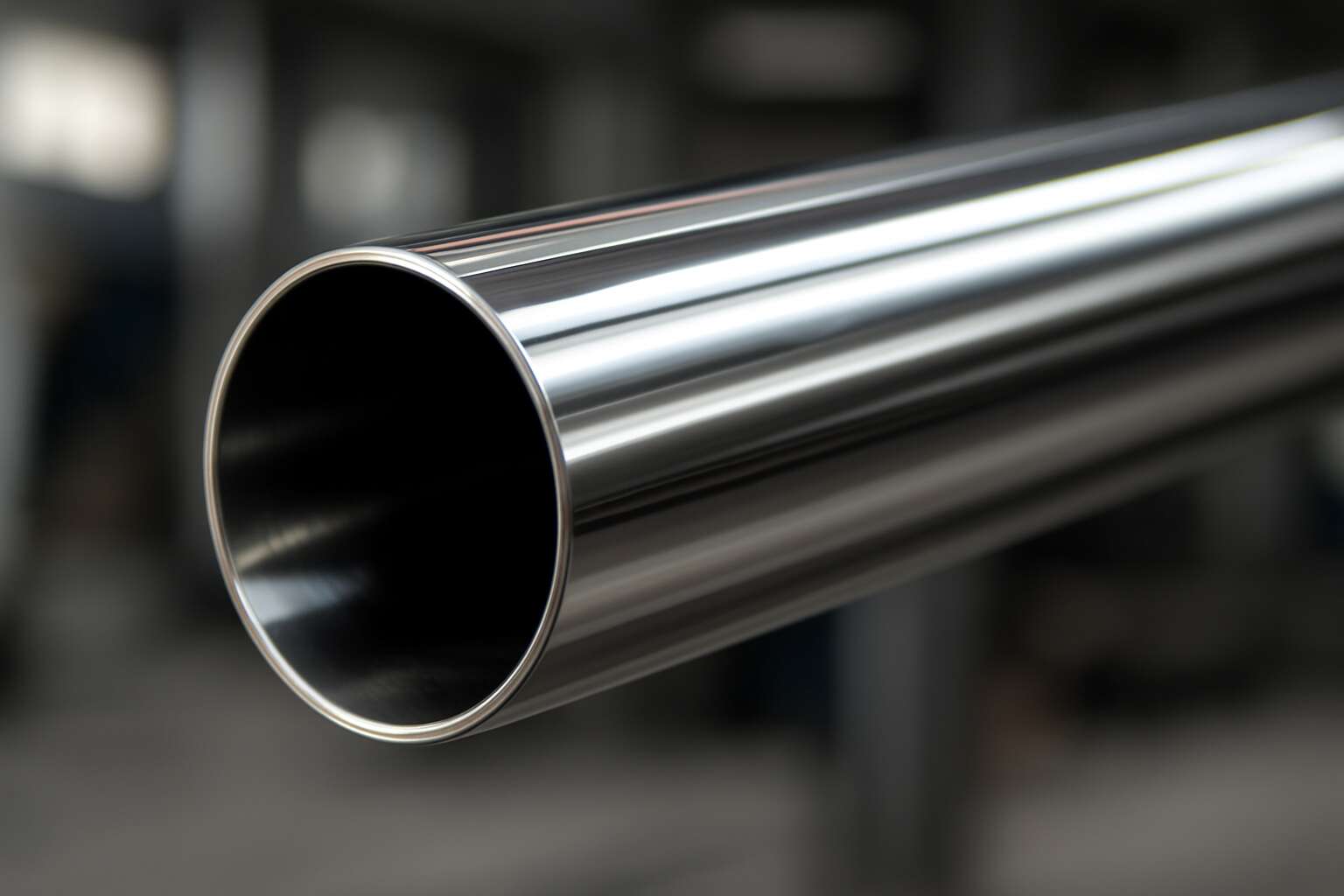
Understanding Stainless Steel Tubes
Definition and Types – Different types of stainless steel tubes and their characteristics
Amid the shimmering corridors of industrial innovation, stainless steel tube emerges as a silent architect of modernity—its strength and versatility whispering tales of resilience. To truly grasp its magic, one must understand the diverse types and their unique characteristics. These tubes are not mere cylindrical conduits; they are crafted for purpose and precision, each type woven with distinct qualities that serve varied applications.
Stainless steel tubes come primarily in two forms: seamless and welded. Seamless stainless steel tube is born from a single, continuous piece of metal, offering unmatched strength and corrosion resistance—ideal for high-pressure environments. Conversely, welded stainless steel tube is formed by rolling and welding sheets of stainless steel, making it more cost-effective yet equally durable for many applications.
Within these categories, the choice of stainless steel grade—such as 304 or 316—further tailors the tube’s performance to specific needs. Whether for chemical processing, architectural marvels, or automotive pursuits, understanding these types ensures the perfect match for every project. The enchanting versatility of stainless steel tube continues to shape our world, one resilient conduit at a time.
Common Grades and Alloys – Overview of popular stainless steel grades such as 304, 316, and 321
Among the countless marvels of industrial craftsmanship, stainless steel tube stands as a testament to resilience and refined engineering. Its silent strength whispers through the corridors of architecture, manufacturing, and chemical processing, embodying durability that transcends time. To truly appreciate this versatile conduit, one must delve into the world of its common grades and alloys, where each variation crafts a different story of performance and purpose.
The most renowned grades—304, 316, and 321—each hold a unique place in the pantheon of stainless steel tube excellence. Grade 304, often called the workhorse, offers superb corrosion resistance and is highly adaptable to diverse environments. Meanwhile, 316 is revered for its exceptional resistance to salt and harsh chemicals, making it the preferred choice for marine and coastal applications. Grade 321, with its stabilized titanium content, lends itself to high-temperature environments, ensuring longevity in demanding settings.
Understanding these stainless steel grades is crucial when selecting the perfect tube for a specific application. Whether it’s the corrosion resistance of 316 or the high-temperature resilience of 321, each alloy provides tailored advantages. For instance, the following list highlights the distinct qualities of these popular grades:
- 304: Versatile, corrosion-resistant, ideal for food processing and architectural purposes.
- 316: Superior salt and chemical resistance, perfect for marine, medical, and chemical industries.
- 321: Stabilized with titanium, suited for high-temperature environments like exhaust systems and heat exchangers.
In the dynamic realm of stainless steel tube, selecting the appropriate alloy is more than a choice—it’s a strategic decision that shapes the integrity and longevity of the final product. Each grade’s distinctive alloy composition unlocks a unique set of attributes, transforming raw metal into a conduit of resilience and versatility.
Manufacturing Processes – Overview of seamless, welded, and ERW manufacturing techniques
Understanding the manufacturing processes behind stainless steel tube is essential for selecting the right product for your application. There are three primary techniques: seamless, welded, and ERW (Electric Resistance Welded). Each method offers distinct advantages depending on the intended use and specifications.
Seamless stainless steel tube is crafted by extruding or rotary piercing raw billet material, resulting in a tube without any weld seams. This process provides superior strength and is ideal for high-pressure applications. In contrast, welded stainless steel tube is produced by rolling steel sheets into a cylindrical shape and then welding the edges together. Welded tubes are cost-effective and suitable for general-purpose uses. ERW manufacturing, a subset of welding, uses high-frequency electric current to form a weld along the length of the tube, enhancing uniformity and quality.
When choosing a stainless steel tube, consider the following factors:
- Strength requirements
- Chemical resistance
- Temperature conditions
These elements influence whether seamless, welded, or ERW manufacturing techniques are most appropriate for your project. Each process impacts the durability and performance of the final product, making understanding these differences crucial for informed decision-making.
Key Features and Benefits of Stainless Steel Tubes
Corrosion Resistance – How stainless steel resist corrosion in various environments
Stainless steel tubes are marvels of resilience, capable of withstanding some of the harshest environments without succumbing to corrosion. Their unique molecular structure forms a protective oxide layer that acts as a shield, preventing rust and deterioration even when exposed to moisture, chemicals, or extreme temperatures. This innate resistance makes stainless steel tube an ideal choice for industries where durability is paramount, such as construction, marine, and food processing in South Africa’s diverse climate.
What truly sets stainless steel tube apart is its ability to resist corrosion in environments that would typically cause other materials to falter. Whether submerged in seawater or exposed to acidic conditions, the stainless steel tube maintains its integrity. This remarkable feature ensures longevity, reducing maintenance costs and increasing safety. Key benefits include:
- Enhanced durability against corrosion and oxidation
- Low maintenance requirements, saving time and money
- Exceptional performance in saline or chemically aggressive environments
By choosing stainless steel tube, industries across South Africa can secure their infrastructure against the relentless forces of nature, ensuring their projects stand the test of time with unwavering strength and elegance.
Strength and Durability – Mechanical properties that ensure long-lasting performance
When durability is non-negotiable, stainless steel tube emerges as the hero of structural integrity. Its exceptional mechanical properties—high tensile strength, excellent toughness, and impressive ductility—allow it to withstand the rigors of demanding environments in South Africa’s diverse landscape. This means that stainless steel tube can endure heavy loads, vibrations, and extreme temperature fluctuations without losing its form or function, making it a trusted choice for infrastructure, marine, and industrial applications.
What truly sets stainless steel tube apart are its inherent strength and resistance to wear and tear. Thanks to advanced alloy formulations, it offers resilience against deformation and fatigue, ensuring long-lasting performance even under continuous stress. These features translate into significant cost savings, as maintenance and replacement needs are drastically reduced over time.
In fact, the versatility of stainless steel tube is further highlighted by its ability to be fabricated into various shapes and sizes, accommodating complex engineering designs. Whether used as structural supports or fluid conveyance systems, the strength and durability of stainless steel tube guarantee that your project will stand the test of time—regardless of environmental challenges or operational demands.
Hygiene and Cleanliness – Suitability for medical, food, and pharmaceutical applications
When it comes to maintaining impeccable hygiene standards, stainless steel tube is the unsung hero—no cape required. Its smooth, non-porous surface resists bacteria and grime buildup, making it the go-to material for medical, food, and pharmaceutical environments in South Africa. Imagine a material so resistant to contamination that cleaning becomes a swift affair rather than a daily battle; that’s the beauty of stainless steel tube.
Beyond cleanliness, stainless steel tube’s compatibility with sterilization processes ensures it remains pristine after repeated washings, high-temperature sterilizations, or chemical disinfectants. This resilience not only guarantees safety but also prolongs the lifespan of the tube, reducing operational costs and downtime. For industries where hygiene isn’t just a preference but a mandate, stainless steel tube offers unmatched reliability and peace of mind.
- Corrosion resistance in a variety of environments, including saline or humid conditions common in South Africa’s coastal regions.
- Ease of fabrication into complex shapes, allowing seamless integration into intricate systems with minimal fuss.
- Compliance with international hygiene standards, ensuring the highest level of safety and quality.
In essence, choosing a stainless steel tube for your hygienic applications isn’t just a smart decision; it’s a declaration of commitment to excellence, safety, and efficiency. With its innate ability to uphold cleanliness and withstand rigorous sterilization, stainless steel tube stands tall—literally and figuratively—in the realm of hygienic engineering.
Aesthetic Appeal – Modern look and finishes for architectural and design use
In the realm of architectural elegance and modern design, stainless steel tube stands as a beacon of sleek sophistication. Its lustrous surface, shimmering with a mirror-like finish, transforms ordinary structures into extraordinary works of art. With a spectrum of textures and hues—from brushed matte to polished gleam—stainless steel tube elevates aesthetic appeal to new heights, making it a favorite for contemporary building facades, interior accents, and bespoke furniture in South Africa.
Beyond its visual allure, the true magic lies in its versatility. The malleability of stainless steel tube allows artisans and engineers alike to craft intricate shapes and seamless curves, weaving functionality into beauty with effortless grace. Whether it’s a sculptural staircase or an eye-catching balustrade, the material’s innate strength ensures durability without compromising style.
- Durability that withstands South Africa’s diverse climate conditions, from coastal humidity to inland heat.
- Resistance to tarnish and corrosion, maintaining its pristine appearance over years of exposure.
- Ease of maintenance, requiring only a simple wipe to retain its luminous finish.
In the end, choosing a stainless steel tube for architectural and design pursuits isn’t merely a choice; it’s a declaration of commitment to enduring beauty, resilience, and a touch of magic that transforms spaces into timeless masterpieces.
Applications of Stainless Steel Tubes
Industrial Uses – Oil and gas, chemical processing, and machinery
In the vast and intricate web of modern industry, stainless steel tube stands as a silent hero, weaving itself into the very fabric of essential operations. From the depths of oil and gas pipelines to the precise chambers of chemical processing plants, this resilient material transforms visions into tangible realities. Its ability to withstand the relentless assault of corrosive environments makes it indispensable for safeguarding vital infrastructure.
Within the realm of machinery, stainless steel tubes serve as conduits of strength and reliability, ensuring seamless flow and operational longevity. Industries in South Africa rely heavily on these tubes for critical applications, such as:
- Transporting hydrocarbons in oil and gas extraction.
- Facilitating chemical reactions in processing plants.
- Forming durable components in machinery that endure harsh conditions.
Their versatility and robustness make stainless steel tube an unrivaled choice, blending durability with performance in the demanding world of industrial applications. Whether in the fiery core of chemical reactors or the rugged landscapes of offshore oil rigs, these tubes uphold the integrity of systems with unwavering precision and sophistication.
Construction and Architecture – Structural supports, handrails, and decorative elements
Stainless steel tubes are transforming the landscape of construction and architecture across South Africa, blending strength with sophisticated design. Their seamless integration into structural supports offers unmatched stability, ensuring buildings withstand the test of time and elements. These durable tubes are often chosen for their ability to bear heavy loads while maintaining a sleek, modern appearance.
From striking handrails that guide visitors through bustling commercial spaces to intricate decorative elements that elevate architectural aesthetics, stainless steel tube provides versatility like no other material. Its clean finish and corrosion resistance make it ideal for outdoor installations, even in harsh South African climates. Whether used in public infrastructure or high-end residential projects, the inherent resilience of stainless steel tube ensures longevity and minimal maintenance.
In many architectural marvels, stainless steel tubes are employed as:
- Structural supports that reinforce integrity without compromising visual appeal
- Elegant handrails that combine safety with contemporary style
- Decorative features that add a touch of modern sophistication
With a wide array of sizes and finishes, stainless steel tube continues to redefine what’s possible in construction and architecture—delivering durability, beauty, and performance in every application.
Automotive and Transportation – Exhaust systems, frame components
In the dynamic realm of automotive and transportation industries, stainless steel tube plays a pivotal role in shaping both performance and safety. Its exceptional strength-to-weight ratio and resistance to extreme temperatures make it an indispensable component in exhaust systems. These tubes are precisely engineered to withstand corrosive exhaust gases, ensuring longevity even under the relentless demands of South Africa’s varied climates.
Beyond exhaust applications, stainless steel tube is widely employed in framing components that require durability and resilience. Its ability to endure mechanical stresses without deformation is essential for creating robust structural elements in vehicles and rail systems. For instance, in high-performance cars, stainless steel tubes are used to manufacture exhaust headers and chassis reinforcements, elevating both efficiency and safety.
Furthermore, the versatility of stainless steel tube extends to intricate piping systems that transport fluids and gases in industrial transport sectors. Its corrosion-resistant properties guarantee maintenance-free operation over extended periods, reducing downtime and operational costs. Whether in public transit or freight logistics, stainless steel tubes epitomize reliability and long-lasting performance, truly transforming the landscape of South Africa’s automotive and transportation industries.
Medical and Food Industries – Medical equipment, food processing equipment
In the intricate dance of precision and purity, stainless steel tube emerges as a silent hero within the medical and food industries. Its non-porous surface resists bacteria and contaminants, making it indispensable for sterilized environments and hygienic food processing. The resilience of stainless steel tube ensures that equipment remains corrosion-free, even after prolonged exposure to cleaning agents and aggressive sterilization methods. This durability not only guarantees safety but also reduces maintenance costs and downtime.
For medical applications, stainless steel tube is crafted into components that demand absolute reliability—such as surgical instruments, hospital fixtures, and diagnostic equipment. Its ability to withstand repeated sterilization cycles without degradation underscores its vital role in safeguarding human health. In the realm of food processing, stainless steel tubes are used to create seamless pipelines, mixers, and storage tanks, facilitating smooth, contamination-free operations. Their resistance to corrosion and ease of cleaning uphold the highest standards of hygiene in food production facilities across South Africa.
Given the critical importance of cleanliness and durability, the application of stainless steel tube in these sectors exemplifies how industrial innovation aligns with human safety. Whether transporting sterile fluids in hospitals or ensuring the integrity of consumables, stainless steel tube’s reliability truly elevates the standards of care and quality in South Africa’s medical and food industries.
Choosing the Right Stainless Steel Tube
Factors to Consider – Size, wall thickness, grade, and environmental conditions
Choosing the right stainless steel tube isn’t just about picking a size off the shelf; it’s about understanding how multiple factors intertwine to deliver optimal performance. Size matters—whether you need a compact tube for delicate medical instruments or a larger diameter for structural support. Wall thickness also plays a pivotal role, influencing both strength and flexibility. Thicker walls provide durability, but may add weight, while thinner walls offer lightweight versatility, perfect for intricate architectural designs or lightweight machinery.
Grade selection is equally critical. For coastal environments or chemical exposure, grades like 316 stainless steel tube excel due to their superior corrosion resistance. Environmental conditions, such as humidity, temperature fluctuations, and exposure to corrosive elements, should guide your choice. Sometimes, a simple consideration like outdoor durability can save you from costly replacements down the line.
When choosing a stainless steel tube, a holistic view ensures your project’s longevity and efficiency. Balancing size, wall thickness, grade, and environmental factors guarantees you get the best fit for your specific application, whether in construction, manufacturing, or design.
Standards and Certifications – ISO, ASTM, and other relevant standards
Choosing the appropriate stainless steel tube begins with understanding the standards and certifications that guarantee quality and reliability. In South Africa, adherence to internationally recognized certifications is not just a formality but a vital step in ensuring your project’s success. Standards such as ISO and ASTM provide comprehensive guidelines that detail material specifications, testing methods, and performance criteria for stainless steel tubes. These certifications serve as a mark of assurance, confirming that the product meets rigorous safety and durability requirements.
When sourcing a stainless steel tube, it’s essential to verify that it complies with relevant standards. For example, ISO 9001 certification can indicate a manufacturer’s commitment to quality management systems, while ASTM standards specify mechanical properties and corrosion resistance benchmarks. Sometimes, additional certifications like Nadcap or local South African standards may also be relevant, especially for specialized industries such as food processing or medical applications.
- Always request detailed documentation of the stainless steel tube’s compliance with recognized standards.
- Check for traceability features, such as batch numbers and certificates of analysis, to ensure authenticity.
- Understand the specific grade and manufacturing process standards to match your project’s environmental and performance needs.
Ultimately, selecting a stainless steel tube that meets established standards and certifications is the foundation for long-lasting, high-performance applications. It not only safeguards your investment but also provides peace of mind, knowing your project aligns with global quality benchmarks.
Supplier Selection – How to evaluate and choose reputable suppliers
Choosing a reputable supplier for your stainless steel tube can make all the difference in ensuring quality, durability, and long-term performance. With a market flooded with options, it’s easy to feel overwhelmed, but a few key considerations can simplify the process. First, verify the supplier’s adherence to international standards and certifications, such as ISO and ASTM. These benchmarks are not just formalities—they guarantee that the stainless steel tube has undergone rigorous testing and meets specific safety and performance criteria.
Next, consider the supplier’s traceability practices. Reliable suppliers should provide detailed documentation, including batch numbers and certificates of analysis, to confirm authenticity and compliance. Additionally, evaluate their reputation through customer reviews or industry references. An established supplier will often have extensive experience catering to industries like construction, medical, or food processing—sectors that demand strict quality controls for stainless steel tube.
- Assess the range of grades and finishes offered to match your project’s environmental and aesthetic requirements.
- Check their capacity for customization, especially if your project involves specialized sizes or wall thicknesses.
- Consider their logistical capabilities—timely delivery and consistent stock levels are vital for maintaining project schedules.
By prioritizing these factors, you can select a stainless steel tube supplier that not only meets industry standards but also aligns with your specific needs, ensuring your project’s success from start to finish.
Maintenance and Care for Stainless Steel Tubes
Cleaning Methods – Best practices for cleaning and maintaining shine
Maintaining the pristine allure of a stainless steel tube requires a nuanced understanding that extends beyond mere cleanliness. The corrosion resistance of stainless steel is formidable, yet neglecting proper care can diminish its luster and structural integrity over time. An effective cleaning regimen preserves the tube’s sleek aesthetic and functional excellence, ensuring it remains resilient amid demanding environments.
Regular cleaning involves gentle techniques that prevent scratching or impairing the surface’s natural finish. Using non-abrasive cloths and mild detergents, such as warm water infused with a soft soap, is often sufficient to remove everyday grime. For stubborn stains or mineral deposits, a solution of diluted vinegar or specialized stainless steel cleaner can restore the tube’s shine without compromising its integrity.
To maintain optimal appearance and performance, consider implementing a routine that includes:
- Wiping the stainless steel tube with a soft cloth after exposure to moisture or contaminants.
- Applying a protective polish designed for stainless steel surfaces to enhance corrosion resistance and aesthetic appeal.
- Inspecting for signs of corrosion or surface damage, addressing issues promptly to prevent deterioration.
By adhering to these best practices, one can extend the lifespan of the stainless steel tube, allowing it to retain its polished brilliance and structural durability, regardless of whether it’s used in architectural, industrial, or medical applications.
Preventing Corrosion – Tips to avoid rust and corrosion over time
In the dynamic world of stainless steel tubes, preventing corrosion is essential for preserving their pristine appearance and structural integrity. South Africa’s diverse climate, with its coastal humidity and occasional exposure to harsh elements, makes diligent maintenance even more crucial.
To shield your stainless steel tube from rust and corrosion, regular inspection is key. Look for signs of discoloration, pitting, or surface damage, and address issues promptly. Applying a protective coating or polish formulated specifically for stainless steel can create a barrier against moisture and corrosive agents. Moreover, avoiding exposure to chlorides and acidic substances helps maintain the tube’s corrosion resistance over time.
- Wipe down the stainless steel tube with a soft, non-abrasive cloth after exposure to moisture.
- Use mild detergents or specialized stainless steel cleaners to remove dirt without damaging the surface.
- Store stainless steel tubes in dry, covered environments to minimize environmental stressors.
Consistent care and mindful handling will ensure your stainless steel tube remains resilient, shining with its characteristic luster whether it graces architectural marvels or industrial installations.
Repair and Replacement – When and how to repair or replace stainless steel tubes
Stainless steel tubes are known for their durability, but even the toughest materials need occasional repair or replacement. Recognizing when a stainless steel tube has reached the end of its lifespan can save time and prevent costly failures. Visible signs such as cracks, significant corrosion, or deformation indicate it’s time to take action.
In some cases, minor damage can be repaired through professional welding or polishing. However, extensive corrosion or structural compromise often requires complete replacement. When considering repair or replacement, assess the tube’s environment and intended use—harsh conditions demand more robust solutions.
To ensure longevity, regular inspections are crucial. If corrosion or pitting is detected early, surface treatments like passivation can restore corrosion resistance without the need for full replacement. Nonetheless, persistent issues may justify upgrading to a higher-grade stainless steel tube, like 316 or 304, tailored to specific environmental challenges.
- Inspect routinely for signs of damage or deterioration.
- Evaluate whether repair methods like welding or polishing are sufficient.
- Decide if replacement is necessary based on the severity of wear.
Choosing the right approach hinges on understanding the tube’s environment and the critical nature of its function. Proper maintenance and timely intervention keep stainless steel tubes performing at their best, whether in industrial, architectural, or everyday applications across South Africa.
Market Trends and Innovations in Stainless Steel Tubing
Technological Advancements – New manufacturing methods and material innovations
In an era driven by relentless innovation, the market for stainless steel tube is witnessing a renaissance fueled by technological breakthroughs. Manufacturers are now employing advanced manufacturing methods that elevate precision and efficiency, such as laser welding and additive manufacturing. These innovations not only streamline production but also open avenues for customisation, making stainless steel tube more adaptable than ever before.
Material innovations are equally transformative. The development of super duplex and high-performance alloys enhances corrosion resistance and mechanical strength—crucial qualities for demanding environments. For instance, the integration of ferritic stainless steel alloys has expanded the application spectrum, especially in sectors requiring impeccable durability and longevity.
- Automated fabrication processes reduce waste and improve consistency, ensuring each stainless steel tube meets exact specifications.
- Emerging coating technologies provide additional corrosion protection, extending the lifespan of stainless steel tube installations in aggressive environments.
As the quest for sustainability intensifies, manufacturers are also exploring eco-friendly production techniques—lower energy consumption, recyclable materials, and reduced emissions—making stainless steel tube an even more appealing choice in modern engineering and architecture. The ongoing evolution underscores a future where innovation continually redefines the boundaries of what stainless steel tube can accomplish.
Sustainable Practices – Recycling and eco-friendly manufacturing
As environmental consciousness sharpens into a global imperative, the market for stainless steel tube is increasingly defined by sustainable practices that challenge traditional manufacturing paradigms. The shift towards recycling and eco-friendly production methods isn’t just a trend—it’s a fundamental evolution reshaping the industry’s landscape. In South Africa, where resource management is both a necessity and a strategic advantage, these innovations hold particular significance.
Recycling stainless steel tube has emerged as a cornerstone of sustainable manufacturing. High-grade stainless steel can be reprocessed endlessly without compromising its integrity, making it an ideal candidate for circular economy initiatives. Manufacturers are now integrating advanced melting and refining techniques that drastically reduce energy consumption and emissions, aligning with global standards for environmental responsibility. This not only enhances the durability and lifespan of stainless steel tube but also reduces the environmental footprint associated with production.
Moreover, emerging eco-friendly manufacturing practices emphasize the use of recyclable materials and cleaner technologies. For instance, the adoption of low-temperature melting processes and water-based finishing techniques minimizes hazardous waste. These innovations ensure that the stainless steel tube industry can meet the stringent demands of modern engineering while championing sustainability. As the industry progresses, it’s clear that the future of stainless steel tube is intertwined with ecological stewardship, promising a resilient, greener tomorrow for infrastructure, architecture, and beyond!
Future Outlook – Emerging applications and industry growth prospects
As industries across South Africa pivot toward innovation, the future of stainless steel tube manufacturing reveals a landscape ripe with transformative potential. Emerging applications in sectors like renewable energy, sustainable urban infrastructure, and advanced medical devices are fueling industry growth prospects at an unprecedented rate. The integration of cutting-edge technological advancements—such as additive manufacturing and corrosion-resistant alloys—propels the industry into a new era of resilience and versatility.
The trajectory of stainless steel tube applications is expanding far beyond traditional boundaries. In architectural design, for instance, sleek, corrosion-resistant stainless steel tubes are redefining aesthetic standards, offering both form and function in modern construction. Meanwhile, in the oil and gas sector, innovative alloys and seamless manufacturing processes enhance durability under extreme conditions. Industry analysts project a compounded annual growth rate exceeding 5% over the next decade, driven by these dynamic shifts.
- Increased adoption of eco-friendly manufacturing practices enhances sustainability credentials.
- Development of specialized alloys for high-performance applications broadens market scope.
- Growing demand for corrosion-resistant stainless steel tube in marine and coastal environments.
With these promising trends, the industry is poised for a future where sustainability and technological ingenuity coalesce seamlessly, ensuring that stainless steel tube remains a cornerstone of progress in South Africa’s diverse industrial landscape.



0 Comments