
Comprehensive Outline for Protective Door Plates
Material options and finishes for protective door plates
Entrances endure more passage than any other surface, and in South Africa a recent survey notes that entrance wear accounts for up to 30% of maintenance calls on high-traffic doors. The plate guarding the threshold is more than ornament—it’s a quiet sentinel shaping first impressions with every step and shadow.
Material options span the spectrum from rugged stainless steel to warm brass, each offering a different rhythm of durability and character. For busy doors, practicality rules.
- Stainless steel (304 or 316) for maximum corrosion resistance in high-traffic foyers
- Aluminum with protective coatings for lighter doors and versatile finishes
- Brass or bronze for heritage and luxury settings
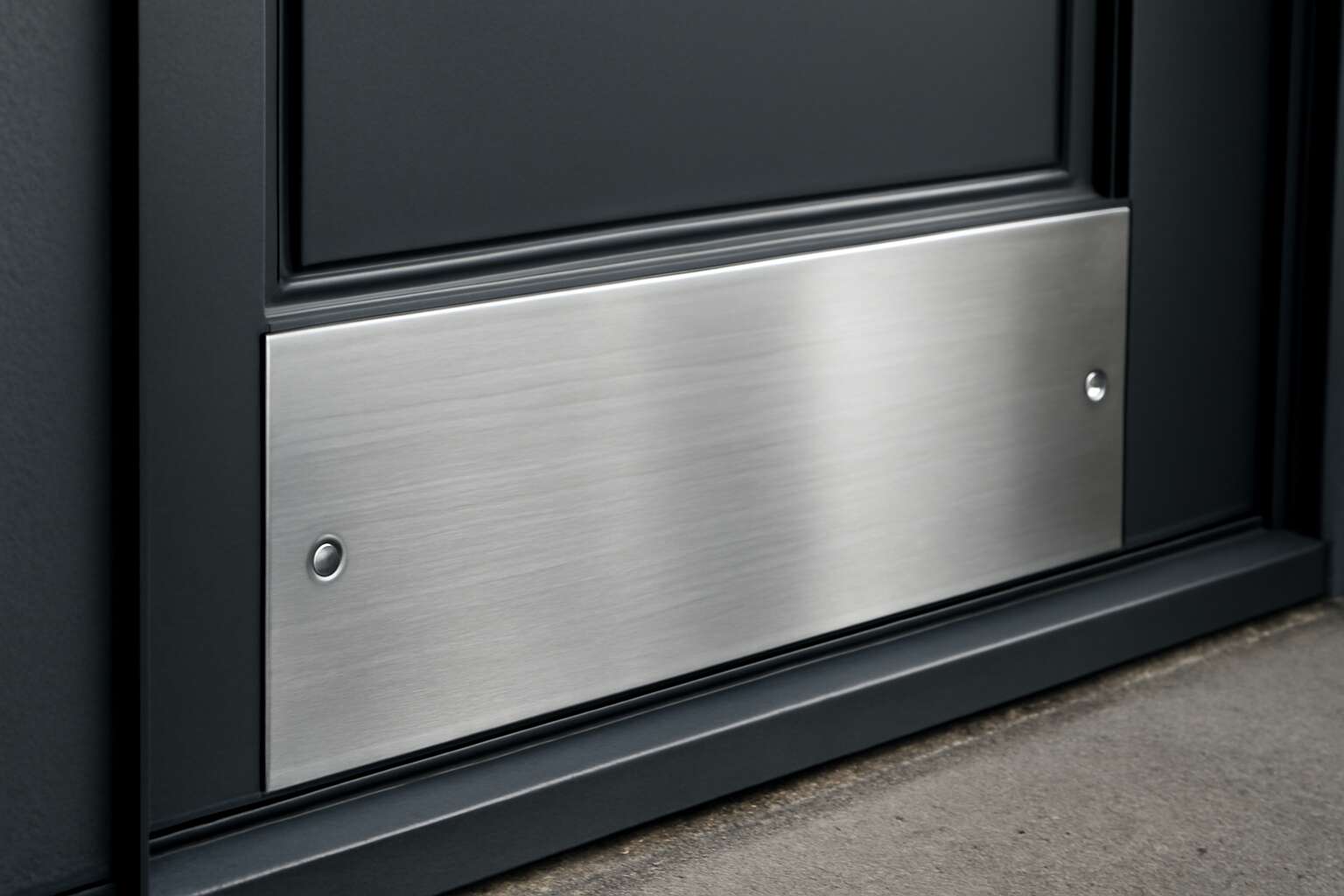
Finish matters as much as alloy. A stainless kick plate catches light with a quiet blaze, while brushed, satin, powder-coated, PVD, and anodized options tailor resistance to moisture and oil. I relish how these choices let a doorway tell a room’s story without shouting!
Benefits and use cases
In high-traffic entrances, entrance wear accounts for up to 30% of maintenance calls on high-traffic doors. That quicksilver statistic isn’t a doom prophecy; it’s a map. A protective door plate acts as the quiet armour, guiding footsteps and guarding thresholds with a subtle gleam.
Here is a comprehensive outline of benefits and natural use cases:
- Preserves core door finishes by taking the brunt of daily contact
- Easy cleaning and hygienic surfaces in busy venues
- Enhances safety by reducing slips on wet or oily floors
- Creates a cohesive aesthetic across entrances
In South Africa, a stainless kick plate is a practical sentinel against scuffs, moisture, and oils in hotel foyers, transit hubs, and office corridors.
Installation and maintenance guides
Footfalls shape a building’s character, and in South Africa’s busy foyers, a stainless kick plate acts as quiet armor. “Durability is quiet power,” says the design mind, shielding doors, crowds, and damp floors with a subtle, lasting gleam.
- Measure doorway width, height, and lip variations.
- Choose mounting hardware for steel and floor type.
- Prepare a clean, dry surface; remove dust and oil.
- Align the plate, secure flush, verify frame seating.
- Seal edges and schedule routine inspections for looseness.
Maintenance after installation is practical and straightforward. Use non-abrasive cleaners, avoid harsh solvents, and wipe moisture away to prevent corrosion. Regular checks of screws and edge seals keep entrances cohesive and safe across hotel foyers, transit hubs, and office corridors.
Design trends and integration
Entrance moments shape how people feel about a space, and in South Africa’s busiest foyers they matter in under three seconds. A stainless kick plate quietly prolongs wear into lasting polish, proving durability is quiet power. It blends with architecture while staying honest about high-traffic life.
- Seamless integration with floors and frames
- Subtle branding that stays timeless
- Non-corrosive finishes that age gracefully
- Cleanability and accessibility in busy zones
This comprehensive outline guides designers toward cohesive entrances in hotels, offices, and transit hubs, where protection and presence go hand in hand.

0 Comments