
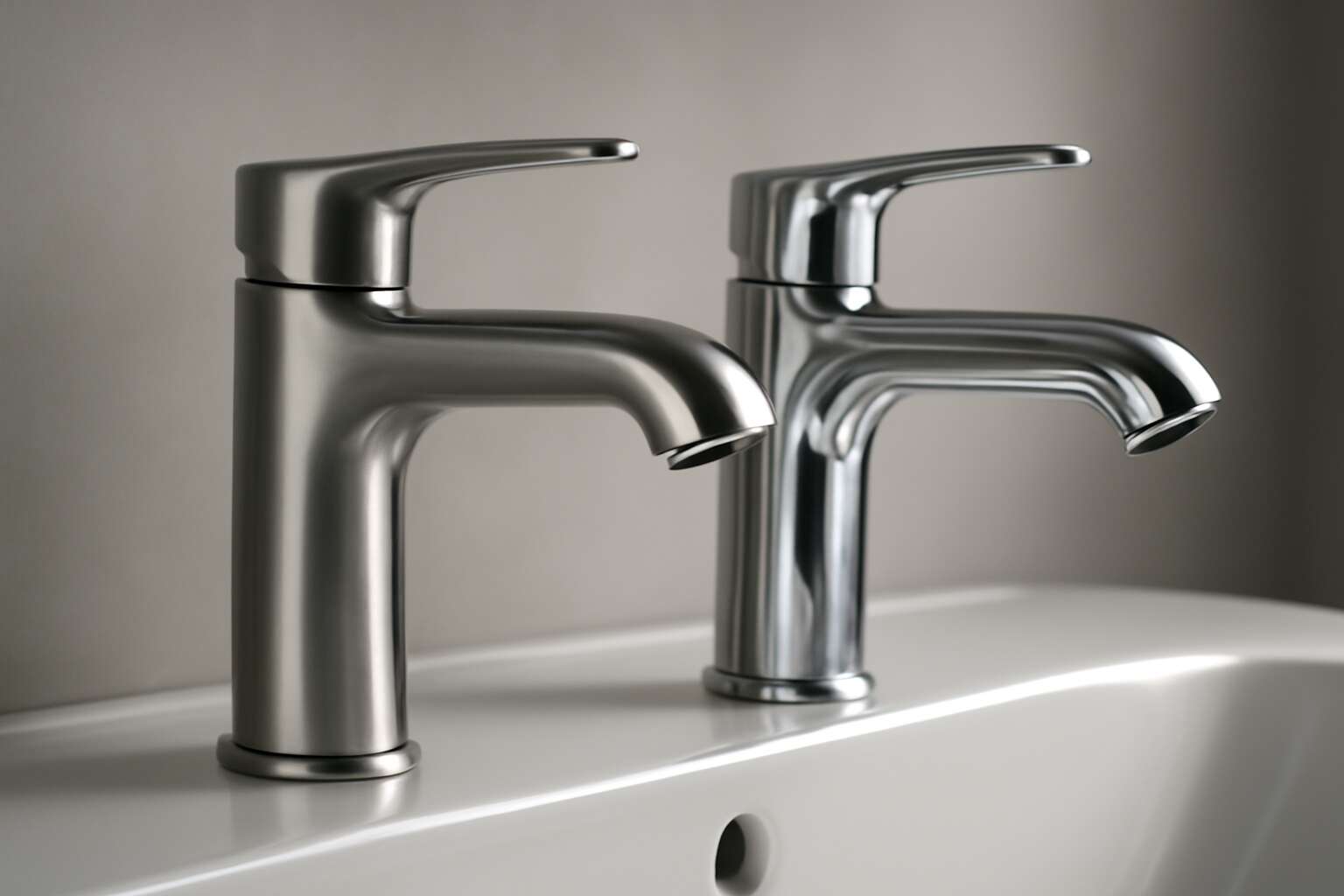
Understanding Stainless Steel and Chrome Finishes
What are stainless steel and chrome finishes
Across South Africa’s kitchens, metal tells a story of endurance. A recent survey shows that 68% of homeowners choose stainless for longevity and hygiene, a stark statistic glinting in candlelight. The saga of stainless vs chrome begins with a choice between steadfast matte and gleaming height.
To understand finishes, two specters haunt metal: stainless steel and chrome. They differ in mood, maintenance, and aging.
- Finish and lustre: stainless steel ranges from matte to satin; chrome shines like a mirror.
- Durability: stainless resists wear and corrosion better than chrome in humid climates.
- Maintenance: chrome invites water spots and fingerprints; stainless hides them with quiet resolve.
Chrome’s brilliance can fade with fingerprints and water stains, and I have watched it fade! Stainless resists both with a quiet, steadfast glow. The debate treads softly across coastal kitchens and inland villas, where heat and humidity etch different fates on metal here in South Africa.
Key properties to compare
Across South Africa’s kitchens, metal keeps a quiet, stubborn vigil. A recent survey shows 68% of homeowners choose stainless for longevity and hygiene, a statistic that glimmers in candlelight. The saga of stainless vs chrome begins with a choice between matte and gleaming.
In their glow, each finish carries a mood. Stainless treads softly—matte to satin—while chrome broadcasts a relentless mirror.
Consider these anchors:
- Finish and lustre: stainless ranges matte to satin; chrome gleams like a mirror.
- Durability: stainless resists corrosion in coastal air; chrome fades with moisture.
- Maintenance: chrome shows fingerprints; stainless hides them with quiet resilience.
I’ve watched chrome’s gleam dim in humid air; stainless keeps a quiet glow. The debate treads softly across coastal kitchens and inland villas in South Africa.
Common applications in kitchens and baths
Across South Africa’s kitchens, a quiet gleam guides choices. A 68% statistic shows homeowners favour stainless for longevity and hygiene, a glow that glints in candlelight. The stainless vs chrome debate unfolds as a choice between matte restraint and mirror-like drama.
Understanding finishes means tracking daily life in the home. Stainless leans matte to satin and hides fingerprints; chrome carries a relentless mirror and shows moisture. Common applications in kitchens and baths include:
- Kitchen sinks and fixtures
- Countertops and backsplashes
- Cabinet hardware and pulls
- Bathroom faucets
In rooms that blend coastal air with inland heat, these finishes tell a story of mood and resilience, a quiet American dream of durability meeting beauty. stainless vs chrome define the texture of a space without shouting, offering elegance that endures in South Africa’s sun and humidity.
Long-term performance expectations
In South Africa’s sun-warmed kitchens, 68% of homeowners gravitate toward stainless for longevity and hygiene, a quiet gleam that remains through candlelight and family meals. Understanding long-term performance means watching how finishes respond to daily rhythms, humidity, and the glow of a well-loved space.
Stainless steel earns its reputation with corrosion resistance and a matte-to-satin softness that hides fingerprints. Chrome, by contrast, delivers a relentless mirror—bright, dramatic, and more prone to showing moisture and water spots. Navigating stainless vs chrome means weighing resilience against reflectivity.
- Durability under humidity and coastal air
- Visibility of fingerprints and water spots
- Impact on space mood through light reflection
Either choice can carry a quiet American dream of durability meeting beauty, quietly shaping rooms that endure without shouting.
What affects cost and availability
In SA kitchens, 68% gravitate toward stainless for longevity and hygiene, a gleam that ages with candlelight and braai smoke. Understanding stainless steel and chrome finishes goes beyond sparkle; it’s about how the metal travels from factory to countertop, especially with cost and availability in South Africa.
Prices hinge on alloy grade, thickness, and surface treatment. The cost of chrome rests on plating, mirror-like depth, and factory throughput. Factors shaping cost and availability include:
- Material grade and thickness
- Coating, finishing options, and wear resistance
- Import tariffs and local supply chains
Availability is a dance between import cycles, regional demand, and local fabrication capabilities—an ongoing negotiation between aesthetic intent and practical logistics in the stainless vs chrome conversation.
Durability and Corrosion Resistance: How They Compare
Corrosion resistance in various environments
South Africa’s coastal homes contend with salt spray and humidity—a combination that ages metal finishes fast. In this arena, stainless vs chrome reveals its true character, not just its shine.
Durability isn’t only about scratches; stainless steel alloys form a passive layer that resists corrosion, while chrome plating can wear thin, exposing base metal at seams. That shifts longevity toward stainless in damp, heat-prone spaces.
Corrosion resistance depends on environment; consider these typical scenarios:
- Coastal and harbour-side kitchens with salt-laden air
- Humid bathrooms where steam and cleaners linger
- Urban interiors with industrial pollutants or chlorinated water
Ultimately, stainless vs chrome offers distinct long-term profiles. In South African settings, stainless often delivers steadier performance and lower upkeep where dampness and salt are constants. Choosing stainless vs chrome is about endurance, not chrome vanity.
Scratch resistance and wear
Cape Town’s coastal air tests metal finishes daily; in the stainless vs chrome debate, durability outshines vanity. “Durability is the quiet luxury,” says a veteran ironmonger, and it’s not a line to be ignored when salt spray keeps you honest.
Scratch resistance and wear reveal true character. Stainless steel forms a passive layer that resists corrosion, while chrome plating can wear thin at seams, exposing base metal in damp, heat-prone SA spaces.
- Scratch resilience: stainless lasts longer beneath fine scratches.
- Edge wear: chrome’s coating can wear away at joints.
- Environmental factors: coastal humidity accelerates chrome wear more than stainless.
In this light, stainless vs chrome tends to favor endurance in South Africa’s salt-sprayed, sun-soaked interiors.
Impact of cleaning agents on finishes
South Africa’s coastal air tests metal finishes daily, and a veteran ironmonger whispers, “Durability is the quiet luxury.” In this arena, stainless vs chrome becomes less about shine and more about staying power, especially where salt spray and sun press their case on interiors.
Stainless steel carries a passive layer that resists corrosion, keeping edges honest under humid SA climates. Chrome plating, by contrast, can wear at seams and expose base metal in damp, heat-prone kitchens and baths.
Impact of cleaning agents on finishes varies with the metal. Harsh cleaners and chlorine erode chrome coating faster than stainless. A general sense is that stainless tends to hold its ground longer in the salt-sprayed spaces of SA homes.
- Some cleaners are more abrasive and can compromise chrome coatings at seams.
- Stainless steel’s passive layer resists many cleaners better than chrome.
- Coastal environments intensify chemical effects, making finish choice critical in SA spaces.
Tarnish and discoloration tendencies
“Durability is the quiet luxury,” a veteran ironmonger whispers, and in SA’s salt-kissed air that luxury becomes a practical trait. The debate about enduring finishes feels less like gleam and more like endurance, especially when sun-baked interiors and sea spray test every seam.
Stainless steel carries a passive oxide layer that resists corrosion, keeping edges honest. Chrome plating, by contrast, can wear at seams and expose base metal in damp, heat-prone kitchens and baths, inviting tarnish and discoloration under coastal climes.
Consider these nuanced dynamics:
- Chrome’s seam wear and edge patina emerge more visibly in salty environments.
- Stainless tends to preserve color and gloss through humidity and sun exposure.
- Coastal climates magnify the impact of chemical exposure on finishes.
In this theatre, the choice stands between endurance and a patient, evolving patina—stainless vs chrome writing different long-term stories in South African homes.
Lifetime performance benchmarks
Durability is the quiet luxury, and in South Africa’s sun and sea air it wears a distinctive glow. Stainless steel carries a passive oxide layer that resists corrosion, preserving edges and gloss through years of humidity and heat. Chrome plating, by contrast, can wear at seams and reveal the base metal in damp kitchens and baths, inviting tarnish under coastal conditions. The lifetime performance benchmark favors stainless in demanding environments, even as chrome can still shine in controlled interiors.
- Seam wear and edge patina are more visible with chrome in salty climates.
- Stainless tends to retain color and gloss under humidity and sun exposure.
In the end, the decision between stainless vs chrome is less about a single gleam and more about a lifetime narrative; South African rooms reveal their character as finishes age—stainless keeping its luster, chrome developing a patient patina.
Environmental factors and maintenance
In South Africa’s sun-salted air, metal wears its story on the surface. ‘Salt is patient,’ says a veteran installer, and durability is the quiet metric that reveals itself first. Stainless and chrome each answer differently to time and weather.
Environmental factors drive maintenance choices. Stainless tends to keep its luster longer in humidity and heat, while chrome can show seams wear sooner in damp kitchens or coastal baths. The choice between stainless vs chrome hinges on expected exposure, cleaning habits, and long-term narratives.
- Coastal salt spray and humidity accelerate patina in chrome
- Regular cleaning with non-abrasive solutions protects stainless
- Maintenance intervals influence long-term gloss retention
In the long arc of rooms and seasons, stainless tends to hold its luster longer in demanding environments; chrome still finds its moment in controlled interiors.
Aesthetic and Design Considerations: Look and Feel
Finish options and textures
Bright, reflective chrome can make a compact SA kitchen feel 15% larger—proof that finish is a design weapon, not mere decoration. When weighing stainless vs chrome in a space that’s frequently sunlit, the look you pick sets the mood as surely as cabinet color.
Finish options and textures offer texture and tactility without shouting. Chrome tends toward high-gloss mirror, catching light and eyes; stainless leans to softer, satin gleam that hides fingerprints and smudges. Here are common texture options to consider—and how they read in real rooms.
- Polished chrome for a showroom shine
- Brushed stainless for a warm, matte texture
- Satin stainless for a balanced glow with easy maintenance
Ultimately, the aesthetic balance between stainless vs chrome hinges on space, lighting, and personal swagger.
Shine, reflections, and color responsiveness
Chrome’s reflective bite can punch a sunlit kitchen into a new dimension, and in a compact SA space, it can make the room read 15% larger! The look hinges on reflections, color response, and the way light travels across metal surfaces. When you weigh the stainless vs chrome decision, the mood shifts with every hour of daylight and every wall color in the room.
- High-gloss chrome catches morning glare and doubles as a mini reflector
- Satin or brushed stainless softens the scene and keeps color honest under bright sun
- Color responsiveness matters—how a space reads warm or cool changes with the finish
Textures read differently as the day changes; the tactile sense of a finish influences perceived space and cleanliness. The room’s mood, light chemistry, and personal swagger collide to define what you feel when you enter.
Design compatibility with interior styles
Across South African kitchens, chrome wears light like a cymbal, while stainless holds the room with a calmer drumbeat. As one designer murmured, ‘Light is the real finish.’ The choice between stainless vs chrome threads the space with character, turning walls and countertops into partners in a daily dance of glare and shade.
Look and feel mingle with interior styles the way texture meets light. Chrome thrives in modern, glassy palettes; brushed stainless tempers that edge, giving depth to industrial spaces. The finish acts like a wardrobe of mood as colors shift under the sun.
- Modern and contemporary: high-gloss clarity and streamlined profiles
- Industrial: rugged edges softened by brushed textures
- Classic and timeless: warm metallics that resist dating
Texture reads differently as the day folds in and out; the eye decodes the room’s scale through finish, while light and shadow compose a personal swagger that follows you through the threshold.
Perceived quality and luxury factors
Finish is a mood, not a mere coating, and it shapes how light travels through a kitchen. Across South African homes, chrome flashes like a cymbal while stainless steel holds the room with a calmer drumbeat. The stainless vs chrome choice signals perceived quality—chrome delivers immediacy, brushed stainless offers depth and longevity. That balance between glare and texture is the quiet luxury that clients seek when fixtures, cabinets, and sinks meet under the same roof.
- Chrome’s mirror gleam for a modern, high-contrast look
- Brushed stainless for warmth and texture with long-term calm
Look and feel hinge on texture and light. In contemporary schemes, chrome’s mirror gleam reads modern; brushed stainless softens the line, adding warmth and depth. The stainless vs chrome dialogue informs choices from hardware to countertops, shaping perceived quality and the sense of longevity in daily use.
Practical Maintenance and Cleaning: Tips for Longevity
Cleaning agents to avoid and recommended cleaners
Maintaining the gleam on kitchen hardware hinges on understanding how stainless vs chrome respond to everyday use. In South African homes where coastal air and indoor humidity swirl, the choice can tilt maintenance from routine to ritual, ensuring longevity without sacrificing style or performance.
- Avoid: abrasive pads, ammonia-based cleaners, chlorine bleach, and highly acidic agents that can etch or cloud the finish.
- Recommended: mild dish soap with warm water, pH-neutral cleaners designed for stainless steel or chrome, and a soft microfiber cloth for gentle buffing.
This balanced approach aligns with the stainless vs chrome debate, preserving luster while respecting environmental factors and wear patterns.
Daily care routines for best results
Practical maintenance isn’t glamorous, but it pays off in long-term shine. For South African homes, especially along the coast, the real difference between stainless vs chrome is daily respect for the finish—consistency beats flash when the humidity swirls in.
Keep routines gentle and unobtrusive: favour non-abrasive methods, soft cloths, and prompt drying to preserve reflections and even wear. The aim isn’t theatrics, just small acts that keep luster steady and clouding at bay.
In the end, small daily acts add up, preserving longevity while adapting to environmental factors and wear patterns. Your hardware remains stylish and reliable, year after year.
Preventing water spots and fingerprints
Coastal South Africa’s air is a constant test for metal finishes; it’s no myth that textures lose their bite faster near the ocean. The debate of stainless vs chrome isn’t about flash—it’s about resilience, consistency, and how each finish ages under salt spray and humidity. As one craftsman notes, “Patience is the polish that outlives shine.” In this quiet arena, I’ve seen longevity reward steady attention over spectacle.
I’ve learned that practical maintenance centers on environmental awareness and wear patterns rather than chasing instant gloss. This choice shapes how reflections shift, fingerprints linger, and the surface settles into its character over time.
- Environmental exposure and finish compatibility with interior styles
- Patina development and ease of restoration
- Maintenance philosophy: consistent care beats occasional brilliance
Polishing vs leaving as-is: pros and cons
Practical maintenance in coastal climates rewards restraint: a light touch now outlasts a loud shine! In this environment, longevity often hinges on wear patterns, not instant gloss. When weighing stainless vs chrome, the choice hinges on how a surface earns its character as salt and humidity press in.
- Microfiber daily wipe to remove salt haze
- Gentle buff with a soft cloth for minor dulling
- Call in a pro for deep scratches or corrosion
Polishing brings a bright, even sheen and can restore minor dulling, but it gradually removes microscopic layers and can exaggerate scratches if done aggressively. Leaving a finish as-is preserves texture and resilience, especially where daily salt spray never fully dries, but it may invite fingerprint halos and uneven patina over time. The trick is balancing care with timing—knowing when to touch up and when to let the surface tell its long story.
Maintenance schedule and signs of wear
Surface stories unfold in the hush between sea spray and showroom lights. Stainless vs chrome isn’t only about gloss; it’s a survival vignette written by salt, humidity, and time. The finish that endures quietly earns its character—subtle halos, faint dulling, a weathered glow that never looks alarmingly new.
A cadence emerges that honors longevity—seasonal observations, periodic reviews, and a yearly professional assessment to confirm the surface’s evolving portrait.
- Subtle dulling or uneven reflections
- Fingerprint halos around high-contact areas
- Micro-scratches that collect salt haze
- Early corrosion at joints or seams in coastal environments
Cost, Availability, and Installation: What to Expect
Cost ranges for stainless steel vs chrome finishes
Cost is a common first consideration when choosing a finish. Chrome finishes typically offer lower upfront prices, while stainless steel commands a premium for longevity. In South Africa, chrome taps can start around R400–R2,000, with stainless options from about R1,800–R6,000, excluding installation. When weighing stainless vs chrome, balance initial spend against long-term maintenance and lifespan—because the number you see today matters, but the fixture’s a daily companion.
Availability varies. Chrome is widely stocked by national chains and local shops, with fast delivery to most towns and farms. Stainless finishes may require a short lead time for specific textures, but major suppliers keep steady stock and can ship nationwide.
Installation: What to Expect. A professional fit ensures a watertight seal, especially with thicker stainless profiles. Chrome fixtures tend to be lighter and quicker to mount, but both finishes benefit from precise measurements and proper seals.
Availability across markets and suppliers
Cost often drives the choosing between stainless vs chrome; the wallet notes as loudly as the faucet. In South Africa, chrome taps can start around R400–R2,000, while stainless options sit from roughly R1,800–R6,000, excluding installation. The short-term spend matters, but longevity and upkeep can tilt the balance toward stainless.
Availability across markets and suppliers varies. Chrome is widely stocked by national chains and local shops, with fast delivery to most towns and farms. Stainless finishes may require a short lead time for specific textures, but major suppliers keep steady stock and can ship nationwide.
- Chrome stock: broad and fast
- Stainless textures: lead times for specialty finishes
- Nationwide shipping: available from major suppliers
Installation: What to Expect. A professional fit ensures a watertight seal, especially with thicker stainless profiles. Chrome fixtures tend to be lighter and quicker to mount, but both finishes benefit from precise measurements and proper seals.
Installation considerations and compatibility
Cost is often the first factor in choosing stainless vs chrome. In South Africa, chrome taps can start around R400–R2,000, while stainless options sit from roughly R1,800–R6,000, excluding installation. The short-term spend matters, but longevity and upkeep can tilt the balance toward stainless.
Availability across markets and suppliers varies.
- Chrome stock: broad and fast
- Stainless textures: lead times for specialty finishes
- Nationwide shipping: available from major suppliers
Installation: What to Expect. A professional fit ensures a watertight seal, especially with thicker stainless profiles. Chrome fixtures tend to be lighter and quicker to mount, but both finishes benefit from precise measurements and proper seals. We assess compatibility with existing fittings to avoid surprises.
Warranty implications and brand considerations
Cost in South Africa starts with the sticker price, but the journey of upkeep matters more. Chrome taps are cheaper upfront than stainless, yet installation and upkeep can tilt the balance. The choice between stainless vs chrome shapes budget planning and maintenance.
Availability varies by market: chrome stock is broad and fast, while stainless textures can bring longer lead times for specialty finishes. Nationwide shipping from major suppliers helps, but stock levels differ by region.
Installation: A professional fit ensures a watertight seal, especially with thicker stainless profiles. Chrome fixtures are lighter and quicker to mount, but precise measurements and proper seals matter for both.
Warranty implications and brand considerations shape peace of mind.
- Warranty terms vary by brand and finish; verify coverage for wear.
- Local SA service and spare parts availability matter for support.
Eco-friendliness and recycling options
Cost considerations in South Africa stretch beyond the sticker price. A seasoned plumber in the Karoo once said, “Solid hardware pays for itself in peace of mind.” With upkeep, parts, and service access in mind, the long run often favors durability. In the stainless vs chrome debate, sturdier stainless profiles may demand higher initial spend but reduce frequent replacement and calls to the plumber.
Availability and installation expectations vary by region. Chrome stock is broad and fast, while stainless textures—especially specialty finishes—can bring longer lead times.
- Nationwide supplier networks help for quick sourcing
- Regional stock levels affect lead times
- Professional fit ensures watertight seals on thicker stainless profiles
Eco-friendliness and recycling options emphasize responsible choices. Reuse and proper recycling of metal fixtures support greener homes. When weighing durability across materials, consider lifecycle impacts and local SA service and spare parts availability for ongoing support.
Choosing the right finish for your project
Choosing the right finish isn’t merely about looks; it’s a ledger of cost and peace of mind. In the stainless vs chrome debate, stainless often carries a higher initial price, but its durability reduces upkeep and costly plumber calls over time, especially in busy South African homes!
Availability in South Africa is regional. The right partner keeps you in stock and on schedule:
- Nationwide supplier networks for quick sourcing
- Regional stock levels affect lead times
- Professional fit ensures watertight seals on thicker stainless profiles
Installation expectations hinge on professional fit and accurate specifications. When a team measures, aligns, and preps the substrate properly, you get a finish that performs—minimising leaks and keeping shine consistent through years of use in SA homes.



0 Comments