
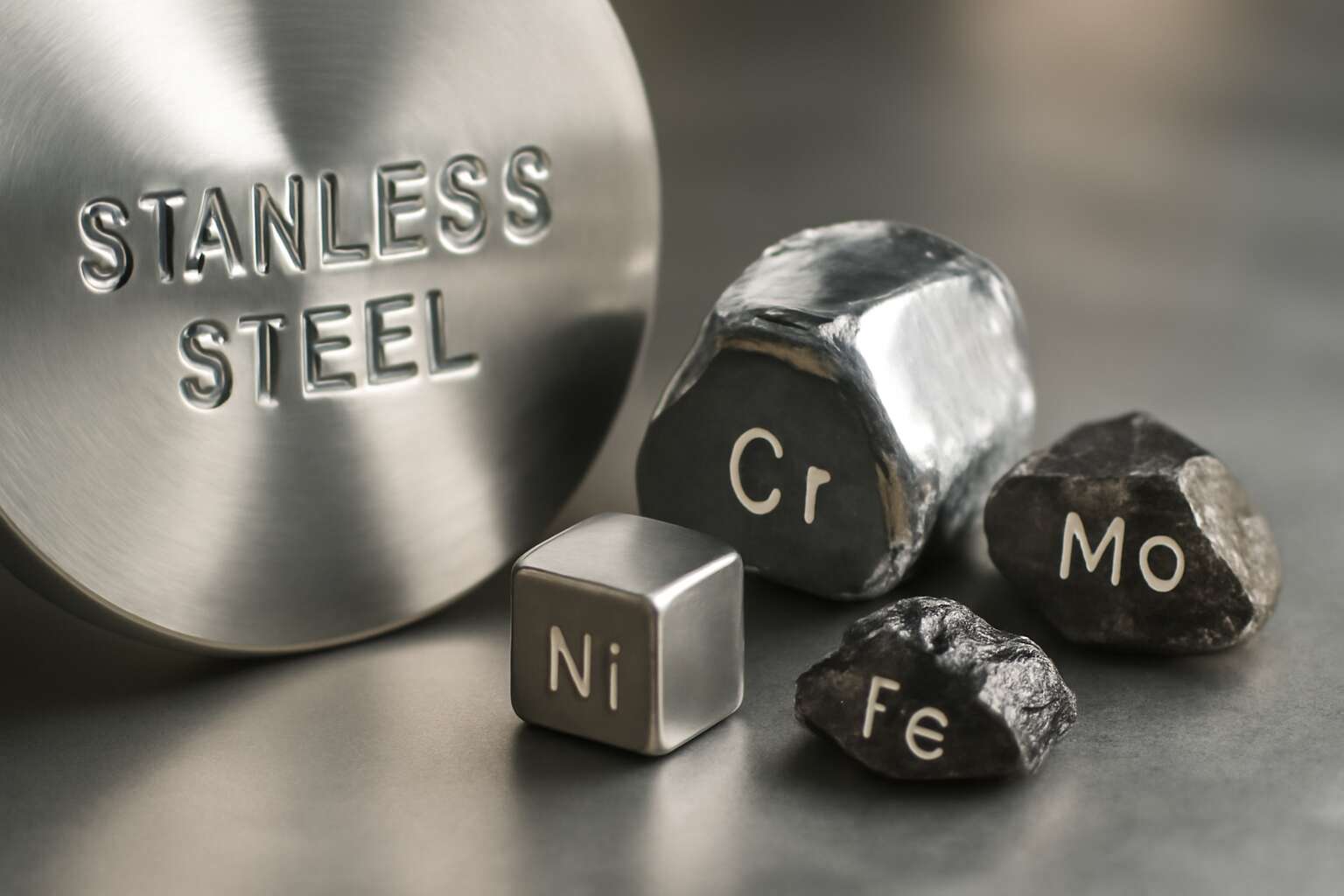
Understanding Stainless Steel Composition
What Is Stainless Steel?
Stainless steel’s remarkable resilience isn’t just about its shiny appearance; it’s a carefully engineered alloy with a complex composition. When you ask, why are other metals added to make stainless steel, the answer reveals a fascinating story of chemical mastery and material science. These additional metals aren’t just fillers—they’re essential for unlocking specific properties that make stainless steel so versatile and durable.
At the core of its strength is chromium, which forms a passive, corrosion-resistant layer on the steel’s surface. However, to enhance other qualities such as toughness, weldability, and resistance to extreme environments, elements like nickel, molybdenum, and titanium are incorporated. For instance, nickel improves ductility and corrosion resistance in acidic conditions, while molybdenum provides extra protection against pitting and crevice corrosion in chloride-rich environments.
Understanding stainless steel composition means recognizing the strategic placement of these metals. In fact, the precise combination can vary based on the intended application, whether for medical devices, kitchenware, or industrial machinery. The addition of these metals transforms basic steel into an alloy capable of withstanding the harshest conditions, which is why why are other metals added to make stainless steel remains a key question for engineers and manufacturers alike. The secret lies in the alloy’s ability to adapt, survive, and excel—thanks to a meticulous blend of elements working in harmony.
Core Elements of Stainless Steel
Understanding the composition of stainless steel reveals a fascinating interplay of elements carefully chosen to craft an alloy that balances strength, corrosion resistance, and versatility. While chromium is the star, forming a resilient passive layer that guards against rust, it’s the other metals added to make stainless steel that truly unlock its potential.
Nickel, for example, enhances ductility and stabilizes the alloy’s structure, making it easier to weld and shape. Molybdenum provides an extra shield against pitting and crevice corrosion, especially in chloride-rich environments like those found in South Africa’s coastal industries. Titanium, on the other hand, contributes to the alloy’s resilience under extreme conditions, ensuring longevity in demanding applications.
In essence, these strategic additions create a complex yet harmonious blend—each metal playing a vital role in elevating stainless steel beyond ordinary steel. This meticulous composition is why understanding why are other metals added to make stainless steel is fundamental for engineers striving to develop materials that can withstand the harsh realities of their environments.
Role of Other Metals in Stainless Steel Alloys
Enhancing Corrosion Resistance
In the realm of stainless steel, the addition of other metals isn’t just a random choice—it’s a calculated strategy rooted in science and necessity. These metals act as secret agents, transforming ordinary steel into a resilient material that withstands corrosive environments. When you ask, “why are other metals added to make stainless steel,” the answer lies in their ability to enhance durability and longevity. Nickel, for instance, forms a protective film that shields the alloy from rust and oxidation, especially in harsh South African coastal climates.
Moreover, the presence of elements like molybdenum elevates the steel’s resistance to pitting and crevice corrosion—common enemies in industrial and marine settings. Here’s a quick look at key metals used:
- Nickel: Improves corrosion resistance and ductility
- Molybdenum: Boosts resistance to pitting and crevice corrosion
- Chromium: Forms a passive oxide layer that prevents rust
These additions turn a basic alloy into a supercharged material capable of facing extreme conditions, making the question—why are other metals added to make stainless steel—more about understanding their crucial role in engineering excellence than mere composition. Each metal’s purpose is clear: to forge steel that endures, persists, and defies the relentless march of time. Truly, in the world of stainless steel, these metals are the unsung heroes of resilience and strength.
Improving Strength and Durability
In the grand tapestry of stainless steel alloys, the addition of metals beyond iron and chromium is akin to weaving enchantments that bolster strength and durability. These supplementary metals act as guardians, fortifying the alloy against the relentless assault of environmental forces. For instance, nickel’s role in the alloy is like a mythical shield, forming a passive film that not only resists rust but also grants the steel remarkable ductility, which is vital for intricate fabrication.
Meanwhile, molybdenum emerges as a formidable ally, especially in marine and industrial environments where pitting and crevice corrosion threaten to weaken the steel’s core. Its presence makes the alloy resilient, capable of enduring the harsh coastal climates prevalent in South Africa. To deepen the alloy’s robustness, manufacturers often incorporate elements such as copper and titanium, each contributing their unique strength to the alloy’s mythic resilience.
- Nickel enhances corrosion resistance and ductility.
- Molybdenum boosts resistance to pitting and crevice corrosion.
- Chromium forms a passive oxide layer that prevents rust.
Enhancing Fabricability and Workability
In the shadowed corridors of metallurgy, the addition of other metals to make stainless steel transforms it from mere iron into a formidable alloy, capable of withstanding even the most relentless assault of nature. These metals—hidden guardians within the alloy—play a vital role in improving fabricability and workability, allowing artisans and manufacturers to shape stainless steel with precision and grace. Their influence extends beyond mere strength, weaving a tapestry of resilience that dances with the dark poetry of durability.
Nickel, for example, is more than a simple additive; it is the soul of ductility, enabling the steel to bend without breaking—a vital trait for intricate fabrication. Molybdenum lends its strength against the corrosive whispers of marine environments, standing firm against pitting and crevice corrosion that threaten to erode the metal’s very core. To deepen the alloy’s resilience, manufacturers often introduce elements such as copper and titanium, each adding their own layer of mythic robustness, allowing stainless steel to endure the brutal climates of South Africa and beyond.
- Improved machinability
- Enhanced weldability
- Greater formability under stress
These metals, woven into the alloy’s dark fabric, do not merely serve as structural enhancements—they elevate stainless steel into a realm where strength and beauty coexist, whispering tales of resilience in every forged curve and every hardened edge.
Types of Metals Added and Their Specific Benefits
Chromium – Key to Rust Resistance
Chromium stands at the heart of understanding why are other metals added to make stainless steel. Its remarkable ability to form a thin, invisible oxide layer on the steel’s surface creates a formidable barrier against rust and corrosion. Without chromium, stainless steel would be just another alloy vulnerable to the relentless assault of moisture and oxygen. This element’s presence transforms ordinary steel into a resilient material that withstands the test of time, especially in demanding environments.
But chromium is just the beginning. To tailor stainless steel for specific applications, other metals are incorporated, each contributing unique benefits. For example, nickel enhances ductility and toughness, making the steel more pliable and easier to work with. Molybdenum, on the other hand, boosts corrosion resistance, particularly against chlorides and marine environments—crucial for coastal South Africa’s dynamic conditions. These additions exemplify how a thoughtful combination of metals creates a versatile and durable alloy, answering the question of why are other metals added to make stainless steel with precision and purpose.
Nickel – Adds Ductility and Toughness
Nickel, often the unsung hero in the stainless steel saga, is added primarily to enhance ductility and toughness. Imagine working with a material that bends and shapes with ease, resisting cracking even under stress—that’s the magic of nickel. This metal transforms the alloy into a more pliable, resilient version of itself, making manufacturing processes smoother and less fraught with peril.
In environments where flexibility and strength are paramount, nickel’s presence is invaluable. It allows stainless steel to endure the rigors of fabrication, from deep drawing to complex welding, without compromising its integrity. This attribute is especially crucial in South Africa, where harsh conditions demand robust materials capable of adapting without succumbing to fatigue.
- Nickel’s ability to improve toughness
- Enhanced workability for intricate designs
- Resilience against mechanical stress
In essence, the addition of nickel exemplifies why are other metals added to make stainless steel — it ensures the alloy is not merely resistant but also versatile and durable enough to meet the demands of modern industry, especially in demanding climates like ours.
Molybdenum – Increases Pitting Resistance
Molybdenum, often regarded as the guardian against aggressive corrosion, plays a crucial role in the composition of stainless steel. Its addition dramatically enhances pitting resistance, a vital trait especially in South Africa’s challenging environments where saltwater and acidic conditions threaten the integrity of metal. Molybdenum acts like a shield, fortifying the alloy against localized corrosion that can otherwise cause devastating failures.
By incorporating molybdenum, manufacturers create stainless steel that withstands the relentless assault of chlorides and other corrosive elements. This metal’s resilience ensures the alloy remains robust, even when exposed to harsh conditions, making it the material of choice for marine, chemical, and industrial applications. So, when pondering why are other metals added to make stainless steel, molybdenum’s role as a corrosion warrior is undeniably central.
- Enhanced resistance to pitting and crevice corrosion
- Improved longevity in chloride-rich environments
- Greater durability for demanding industrial applications
Titanium and Niobium – Stabilizing Elements for High-Temperature Stability
When exploring why are other metals added to make stainless steel, titanium and niobium stand out as vital stabilizing elements. These metals are not just fillers; they are carefully chosen for their ability to enhance high-temperature stability—an essential trait for industrial environments where extreme heat is commonplace. Titanium, with its exceptional strength-to-weight ratio, forms stable carbides that prevent grain growth at elevated temperatures, ensuring the alloy retains its integrity under stress. Niobium, on the other hand, acts as a potent stabilizer by forming carbides and niobium-rich precipitates, which significantly improve creep resistance and long-term stability.
In applications where stainless steel is exposed to intense heat, the addition of these metals creates a resilient barrier against deformation and structural failure. This is why, in the complex quest to understand why are other metals added to make stainless steel, titanium and niobium are often called the unsung heroes—working silently to extend the lifespan and performance of this vital material in South Africa’s demanding industries.
Manganese and Sulfur – Facilitating Manufacturing Processes
While chromium and nickel often steal the limelight in discussions about stainless steel, the subtle roles played by elements like manganese and sulfur are equally pivotal—yet often overlooked. These metals are not mere spectators; they actively facilitate manufacturing processes, ensuring the final product is as resilient as it is refined.
Manganese, for instance, is a true workhorse. It enhances the alloy’s ability to resist cracking during welding and improves hot working properties. Its inclusion ensures that stainless steel can be shaped and formed with finesse, even under the most demanding conditions. Sulfur, conversely, tends to be a bit of a double-edged sword—often considered a contaminant. However, when carefully controlled, sulfur improves machinability, allowing for easier cutting and shaping without sacrificing structural integrity.
- Enhances weldability by reducing the risk of cracking
- Facilitates manufacturing by improving workability and machinability
In the grand puzzle of why are other metals added to make stainless steel, manganese and sulfur exemplify how strategic alloying transforms a simple matrix into a versatile marvel suitable for South Africa’s rugged industries. Their roles exemplify the nuanced dance of elements that elevate stainless steel from basic metal to a resilient, adaptable masterpiece.
Industrial and Commercial Applications
Construction and Architecture
In the bustling world of construction and architecture, stainless steel stands as a testament to human ingenuity—combining strength, resilience, and beauty. But have you ever wondered why are other metals added to make stainless steel? The answer lies in its versatile nature, making it indispensable for both industrial and commercial applications across South Africa.
From towering skyscrapers to intricate bridges, stainless steel’s enhanced properties allow it to withstand the harsh African climate—resisting corrosion from salty coastal air and the intense sun. Its durability reduces maintenance costs and ensures longevity, which is vital in construction projects that demand both safety and sustainability. Incorporating elements like nickel, molybdenum, and titanium, makes stainless steel adaptable for diverse architectural designs, ensuring structural integrity even under extreme conditions.
- Improved corrosion resistance for coastal and industrial environments
- Enhanced strength to support large-scale infrastructure
- Superior workability for intricate architectural details
Kitchen and Food Industry
In the bustling kitchens and thriving food industries of South Africa, stainless steel is the backbone of hygiene and efficiency. But have you ever wondered why are other metals added to make stainless steel? The answer lies in its remarkable ability to withstand harsh cleaning agents, high temperatures, and constant usage—qualities essential for maintaining strict food safety standards.
To further enhance its performance, specific metals are incorporated into the alloy. For instance, adding molybdenum boosts pitting resistance, making stainless steel ideal for environments exposed to salty or industrial atmospheres. Nickel, on the other hand, imparts ductility and toughness, allowing for the fabrication of intricate kitchen fixtures that endure daily wear and tear. Titanium and niobium stabilize the alloy at high temperatures, ensuring that equipment remains durable even under rigorous cooking conditions.
- Corrosion resistance in salty coastal kitchens
- High-temperature stability for cooking equipment
- Enhanced workability for custom fixtures
By understanding why are other metals added to make stainless steel, manufacturers create tools and surfaces that are not only resilient but also easy to maintain—vital factors in South Africa’s vibrant, fast-paced food industry.
Medical Equipment
In the realm of industrial and commercial applications, stainless steel’s resilience is nothing short of remarkable. When it comes to medical equipment, durability and hygiene are paramount, and understanding why are other metals added to make stainless steel reveals the secret behind its dependable performance. Hospitals and clinics rely on stainless steel for everything from surgical tools to sterilization units, thanks to its exceptional corrosion resistance and ease of sterilization.
Adding metals like molybdenum and nickel enhances the alloy’s strength and resistance to chemical damage, which is critical in medical environments. For example, molybdenum improves pitting resistance, making equipment suitable for frequent cleaning with aggressive disinfectants. Nickel imparts ductility, allowing for intricate designs in surgical instruments, while also providing toughness against daily wear and tear.
In fact, the question of why are other metals added to make stainless steel is rooted in its ability to meet the rigorous demands of healthcare settings. This alloy’s composition ensures that medical tools stay sterile, durable, and safe for patients and practitioners alike. Such properties are essential in safeguarding health standards and ensuring longevity in demanding environments.
Aerospace and Marine Industries
The aerospace and marine industries demand materials that can withstand extreme conditions, and stainless steel with added metals is the backbone of their durability. In these sectors, the question of why are other metals added to make stainless steel becomes clear: it’s about creating alloys resilient enough to endure corrosion, high temperatures, and mechanical stress. For instance, marine environments expose metals to saltwater, accelerating corrosion. Adding elements like molybdenum significantly enhances pitting resistance, making stainless steel ideal for ships and offshore platforms.
Similarly, in aerospace applications, where safety and longevity are non-negotiable, the alloy’s strength and stability are crucial. Nickel and titanium are often incorporated to improve toughness and high-temperature performance. This combination ensures that aircraft components maintain structural integrity over decades. By understanding why are other metals added to make stainless steel, industries can tailor their materials for maximum performance, safety, and longevity on a global scale. The strategic addition of these metals elevates stainless steel from a simple alloy to an indispensable resource for demanding environments.
Environmental and Cost Considerations
Sustainable Metal Additions
In the shadowed corridors of metallurgical alchemy, the question persists—why are other metals added to make stainless steel? It is a dance of dark precision, where each element whispers secrets of resilience and longevity. As the world grows more conscious of environmental footprints, the quest for sustainable metal additions becomes paramount. These choices are not merely about performance but also about reducing ecological impact, ensuring the steel’s integrity over centuries rather than decades.
Cost considerations intertwine with these decisions, forging a delicate balance between durability and affordability. The inclusion of specific metals can extend the lifespan of stainless steel, thereby diminishing the need for frequent replacements and minimizing waste. This symbiosis of sustainability and economy underscores the importance of thoughtful alloying. In the end, understanding why other metals are added to make stainless steel reveals a story of resilience, innovation, and respect for both the environment and the economy—an eternal pursuit in the dark artistry of metallurgy.
Cost-Effective Alloy Design
In the intricate tapestry of stainless steel manufacturing, the question of “why are other metals added to make stainless steel” remains a vital thread woven with purpose and precision. These alloying elements are not mere additives; they are the silent architects of resilience, shaping steel’s ability to withstand the relentless march of corrosion, temperature, and wear. As industries evolve—demanding sustainability and cost-efficiency—the craft of alloy design becomes both an art and a science.
To strike a harmonious balance between environmental impact and economic viability, manufacturers turn to sustainable metal additions. These choices extend the lifespan of stainless steel, reducing the need for frequent replacements and curbing waste. For example, incorporating molybdenum enhances pitting resistance, while nickel’s toughness ensures ductility—each element carefully selected to optimize performance without inflating costs. This delicate dance between durability and affordability underscores the importance of thoughtful alloying in modern metallurgy.
Future Trends in Stainless Steel Composition
Innovations in Alloying Elements
Future innovations in stainless steel composition are shaping the way industries approach durability and sustainability. As technology advances, alloying elements are being tailored to meet increasingly demanding environments. Researchers are exploring new metals that can enhance corrosion resistance without compromising strength, making stainless steel even more versatile. These developments aim to reduce costs while expanding application ranges across sectors such as construction and aerospace.
One exciting trend is the integration of rare earth elements and advanced alloys that provide superior high-temperature stability and corrosion resistance. This evolution addresses the question of why are other metals added to make stainless steel—adding these metals unlocks properties impossible with traditional compositions. Manufacturers are also experimenting with multi-element alloys, blending elements like vanadium and tungsten, to achieve a balance of toughness and resilience. Such innovations promise stainless steel that is lighter, more eco-friendly, and capable of withstanding extreme conditions for decades to come.
Eco-Friendly Additions
As the world pushes toward more sustainable and high-performance materials, future trends in stainless steel composition are increasingly focused on eco-friendly additions. Researchers are exploring the integration of rare earth elements, such as cerium and lanthanum, which can significantly enhance corrosion resistance while reducing reliance on traditional alloying metals. This shift not only boosts the longevity of stainless steel but also aligns with global sustainability goals.
One exciting development involves multi-element alloys designed to balance toughness, resilience, and environmental impact. These innovations are paving the way for stainless steel that is lighter, more durable, and capable of enduring extreme conditions—ideal for industries like construction, aerospace, and marine applications. The question of why are other metals added to make stainless steel remains central, as each new element unlocks unique properties that traditional compositions couldn’t achieve.
Furthermore, eco-friendly alloying elements are being tailored to minimize energy consumption during manufacturing, making stainless steel more sustainable from production to end-use. As technology advances, the inclusion of these metals will continue to evolve, ensuring stainless steel remains a versatile and resilient material for generations to come!


0 Comments