
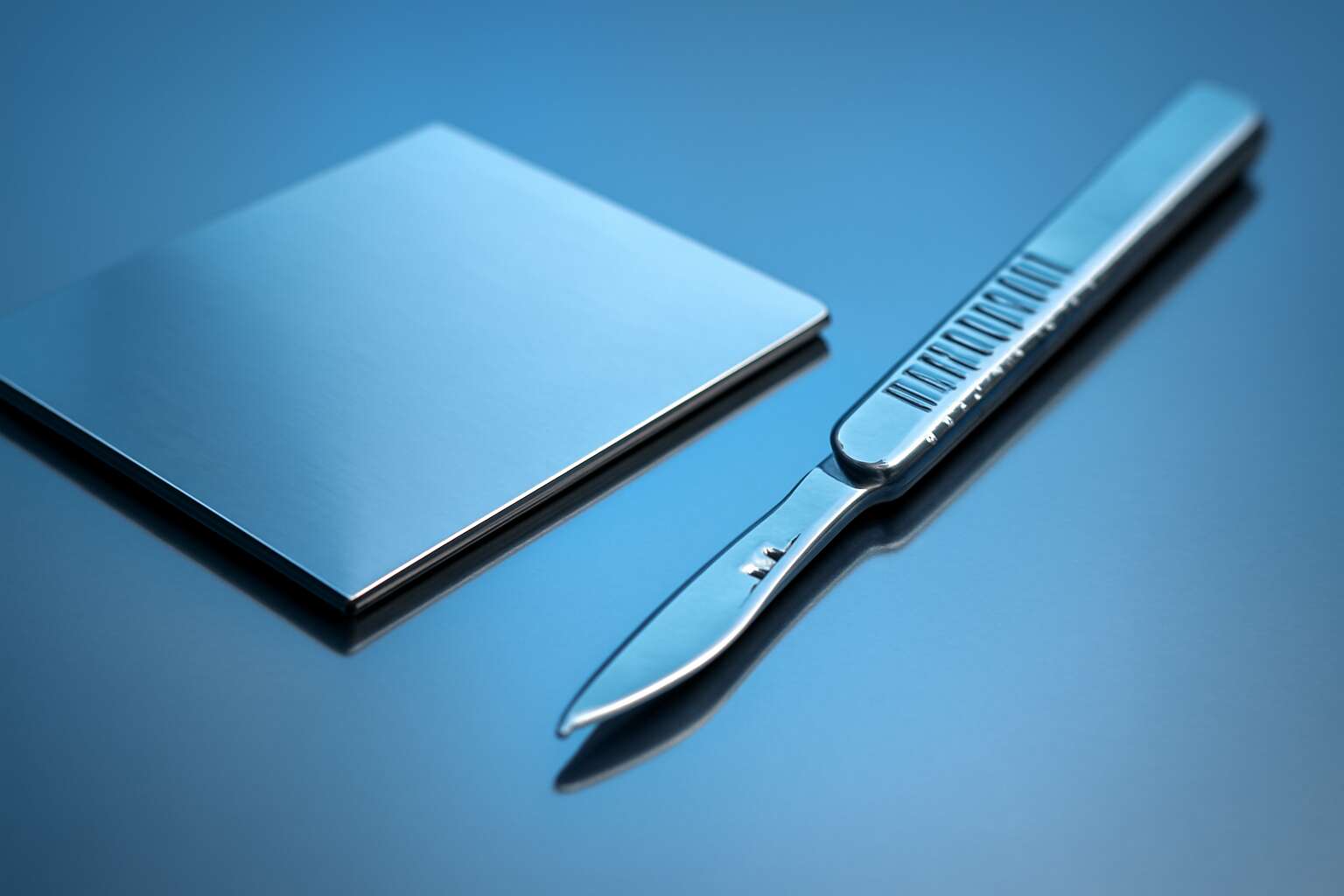
Understanding Stainless Steel and Surgical Steel
What is stainless steel and its common alloys
“Steel isn’t just metal; it’s longevity you can feel.” In South Africa, kitchens and clinics rely on steel that holds its shine through constant use and cleansing.
Stainless steel is a family of iron alloys with chromium that resists rust. Common grades include 304/304L for everyday durability and 316/316L where salt exposure or wet conditions loom. Surgical steel sits within this realm but targets medical-grade cleanliness and sterilization standards.
Here are typical alloys you’ll encounter:
- 304/304L stainless steel
- 316/316L stainless steel
- 316L surgical-grade stainless steel
In the stainless vs surgical steel debate, finishing and heat treatment matter as much as composition, shaping shine, corrosion resistance and fatigue in South African settings.
What is surgical steel and its target grades
Across South Africa, stainless surfaces endure hundreds of thousands of wipe-downs while keeping their shine. Understanding the stainless vs surgical steel conversation helps clinics balance sterilization with durability. Surgical steel sits within the stainless family, but it is engineered for medical-grade cleanliness and regular autoclaving. It targets grades that combine corrosion resistance with biocompatibility and ease of cleaning.
- 316L surgical-grade stainless steel — excellent corrosion resistance, favored for instruments and implants.
- 304L stainless steel — good formability for components that must be cleaned frequently.
- 316 stainless steel — robust in saline environments and critical hospital settings.
Finishing and heat treatment influence how these steels hold shine, resist fatigue, and withstand repeated sterilization in South African clinics and kitchens.
Core differences in composition and properties
In South Africa’s clinics, sterilization reveals a quiet truth: steel that endures, gleams, and cleans easily is rare. Understanding stainless vs surgical steel core differences in composition and properties shows why some alloys resist corrosion while others excel at antiseptic cleanliness. Surgical steel sits within the stainless family, engineered for medical-grade cleanliness and autoclaving, targeting grades that blend corrosion resistance with biocompatibility and easy cleaning.
Within this conversation, a few core distinctions stand out. This stainless vs surgical steel dialogue frames how clinics select alloys:
- Chromium and nickel levels boost passive protection and stain resistance.
- Alloying elements such as molybdenum improve performance in saline environments.
- Finishing and heat treatment shape shine, fatigue resistance, and cleaning ease.
From the operating theatre to the kitchen, the choice between stainless vs surgical steel threads through durability, safety, and the poetry of metal that forgives repeated sterilization without losing its grace.
How alloying elements influence corrosion resistance and strength
Within SA clinics and workshops, the quiet arithmetic of metals plays out in sterilization cycles. Understanding how alloying elements influence corrosion resistance and strength explains why stainless vs surgical steel behave as they do in autoclaves and clean rooms. I’ve watched teams choose alloys that balance longevity with biocompatibility, where every scratch becomes a story of resilience and care!
Here are the principal alloying players shaping that balance:
- Chromium forms the protective passive layer that resists corrosion.
- Nickel stabilizes the austenitic matrix for toughness and easy cleaning.
- Molybdenum boosts resistance to chlorides and pit formation in saline environments.
- Finishing and heat treatment sculpt surface shine, fatigue resistance, and cleanability after repeated sterilization.
From dentistry to kitchen counters, the magic lies in careful chemistry and disciplined processing. I’ve seen how the right mix lets instruments endure countless autoclaves without losing their grace!
Key Properties and Performance
Corrosion resistance and passivation behavior
“Salt air whispers the truth,” a metallurgist might say, and stainless vs surgical steel reveal their truth in a gleam. The chromium-rich shield that forms on exposure to oxygen—the passive film—keeps rust at bay for both families, though with different stubbornness. In environments heavy with chlorides, the speed and strength of that film’s return after disturbance becomes the deciding factor.
- Chromium content and the stability of the passive oxide film.
- Chloride exposure and the risk of localized attack when the film is compromised.
- Surface finish, cleanliness, and microstructure influence how quickly passivation reforms after abrasion.
In the theatre of metal, these properties write a different destiny for stainless vs surgical steel in South Africa’s varied environments.
Hardness, strength, and wear resistance
Hardness isn’t a number; it’s a pact stamped when pressure rises. In the drama of stainless vs surgical steel, resilience wears different guises, ready for South Africa’s sun and salt air. The choice signals more than shine—it’s performance forged by alloying and finishing that promises longevity.
- Hardness: resistance to dents and surface chipping under load.
- Strength: ability to bear weight without permanent deformation.
- Wear life: abrasion resistance in gritty, dusty, or sandy settings.
- Fatigue resilience: sustained performance under repetitive stress.
Hardness and strength hinge on carbon content and the alloy matrix. Stainless grades derive bite from chromium and nickel; surgical steels often rely on precipitation or carbide formation to sharpen wear life. Heat treatment, surface finish, and clean fabrication steer how quickly a surface re-hardens after abrasion.
Across South Africa’s environments, the right balance of hardness, strength, and wear resistance keeps equipment faithful to its task, enduring seasons of use.
Temperature tolerance and heat treatment implications
South Africa’s sun-baked workshops teach a simple truth: the real test of steel is how it behaves under heat and grit. When weighing stainless vs surgical steel, temperature tolerance becomes the deciding factor—can the surface stay hard and the core resist softening in cycling heat and salt air? Heat treatment—annealing, quenching, tempering—reshapes the metal’s microstructure, guiding how quickly it re-hardens after abrasion and how it holds up over time.
- Thermal stability across service temperatures and how the alloy tolerates heat
- Heat-treatment effects on surface hardness after wear and how re-hardening unfolds
- Finish quality and clean fabrication, which influence longevity after heat cycling
In South Africa, temperature tolerance and heat treatment define the edge that lasts—stainless vs surgical steel respond in their own ways, weathering salt, sun, and time.
Biocompatibility and medical-grade considerations
Key properties guiding clinical choice are corrosion resistance, surface stability, and biocompatibility under sterilization. Biocompatibility hinges on how elements migrate into bodily fluids and whether surface films resist delamination during cycles of heat and humidity. When you weigh stainless vs surgical steel, the surface chemistry and finish quality become deciding factors—their behavior under repeated autoclaving, coastal salt air, and mechanical wear reveals long-term safety. In South Africa’s medical supply chain, reliability under heat and cleaning is non-negotiable.
- Biocompatibility standards and nickel release profiles
- Medical-grade finishes and passivation quality
- Sterilization compatibility and cleaning regimen
Together, these facets illuminate why material choice in healthcare hinges on predictable performance amid heat, wear, and routine sanitation.
Durability under mechanical stress and fatigue
Endurance wears a different mask than pure strength. When devices endure cyclic loads, fatigue resistance becomes the deciding factor. The stainless vs surgical steel comparison isn’t just about composition—it’s about how the metal behaves under repeated stress, where surface finish and microstructure guide survival through countless cycles.
Under mechanical duress, small surface flaws multiply, and cracks can propagate with frightening alacrity. Fatigue strength, grain structure, and the quality of the protective film shape how long parts stay in spec.
- Fatigue strength and surface finish
- Wear resistance under repeated contact
- Impact toughness under accidental shocks
African clinics and coastal labs feel the truth in predictable life under heat, wear, and routine handling.
Common Grades and Their Uses
Popular stainless steel grades and their characteristics
In the forge of modern steel, a single choice can spell destiny—the right grade elevates a tool from daily work to enduring legend. As we navigate stainless vs surgical steel, I glimpse how a handful of common grades become the backbone of projects, delivering reliability with a quiet, steadfast shine!
- 304/304L: The versatile workhorse—strong formability, excellent corrosion resistance, perfect for kitchens, architectural fittings, and consumer goods.
- 316/316L: Superior chloride resistance, ideal for coastal environments, marine applications, and medical instruments.
- 430: An economical ferritic option with good formability for appliances and trim where magnetism matters.
- 410/420: High hardness for blades and tools, with 420 widely used in surgical instruments and premium cutlery.
Across borders and industries, these grades shape the narrative of durability, wear, and beauty.
Surgical steel grades and typical medical applications
“The right grade writes longevity into medical tools,” a veteran machinist once said. In the ongoing tale of stainless vs surgical steel, the focus is on purity of function and a quiet, corrosion-free life in the body’s busy environment.
Common surgical grades serve distinct medical roles—316L for implants and corrosion-resistant fasteners, 420 and 410 for blades and tools needing keen edges, and 304L for housings and surgical-diagnostic components.
- 316L: implants, screws, and long-term surgical fasteners
- 420/410: blades, scalpels, and precision instruments
- 304L: housings, clamps, and diagnostic fixtures
These choices demonstrate how stainless steel compounds translate to real-world reliability, where performance under sterilization and wear matters more than looks alone.
Applications across culinary, industrial, and medical fields
“The right grade writes longevity into medical tools,” a veteran machinist once said. Across South Africa’s kitchens, factory floors, and hospital wards, a single grade anchors performance. stainless vs surgical steel are not mere labels; they map to reliability under heat, cleaning, and wear. These choices keep edges keen, screws secure, and devices dependable through repeated sterilization.
Common grades and their uses span culinary, industrial, and medical fields:
- 304L — housings, clamps, and diagnostic fixtures; widely used in sanitary kitchen gear and food-processing equipment.
- 316L — implants and corrosion-resistant fasteners; common in medical devices, surgical housings, and rugged kitchen fittings.
- 420/410 — blades and precision tools; prized for sharp edges in chef knives and surgical blades.
Across these applications, the right alloy delivers reliability where heat, sterilization, and wear meet daily demands in South Africa’s diverse environments.
Quality markers, standards, and certifications (ASTM, ISO, EN)
Across South Africa, the right grade isn’t just about performance—it’s about traceable quality. When you compare stainless vs surgical steel, reliability is defined by how well a supplier proves durability under heat, cleaning, and wear. Grades like 304L, 316L, and 420/410 anchor kitchens, facilities, and clinics. That matters!
Quality markers and certifications seal the deal: look for documented compliance with ASTM, ISO, and EN standards, plus clear heat numbers and MTRs. Medical-grade supply often demands ISO 13485 and EN 10204 3.1/3.2, while general stainless uses ASTM A276/A240 and ISO 9001 for manufacturers.
- Mill Test Report with heat and lot data
- EN/ISO/ASTM standard compliance certificates
- EN 10204 3.1 or 3.2 traceability
- ISO 13485 or ISO 9001 QA certification
Cost, availability, and procurement considerations
Across South Africa, common grades like 304/304L and 316/316L anchor kitchens, clinics, and light industrial service, while 410/420 variants keep shop floors sharp and cost-conscious. When you weigh stainless vs surgical steel, cost, availability, and traceability shape every decision. Stainless grades offer broad stock and quick fills, but surgical steel lines lean on certified medical-grade supply chains and consistent heat-number documentation. For rural workshops and township clinics, the choice boils down to what you need under heat, cleaning, and wear—and what your local supplier can reliably deliver.
- Stock availability and lead times in your region
- Mill Test Reports (MTRs) and full traceability
- Certification alignment (ISO/EN/ASTM) for your use case
- Cost per kilogram and minimum order quantities
In the end, the story isn’t only about corrosion resistance or machinability. It’s about provenance, consistency, and a supplier you can rely on when the worst wear and the tightest schedules collide.
Maintenance, Longevity, and Practical Considerations
Cleaning, storage, and care to minimize corrosion
“Quality is never an accident,” John Ruskin once said, and in metalwork the axiom rings true for stainless vs surgical steel. In South Africa’s kitchens and clinics, proper care translates into fewer corrosion surprises and longer service life. That matters!
To minimize corrosion, practices in facilities lean toward gentle detergents and thorough drying; chlorine-based cleaners and prolonged exposure to salty air are known adversaries, especially near coastal settings. Storing items in a cool, dry cupboard helps maintain protective oxide layers.
Simple routines pay off.
Over the long haul, longevity hinges on consistent care rather than the alloy alone. With mindful storage and routine cleaning, stainless vs surgical steel stay looking sharp and ready for demanding environments.
Surface finishes, coatings, and protective treatments
Maintenance begins with the finish. Brushed, satin, or mirror-polished surfaces hide wear differently and respond to gentle detergents. In kitchens and clinics across South Africa, electropolished finishes reduce micro-crevices where salts hide, while protective coatings add a buffer against humidity. The goal is steady care.
Longevity hinges on intelligent protection: passivation to restore the oxide layer, occasional electropolishing to lift grime, and low-friction coatings for high-use tools. Surface finishes and protective treatments matter as much as alloy choice in the long run; they shape corrosion resistance in real-world use.
Practical considerations guide choice and care. In South Africa, the choice between stainless vs surgical steel is tempered by surface strategy. Here are quick touches to keep the edge without glare:
- Finish selections align with the environment and cleaning workflows
- Protective coatings should be compatible with SA standards and intended use
- Awareness of scratches and pitting informs maintenance planning
Choosing between stainless and surgical steel for specific projects
Across humid South African kitchens and clinics, corrosion downtime can account for up to 12% of maintenance budgets. The finish is the first line of defense—the shield that keeps metal honest. The debate of stainless vs surgical steel isn’t mere lore; it’s a choice shaped by finish strategy as much as alloy. When surfaces are gently maintained and protected, a sharp edge stays true.
Longevity hinges on intelligent protection: passivation helps sustain the protective oxide, surface rejuvenation softens grime, and low-friction coatings allow high-use tools to move with ease. Finishes and protective treatments matter as much as alloy choice in the long run.
Practical considerations guide choice and care in South Africa. Align finishes with environment and cleaning workflows, and keep coatings aligned with SA standards and intended use.
- Finish aligns with environment and cleaning protocols
- Coatings meet SA standards and intended use


0 Comments