
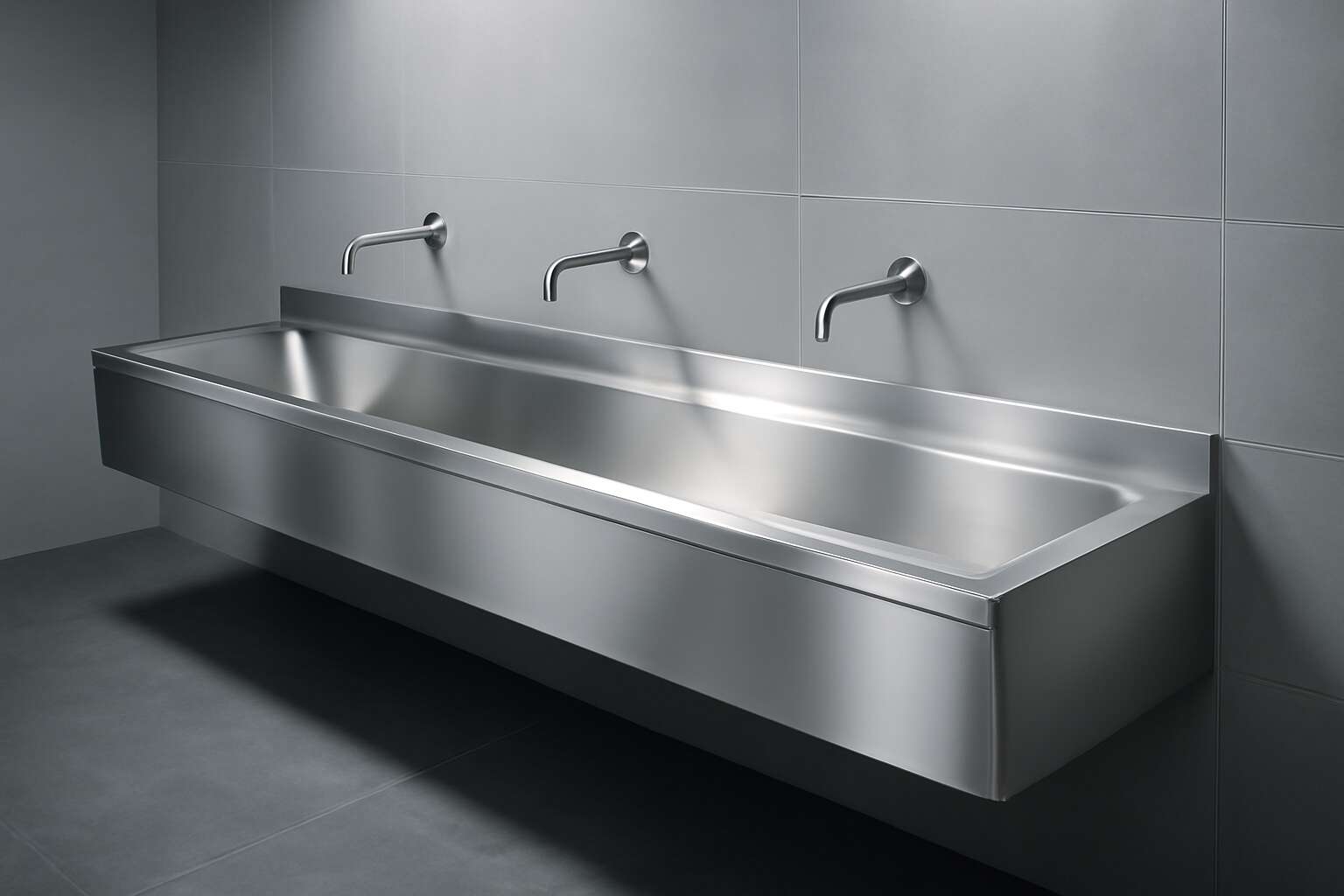
Benefits of Using Stainless Steel Wash Troughs
Durability and Longevity – Why stainless steel is the ideal material for wash troughs
In the realm of commercial and industrial wash stations, few materials command the respect and admiration that stainless steel garners. Its resilience is a testament to nature’s ingenuity—an alloy forged by science to withstand the relentless assault of time and use. When selecting a wash trough stainless steel, one embraces a partner that does not falter under pressure, nor succumb to corrosion, even in the most demanding environments.
The durability and longevity of stainless steel are unparalleled—qualities that translate into significant savings and peace of mind. Unlike lesser materials, a wash trough stainless steel resists staining, rust, and pitting, ensuring a pristine appearance for years to come. Imagine a fixture that maintains its sleek, hygienic surface, undiminished by the harsh chemicals or constant washing cycles. This steadfastness makes stainless steel the ideal choice for facilities across South Africa, where robustness and reliability are paramount.
- Unyielding resistance to corrosion and staining
- Exceptional strength that endures through decades
- Minimal maintenance required to retain pristine condition
Choosing a wash trough stainless steel is more than a decision—it’s an investment in durability that echoes the resilience of the landscapes it serves. Each curve and seam whispers stories of resilience, a testament to quality that withstands the test of time and tide. Truly, stainless steel is the silent hero in the saga of hygiene and durability—steadfast, enduring, and eternally reliable.
Corrosion and Rust Resistance – Ensuring longevity in various environments
In environments where cleanliness and durability are non-negotiable, the corrosion and rust resistance of wash trough stainless steel stands out as a game-changer. South African industries, from hospitality to manufacturing, benefit immensely from this material’s ability to withstand harsh conditions, including exposure to moisture, chemicals, and varying temperatures.
Unlike inferior materials that quickly succumb to corrosion, a wash trough stainless steel offers unmatched longevity. Its inherent resistance to rust ensures the fixture remains pristine, even after years of heavy use. This durability not only maintains a hygienic appearance but also reduces maintenance costs significantly. For facilities operating on tight budgets, that’s a crucial advantage.
Moreover, the resilience of stainless steel extends to its resistance against staining and pitting—common issues that compromise the integrity of lesser materials. With minimal upkeep, a wash trough stainless steel continues to perform reliably, making it a wise investment for any demanding environment.
- Corrosion resistance prevents rust and prolongs lifespan.
- Stain resistance ensures a consistently clean appearance.
- Minimal maintenance keeps operational costs low.
Hygiene and Cleanliness – Easy maintenance and bacteria prevention
When it comes to maintaining impeccable hygiene standards, a wash trough stainless steel is nothing short of a superhero in disguise. Its smooth, non-porous surface resists bacteria buildup, making it a hygienic choice for bustling kitchens, hospitals, and hospitality venues across South Africa. Unlike porous materials that trap grime and germs, stainless steel’s sleek finish is a germ’s nightmare—easy to wipe clean and impossible for bacteria to cling onto.
Keeping a wash trough stainless steel spotless is a breeze. Regular cleaning with mild detergents is enough to preserve its pristine look, and its resistance to staining means no unsightly marks mar the surface. This low-maintenance aspect not only saves time but also keeps operational costs down—a win for budget-conscious facilities. Plus, its natural resistance to corrosion prevents the growth of mold and mildew, ensuring a consistently sanitary environment.
- Easy to disinfect
- Resistant to staining and pitting
- Supports hygienic practices with minimal effort
Aesthetic Appeal – Modern and sleek design options
In a world where aesthetics often take a backseat to practicality, stainless steel wash troughs emerge as a beacon of both elegance and function. Their sleek, modern design options transform utilitarian spaces into visually compelling environments. It’s not just about durability; it’s about creating a space that inspires confidence, cleanliness, and professionalism. The reflective surface of a wash trough stainless steel can elevate the entire ambiance, making it feel more spacious and inviting—an understated statement of quality.
Beyond their visual appeal, these wash troughs support a sense of purpose and integrity. They embody a quiet resilience that resonates deeply with those who value excellence in hygiene and operational efficiency. For institutions in South Africa, where robust solutions meet demanding environments, the aesthetic versatility of stainless steel wash troughs ensures they blend seamlessly into any setting, from high-end hospitality venues to bustling healthcare facilities. Their design options are not just functional but also a reflection of a commitment to excellence—because in the end, appearance and purpose are intertwined in the pursuit of true professionalism.
Types of Stainless Steel Wash Troughs
Standard Rectangular Troughs – Features and typical uses
When it comes to choosing a wash trough stainless steel, the classic rectangular design remains a popular staple across many industries. These standard troughs are renowned for their versatile shape and durable construction, making them ideal for busy kitchens, farms, and industrial settings. Their simple yet robust form allows for efficient water flow and easy integration into existing layouts, ensuring sanitation and functionality are never compromised.
Typically, rectangular wash trough stainless steel models feature smooth, seamless surfaces that are straightforward to clean—an essential attribute in environments where hygiene is paramount. They can be custom-sized to fit specific space requirements, accommodating everything from small workshops to large agricultural units. The clean lines and sturdy build of these troughs not only promote hygiene but also lend a sleek, professional appearance that elevates any workspace.
- Ease of maintenance thanks to their smooth surface
- Adaptability to various space constraints
- Durability under heavy use and frequent cleaning
In essence, standard rectangular wash trough stainless steel units offer a reliable, cost-effective solution for those seeking practicality combined with longevity and aesthetic appeal. Their timeless design and proven performance make them an essential component in many South African industries, reflecting resilience and efficiency in every use.
Undermount and Recessed Troughs – Space-saving solutions
Space is often at a premium in bustling South African industries, and choosing the right wash trough stainless steel can be the difference between efficiency and clutter. Undermount and recessed troughs stand out as clever solutions that maximize available space without sacrificing functionality. These types of wash trough stainless steel are designed to sit seamlessly beneath counters or flush with walls, creating a sleek, uninterrupted surface that enhances hygiene and ease of cleaning.
Undermount wash trough stainless steel units are particularly popular in laboratories and commercial kitchens, where every square centimeter counts. Their hidden mounting ensures there are no protruding edges, reducing snag hazards and simplifying sanitation routines. Recessed troughs, on the other hand, are set into wall cavities, offering a streamlined appearance and conserving floor space—perfect for tight work environments or crowded industrial settings.
Both options provide a minimalist aesthetic paired with exceptional durability, ensuring they withstand heavy use in demanding environments. Their unobtrusive design and versatile installation options make them an ideal choice for those seeking space-saving solutions in their wash stations—proving once again that smart design can meet practicality head-on with the right wash trough stainless steel.
Wall-Mounted Troughs – Advantages for different settings
Wall-mounted wash trough stainless steel units stand as silent sentinels in the bustling corridors of South African industries, transforming ordinary spaces into havens of efficiency and elegance. These fixtures are more than mere functional elements; they are the backbone of hygiene and productivity in environments where cleanliness is paramount. Their elevated position on the wall allows for effortless access and unencumbered movement, making them ideal for factories, medical facilities, and food processing plants — wherever space is a premium and hygiene cannot be compromised.
One of the most compelling advantages of wall-mounted wash trough stainless steel is their versatility. They can be seamlessly integrated into various settings, offering a clean, uncluttered appearance that elevates the overall aesthetic. Moreover, their design simplifies sanitation routines, as there are no awkward corners or crevices—just smooth surfaces that can be quickly wiped down, ensuring bacteria prevention and easy maintenance. For busy workplaces in South Africa, this means less downtime and more focus on what truly matters.
In addition to their practical benefits, wall-mounted wash trough stainless steel units often come with customizable features such as:
- Adjustable heights for ergonomic comfort
- Integrated draining systems to prevent water pooling
- Optional splash guards to contain messes
Whether in a laboratory, a commercial kitchen, or an industrial workshop, these wash trough stainless steel units embody a perfect harmony of durability, hygiene, and aesthetic appeal, making them an indispensable element in the modern South African industrial landscape. Their unobtrusive yet resilient presence ensures that cleanliness and efficiency remain at the forefront of every operation, inspiring confidence in every wash.
Custom-Shaped Troughs – Tailored options for unique requirements
In the shadowed corridors of industry, where precision and adaptability reign supreme, custom-shaped wash trough stainless steel emerges as a silent guardian of hygiene and efficiency. These bespoke fixtures are crafted to meet the most arcane and unique requirements, transforming ordinary spaces into sanctuaries of functionality. Imagine a wash trough stainless steel that curves like a serpent, fitting snugly into a labyrinth of narrow passages, or one that conforms to the irregular contours of a vintage workshop—each tailored design tells a story of purpose and resilience.
The beauty of custom-shaped wash trough stainless steel lies in its ability to transcend the limitations of standard models. Whether for an industrial workshop or a cutting-edge laboratory, these units can be designed with specific dimensions, depths, and configurations that align seamlessly with the environment’s demands. Sometimes, an elongated, serpentine trough is necessary to accommodate high-traffic zones, while in other cases, angular or asymmetrical shapes are required to optimize space and workflow.
For those seeking a perfect harmony between form and function, bespoke wash trough stainless steel offers options such as:
- Curved or angled designs for enhanced flow and accessibility
- Integrated shelving or drainage channels tailored to specific needs
- Custom mounting features to suit unconventional spaces
In the realm of South African industries, where environments are as diverse as the landscapes, these custom solutions ensure that every wash trough stainless steel becomes a bespoke masterpiece—an essential element that merges durability with the unique aesthetics of each space, forging an unyielding bond between purpose and artistry.
Key Features to Consider When Choosing a Wash Trough Steel
Material Grade – Different stainless steel grades and their advantages
Choosing the right stainless steel grade for your wash trough stainless steel isn’t just a matter of preference; it’s a strategic decision that impacts performance, maintenance, and longevity. With over 150 grades of stainless steel available globally, understanding their unique properties can feel like navigating a labyrinth of shimmering options. The secret lies in selecting a grade that combines resilience with ease of care, ensuring your wash trough remains pristine and functional for years to come.
Among the most popular choices are Grade 304 and Grade 316 stainless steel, renowned for their superior corrosion resistance and robust structural integrity. Grade 316, in particular, offers exceptional resistance to harsh environments and chlorinated water, making it ideal for settings with high humidity or exposure to chemicals. This grade’s resilience ensures that your wash trough stainless steel maintains its sleek appearance and hygienic surface without succumbing to rust or staining.
Key Features to Consider
- Corrosion resistance: A crucial factor for environments with moisture or chemicals.
- Strength and durability: Ensuring the wash trough withstands daily wear and tear.
- Ease of fabrication: Allowing for custom shaping and installation.
In the realm of stainless steel grades, 304 and 316 stand out as the champions—each offering a unique blend of advantages that cater to diverse needs. The choice hinges on understanding the environment in which your wash trough stainless steel will serve, ensuring it remains as captivating and dependable as the day it was installed.
Size and Capacity – Matching trough dimensions to needs
Choosing the right size and capacity for your wash trough stainless steel is a decision that can significantly influence operational efficiency. It’s not just about fitting the space; it’s about matching the trough’s dimensions to the specific needs of your environment. An oversized wash trough stainless steel may take up valuable space and lead to unnecessary cleaning efforts, while one that’s too small could hinder workflow and cause congestion.
Understanding the volume of use and the number of users is essential. For high-traffic areas, opting for a larger capacity ensures smooth operation without constant emptying or overflow issues. Conversely, smaller settings can benefit from compact designs that maximize space without sacrificing hygiene or functionality. Consider the typical tasks and frequency of use, then select a wash trough stainless steel that balances practicality with durability.
In environments where flexibility is key, modular or custom-shaped wash troughs may be the perfect solution. These tailored options allow for seamless integration into existing layouts, minimizing disruption and enhancing overall efficiency. Ultimately, matching the trough size and capacity to your specific operational demands guarantees a durable, hygienic, and visually appealing wash station that stands the test of time.
Drainage and Overflow Features – Ensuring efficient water flow
When selecting a wash trough stainless steel, paying attention to drainage and overflow features is vital for maintaining efficient water flow and preventing costly mishaps. A well-designed drainage system ensures that water exits smoothly, reducing the risk of pooling or flooding that can compromise hygiene and safety. Additionally, an effective overflow feature acts as a safeguard, especially in high-traffic environments such as industrial kitchens or communal wash areas, where water levels can rise unexpectedly.
Key features to consider include the type of overflow mechanism—whether it’s a simple rear overflow or an integrated side overflow—and its ease of access for maintenance. For optimal performance, look for wash trough stainless steel models with robust drainage outlets that can handle high volumes of water without clogging. These outlets should be compatible with standard plumbing fittings, making installation and repairs straightforward. Choosing a trough with a thoughtfully designed drainage and overflow system not only enhances functionality but also extends the lifespan of the stainless steel wash trough, ensuring it remains resilient through years of demanding use.
Surface Finish – Matte vs. polished options
When selecting a wash trough stainless steel, the surface finish isn’t merely an aesthetic choice; it’s a statement of practicality and style. Matte finishes, with their subtle sophistication, are excellent at concealing fingerprints and water spots, making them ideal for high-traffic environments. Conversely, polished surfaces exude a radiant gleam, elevating the visual appeal and projecting a sense of cleanliness and modernity—perfect for settings where presentation matters.
Consider the environment—if the wash trough stainless steel will endure frequent use with potential for scratches, a matte finish might serve better in hiding minor imperfections. For areas demanding a pristine, reflective look, a polished surface enhances hygiene perception, though it may require a more diligent cleaning regime. Whichever finish you choose, ensure it complements your overall aesthetic and maintenance capacity. After all, a well-chosen surface finish transforms a mere functional fixture into a refined centerpiece of any wash area.
Installation Requirements – Ease of installation and maintenance
Choosing the right installation for your wash trough stainless steel isn’t just about aesthetics—it’s about creating a seamless blend of functionality and style that endures. Ease of installation becomes a crucial factor, especially in busy environments where downtime needs to be minimized. A well-designed setup allows for quick assembly, reducing labor costs and ensuring your wash trough stainless steel is operational sooner rather than later.
Maintenance, too, plays a pivotal role. Opting for a design that simplifies cleaning—such as accessible drainage points and smooth surfaces—can make routine upkeep effortless. For example, wall-mounted troughs often allow for easier access underneath, facilitating swift cleaning routines. When selecting your wash trough stainless steel, consider features like drainage efficiency and overflow controls, which are vital for smooth operation and hygiene.
- Assess installation space and structural support to ensure compatibility.
- Choose durable mounting options suited to your environment.
- Prioritize designs that allow for quick cleaning and minimal corrosion risk.
In the end, the perfect wash trough stainless steel is one that combines ease of installation with straightforward maintenance, transforming an ordinary fixture into a reliable, long-lasting centerpiece of your wash area. It’s this thoughtful approach that elevates the everyday utility of stainless steel into a statement of durability and precision craftsmanship, especially in dynamic settings across South Africa.
Applications of Stainless Steel Wash Troughs
Commercial and Public Restrooms – High-traffic durability
In busy public restrooms and commercial facilities across South Africa, stainless steel wash troughs have become a staple, thanks to their unmatched durability and ease of maintenance. These high-traffic environments demand fixtures that can withstand constant use without faltering, and wash trough stainless steel units fit this bill perfectly. Their robust construction ensures they resist scratches, dents, and corrosion, making them ideal for settings like airports, shopping malls, and industrial kitchens.
Moreover, the sleek, modern appearance of wash trough stainless steel enhances the overall aesthetic of any space, while also supporting hygiene standards. The smooth surface is easy to clean and minimizes bacterial buildup, which is critical in public health management. For facilities with specific needs, custom-shaped troughs provide tailored solutions that optimize space and functionality, further reinforcing their versatility for diverse applications.
Industrial Facilities – Resistant to harsh conditions
In the rugged environments of South Africa’s industrial sectors, resilience isn’t just a bonus—it’s a necessity. Stainless steel wash troughs have proven to be indispensable for facilities where durability and performance matter most. These wash trough stainless steel units are engineered to withstand the relentless demands of harsh conditions, from chemical exposure to high temperatures. Their resistance to corrosion and rust ensures that they remain in prime condition, even after years of heavy use.
For industries such as mining, manufacturing, and food processing, the versatility of wash trough stainless steel is unmatched. They can be customized to fit specific spatial requirements, whether through oversized capacities or unique shapes. The seamless surface of these troughs not only simplifies cleaning but also plays a critical role in maintaining strict hygiene standards. When choosing the right wash trough stainless steel, selecting the appropriate material grade and surface finish can make all the difference, ensuring longevity and ease of maintenance in demanding environments.
Healthcare and Laboratory Settings – Sterility and hygiene compliance
In high-stakes environments like healthcare and laboratories, maintaining sterility isn’t just a goal—it’s a mandate. Stainless steel wash troughs are the unsung heroes in these settings, providing an impeccable surface that adheres to strict hygiene standards. Their smooth, non-porous surface resists bacteria buildup, making sterilization quick and effective. When every second counts, and contamination could mean disaster, the reliable performance of wash trough stainless steel units becomes invaluable.
From hospitals to research labs, these troughs are often designed with specialized features such as integrated drainage systems and seamless joins, ensuring a pathogen-free environment. Their robustness withstands rigorous cleaning protocols, including chemical disinfectants, without losing integrity. For facilities aiming to uphold the highest hygiene standards, choosing the right wash trough stainless steel isn’t just smart—it’s essential. After all, in spaces where purity is paramount, only the best will do.
Food Processing and Kitchen Areas – Sanitation standards
In bustling kitchens and vibrant food processing plants across South Africa, maintaining impeccable sanitation isn’t just a matter of protocol—it’s an art form. Stainless steel wash troughs are the unsung heroes of these culinary and industrial spaces, transforming routine cleaning into a seamless ballet of hygiene and efficiency. Their smooth, non-porous surfaces resist bacteria buildup, ensuring that every wash is as thorough as it is quick.
From bustling restaurants to large-scale food production facilities, stainless steel wash troughs are essential for upholding strict sanitation standards. Their design often includes features such as integrated drainage systems and seamless joins, which eliminate crevices where grime could hide. In environments where cleanliness is paramount, these troughs not only meet but often exceed industry expectations, making them a cornerstone of safe food handling and preparation.
In addition to their hygienic prowess, wash trough stainless steel units are highly adaptable. They come in various configurations—standard rectangular, undermount, recessed, wall-mounted, or custom-shaped—to suit every space and requirement. For food processing and kitchen areas, choosing the right model ensures optimal water flow and ease of cleaning, preventing cross-contamination and promoting a sterile environment that aligns with global health standards.
Maintenance and Care for Stainless Steel Wash Troughs
Cleaning Best Practices – Maintaining shine and hygiene
In the realm of maintaining the pristine allure of your wash trough stainless steel, the secret lies in a ritual of gentle yet deliberate care. Proper cleaning not only preserves its lustrous surface but also fortifies it against the relentless march of time and grime. An effective strategy involves simple, natural products—think mild soap and warm water—applied with a soft cloth to banish fingerprints and smudges. In environments where hygiene is paramount, such as healthcare or kitchen settings, this routine becomes an essential part of daily maintenance.
To elevate your cleaning regimen, consider adopting best practices like avoiding abrasive scrubbers that can scratch the surface or harsh chemical cleaners that may tarnish the finish. Employing a microfiber cloth ensures a streak-free shine that accentuates the sleek, modern aesthetic of your wash trough stainless steel. For stubborn stains or mineral deposits, a diluted vinegar solution works wonders, restoring the stainless steel’s natural brightness without compromising its integrity.
- Regularly wipe down the surface to prevent buildup of residues.
- Use non-abrasive cleaning agents to maintain surface finish.
- Dry thoroughly after each cleaning to prevent water spots and corrosion.
With consistent care, your wash trough stainless steel will continue to radiate its characteristic resilience and elegance, standing as a testament to quality craftsmanship. Remember, the key to enduring shine and hygiene is a harmony of gentle cleaning and prompt attention to any signs of wear—ensuring that your stainless steel wash trough remains a shining beacon of cleanliness in any setting.
Preventing Stains and Scratches – Tips for safeguarding the surface
In the world of impeccable hygiene and sleek design, a well-maintained wash trough stainless steel is an unsung hero. Yet, beneath its glossy surface lies a subtle battlefield—one where stains and scratches threaten to mar its pristine appearance. Interestingly, a study shows that surfaces with proper care last up to 50% longer, making every moment of maintenance worthwhile. Protecting your wash trough stainless steel from everyday mishaps requires a touch of finesse and a dash of vigilance.
To safeguard your investment, adopt a few simple tips. First, always use non-abrasive cloths, such as microfiber, to wipe away water spots and residues—this prevents micro-scratches that dull the finish over time. Avoid harsh chemical cleaners that can tarnish or corrode the surface, opting instead for diluted vinegar or mild soap solutions. For stubborn stains, a gentle application of a vinegar solution can bring back that mirror-like shine without risking damage.
When it comes to preventing scratches, consider implementing a few preventive measures:
- Place protective pads under heavy or abrasive objects.
- Refrain from using steel wool or abrasive scrubbers that might leave marks.
- Regularly inspect your wash trough stainless steel for signs of wear, addressing issues promptly to prevent further damage.
In environments where cleanliness is non-negotiable, such as hospitals or commercial kitchens, the emphasis on gentle yet effective cleaning routines cannot be overstated. A consistent, careful approach not only preserves the aesthetic appeal but also ensures the longevity of your stainless steel wash trough, turning it into a timeless fixture of durability and sophistication.
Repair and Restoration – Addressing common issues
Even the most resilient wash trough stainless steel can face unexpected battles—dents, stains, or corrosion that threaten to tarnish its sleek allure. When issues arise, swift repair and intelligent restoration are paramount to preserve both functionality and aesthetic appeal. Fortunately, many common problems can be addressed with targeted solutions that restore your wash trough stainless steel to its former glory.
Minor scratches and surface blemishes often appear over time, but they’re not the end of the line. Light abrasions can be buffed out using fine-grade polishing compounds designed specifically for stainless steel, preventing further deterioration. For deeper dents or corrosion spots, professional refurbishment might be required to ensure structural integrity is maintained.
In environments subjected to heavy use or harsh chemicals, regular inspections are vital. If rust starts to form, a simple application of a stainless steel cleaner combined with a gentle scrubbing can halt its progression. For stubborn issues, consider using specialized repair kits that include rust inhibitors and surface sealants—these not only mend but also protect your investment in a wash trough stainless steel.
Addressing these common issues promptly guarantees your wash trough remains a durable, hygienic centerpiece, ready to withstand the rigours of its environment. Proper maintenance and timely repairs transform ordinary stainless steel into an enduring symbol of resilience and efficiency, vital for both commercial and industrial spaces.
Where to Purchase Stainless Steel Wash Troughs
Reputable Suppliers and Manufacturers – Trusted sources for quality products
Finding a reliable source for a high-quality wash trough stainless steel can feel like navigating a labyrinth—until you know where to look. South Africa’s market is teeming with suppliers, but not all offer products that meet the rigorous standards required for commercial or industrial environments. Trustworthy suppliers provide stainless steel wash troughs that combine durability, hygiene, and aesthetic appeal, ensuring your facility remains compliant and efficient.
Reputable manufacturers often stand out through their adherence to international quality standards and their ability to customize solutions. For those seeking peace of mind, it’s wise to prioritize suppliers with a proven track record of delivering stainless steel wash troughs that withstand corrosion and heavy usage. Here are some trusted sources you might consider:
- Established local distributors with a reputation for quality and timely delivery
- International manufacturers offering tailored stainless steel wash trough options
- Specialist suppliers who focus exclusively on stainless steel fixtures and fittings
Engaging with these trusted sources not only guarantees product excellence but also ensures ongoing support for installation, maintenance, and any future repairs. In a landscape where safety and hygiene are paramount, choosing the right supplier can make all the difference in your project’s success.
Custom Fabrication Services – Getting tailored solutions
When it comes to sourcing a wash trough stainless steel that ticks all the boxes—durability, hygiene, and a touch of elegance—custom fabrication services are often the secret ingredient. In South Africa’s bustling market, finding a supplier capable of delivering tailored solutions can feel like searching for a needle in a haystack—unless you know where to look. Fortunately, several reputable manufacturers and specialist suppliers excel in crafting bespoke stainless steel wash troughs that meet precise project specifications.
Opting for custom fabrication allows you to specify exact dimensions, shapes, and drainage features, ensuring the final product seamlessly integrates into your facility’s layout. Whether you need a sleek, curved design for a modern spa or a robust, industrial-grade trough for a high-traffic public restroom, these services can deliver with precision. Many providers also offer advanced surface finishes—matte or polished—that enhance both aesthetics and ease of maintenance.
- Consult with experienced stainless steel fabricators who understand your industry’s unique demands.
- Review their portfolio for previous projects, ensuring their expertise aligns with your needs.
- Discuss your specific requirements for size, capacity, drainage, and installation to guarantee a perfect fit.
For those seeking a truly bespoke solution, engaging with suppliers who focus exclusively on stainless steel fixtures ensures your wash trough stainless steel is crafted with an expert’s touch. This approach not only guarantees quality but also provides peace of mind that your investment will withstand the test of time—resisting corrosion, stains, and scratches while maintaining impeccable hygiene standards.
Cost Considerations – Budgeting for quality and features
When it comes to purchasing a wash trough stainless steel, understanding the cost landscape is essential for balancing quality and budget. Prices can vary widely depending on factors like material grade, size, and bespoke features. In South Africa’s dynamic market, sourcing from reputable suppliers guarantees not only durability but also a seamless fit for your specific needs.
To make informed decisions, consider the following key aspects:
- Material Grade: Higher-grade stainless steel, such as 316, offers superior corrosion resistance, ideal for humid or harsh environments but may come at a premium.
- Size and Capacity: Larger or custom-shaped wash trough stainless steel units naturally command a higher price, especially if tailored to unique specifications.
- Features and Finish: Surface finishes—matte or polished—along with drainage and overflow options, influence overall cost but significantly enhance longevity and aesthetics.
Engaging with trusted suppliers who specialize in stainless steel fixtures ensures you access high-quality products suited for demanding environments. By carefully evaluating these cost considerations, you can secure a durable, hygienic, and visually appealing wash trough stainless steel that aligns with your budget—without compromising on excellence!
Environmental Impact and Sustainability
Recyclability of Stainless Steel – Eco-friendly disposal and reuse
Stainless steel is celebrated for its recyclability and minimal environmental footprint. When a wash trough stainless steel reaches the end of its lifespan, it can be recycled repeatedly without losing quality. This makes it a highly sustainable choice for businesses and facilities committed to eco-friendly practices. Recycling stainless steel reduces the need for mining new raw materials, conserving natural resources and lowering energy consumption. Furthermore, the material’s longevity means less frequent replacement, which cuts down on waste and disposal costs.
In South Africa, eco-conscious organisations are increasingly opting for wash trough stainless steel options that support sustainability. This choice aligns with global efforts to promote environmental responsibility. The inherent recyclability of stainless steel ensures that it can be reused in various applications, reducing landfill waste and promoting a circular economy. By selecting stainless steel, companies demonstrate their commitment not only to quality but also to protecting our environment for future generations.
Sustainable Manufacturing Practices – Choosing environmentally responsible options
In a world increasingly driven by environmental awareness, the choice of materials for everyday fixtures carries more weight than ever—especially when it comes to wash trough stainless steel. This robust material is not only prized for its durability but also for its impressive environmental impact. Unlike plastics or composites that may end up in landfills, stainless steel can be recycled endlessly without losing its integrity, making it a cornerstone of sustainable manufacturing practices.
Choosing a wash trough stainless steel aligns with global efforts to reduce ecological footprints. Its recyclability means that at the end of its lifespan, it can be repurposed into new products, conserving natural resources and reducing waste. South African businesses committed to sustainability are increasingly investing in stainless steel wash troughs because they support a circular economy—less waste, less energy consumption, and a smaller carbon footprint.
- Reduced reliance on mining new raw materials.
- Lower energy consumption during manufacturing.
- Extended lifespan leading to fewer replacements and less waste.
Many facilities in South Africa now see stainless steel as a responsible choice for eco-conscious operation. Its longevity and recyclability make it a practical investment for those aiming to balance functionality with environmental stewardship. The sustainability of wash trough stainless steel isn’t just a trend; it’s a vital step toward a greener future, demonstrating that responsible manufacturing can go hand-in-hand with high standards of hygiene and aesthetic appeal. This approach not only benefits the environment but also enhances the reputation of organizations dedicated to responsible practices.


0 Comments