
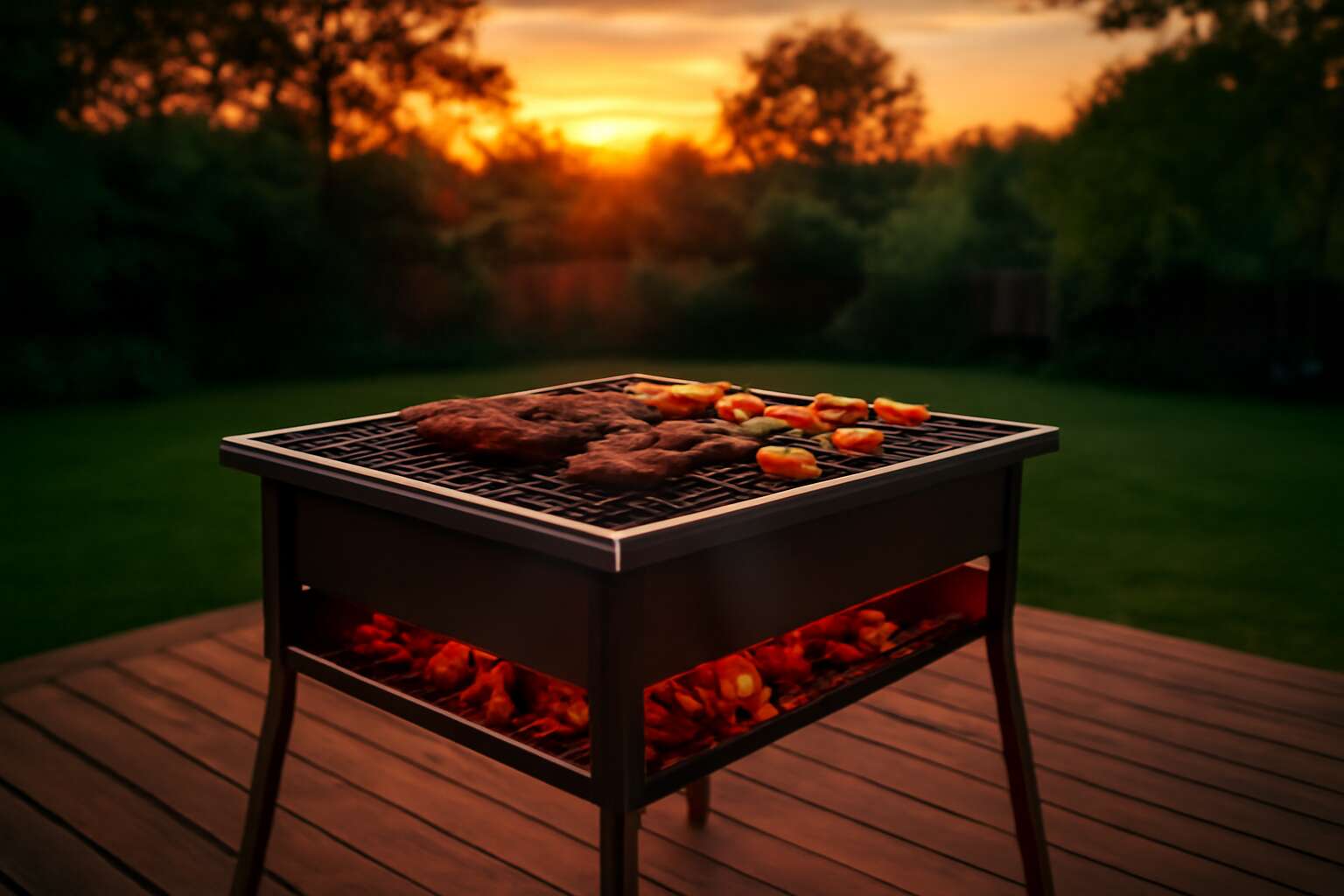
What is a stainless steel charcoal braai
Key benefits of stainless steel construction
Heat, steel, and a story: the stainless steel charcoal braai turns ordinary Sundays into smoky, memorable rituals. In South Africa’s backyard culture, this grill commands attention—built to endure sun, rain, and passionate cooks who chase that perfect sear!
Constructed from high-grade stainless steel, the stainless steel charcoal braai resists rust and tarnish, keeping its sleek lines year after year. The material’s resilience means fewer repairs, while the design ensures even heat and simple cleaning between joyful cooks.
- Weather and coastal SA environments resist corrosion
- Durable, low maintenance for busy homes
- Even heat distribution for consistent searing
That combination makes it a smart long-term investment for families who cook for friends and neighbors.
How a braai differs from a grill
In a South African garden, gleaming charcoal braai stands become cultural anchors that catch the eye and spark conversation as the sun sinks. The aroma of smoke signals a weekend ritual, not just a meal.
What is a stainless steel charcoal braai? A cooking chamber built from high-grade stainless steel that holds charcoal beneath a cooking grate, letting fat sizzle and flames kiss the food with smoke. Thoughtful venting and a sturdy lid make heat control intuitive.
How does a braai differ from a grill? A braai centers live fire and shared plates, often with wood or charcoal feeding the flame and delivering more aroma. A grill—especially gas or electric—offers quick, predictable heat with less smoke influence.
- Fuel and airflow shape flavour
- Open flame invites social cooking
- Smoke marks SA braai culture
In the home backyard, that blend of flame, flavour, and fellowship remains unmistakably South African.
Popular models and sizes for home use
A stainless steel charcoal braai blends durability with the flame-led flavour that defines South African cookouts! Built from high-grade metal, it houses charcoal beneath a cooking grate, letting fat sizzle and smoke kiss the food. Thoughtful venting and a sturdy lid keep heat predictable without fuss.
For home use, the most common configurations fall into three ranges:
- 40–50 cm grilling width for tight spaces
- 60–70 cm family sizes with ample cooking area
- 80–100 cm entertaining models with seating-friendly layouts
Choosing the right size depends on space, anticipated guest count, and maintenance preferences. A well-chosen unit offers longevity, easier cleaning, and flexible venting to tailor smoke and heat.
Common design features to consider
“Flame reveals flavour,” South Africans say, and the stainless steel charcoal braai is built to prove it. These units pair corrosion-resistant steel with a simple, gravity-fed cooking chamber that channels heat from charcoal to the grate.
Common design features to weigh include a tight-sealing lid for smoky, controlled cooking, adjustable vents for airflow, and a sturdy ash catcher for easy cleaning. A well-made braai also uses robust hinges, a solid handle, and a grate that resists warp under high heat.
- Ventilation range from closed to fully open for predictable heat
- Removable ash tray and clean-out access
- Quality cooking grate material that handles high temperatures
- Weather-resistant exterior and stable footing
This combination makes the stainless steel charcoal braai a durable centerpiece for SA backyards and weekend gatherings.
Maintenance tips for longevity
SA backyards transform with a single crackle—weeks fade as laughter takes over. A sturdy stainless steel charcoal braai earns its keep through longevity as much as flavor. As one master braai quote goes, “Fire is the seasoning of life,” and this steel partner proves that truth at every sunset cook.
To keep that glow, longevity-focused care is emphasized:
- Clean the grate after each cook to prevent buildup.
- Empty the ash tray and dry the interior to deter corrosion.
- Wipe surfaces with mild soap, then dry and oil the grate lightly.
- Protect from weather with a breathable cover and proper storage.
With regular attention, the braai stays ready for weekend gatherings and spontaneous feasts.
Choosing the right stainless steel charcoal braai for your space
Consider cooking space and grid area
Space is the theatre, and the right setup turns a balcony into a stage where family stories sizzle. When choosing, consider your cooking space and grid area—these dictate how comfortably you can sear, grill, and rest. Look for grid width that fits your footprint, and ensure room to swing a lid without crowding planters or seating. A well-sized stainless steel charcoal braai blends form and function, inviting conversation and turning a weekend cookout into a small ceremony.
- Cooking space and grid area balance
- Footprint plus access for ash and venting
- Clearances from walls, furniture, and awnings
Beyond size, durability and airflow shape performance. Stainless steel construction delivers even heat and longevity, so your braai remains a trusted companion through seasons of feasts and fireside tales.
Fuel type and charcoal options
“A stainless steel charcoal braai is more than metal and heat—it’s a space-making instrument.” On a balcony or courtyard, the right unit becomes the stage for lingering conversations, a place where smoke writes memories and friends gather around the flame.
Fuel choices and charcoal options shape flavor and rhythm. The character of heat rises from the way you fuel the fire, so consider your space and the way air moves.
- Lump charcoal for a fast, bold sear and lively flames
- Briquettes for steady, even heat and longer burn
- Natural hardwood charcoal for a nuanced, smoky aroma
Durability, airflow, and siting determine how the braai fits with planters and seating. In South African patios, stainless steel construction meets practical space needs and invites stories to drift as embers fade.
Portability vs stationary setups
In a nation that braais like it’s a national sport, nearly half of urban dwellers want a balcony-friendly model that fits the space and still sizzles. A stainless steel charcoal braai isn’t just metal and heat—it’s a stage for lingering conversations, smoke curling into the evening as friends drift closer to the ember glow.
Portability vs stationary setups isn’t a rigid rule; it’s about rhythm and space. A wheeled stainless steel unit can stroll from balcony to courtyard, while a solid, built-in model anchors a corner and never complains about wind.
- Mobility and handling
- Footprint and layout fit
- Weather durability and cover options
Think airflow, siting, and where ash lands during SA evenings when the air turns fickle. The construction brings longevity and a clean silhouette that withstands coastal humidity and inland heat, letting the unit age gracefully while stories drift and embers fade.
Budget and warranty considerations
Choosing the right stainless steel charcoal braai for your space isn’t just about size—it’s about rhythm with your balcony, courtyard, or stoep. In South Africa, a well-placed braai becomes a gathering stage, smoke curling into the evening while stories drift toward the ember glow. Prioritise airflow, footprint, and a clean silhouette that endures coastal humidity and inland heat alike.
Budget and warranty considerations for a quality stainless steel braai require weighing upfront cost against long-term value. A robust build, rust resistance, and quality ash management reduce maintenance. For SA coastal climates, prefer 304 or 316 grades and a durable cover. Warranty length and service networks in SA matter.
- Budget range aligned with features
- Warranty duration and coverage details
- Spare parts and SA service network
Choose a model that harmonises with outdoor spaces—where the flame becomes a focal point and the weather is another character in the cast.
Climate and storage considerations
“Fire is the best storyteller,” a Cape Town host likes to say, and a stainless steel charcoal braai on a balcony is proof. In South Africa, the evening’s drama is written by wind, humidity, and ember glow, so climate considerations become stagecraft alongside design. The right placement ensures the flame survives the weather’s scrutiny.
Coastal air, inland heat, and everything in between—these actors demand materials that resist rust and linger in style. Think durability, breathable storage, and a silhouette that doesn’t crumble when the sky spits or the sun broils. In this drama, a well-chosen braai is less about flashy trends and more about reliable performance.
Consider features that support weather and storage as part of the story:
- Weather-resistant finishes and rust-proof fittings
- Compact footprint that tucks neatly into smaller spaces
The result is a gathering stage where the flame remains the focal character, not a weathered backdrop.
Materials and build quality of stainless steel braais
Grade of stainless steel and corrosion resistance
Across SA’s coast and plains, durability hinges on more than good looks; it starts with the metal behind the panels. A well-chosen stainless grade shrugs off heat, moisture, and the South African sun. For everyday grilling, 304-grade steel provides reliable performance, while coastal settings benefit from stronger corrosion resistance, such as 316-grade stainless.
Build quality is revealed in how seams are welded, how the lid seals, and how ash is managed. Here are key considerations that go beyond aesthetics:
- 304-grade stainless steel for everyday longevity
- 316-grade stainless steel for coastal salt exposure
- thicker wall gauge and precision welds to reduce flex and heat leakage
From finish to fittings, the craft matters. A robust finish resists fingerprints and flare-ups, while corrosion-resistant alloys keep its shine through years of South African summers. When you choose a stainless steel charcoal braai, you’re buying a metal ally that ages with grace.
Heat distribution and insulation features
Across SA backyards, a well-insulated stainless steel charcoal braai uses 60% less fuel to hit sear temperatures. The right build makes metal and flame feel like partners in a legend—a reliable ally that ages with grace as the South African sun turns and the embers glow.
Materials and construction shape how heat moves and how long the unit lasts. Thick walls, precise welds, and a snug lid seal keep warmth where it belongs, while deliberate airflow and a tight cooking surface maintain even distribution without flare-ups.
- Thick-wall gauge supports structural stability and reduces heat loss
- Precision welds and clean internal corners for even heat
- Tight lid seal and adjustable vents enable steady airflow and temperature control
From finish to fittings, the craft matters, turning metal into a companion that ages with grace under SA skies.
Construction techniques: seams, rivets, and lids
A braai forged with purpose stands up to SA sun and simmering coals—the seams, welds, and lids singing in harmony. The stainless steel charcoal braai isn’t just metal; it’s a trusted companion that ages gracefully as the embers glow and the landscape shifts with the season.
- Seams: precision-welded joints with clean interior corners for even heat and easy cleaning.
- Rivets: heavy-duty, corrosion-resistant fasteners that endure coastal humidity and inland heat alike.
- Lids: tight-fitting covers with aligned hinges and a gasket seal for a quiet, secure shut.
- Overall construction: thick-wall gauge for stability and superior heat retention.
That balance of structure and flair makes it a lasting beacon of South African backyard lore.
Maintenance and rust prevention
Materials and build quality define how a stainless steel charcoal braai handles long summers and long evenings alike. The best models mingle thick-walled shells with smoothly finished interiors, where stainless surfaces resist the twists of SA weather and the bite of seaside air. Hardware—handles, hinges, and fasteners—are selected for corrosion resistance and quiet operation, so the braai ages with grace!
- Clean welds and reinforced seams for stability and easy cleaning
- Corrosion-resistant fittings tuned to coastal humidity and inland heat
- Tight-fitting lids with reliable gaskets and aligned hinges
Maintenance and rust prevention are less about tricks and more about respect: a stainless steel charcoal braai is happiest when kept dry, surfaces are wiped, and storage is considered. The result is a companion that remains steadfast as seasons shift and embers glow.
Enhancing flavor with a stainless steel charcoal braai
Smart charcoal setup and heat management
Fire is the oldest kitchen alchemy, and in South Africa the braai is a cathedral of flame. The stainless steel charcoal braai invites mastery with a smart charcoal setup that turns heat into flavor, not regret. I watch the glow settle, coaxing sear and velvet with a poet’s precision.
In the hush of coals, smart heat management becomes the quiet conductor of memory. The right balance of air and ember keeps the crust crackling without scorching the heart. A well-tuned grill of steel behaves like a patient maestro, guiding tenderness and bite.
- Precise airflow control and vent dampers
- Strategic charcoal layering for steady heat
- Diffuser plates to tame hotspots and preserve moisture
With these quiet tools, this steel braai becomes more than a grill; it is a nocturne of scent and presence in South Africa.
Using accessories: diffusers, grills, and rotisserie
Across South Africa, braai rituals outshine the calendar, where aromas cling to memory like the veld’s evening mist. The stainless steel charcoal braai becomes the stage where flame, patience, and intention fuse, turning simple meat into a story worth retelling!
Diffusers temper the gusts that chase the crust, coaxing moisture to linger in every bite. Grills widen the sear surface, inviting caramelized edges to glow with audacious color. A rotisserie spins with quiet fidelity, delivering even juiciness and tenderness that coax the spices to speak softly!
- diffusers
- grills
- rotisserie
Together, these accoutrements become more than gear; they are instruments in a nocturne of smoke and scent, played under African skies where every braai breathes a little warmth into the night.
Direct versus indirect grilling techniques
Flame is memory, whispered in the night air of South Africa. The word braai becomes a ritual where smoke writes the story on the tongue, and the stainless steel charcoal braai stands as a quiet cathedral of heat.
Direct versus indirect grilling—two faces of the same flame. Direct heat seals crust with resolve; indirect heat invites tenderness from within, letting juices glide to the surface like velvet. The stainless steel charcoal braai cradles both moods, catching smoke and moisture.
Two modes of romance, side by side:
- Direct heat: a quick, scorching kiss that flags the crust in bold color.
- Indirect heat: a gentler, smoky embrace that yields moist, even tenderness.
Under African skies, flavor becomes memory—less about technique, more about intention. The stainless steel charcoal braai turns dinner into a nocturne of smoke.
Seasoning and cleaning routines
Enhancing flavor with a stainless steel charcoal braai begins long before the first bite. Seasoning isn’t a hurried trick; it is a quiet ritual that thickens the metal with a light, heat-activated film. A careful, sparse coat of high-smoke point oil and patient warming creates a patina that seasons the surface as much as the meat ever could. When the flame settles, the aroma lingers with unexpected nuance.
For cleaning, a respectful cadence matters. Once cooled, scrape loose remnants, wipe with a dry cloth, and avoid harsh soaps that dull the sheen. A non-abrasive sponge and a splash of water can restore polish without corrosion risk; finally, a light oil coat shields the surface during storage. This routine preserves performance and keeps the stainless steel charcoal braai ready for the next nocturne of smoke.


0 Comments