
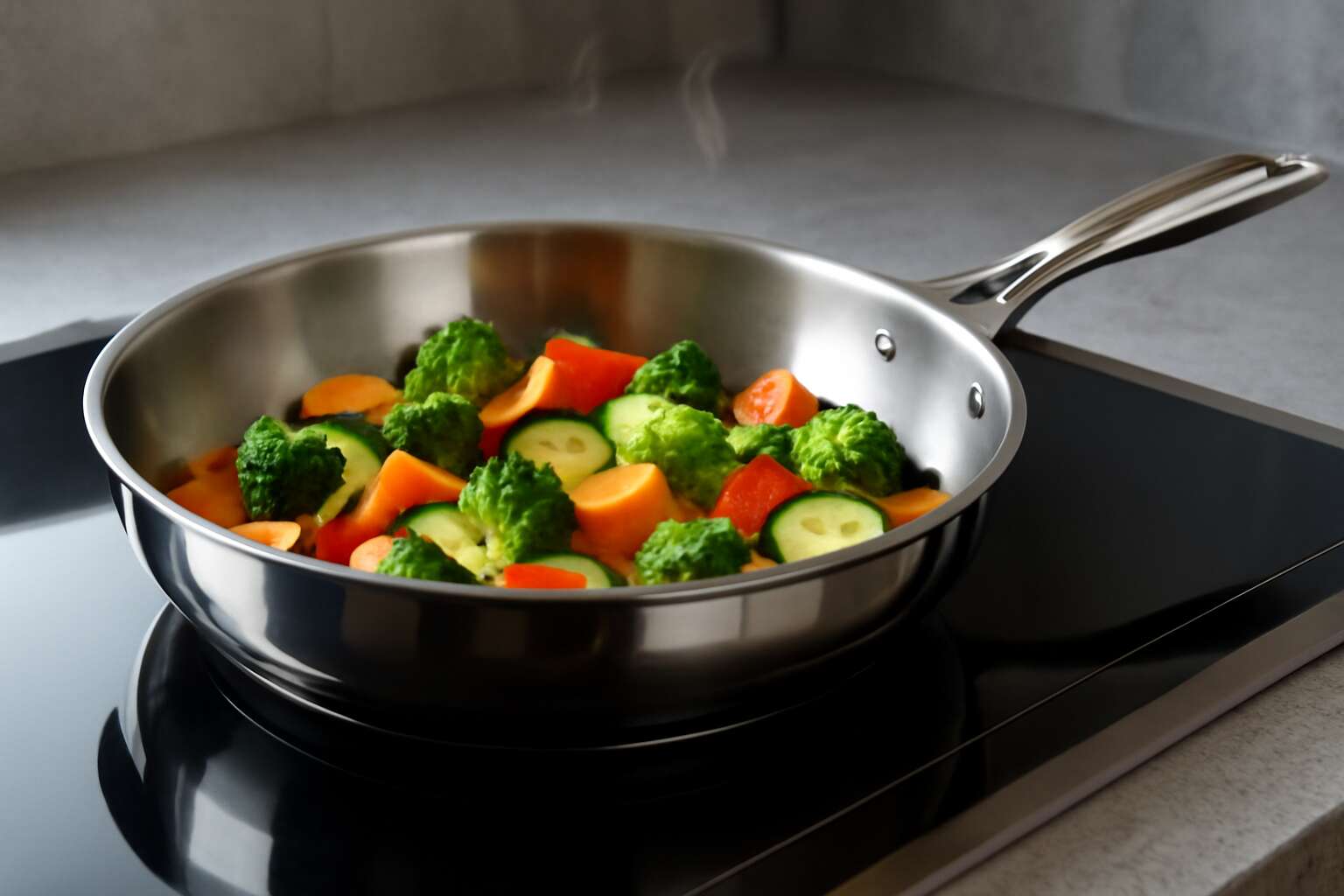
Understanding Stainless Steel Pans
What is a Stainless Steel Pan?
When it comes to versatile, durable cookware, few items can rival a stainless steel pan. These kitchen staples have a reputation for longevity and performance that’s hard to beat. But what exactly makes a stainless steel pan stand out in a sea of cooking options? It’s primarily the material’s unique ability to withstand high temperatures without warping or degrading over time, making it perfect for searing, sautéing, and even simmering. In South Africa, where culinary traditions blend seamlessly with modern techniques, having a reliable stainless steel pan is essential for every home chef.
A stainless steel pan isn’t just about durability; it’s also about the cooking experience. Thanks to their excellent heat conduction, these pans ensure even cooking, preventing hot spots that can ruin a dish. Whether you’re preparing a hearty braai or delicate sauces, understanding what makes a stainless steel pan so special can elevate your culinary game. Here’s a quick look at what sets them apart:
- Corrosion resistance, ideal for South African climates.
- Ability to cook at high temperatures, perfect for searing meats.
- Ease of cleaning and maintenance, ensuring longevity and hygiene.
Types of Stainless Steel Used in Cookware
When diving into the world of stainless steel pans, understanding the types of stainless steel used in cookware can feel like deciphering a secret recipe. Not all stainless steel is created equal, and this variation directly impacts the performance and longevity of your trusty kitchen companion. For those in South Africa, where culinary flavors are as diverse as the landscape, choosing the right stainless steel pan becomes an art form. The most common types include 304 and 316 stainless steel, both renowned for their corrosion resistance—an absolute must in humid climates or coastal kitchens.
Here’s a quick rundown of what sets these apart:
- 304 stainless steel, also known as 18/8, offers excellent corrosion resistance and is generally more affordable—perfect for everyday cooking.
- 316 stainless steel contains molybdenum, giving it superior resistance to pitting and corrosion, especially in salty environments—ideal for South African coastal dwellers.
By understanding these nuances, you can select a stainless steel pan that not only withstands the test of time but also elevates your culinary adventures—be it a sizzling steak or a simmering stew. After all, a good stainless steel pan is an investment in both durability and performance.
Key Features and Benefits
In the realm of culinary craftsmanship, a stainless steel pan is more than just a vessel; it’s an extension of your culinary soul. Its key features—durability, heat retention, and sleek elegance—make it an indispensable tool in any South African kitchen. Unlike other materials, a stainless steel pan possesses a unique ability to distribute heat evenly, ensuring your dishes are cooked to perfection with every stir and sizzle.
One of the greatest benefits of a stainless steel pan is its resistance to staining and corrosion, especially vital in humid climates or coastal kitchens. This resilience guarantees your pan remains pristine and functional for years to come. Additionally, many stainless steel pans boast a layered construction that enhances heat conduction—an invisible magic that transforms ordinary cooking into an art form.
For those seeking to elevate their culinary journey, understanding the features of a stainless steel pan—such as its compatibility with induction cooktops and ease of cleaning—can be transformative. This combination of form and function makes a stainless steel pan an investment that bridges tradition with innovation, turning everyday meals into extraordinary experiences.
Choosing the Best Stainless Steel Pan
Factors to Consider Before Buying
Choosing the best stainless steel pan isn’t just about aesthetics or brand reputation—it’s about uncovering that perfect blend of durability, heat distribution, and versatility. A high-quality stainless steel pan can transform your culinary experience, elevating simple ingredients into gourmet masterpieces. But with so many options on the market, how do you know which one truly stands out?
One crucial factor is the construction of the stainless steel pan. Look for multi-ply layers, especially those with an aluminum or copper core, as these materials ensure even heat distribution and prevent hot spots that could ruin your dish. Additionally, consider the handle design; a securely riveted, heat-resistant handle makes all the difference during long cooking sessions.
To narrow your choices, evaluate these key features:
- Material quality and layering
- Size and weight for comfortable handling
- Compatibility with different cooktops, including induction
A thoughtfully selected stainless steel pan becomes more than just a kitchen tool—it’s a silent partner in every culinary adventure.
Top Brands and Manufacturers
Choosing the best stainless steel pan often feels like discovering a hidden treasure—each brand whispering promises of culinary excellence. In South Africa, several renowned manufacturers stand out for their unwavering commitment to quality and innovation. These top brands have mastered the delicate art of crafting a stainless steel pan that seamlessly combines durability with elegant design, ensuring your kitchen is never short of magic.
Among the luminaries, brands like All-Clad, Zwilling, and Cuisinart have garnered a loyal following. Their stainless steel pans feature multi-ply construction with layers of aluminum or copper nestled between polished stainless steel, resulting in even heat distribution. This craftsmanship minimizes hot spots and elevates your cooking experience to an art form. For those seeking induction compatibility or ergonomic handle design, these brands excel, providing a versatile and reliable tool for every culinary adventure.
To navigate the myriad options, many connoisseurs turn to trusted retailers and reviews—sometimes even consulting seasoned chefs for their insights. It’s this blend of expert craftsmanship and trusted reputation that transforms a mere piece of cookware into an heirloom, elevating your kitchen into a sanctuary of culinary discovery.
Cooking with a Stainless Steel Pan
Best Cooking Techniques
Mastering the art of cooking with a stainless steel pan is akin to forging a culinary spell—each technique unlocking new depths of flavor and texture. A well-heated stainless steel pan transforms simple ingredients into gastronomic masterpieces, thanks to its remarkable heat retention and even distribution. When you approach your stainless steel pan with intention, you tap into its true potential, elevating each dish from mundane to extraordinary.
One of the most revered techniques involves the classic sear and sizzle. By preheating your stainless steel pan over medium-high heat until it’s just shy of smoking point, you create an environment where proteins and vegetables caramelize beautifully. This process, known as the Maillard reaction, imparts a rich, complex flavor that’s impossible to replicate with other cookware. To prevent sticking, ensure your ingredients are dry and seasoned with a touch of oil—preferably one with a high smoke point like avocado or grapeseed oil.
For those who wish to harness the full capabilities of their stainless steel pan, mastering the art of deglazing is essential. After searing, pour in a splash of wine, broth, or even water, and use a wooden spoon to loosen the flavorful browned bits from the bottom. This creates a luscious base for sauces, instantly transforming your dish into a culinary symphony. This technique not only maximizes flavor but also showcases the durability and versatility of your stainless steel pan, making it an indispensable tool in any kitchen.
Tips for Preventing Food Sticking
Stainless steel pans are culinary chameleons, but even the most versatile tool can turn into a sticky nightmare if not handled with finesse. The secret lies in understanding how to prevent food from stubbornly clinging to the surface—because no one wants their steak to become a metallic mosaic. Interestingly, research shows that proper preheating can reduce sticking by up to 75%, making your cooking experience smoother and less frustrating.
To keep your stainless steel pan performing at its best, start with a hot, well-preheated surface. A simple trick is to splash a few drops of water — if they dance and sizzle away immediately, your pan is ready. Before adding ingredients, make sure they’re dry and lightly coated with a high smoke point oil like avocado or grapeseed. This creates a natural barrier, preventing food from sticking and ensuring a glorious sear.
For those who love a bit of methodical mastery, here’s a quick rundown:
- Ensure the pan is hot enough before adding food.
- Use oils with high smoke points to avoid burning and smoking out your kitchen.
- Let food form a crust before attempting to move or flip it—patience is key!
When you approach your stainless steel pan with a bit of culinary confidence and these handy tips, sticking becomes a thing of the past. Your dishes will slide out effortlessly, and cleanup will be a breeze—saving you time and preserving the integrity of your beloved cookware. Truly, a stainless steel pan is a kitchen hero when handled with a touch of know-how and a dash of humor.
Proper Maintenance and Cleaning
Achieving culinary excellence with a stainless steel pan requires more than just the initial purchase; it demands a commitment to proper maintenance and cleaning that preserves its integrity and performance. Unlike non-stick alternatives, a stainless steel pan thrives on routine care that enhances its natural resilience and luster. When cleaning, avoid abrasive scrubbers that may mar the surface, opting instead for gentle solutions that respect the metal’s sophisticated composition.
After each use, it’s wise to soak your stainless steel pan in warm, soapy water to loosen any stubborn residues. For a more thorough clean, consider a vinegar and baking soda treatment—this natural duo not only restores shine but also eradicates lingering stains and water spots. Regularly polishing your stainless steel pan with a specialized cleaner helps maintain its mirror-like finish, ensuring it remains a shining centerpiece in your kitchen arsenal.
- Wash with mild detergent and warm water immediately after use.
- Use a non-abrasive sponge or soft cloth to prevent scratching.
- Periodically, apply a stainless steel cleaner or a mixture of vinegar and baking soda for deep cleaning.
In South Africa’s vibrant culinary landscape, a well-maintained stainless steel pan becomes an extension of your creative expression—robust, reliable, and ready to elevate every dish. With consistent care, this kitchen hero maintains its seamless performance, transforming simple ingredients into gastronomic masterpieces that delight both the eye and the palate.
Advantages and Disadvantages of Stainless Steel Pans
Pros
Stainless steel pans have become a staple in kitchens, celebrated not only for their durability but also for their ability to handle a variety of cooking techniques. One of the most compelling advantages of a stainless steel pan is its exceptional heat retention and distribution, ensuring food is cooked evenly—crucial for South African stews and roasts. Moreover, these pans are highly resistant to rust and corrosion, standing up to the test of time even in bustling households.
However, not everything about stainless steel pans is perfect. They can be prone to food sticking, especially if not used correctly, which may frustrate those new to this type of cookware. Additionally, they tend to be heavier than other options, making handling cumbersome for some cooks. For those looking to make an informed choice, understanding these disadvantages is just as vital as knowing the benefits. Here’s a quick rundown:
- Food sticking without proper preheating or oiling.
- Heavier weight can cause fatigue during prolonged use.
- Initial cost may be higher compared to non-stick cookware.
Cons
Stainless steel pans are the unsung heroes of the modern kitchen, offering a blend of resilience and performance that can make even the most seasoned chef nod in approval. Their ability to withstand the fiery chaos of South African stews and roasts is nothing short of legendary. With exceptional heat retention and even distribution, a stainless steel pan guarantees your food is cooked to perfection—no more burnt bottoms or undercooked centers. And let’s not forget their resistance to rust and corrosion, which means these pans can outlast many a kitchen gadget—truly an investment in culinary longevity.
But, let’s not put on rose-colored glasses just yet. The disadvantages of a stainless steel pan are as real as a South African summer. Food sticking without proper preheating or oiling can turn a simple sauté into a frustrating ordeal. Heavier than its non-stick cousins, a stainless steel pan can give your arms a workout—no gym membership required. Plus, the initial cost might make you do a double-take, especially compared to cheaper non-stick options. Despite these quirks, many chefs believe the benefits far outweigh the drawbacks, making a stainless steel pan a versatile, durable choice for any kitchen.
Comparison with Other Cookware Materials
Stainless Steel vs Cast Iron
When contrasting a stainless steel pan with other cookware materials, the differences often reveal more than surface-level preferences—they touch on the essence of how we connect with our culinary tools. Stainless steel pans are celebrated for their durability and ability to withstand high temperatures, making them a favorite among both professional chefs and passionate home cooks. However, how do they truly compare to cast iron, a material renowned for its heat retention and rustic charm?
While cast iron excels at maintaining consistent heat and developing a natural non-stick surface over time, it requires more maintenance and is heavier to handle. In contrast, a stainless steel pan offers quick responsiveness and easier cleaning, aligning with a modern approach to cooking that values efficiency and hygiene. Interestingly, some cooks prefer the versatility of a stainless steel pan because it can transition seamlessly from searing to deglazing without the concern of rust or seasoning buildup.
- Rapid heat response
- Ease of maintenance
- Resistance to rust and corrosion
- Lightweight handling
Choosing between these materials ultimately depends on the cooking style and values one holds dear. A stainless steel pan is not just a utensil—it’s an extension of oneself, capable of shaping culinary artistry with precision and grace. In South Africa’s vibrant kitchens, where the demands of diverse cuisines meet the need for resilience, a stainless steel pan stands as a symbol of enduring craftsmanship and culinary aspiration.
Stainless Steel vs Non-Stick
When comparing a stainless steel pan with non-stick cookware, the differences are striking like a dance of contrasts—each with its own rhythm and purpose. A stainless steel pan boasts unparalleled durability and the ability to withstand high temperatures, making it a resilient partner in the kitchen’s symphony. Meanwhile, non-stick pots and pans offer a gentle glide, perfect for delicate foods that demand a tender touch. But beneath this surface, lies a deeper story: a stainless steel pan’s capacity for searing, deglazing, and creating rich flavors, all while resisting scratches and wear.
While non-stick cookware excels in ease of cleaning and low-fat cooking, it often sacrifices longevity and heat responsiveness. A stainless steel pan, on the other hand, responds swiftly to temperature changes, allowing for precise control—a vital trait for culinary artistry. In South Africa’s diverse culinary landscape, the choice hinges on the cook’s style, but one thing remains clear: a stainless steel pan elevates the craft, blending resilience with finesse, and stands as a testament to enduring craftsmanship in every kitchen.
Stainless Steel vs Aluminum
When weighing the virtues of a stainless steel pan against aluminum cookware, the choice becomes a dance of substance and finesse. Aluminum, with its exceptional heat conduction, offers swift responsiveness—warming to a gentle whisper and cooling just as quickly. Yet, in the realm of resilience, it often falls short. Aluminum pans, while lightweight and nimble, tend to warp under high heat and lack the durability that a stainless steel pan proudly boasts.
In contrast, a stainless steel pan embodies a sturdy, enduring artistry—resistant to scratches and capable of withstanding the rigors of a bustling kitchen. Its superior heat distribution, especially when combined with an aluminum core, marries the best of both worlds, ensuring even cooking with prompt temperature adjustments. For South African chefs who crave both finesse and longevity, a stainless steel pan rises as an unyielding partner—turning culinary dreams into flavorful realities.
Care and Maintenance Tips for Longevity
Cleaning and Polishing
In the realm of culinary craftsmanship, a well-maintained stainless steel pan is akin to a knight’s shining armor—resilient and majestic, ready to serve countless epicurean adventures. To ensure your stainless steel pan remains a trusted companion through the ages, regular cleaning and polishing are essential. Over time, mineral deposits and food residues can tarnish its gleam, dulling its legendary luster. A gentle yet thorough approach to cleaning not only preserves its aesthetic appeal but also enhances its cooking performance.
For routine upkeep, I recommend hand washing with warm water and a mild detergent. To banish stubborn stains and restore brilliance, a paste of baking soda and water works wonders—simulating the magic of alchemy! Additionally, periodic polishing with a dedicated stainless steel cleaner can rejuvenate the surface, keeping it looking as pristine as the day it was forged. Remember, always dry your stainless steel pan thoroughly after cleaning to prevent water spots and corrosion, ensuring your cookware’s longevity remains unbroken.
Avoiding Damage and Scratches
Durability is the hallmark of a top-tier stainless steel pan, but proper care is essential to maintain its integrity. Avoid dragging your stainless steel pan across rough surfaces or stacking it without padding; scratches are the silent enemies that diminish its lifespan. To prevent damage, always lift rather than slide when moving the pan, especially when it’s hot.
Regularly inspect your stainless steel pan for signs of wear. Using abrasive scrubbers can leave micro-scratches and dull the surface. Instead, opt for soft sponges and gentle cleaning agents designed specifically for stainless steel cookware. For added protection, consider applying a thin layer of mineral oil to the surface after cleaning—this creates a protective barrier against corrosion and keeps your pan gleaming.
- Use wooden or silicone utensils to prevent scratching.
- Store your stainless steel pan in a padded lining or separate compartment.
- Avoid sudden temperature changes, which can warp the metal.
By following these simple maintenance practices, your stainless steel pan will stay resilient and look pristine for years, ready to handle any culinary challenge with confidence.
Storing Tips
Maintaining a stainless steel pan requires more than just regular cleaning; it’s about preserving its integrity over time. Proper storage is key to preventing dents and scratches that can compromise its durability. A well-chosen storage method not only protects the surface but also extends the lifespan of your cookware.
For optimal storage, consider using padded liners or designated compartments that keep your stainless steel pan separate from other utensils. This simple step can prevent accidental scratches and scuffs, ensuring your pan remains in pristine condition for years to come. Additionally, always ensure the pan is completely dry before storing to avoid corrosion or water spots that can tarnish its appearance.
To further safeguard your investment, avoid stacking your stainless steel pan with other heavy cookware without padding. A thoughtful approach to storage—such as hanging it or placing it in a dedicated cabinet—can make a noticeable difference in preserving its sleek finish and structural integrity. Remember, a little care goes a long way in keeping your stainless steel pan looking and performing its best.
Eco-Friendly and Sustainable Aspects
Recycling and Reusability
In a world increasingly conscious of environmental impact, the stainless steel pan stands out as a beacon of eco-friendly craftsmanship. Crafted from recyclable materials, these cookware pieces embody sustainability and reusability that align with our collective desire to reduce waste. Unlike non-stick or aluminum alternatives, a stainless steel pan can be seamlessly recycled at the end of its life cycle, contributing to a circular economy that values conservation and responsible consumption.
Recycling stainless steel is simple and effective, making these pans an investment in both culinary mastery and environmental stewardship. Their durability means they withstand the rigors of daily use, offering years of service before needing replacement. For those committed to sustainability, choosing a stainless steel pan isn’t just a culinary decision; it’s a statement of eco-conscious living. The reusability and recyclability of stainless steel underline its role as a sustainable choice, fostering a greener future while elevating your cooking experience!
Environmental Impact of Manufacturing
The journey of a stainless steel pan begins long before it graces your stove, rooted deep within the complexities of its manufacturing process. Producing these durable kitchen companions involves energy-intensive techniques, yet progress has driven manufacturers to adopt more sustainable practices. The environmental impact of manufacturing a stainless steel pan hinges on responsible resource extraction, energy consumption, and waste management.
Modern factories increasingly prioritize eco-friendly methods, such as recycling scrap metal and using renewable energy sources, to reduce their carbon footprint. This conscious shift not only preserves precious natural resources but also aligns with a growing global ethic of environmental stewardship. When selecting a stainless steel pan, understanding the lifecycle impact—from raw material procurement to finished product—becomes essential. After all, the true value of a culinary tool lies not just in its performance but in its contribution to a sustainable future.
- Recycling scraps during manufacturing minimizes waste and conserves resources.
- Utilizing energy-efficient machinery reduces overall emissions.
- Opting for eco-conscious suppliers supports a greener supply chain.


0 Comments