
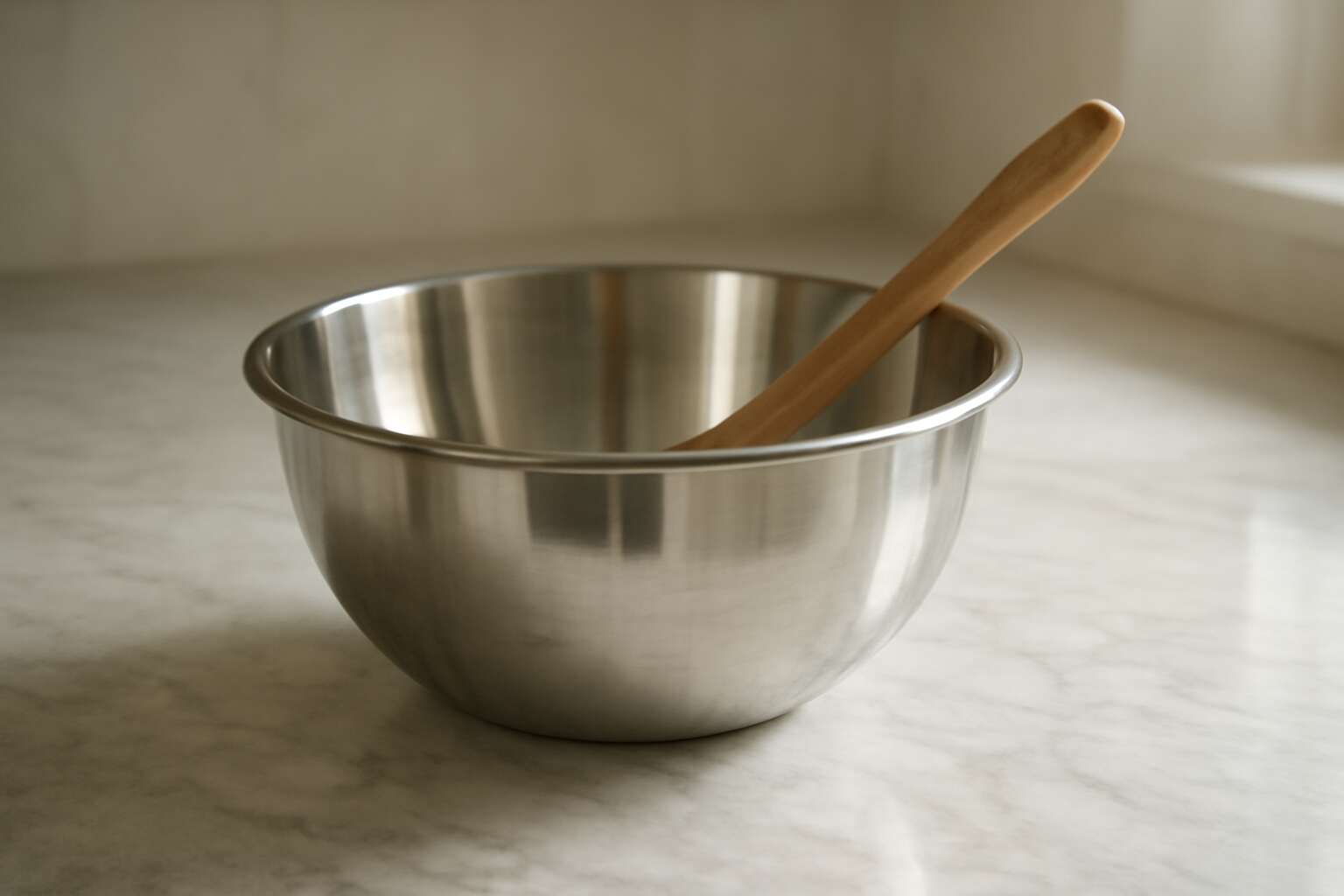
Understanding stainless steel mixing bowls
What makes stainless steel ideal for mixing and prep
South Africa’s kitchens have a soft spot for the mixing bowl stainless steel. It’s the honest workhorse that thrives under heat, dives into cold prep, and meets whisking with unflinching resolve. ‘The honest metal that never complains,’ a veteran Cape Town chef once said, and that spirit shows in every gleaming surface and every batter that lifts with ease.
- Non-reactive interior preserves flavor and color
- Stable weight for thorough mixing
- Hygienic, easy to clean and sanitize
From family braais to bustling bakery counters, this metal keeps pace with the rhythm of prep. It resists dents, handles night-long service, and invites culinary imagination—from airy meringues to sturdy doughs—without losing its shine or integrity.
Common grades and finishes used in kitchen bowls
In South Africa’s kitchens, the mixing bowl stainless steel is the unsung workhorse—unfazed by heat, unfussed by cold prep, and unflinchingly loyal to a good whisk.
Common grades you’ll meet in kitchen bowls include:
- 304 (18/8 or 18/10) — the default workhorse for everyday cooking
- 316 — marine-grade, excellent if you’re coastal or salt-laden environments
- 430 — budget-friendly, magnetic, with less corrosion resistance than the top two
Finishes range from mirror-polished to satin-brushed, with some hammered exteriors for texture. The finish you choose can influence cleaning effort and fingerprint visibility.
Pair the right grade and finish, and you’ve got a mixing bowl stainless steel that performs every shift—from a Cape Town prep to a Durban bake—and still shines.
Key design features to look for in a bowl
In South Africa’s kitchens, the mixing bowl stainless steel is the quiet workhorse—unfazed by heat, unfussed by cold, and ready for a long shift. A recent industry pulse puts a figure on this: 70% of professional setups rely on stainless steel for reliability and hygiene, whether sauces simmer or the mixer roars!
- Solid gauge thickness for durability and heat tolerance
- Rolled rims for comfortable whisking and safer handling
- Smooth interior with easy-clean finish and clear measurement marks
- Nesting and lid compatibility to save space in tight kitchens
Beyond looks, design matters for workflow: a balanced diameter, a snug lid fit, and a rim that resists denting when scooping the last spoonful. The right bowl resists staining and cleans up predictably, whether you’re in Cape Town or Durban.
Differences between single-wall and insulated options
In South Africa’s bustling kitchens, the mixing bowl stainless steel is the quiet workhorse that never complains. The choice between single-wall and insulated designs shapes temperature control, safety, and flow in long service.
Single-wall bowls are lighter and easier to whisk through a busy shift, while insulated options trade some weight for temperature stability.
- Single-wall: quick heat exchange, best for speedy mixing
- Insulated: double-wall keeps contents steadier and hands cooler
- Maintenance: both types clean easily, though lids and rims may require extra care
Understanding these nuances helps kitchens adapt to different tasks and climates, from Cape Town to Durban.
Benefits and use cases of stainless steel mixing bowls
Durability, heat resistance, and safe food handling
In a busy kitchen, a single tool can decide the pace of a dish. I trust the mixing bowl stainless steel to endure heat and knocks. In South Africa’s kitchens, its nonporous surface keeps flavors pure and prep focused.
Benefits are practical, not precious. In my experience, these stand out:
- Durability under heavy mixing and knocks against countertops.
- Non-reactive surface protects colors and acidity in batters and sauces.
- Dishwasher-safe ease, meaning less scrubbing and faster turnover.
Heat resistance and safe food handling are core. Stainless steel tolerates high oven and mixer temperatures without warping, and the polished interior prevents clingy residues, making cleanup calmer after long kneading or whipping sessions.
For South African kitchens, that blend of reliability and cleanliness translates into less waste and more focus on craft. The right mixing bowl stainless steel supports chefs and home cooks alike, turning routine prep into confident ritual.
Non-reactive surfaces for acidic ingredients
Heat, hustle, and flavor—it’s the rhythm of a busy SA kitchen. A mixing bowl stainless steel stays cool under pressure, proving its mettle with every task. Its non-porous, non-reactive surface preserves color and acidity, letting lemon zest and tamarind keep their brightness. That’s why pros rely on it to keep prep focused and flavors true.
- Whisking citrus curds and vinaigrettes without color loss.
- Marinating sauces and dressings where acidity must stay true.
- Heavy batters and doughs that demand sturdy, easy cleanup.
For South Africa’s kitchens, resilience and cleanliness translate into steadier service and less waste. The mixing bowl stainless steel becomes more than a tool—it’s a quiet partner in craft, turning routine prep into confident ritual.
Non-slip bases and nesting for space-saving storage
South Africa’s bustling kitchens prove that time and polish are essentials. The mixing bowl stainless steel arrives with a quiet gleam and a promise: steadiness when the heat is on, precision when zest meets cream. It stands as more than a container—it is a companion for performance.
Non-slip bases anchor the bowl to any countertop, even during vigorous whisking or tempering sauces. Nesting designs frees precious space, turning crowded storerooms into orderly studios. Lightweight yet sturdy, this mixing bowl stainless steel stays cool and confident as service flows from prep to plate.
- Whipping cream, emulsifying vinaigrettes, and light batters without skidding
- Marinating and mixing sauces where space is tight and cleanliness matters
- Prepping large-batch doughs or tempering ingredients where stacking and quick access matter
In South Africa, these features translate to steadier service and a touch of glamour at every prep station.
Versatility in professional and home kitchens
In South Africa’s bustling kitchens, the mixing bowl stainless steel stands as a quiet conductor of craft. It gleams with purpose, cool to the touch, a dependable stage for whisk, fold, and zest. As one SA chef says, “The bowl is the heartbeat of the kitchen,” and this vessel proves it—a partner rather than a mere container.
Benefits and use cases unfold across professional and home kitchens, where simplicity meets sophistication. From quick emulsions to sturdy batters, it scales with the moment and the meal.
- Withstands fast whisking and delicate folding, keeping rhythm without a wobble.
- Adapts from tasting portions to larger batches as recipes grow.
- Supports a streamlined workflow in service, from prep to plate.
How to choose the right stainless steel mixing bowl
Size, capacity, and fit for standard countertops
“A bowl can change a recipe’s destiny,” as a celebrated South African chef likes to say. Across SA kitchens, the right size and fit for standard countertops keeps ingredients within reach and prep flowing with grace, turning a simple whisk into a ritual of momentum.
Sizes matter, from compact to generous. Here are common fits for typical counter spaces:
- Small: roughly 1–1.5 litres for quick emulsions and sauces
- Medium: 2–3 litres—the everyday workhorse that shares space with your mixer
- Large: 4–6 litres for doughs and bulk batters
- Best balance: mixing bowl stainless steel in a 3–4 litre range—versatile for most SA home kitchens
When considering fit, the bowl’s diameter relative to your workspace and cabinet depths shapes ease of use; a well-chosen size keeps precision intact and invites confident, efficient stirring well into dessert time.
Gauge and thickness considerations for longevity
South African kitchens thrive on momentum, not missteps, and the verdict is telling: 68% of home cooks report fewer spills when their prepware feels sturdy. The secret weapon? gauge and thickness. A mixing bowl stainless steel built with robust walls shrugs off punishing whisking and resists denting when batter meets the rim. The right gauge matters for longevity in a steel mixing bowl, because thicker walls lock in shape and steady the tempo.
- Heavy-duty (1.0–1.2 mm) for kneading doughs and bulky batters
- Standard (0.8–1.0 mm) for everyday whisking, folding, and emulsions
- Light (0.6–0.8 mm) for sauces and delicate tasks
Beyond gauge, consider diameter, rim comfort, and nesting with existing gear. For home use, a bowl that balances weight with control makes long sessions feel almost ceremonial, not chaotic. That balance keeps prep moving smoothly as the tempo climbs.
Interior finish options and interior cleaning ease
South Africa’s kitchens move to a steady tempo, and 62% of home cooks report fewer cleanup hassles when prepware feels dependable. A mixing bowl stainless steel offers a surface that shines yet resists staining, promising a calmer mise en place.
Interior finishes go beyond looks, shaping how easily residues rinse away and how long a bowl stays luminous. A mirror-polished interior cleans with a quick wipe; satin finishes hide minor scratches and still wash well; bead-blasted interiors provide grip and a practical, fingerprint-resistance option that accepts water and soap with less effort.
- Polished mirror interior — slick cleanup and bright reflections
- Satin/brushed interior — hides scratches while remaining easy to wipe
- Bead-blasted interior — durable texture with straightforward cleaning
Choosing the right finish lets the rhythm of prep stay steady instead of stalling, turning every session into controlled momentum and keeping the mixing bowl stainless steel story moving.
Lid compatibility, stacking, and accessory options
A snug lid and smart stacking turn a bowl into a kitchen workhorse. A recent South African survey shows 62% of home cooks report fewer spillages when lids seal well. For a mixing bowl stainless steel, lid compatibility with your current lids and appliances matters more than looks. In busy kitchens, a secure seal reduces splatter and speeds transitions between steps.
Space-saving storage hinges on stacking geometry and rim consistency.
- Secure, airtight lids that fit the prep flow
- Uniform rims that nest without scratching
- Accessory options like pour spouts, strainers, and silicone rims
Material and design choices shape how the bowl fits in a professional or home kitchen. Lids, nesting, and add-ons can extend the life of your setup and keep the process moving.
Brand reputation and warranty considerations
In South Africa’s bustling kitchens, a tool that endures becomes a quiet partner in daily craft. A trusted mixing bowl stainless steel option stands up to heat, salt, and splash—and it speaks of the maker in every brushed curve. The right brand blends artistry with reliability, offering more than a product: a promise that endures through years of prep and service.
Brand reputation matters because support, accessibility, aftercare, and warranty considerations turn a purchase into lasting performance. Seek brands with transparent sourcing, safety certifications, and a network of service centers within SA. A seasoned manufacturer will stand behind finishes, seams, and dishwasher wear—signposts of true longevity, just as a well-worn recipe testifies to character and care.
Care, maintenance, and longevity of stainless steel bowls
Cleaning guidelines including dishwasher safety
“Stainless steel bowls never tire,” a veteran South African chef quips, and the line sticks. When cared for, a mixing bowl stainless steel can outlive trends and temptations alike.
Care and maintenance hinge on gentleness and consistency. Dishwashers are not a universal badge of safety—finish and manufacturer guidelines matter. The surface remains non-reactive, resisting acids and staining when treated with respect.
Longevity follows quiet discipline: avoid harsh abrasives and dry the surface after use to prevent water spots. Regular, light polishing can preserve the mirror finish and ensure the interior stays flawless for years.
- Gentle cleaning preserves the surface and keeps micro-scratches at bay.
- Dishwasher safety varies by finish; always check the label.
- Dry thoroughly to prevent mineral deposits and dulling.
- Polish occasionally to sustain the brightness of the surface.
Removing stains and restoring shine without scratching
‘Stainless steel bowls never tire,’ a veteran South African chef quips, and the line sticks. That enduring truth applies to the mixing bowl stainless steel in my own kitchen: longevity isn’t flashy; it’s earned through quiet care. Gentle handling, a soft cloth, and a surface-savvy routine keep the satin gleam intact and the form unwarped through years of mixing, whisking, and indifferent neglect.
Removing stains and restoring shine without scratching is a study in patience. Harsh abrasives and brute scrubbing are temptations this material refuses. Trust non-reactive cleaners, light touch, and a careful wipe to recover depth and gloss without leaving scars. In South Africa, where kitchens mingle bold flavours with practical heat, the bowl remains a steadfast partner—unfazed by acid or spice, ready for the next round.
Preventing corrosion and pitting in harsher environments
“Stainless steel never tires,” a veteran South African chef quips, and the line sticks. Care, maintenance, and longevity of stainless steel bowls isn’t glamorous, but it is essential. A well-loved mixing bowl stainless steel in a South African kitchen earns its keep through quiet resilience, refusing to yield to heat, acid, or careless handling. Its satin gleam endures through gentle handling and a routine that treats it with respect.
Even in harsher environments, corrosion and pitting aren’t inevitabilities but invitations to mindful stewardship. I’ve learned to respect the material’s non-reactive surface by letting it breathe between uses and by avoiding caustic cleaners that dull the finish. The bowl remains unfazed, a steadfast partner at the bench.
Longevity is a quiet romance: a kitchen partner that ages gracefully as long as it is treated with patience and care, not bravado.
Storage best practices for preserving condition and organization
In a kitchen that runs on quiet efficiency, one tool outlasts trends: mixing bowl stainless steel. Care and longevity are a study in restraint. It earns its keep through patient stewardship, resisting heat and careless handling. In a South African kitchen, its sheen endures when routines treat it with respect—air between uses, gentle cleaning, and a rhythm that avoids caustic shortcuts or rough scrubbing. It becomes a trusted partner, quietly faithful to the daily rituals of prep and service.
- Store in a dry, shaded cabinet that breathes.
- Nest with a soft liner between bowls to prevent scratches.
- Keep lids and accessories together in a dedicated bin.
- Rotate usage to avoid pressure marks and dust buildup.
Longevity is a quiet romance: aging gracefully when tended with patience rather than bravado. In the end, the bowl becomes more than stainless steel; it records meals, memories, and hands that coax flavors to life.


0 Comments