
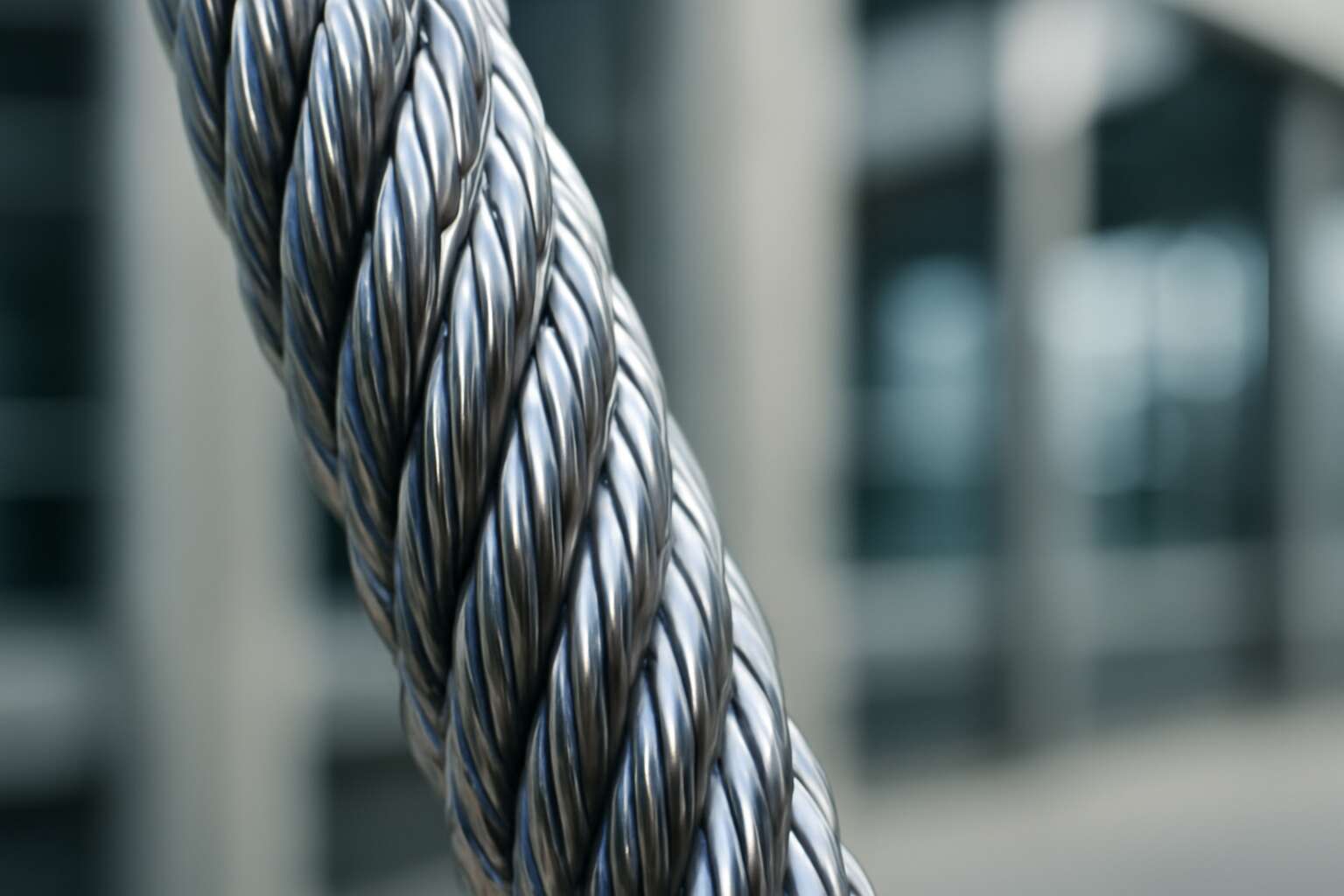
Understanding Stainless Steel Cable
Definition and Composition – What is stainless steel cable and its material properties
Stainless steel cable isn’t just some shiny wire hanging around; it’s a marvel of engineering that combines strength, flexibility, and durability in one sleek package. These cables are made from high-grade stainless steel, which means they resist corrosion even in South Africa’s unpredictable coastal climates. Imagine a material so tough that it laughs in the face of rust and chemical exposure—sounds like a superhero, right?
The composition of stainless steel cable typically involves a blend of iron, carbon, and a generous splash of chromium—usually around 10-12%. This chromium content creates a thin, invisible layer of oxide on the surface, giving the cable its corrosion-resistant properties. For those who demand longevity and resilience, stainless steel cable offers an unbeatable combination of tensile strength and aesthetic appeal. Whether used in architectural marvels or industrial applications, this material’s properties make it a top choice for any project that demands reliability without sacrificing style.
Types of Stainless Steel Used – Common grades like 304, 316, and 316L and their applications
When it comes to stainless steel cable, knowing the different types and grades can feel like navigating a labyrinth of shiny options. Fortunately, the most common grades—304, 316, and 316L—are the stalwarts of the industry, each suited for specific applications with a touch of finesse. These grades are not just numbers; they are the backbone of durability, corrosion resistance, and aesthetic appeal in stainless steel cable projects across South Africa.
Grade 304 stainless steel cable is the most versatile and widely used, boasting excellent corrosion resistance in general environments. It’s perfect for interior applications or areas with minimal exposure to saltwater. But when your project ventures closer to the coast or involves chemical exposure, 316 stainless steel cable truly shines. Its superior resistance to chlorides and marine environments makes it the material of choice for seaside architecture or outdoor installations along South Africa’s rugged coastlines.
For those who demand an even more resilient option, 316L stainless steel cable offers low carbon content, reducing the risk of corrosion during welding or fabrication. This grade is often found in sophisticated architectural structures or high-end industrial setups—where resilience and visual appeal are equally critical.
- 304 stainless steel cable: Ideal for indoor and less corrosive environments.
- 316 stainless steel cable: Excellent for marine and coastal applications.
- 316L stainless steel cable: Best for welded structures or high-performance settings.
Key Features – Corrosion resistance, strength, durability, and flexibility
Stainless steel cable is a marvel of engineering elegance, combining strength with a shimmering resilience that endures South Africa’s diverse landscapes. Its key features are woven into every strand—offering a harmonious blend of corrosion resistance, tensile strength, and durability. These qualities transform ordinary structures into enduring works of art, capable of withstanding the harshest coastal winds or industrial environments.
Flexibility is another hallmark of stainless steel cable, allowing artisans and engineers alike to craft intricate designs and secure fixtures that seem to defy gravity. Its resistance to rust and corrosion is not just a feature but a testament to its magical ability to maintain its luster over decades. For those seeking a reliable, high-performance material, stainless steel cable remains an indispensable choice, seamlessly marrying function with an almost ethereal beauty.
Applications of Stainless Steel Cable
Architectural and Structural Uses – Balcony railings, bridges, and architectural installations
Stainless steel cable isn’t just for fancy nautical adventures; it’s a powerhouse in architectural and structural applications across South Africa. Its sleek, modern aesthetic combined with unmatched strength makes it the go-to choice for balcony railings that blend safety with style. Think open vistas without sacrificing security—perfect for those panoramic views that make your property stand out.
But the versatility doesn’t stop there. Bridges, especially pedestrian walkways, rely on stainless steel cable to provide both durability and visual appeal. Its resistance to the salty coastal air of Durban or Cape Town’s ocean breeze means it won’t rust or degrade, no matter the weather. For architectural installations, stainless steel cable lends a contemporary edge, turning ordinary spaces into extraordinary experiences. Its flexibility allows for creative designs, from intricate cable mesh walls to minimalist staircases, all while ensuring longevity and resilience.
- Balcony railings that combine safety with style
- Suspension bridges that withstand South Africa’s diverse climate
- Architectural features that elevate visual appeal and structural integrity
In a world where durability and design often clash, stainless steel cable manages to do both—standing tall and looking sharp, no matter the project.
Marine and Outdoor Applications – Docking, fencing, and outdoor staircases
In South Africa’s rugged coastal landscapes and bustling ports, stainless steel cable plays a pivotal role in outdoor and marine applications. Its resistance to harsh elements ensures that docking stations remain secure and corrosion-free, even after years of exposure to salty air and surf. Whether anchoring boats or creating resilient fencing, stainless steel cable provides a reliable solution that combines strength with enduring beauty.
Outdoor staircases often leverage stainless steel cable for safety and aesthetic appeal. Its flexibility allows for sleek handrails and balustrades that withstand the country’s diverse climate conditions. For fencing, stainless steel cable offers an unobtrusive yet sturdy barrier, perfect for securing properties while maintaining open sightlines. Its durability means that these installations remain pristine without frequent maintenance, making it an investment that truly pays off.
- Docking stations resistant to corrosion
- Fencing that endures South Africa’s coastal weather
- Outdoor staircases with a modern, minimalistic look
In the unpredictable outdoor environment, stainless steel cable stands as a testament to resilience, ensuring that every project—be it maritime or terrestrial—remains secure and visually striking for years to come. Its reliable performance makes it the preferred choice for professionals seeking durability and style in outdoor applications across South Africa.
Industrial and Commercial Uses – Lifting, rigging, and machinery support
In the realm of industrial and commercial applications, stainless steel cable stands as an indispensable component that combines resilience with versatility. Its exceptional strength-to-weight ratio makes it ideal for supporting heavy loads while maintaining flexibility—an essential attribute in dynamic environments. Industries such as construction, manufacturing, and logistics rely heavily on stainless steel cable for tasks that demand unwavering reliability.
From lifting heavy machinery to rigging intricate systems, stainless steel cable ensures safety and efficiency. Its corrosion resistance allows it to operate seamlessly in harsh conditions, reducing downtime and maintenance costs. Whether securing heavy equipment or supporting complex rigging setups, this material offers a durable solution that stands the test of time.
- Heavy lifting and hoisting in manufacturing plants
- Rigging for cranes and aerial work platforms
- Supporting machinery and structural components
In fact, the strength and flexibility of stainless steel cable enable it to adapt to diverse needs across various sectors. Its ability to withstand extreme conditions, combined with ease of installation, makes it a top choice for professionals seeking reliable and long-lasting solutions in industrial and commercial settings. When durability and performance are non-negotiable, stainless steel cable is the material that consistently delivers excellence.
Advantages of Using Stainless Steel Cable
Corrosion Resistance – Ideal for harsh environments
In the unforgiving landscape of South Africa’s coastal regions and rugged terrains, the advantage of stainless steel cable’s corrosion resistance becomes crystal clear. This material defies the elements—standing tall against salt spray, humidity, and relentless weather conditions. Its resilience turns what could be a maintenance nightmare into a rare piece of mind, especially in outdoor or marine environments where other materials falter.
Imagine a cable that remains pristine and reliable year after year—no rust, no degradation. That’s the power of stainless steel cable. Its corrosion resistance isn’t just a feature; it’s a lifeline for structures exposed to harsh environments. This durability allows it to be used in critical applications like outdoor staircases, bridges, and fencing—where safety and longevity are paramount.
For industries that demand unwavering strength and resilience, stainless steel cable offers an unbeatable solution. Its ability to endure corrosion in diverse conditions makes it an ideal choice for both commercial projects and outdoor installations. When durability meets performance, stainless steel cable emerges as the ultimate choice for demanding environments.
High Strength-to-Weight Ratio – Ensuring safety without bulkiness
When it comes to securing strength without the bulk, stainless steel cable is a game-changer. Its impressive strength-to-weight ratio means you get robust support without the cumbersome feel of traditional materials. This makes it an ideal choice for delicate balustrades, intricate architectural features, or outdoor structures where weight matters just as much as durability.
Unlike other metals that bend or break under pressure, stainless steel cable offers unwavering resilience. Its high tensile strength ensures safety remains uncompromised, even in the most demanding environments. Whether you’re supporting a glass balcony or rigging heavy equipment, this material delivers peace of mind with a sleek, lightweight profile.
- Enhanced safety due to superior tensile strength
- Lightweight design reduces load on supporting structures
- Ease of installation and maintenance
In essence, stainless steel cable combines the best of both worlds: strength and agility. It’s the subtle hero of structural applications, turning what could be a cumbersome ordeal into a streamlined solution for any project—big or small. In South Africa’s rugged landscape, this balance of power and finesse is nothing short of essential.
Aesthetic Appeal – Modern, sleek look for design projects
When it comes to design, appearance can make or break a project. Stainless steel cable offers a sleek, modern aesthetic that elevates any structure with minimal fuss. Its polished, reflective surface exudes sophistication, making it a popular choice for contemporary architectural features across South Africa. Whether used in balustrades or outdoor staircases, stainless steel cable seamlessly blends strength with style.
The beauty of stainless steel cable lies in its subtlety. Unlike bulky materials, it provides an unobtrusive yet striking visual impact. For high-end residential and commercial spaces, this material transforms ordinary designs into extraordinary visions. Its clean lines and minimalist appeal are perfect for creating an open, airy atmosphere—an essential trait in modern South African architecture.
Incorporating stainless steel cable into your project isn’t just about durability; it’s about making a statement. Its ability to complement various design themes—be it industrial, contemporary, or even rustic—makes it a versatile choice. For those seeking a balance of aesthetic finesse and practical resilience, stainless steel cable stands out as the ultimate solution. Its unmatched visual appeal ensures your project not only functions flawlessly but also captivates at first glance.
Longevity and Low Maintenance – Cost-effective over time
Stainless steel cable isn’t just about looks; it’s about longevity and low maintenance. Its corrosion-resistant properties mean it can withstand South Africa’s diverse climate—whether coastal, urban, or industrial environments. This durability translates into fewer repairs and replacements, saving time and money in the long run.
Maintenance is simple. Regular cleaning with mild soap and water keeps it shining and functional. Unlike other materials that require frequent upkeep, stainless steel cable maintains its appearance with minimal effort. Its high resistance to rust and tarnish makes it an ideal choice for outdoor railings, bridges, and fencing. Plus, its strength-to-weight ratio ensures safety without adding unnecessary bulk to your structure.
Investing in stainless steel cable is cost-effective. Its resilience means fewer expenses over time, making it a smart choice for both commercial and residential projects. Its versatility and low maintenance requirements make it the ultimate solution for those seeking durability and style combined.
Types and Styles of Stainless Steel Cable
Wire Rope vs. Cable – Differences and selection tips
When navigating the labyrinthine world of stainless steel cable, understanding the differences in types and styles becomes essential—particularly since the right choice can make all the difference between a sturdy installation and a costly disaster. Unlike generic wire ropes, stainless steel cable wire rope boasts a variety of styles, each tailored for specific applications, from delicate architectural balustrades to rugged marine fencing.
Among the most common types are stranded wire ropes, which are flexible and ideal for projects requiring tight bends, and parallel wire ropes, known for their high tensile strength and stability. Selecting the perfect stainless steel cable involves considering factors such as load capacity, environmental exposure, and aesthetic preferences. For instance, a stainless steel cable used in a seaside restaurant balcony must be corrosion-resistant and visually appealing. To simplify the decision-making process, it helps to understand the basic styles available:
- Round Strand Cables, offering excellent flexibility.
- Flat Strand Cables, providing a sleek, modern look for architectural designs.
- Specialized Marine-Grade Cables, engineered to withstand salty, corrosive environments.
Choosing the appropriate type and style of stainless steel cable ensures longevity and safety, whether for structural support or aesthetic enhancement. The nuanced differences make all the difference in crafting resilient, eye-catching installations across South Africa’s diverse landscapes.
Fittings and Crimping Options – Terminals, clamps, and connectors
When it comes to securing and embellishing with stainless steel cable, the array of fittings and crimping options available is as vital as the cable itself. These components—terminals, clamps, and connectors—serve as the silent architects of strength and elegance. Their design and installation can elevate a project from merely functional to truly captivating. The right fittings ensure that your stainless steel cable remains resilient under tension, whether supporting a delicate balustrade or a rugged outdoor fence.
Choosing between crimping options and fittings hinges on the specific application and environmental demands. For instance, marine-grade stainless steel cable fittings are designed to resist the salty embrace of ocean air, while architectural projects may favor sleek, minimalistic connectors to complement modern aesthetics. An often-overlooked yet crucial aspect is the compatibility of fittings with the cable’s diameter and style, such as round strand or flat strand stainless steel cable—each offering unique flexibility and strength profiles.
- High-quality terminals designed for secure termination.
- Clamps that provide adjustable tension and hold.
- Connectors that facilitate seamless joining of multiple cables or extensions.
In South Africa’s diverse terrain, selecting the appropriate stainless steel cable fittings and crimping options becomes a dance of durability and design—ensuring your installation isn’t just visually striking but built to endure the test of time and elements. The elegance lies in the details, and those details often rest in the quality of fittings and crimping techniques used.
Surface Finishes – Polished, galvanized, and coated options
In the shadowed corners of design and durability, the surface finish of stainless steel cable whispers a silent story—one of resilience, elegance, and unseen strength. With a spectrum of options ranging from polished brilliance to rugged galvanized coatings, each finish carves a distinct visage into the steel’s very soul.
Polished stainless steel cable gleams like a dark mirror, reflecting both light and ambition. Its mirror-like surface not only heightens aesthetic allure but also resists corrosion, making it ideal for high-end architectural projects. Conversely, galvanized finishes cloak the cable in a protective layer, turning it into a formidable barrier against South Africa’s harsh coastal elements. Coated options, including black or colored finishes, allow for creative freedom—melding functional durability with an artistic touch.
- Polished Stainless Steel Cable: Sleek, reflective, and elegant.
- Galvanized Coating: Rugged, corrosion-resistant, perfect for outdoor environments.
- Colored or Black Coatings: Artistic, customizable, and functional.
Each surface treatment aligns with specific needs—whether it’s the pristine shine for urban balustrades or the tough exterior required for rugged outdoor fencing. The choice of finish becomes an intrinsic part of the vessel that carries the essence of your vision, ensuring your stainless steel cable endures long after the shadows have fallen.
How to Choose the Right Stainless Steel Cable
Applications and Load Requirements – Matching cable type to purpose
Choosing the right stainless steel cable depends heavily on its intended application and load requirements. For structural projects like bridges or balcony railings, high tensile strength and corrosion resistance are non-negotiable. Marine and outdoor applications demand stainless steel cable with superior durability to withstand harsh elements.
Understanding the specific load requirements helps in selecting the correct cable type. For instance, lifting and rigging tasks require stainless steel cable with higher breaking strength, while decorative uses benefit from cables with a sleek finish.
A practical approach involves matching cable type to purpose by considering key factors such as load capacity, environmental exposure, and flexibility. For example, stainless steel 316L is ideal for marine environments due to its excellent corrosion resistance. Sometimes, choosing between a wire rope or a cable system can be simplified by examining the surface finishes and fittings, ensuring long-term performance.
Ultimately, selecting the right stainless steel cable is about balancing strength, durability, and environmental considerations to guarantee safety and longevity.
Diameter and Load Capacity – Ensuring safety and performance
Choosing the right stainless steel cable diameter and load capacity is a crucial step in ensuring both safety and peak performance. When selecting a cable, consider the specific demands of your project—whether it’s supporting a balcony railing or anchoring a marine dock. The diameter directly influences the cable’s load capacity, with thicker cables typically offering higher breaking strengths. It’s essential to match the cable’s load capacity precisely to the intended application, avoiding under-specification that risks failure or over-specification that could lead to unnecessary expense.
To streamline your decision, think of it this way: the load capacity should always surpass the maximum expected load by a comfortable margin—ideally 20-25%. For example, if your project demands lifting a heavy load, opt for a stainless steel cable with a higher breaking strength, ensuring resilience even under unexpected stress. When in doubt, consult technical charts or professionals who can provide insights tailored to your environment and purpose.
- Assess the maximum load your project will encounter.
- Choose a stainless steel cable with a diameter that offers at least 25% more than this load.
- Factor in environmental conditions, such as exposure to saltwater or extreme temperatures, which can influence performance.
Ultimately, selecting the appropriate stainless steel cable diameter and load capacity isn’t just about raw strength; it’s about crafting a harmonious balance between safety, longevity, and aesthetic appeal—ensuring your installation remains steadfast and stunning for years to come.
Environmental Conditions – Selecting the appropriate grade and finish
When selecting a stainless steel cable for outdoor or marine environments, understanding the nuances of environmental conditions is paramount. The right grade and finish can turn a simple installation into a resilient masterpiece, capable of withstanding South Africa’s diverse climate—be it salty coastal air or scorching sun.
For corrosive environments, such as seaside docks or outdoor balustrades, grade 316 stainless steel cable is often the hero, thanks to its superior resistance to saltwater and oxidative stress. Meanwhile, finishes like galvanizing or specialized coatings add an extra layer of protection, prolonging the lifespan of your stainless steel cable and maintaining its gleam and strength over time.
Consider these factors:
- Exposure to saltwater or high humidity
- Temperature fluctuations that could induce thermal expansion or contraction
- Potential for chemical pollutants or corrosive agents in the environment
Matching the environmental demands with the appropriate grade and finish ensures your stainless steel cable remains as steadfast as the South African landscape itself—beautiful, enduring, and built to last!
Compliance and Standards – Industry certifications and quality assurance
When it comes to the integrity of your project, compliance and standards are the invisible backbone that ensures durability, safety, and peace of mind. In the realm of stainless steel cable, adhering to industry certifications elevates your installation from mere function to a testament of quality craftsmanship. In South Africa’s diverse climate, where coastal salt air and intense sun can challenge even the most resilient materials, choosing a certificated stainless steel cable guarantees you’re investing in excellence.
Reputable manufacturers often hold certifications such as ISO 9001 for quality management or specific standards like ASTM or EN, which set rigorous benchmarks for performance. These credentials are more than just certificates—they are a promise that each stainless steel cable has undergone meticulous testing for tensile strength, corrosion resistance, and long-term durability. When selecting a supplier, inquire about their adherence to these standards, as it reflects their commitment to delivering only the best.
To simplify your decision-making process, consider this ordered list of key compliance markers:
- Industry-specific certifications (e.g., ISO, ASTM, EN)
- Traceability of raw materials
- Quality assurance protocols during manufacturing
- Compliance with environmental and safety regulations
Ensuring your stainless steel cable meets these benchmarks transforms your project into a resilient masterpiece, capable of withstanding South Africa’s unpredictable environmental tapestry. When quality assurance and industry standards are woven into your selection process, your installation becomes more than just a structural element—it becomes a symbol of enduring strength and reliability!
Installation and Maintenance Tips
Proper Handling and Storage – Preventing damage before installation
In the delicate dance of installing stainless steel cable, proper handling and storage are paramount to ensuring its integrity and longevity. Before the cable even reaches the installation site, it’s essential to prevent damage from environmental elements or mishandling. Store stainless steel cable indoors or in covered areas, away from moisture, corrosive substances, and rough surfaces that could mar its surface or compromise its strength.
Handling the cable with clean gloves prevents oils and dirt from contaminating the surface, preserving its corrosion resistance. When unspooling or cutting the cable, avoid kinks or twists, which could weaken the core. To facilitate smooth installation, consider using protective sleeves or caps on fittings and ends. Remember, the beauty of stainless steel cable lies in its resilience, but it demands gentle treatment to maintain its flawless appearance and performance.
For optimal results, always inspect the cable for any signs of damage or deformation before installation. Incorporate a systematic storage method—such as hanging or coil stacking—to prevent unnecessary stress or deformation that could impair load-bearing capacity. Proper handling and storage aren’t mere precautions; they are the first steps toward a resilient, enduring installation that showcases the true elegance of stainless steel cable.
Installation Best Practices – Tensioning, anchoring, and securing
When it comes to installing stainless steel cable, precision and care are not mere niceties—they are necessities. The strength and resilience of this material can be truly remarkable, but only when tensioning, anchoring, and securing are performed with finesse. A well-tensioned stainless steel cable ensures safety, longevity, and a sleek aesthetic that transforms spaces from ordinary to extraordinary.
Achieving the perfect tension involves a delicate balance—too tight, and the cable risks deformation; too loose, and it compromises structural integrity. Using proper fittings and secure anchors, carefully tightened, guarantees that the cable performs flawlessly under load. Remember, the choice of fittings and crimping options can influence the overall durability and safety of the installation. Incorporating a systematic approach—such as numbered steps for tensioning—can make the process both efficient and reliable.
In outdoor and marine environments, where corrosion poses a relentless challenge, regular maintenance is essential. Periodic inspection for signs of wear or deformation will preserve the cable’s integrity. Applying appropriate surface finishes—like galvanization or specialized coatings—can further shield the stainless steel cable from the elements, extending its lifespan far beyond expectations. With each meticulous step, the stainless steel cable becomes not just a functional element but a testament to craftsmanship and enduring beauty.
Cleaning and Maintenance – Cleaning methods and corrosion prevention
In the delicate dance of maintaining stainless steel cable, cleanliness and vigilance are paramount. A pristine surface not only preserves the cable’s elegant sheen but also acts as a formidable barrier against corrosion—nature’s silent adversary. Regular cleaning is the key to extending the lifespan of your stainless steel cable, especially in South Africa’s diverse climate, where moisture and salt spray threaten its integrity.
To keep your cable in optimal condition, use a mild detergent mixed with warm water and a soft cloth or brush. Avoid abrasive cleaners that can scratch the surface, diminishing its corrosion resistance. For stubborn stains or salt deposits, a solution of vinegar or specialized stainless steel cleaner can be effective. After cleaning, always rinse thoroughly and dry with a soft cloth to prevent water spots or rust formation.
In environments prone to exposure, applying surface finishes such as galvanization or protective coatings offers an additional layer of defense.
- Periodic inspections
- Prompt removal of debris
- Corrosion-resistant treatments
are vital to maintaining the cable’s strength and appearance. By treating your stainless steel cable with care, you ensure it remains a resilient and captivating feature—ready to withstand the relentless march of time and elements.
Inspection and Replacement – Monitoring wear and ensuring safety
Monitoring the health of your stainless steel cable is crucial to ensuring safety and longevity. Regular inspections reveal subtle signs of wear or corrosion that, if left unchecked, could compromise the entire structure. A keen eye for detail during routine checks can save time and money, preventing costly failures down the line.
Look out for fraying strands, corrosion spots, or any looseness in fittings. These are telltale signs that your stainless steel cable might need attention. For environments like South Africa, where coastal air and humidity accelerate deterioration, more frequent inspections are advisable. To streamline the process, consider implementing a maintenance schedule, such as:
- Visual examination of the entire length of the cable
- Checking fittings and anchor points for secure attachment
- Assessing tension and alignment
- Removing debris or salt deposits that may have accumulated
When signs of significant wear appear, prompt replacement of the affected section or entire cable is essential. Relying on high-quality fittings and ensuring proper crimping can extend the lifespan of your stainless steel cable. Remember, safety is paramount—never compromise on inspection routines or dismiss early warning signs. By maintaining vigilance, you preserve both the aesthetic appeal and structural integrity of your stainless steel cable installations, turning them into resilient features that withstand time and the elements.
Where to Buy Stainless Steel Cable
Reputable Suppliers and Manufacturers – How to identify quality providers
In the bustling marketplace of South Africa, finding a reputable supplier or manufacturer of stainless steel cable can feel like searching for a needle in a haystack. Yet, the secret to ensuring your project’s longevity and safety lies in sourcing from those who prioritize quality and integrity. A reliable provider will offer certifications, adherence to industry standards, and transparent documentation—hallmarks of genuine craftsmanship.
To navigate this labyrinth, look for suppliers with a proven track record of excellence in stainless steel cable. Reputable companies often showcase extensive portfolios, customer testimonials, and adherence to international quality standards such as ISO or SANS certifications. Visiting their facilities or requesting samples can also provide invaluable insight into their manufacturing processes and material authenticity.
- Check online directories and industry listings for verified suppliers with glowing reviews.
- Seek out manufacturers who specialise in stainless steel cable, ensuring they understand the nuances of different grades and finishes.
- Prioritise those who offer comprehensive after-sales support, including installation guidance and maintenance advice.
In the end, choosing the right source for stainless steel cable isn’t just about price—it’s about forging a partnership with a provider who embodies quality, durability, and trust. Only then can your installations stand resilient against time and elements, echoing the craftsmanship of true artisans in the realm of stainless steel.
Custom Cutting and Accessories – Getting tailored solutions
When sourcing stainless steel cable tailored for your specific project, where you buy can influence the entire outcome. Custom cutting and accessories are crucial elements that ensure your installation not only meets safety standards but also aligns with your aesthetic vision. Many suppliers in South Africa now offer dedicated services, allowing you to specify lengths and fittings that match your unique requirements. This level of personalization elevates the integrity and longevity of your setup, especially in demanding environments where durability is non-negotiable.
Reputable suppliers often provide a comprehensive range of accessories—terminal fittings, clamps, and connectors—that seamlessly integrate with their stainless steel cable offerings. For those seeking precision, some companies even offer custom cutting services, ensuring every piece is tailored to your specifications. This eliminates waste and guarantees a perfect fit, whether for architectural balustrades or marine applications. It’s this attention to detail that transforms a simple cable into a vital component of a resilient structure.
In South Africa, the quest for quality often leads to specialized suppliers who understand the nuances of stainless steel cable — its grades, finishes, and load capacities. By choosing a supplier that prioritizes custom solutions, you gain more than just a product; you acquire a partner invested in your project’s success. With so many options available, the key is to find a provider that offers reliable, tailored solutions for your specific needs, ensuring your project stands the test of time and elements.
Pricing and Budget Considerations – Balancing cost and quality
When considering where to buy stainless steel cable in South Africa, balancing cost and quality becomes essential. The right supplier not only offers competitive pricing but also guarantees durability and safety, which are paramount in any application. With a marketplace teeming with options, it’s tempting to opt for the most affordable solution. However, a lower price often masks compromises in grade, finish, or load capacity, risking long-term expense and safety concerns.
Reputable suppliers often provide transparent pricing structures, allowing you to compare options effectively. For projects demanding resilience—like marine environments or architectural balustrades—investing in higher-grade stainless steel cable, such as 316L, can pay dividends over time. It’s worth noting that some suppliers offer bulk discounts or tailored quotes based on your specific needs, making it easier to stay within budget without sacrificing quality.
Interestingly, the true value of a stainless steel cable lies in its longevity and low maintenance requirements. While premium cables may have a higher upfront cost, their resistance to corrosion and wear ensures fewer replacements—saving money in the long run. When shopping, consider the following:
- Assess the supplier’s reputation for quality and compliance
- Evaluate the availability of custom cutting services to reduce waste and cost
- Compare the price per meter alongside the grade and finish options
Ultimately, the goal is to find a supplier that offers a harmonious blend of affordability, durability, and personalized service—especially when sourcing stainless steel cable tailored for demanding environments across South Africa. After all, choosing the right product is an investment in structural integrity and peace of mind, ensuring your project withstands the test of time—and the elements.



0 Comments