
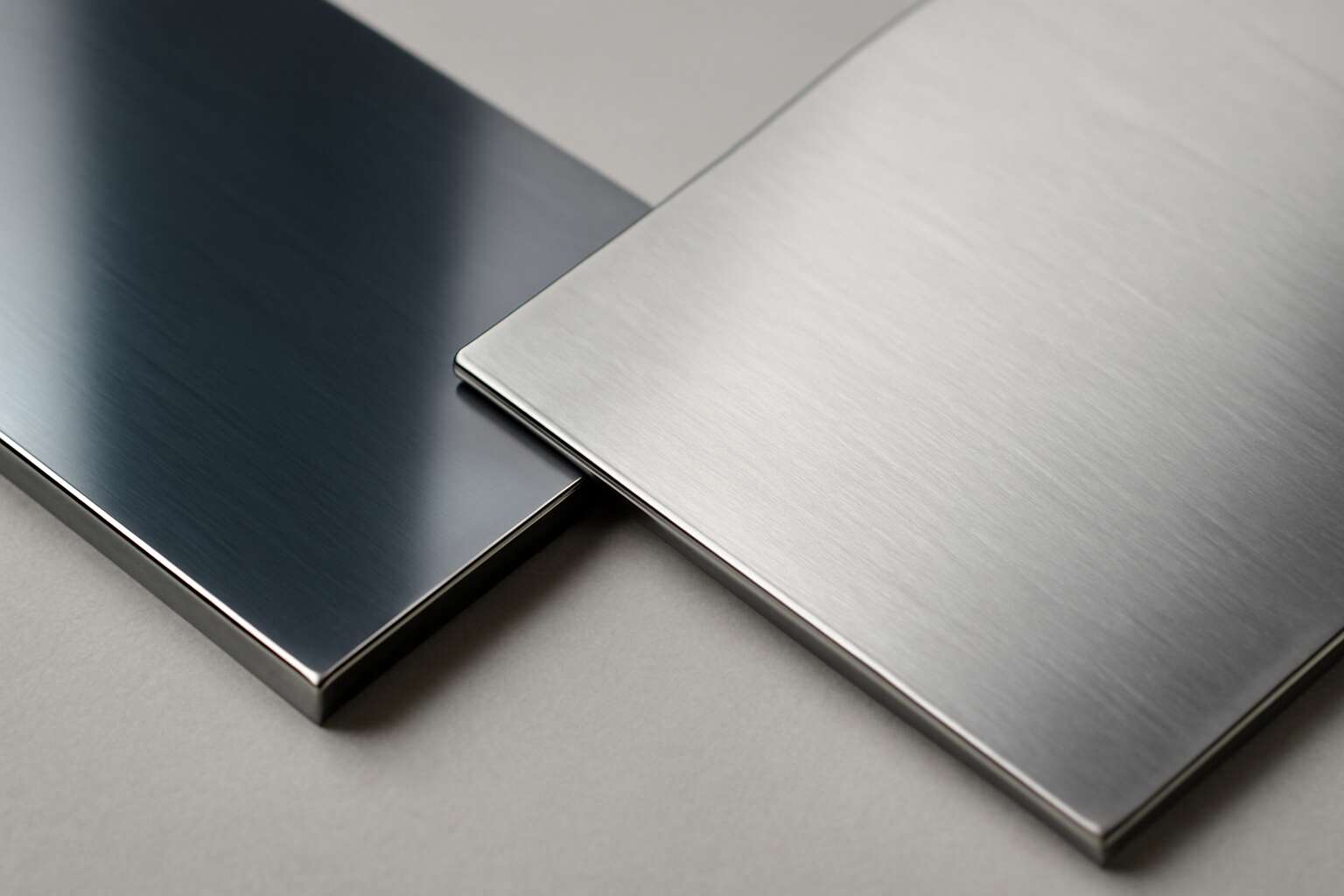
Understanding Steel and Stainless Steel
What Is Steel? – Definition, Composition, and Common Types
Steel forms the backbone of countless industries, from construction to manufacturing. It’s an alloy primarily made of iron and carbon, with varying amounts of other elements to enhance its properties. When discussing steel vs stainless steel, understanding the basics of steel is crucial. There are many common types, such as carbon steel, which is known for strength and affordability, and alloy steel, prized for its enhanced durability. Each type serves specific purposes, depending on factors like tensile strength or corrosion resistance.
Stainless steel, on the other hand, is a specialized variant designed to resist corrosion and staining. Unlike regular steel, stainless steel contains a significant amount of chromium—at least 10.5%—which forms a protective oxide layer. This makes it ideal for environments where exposure to moisture or chemicals is frequent. When comparing steel vs stainless steel, the key difference lies in their composition and intended use. For example, stainless steel is often used in kitchens and medical equipment, thanks to its hygienic qualities, while traditional steel is more common in structural applications where cost and strength are priorities.
What Is Stainless Steel? – Definition, Composition, and Types
In the grand tapestry of modern industry, steel stands as an indomitable titan, its influence woven into every corner of construction, transport, and innovation. Yet, behind its unassuming façade lies a fascinating world of distinctions—particularly when we compare steel vs stainless steel. These two materials, though sharing a common ancestry in iron, diverge like paths in a dense forest, each tailored by composition and purpose. The allure of stainless steel, with its shimmering resilience against corrosion, whispers promises of longevity and hygiene that traditional steel cannot match. It is a marvel of modern metallurgy, containing at least 10.5% chromium, which forms a microscopic shield—a protective oxide layer—guarding against the relentless assault of moisture and chemicals.
Understanding what sets stainless steel apart requires an appreciation of its diverse types and unique qualities. Among the most common varieties are austenitic, ferritic, and martensitic stainless steels, each with distinct characteristics suited to specific environments. From the gleaming surfaces of culinary appliances to the sterile corridors of medical facilities, stainless steel’s innate ability to resist staining and corrosion makes it indispensable. When comparing steel vs stainless steel, it becomes clear that the latter’s specialized composition lends itself to applications demanding both durability and aesthetic appeal, often at a higher cost but with exceptional benefits. This fascinating interplay of elements transforms simple metal into a symbol of resilience and elegance in the modern world.
Differences in Basic Composition – Carbon Content, Alloy Elements, and Microstructure
Steel versus stainless steel isn’t just a matter of shiny versus dull; it’s a fundamental debate rooted in their very composition. Steel, in its classic form, is primarily iron with a dash of carbon—usually up to 2%. This carbon acts like a secret weapon, hardening the metal and giving it strength, but also making it more prone to rust if left unprotected. Stainless steel, on the other hand, boasts at least 10.5% chromium, which forms a microscopic, invisible shield against corrosion—think of it as a steel suit of armor that keeps moisture and chemicals at bay.
Understanding their microstructure reveals why stainless steel can resist staining and rust, unlike basic steel. The key differences come down to alloy elements: stainless steel often incorporates nickel, molybdenum, and other metals that enhance its resilience. Meanwhile, traditional steel’s carbon content dictates its strength and ductility, but makes it more vulnerable to oxidation.
- Carbon
- Chromium
- Nickel
- Molybdenum
These elements forge the distinct identities of steel vs stainless steel, defining their uses from cutlery to construction with a surprising twist—stainless steel is often pricier but offers longevity that can outlast a lifetime of wear and tear.
Key Properties and Characteristics
Corrosion Resistance – Comparing Resistance to Rust and Corrosion
When it comes to steel vs stainless steel, one of the most striking differences lies in their ability to withstand the relentless march of rust and corrosion. Stainless steel, adorned with a generous splash of chromium, forms a nearly impenetrable barrier against moisture and environmental nastiness. It’s like the superhero of the metal world—resisting oxidation even in the most unforgiving South African climates.
In contrast, traditional steel is more like that friend who forgets to bring an umbrella on a rainy day. Without added corrosion resistance, plain steel can quickly succumb to rust, especially in humid or coastal areas where salty air acts like a corrosive villain. To better understand their resilience, consider this:
- Stainless steel’s chromium content creates a passive film that self-heals when scratched, maintaining its corrosion resistance over time.
- Steel, lacking this protective layer, relies heavily on surface treatments or coatings to fend off the elements, which often require regular maintenance.
So, whether you’re choosing between steel vs stainless steel for a kitchen project, outdoor installation, or industrial application, understanding this key property helps ensure your investment withstands the test of time and South Africa’s unpredictable weather patterns. After all, rust is nobody’s friend—especially when durability is the name of the game!
Strength and Durability – Mechanical Properties and Load-Bearing Capacity
When it comes to strength and durability, the battle between steel vs stainless steel reveals a fascinating tale of resilience and adaptability. Steel, celebrated for its exceptional load-bearing capacity, is the backbone of countless construction marvels across South Africa. Its strength is often measured by its ability to withstand significant mechanical stress without deforming or breaking. This makes it a stalwart choice for structural frameworks where durability is paramount.
Stainless steel, on the other hand, elevates this durability with an added layer of resilience against corrosion, making it ideal for environments exposed to harsh weather or salty air. Its microstructure provides not only strength but also flexibility—allowing it to absorb shocks and impacts that might shatter lesser metals. For applications demanding both robustness and longevity, stainless steel’s load-bearing capacity is impressive, often surpassing traditional steel in longevity and resistance.
In the grand arena of steel vs stainless steel, the choice hinges on specific needs. For heavy-duty industrial use or infrastructure that must endure South Africa’s diverse climate, understanding the nuances of their mechanical properties ensures a wise investment. Ultimately, both materials pack a punch—one with unmatched corrosion resistance, the other with unparalleled raw strength—each ready to meet the demands of a world that never stops testing its materials’ limits.
Aesthetic Appeal – Surface Finish, Shine, and Visual Appeal
When it comes to the aesthetic appeal of materials like steel vs stainless steel, surface finish and visual charm play a crucial role. Steel typically offers a matte, industrial look that can be polished to a bright shine or left with a textured surface. Its versatility allows for various finishing techniques, making it suitable for both functional and decorative applications.
Stainless steel, however, often boasts a natural, mirror-like shine that enhances its visual appeal. Its smooth, reflective surface not only looks modern but also lends an air of sophistication to architectural and design projects. This material’s resistance to tarnish and staining ensures that its aesthetic qualities remain intact over time, even when exposed to South Africa’s diverse climate conditions.
Interestingly, the choice between steel vs stainless steel can also depend on the desired surface texture. For instance, stainless steel’s ability to maintain a consistent, sleek finish makes it a favored choice for high-end kitchens, decorative panels, and outdoor fixtures. Meanwhile, steel’s surface can be manipulated to achieve a range of visual effects—from brushed to satin—allowing for tailored design outcomes.
In essence, while steel provides a sturdy, raw visual, stainless steel elevates any environment with its polished, enduring shine. Both materials offer unique aesthetic elements that, when chosen thoughtfully, can significantly influence the overall look and feel of a project—be it in industrial settings or stylish urban landscapes. The decision between steel vs stainless steel often boils down to balancing durability with visual impact, ensuring the right material complements the intended purpose and environment.
Ease of Cleaning and Maintenance – Cleaning Requirements and Longevity
When it comes to ease of cleaning and maintenance, steel vs stainless steel each have their own quirks. Steel, with its more porous surface, can sometimes trap dirt and grime, making it a bit more of a chore to keep spotless. It’s not impossible, but it often requires regular brushing and sealing to maintain its rugged appeal. Conversely, stainless steel’s smooth, non-porous surface acts like a mirror for dirt—easily wiped clean with minimal effort, making it a favorite for kitchens and high-traffic areas in South Africa’s diverse climate.
Stainless steel’s resistance to staining and tarnishing means it maintains its sleek look over time, even when exposed to South Africa’s salty air or humid conditions. Steel, on the other hand, may need occasional touch-ups or protective coatings to fend off rust and corrosion, especially in outdoor or coastal environments. A quick rinse or wipe-down is usually enough for stainless steel, while steel might demand a bit more elbow grease to achieve the same level of cleanliness.
In the ongoing debate of steel vs stainless steel, the maintenance requirements often tip the scale in favor of stainless steel. Its longevity and ease of upkeep make it a practical choice, especially for applications where appearance and hygiene are paramount. For those who prefer a low-maintenance marvel with enduring shine, stainless steel is often the winner—saving you time, effort, and the occasional grimace over stubborn stains. After all, in the world of materials, a little polish goes a long way!
Applications and Use Cases
Construction and Infrastructure – Structural Components, Bridges, and Buildings
When it comes to construction and infrastructure projects in South Africa, the choice between steel vs stainless steel can significantly influence the longevity and resilience of a structure. Structural components, bridges, and buildings demand materials that can withstand harsh environmental conditions and heavy loads. Steel has long been the backbone of these applications, appreciated for its exceptional strength and cost-effectiveness. Conversely, stainless steel’s corrosion resistance makes it an ideal candidate for projects exposed to moisture, salt, or pollution, common in coastal regions.
In large-scale infrastructure, the durability of stainless steel can translate into reduced maintenance costs and increased safety over time. For instance, bridges built with stainless steel components tend to resist rust and deterioration, even after decades of exposure. Meanwhile, steel’s versatility allows for quick fabrication and installation, making it a preferred choice for structural frameworks that require adaptability and high load-bearing capacity. Ultimately, understanding the specific demands of each project — from environmental factors to aesthetic considerations — guides whether steel vs stainless steel becomes the material of choice, shaping South Africa’s skyline with resilience and elegance.
Kitchen and Food Industry – Cookware, Cutlery, and Food Processing Equipment
In the bustling kitchens and food processing plants of South Africa, the choice between steel vs stainless steel is more than a matter of durability; it’s a question of safety, hygiene, and longevity. Stainless steel’s resistance to corrosion makes it a staple for cookware, cutlery, and food processing equipment exposed to moisture and acidic ingredients. Its non-reactive surface ensures flavors stay pure and utensils remain spotless, even after years of heavy use.
Meanwhile, traditional steel offers versatility and strength, making it ideal for heavy-duty equipment and structural components within industrial kitchens. Its ability to withstand impacts and resist deformation under pressure sustains the demanding environment of food production. For those seeking a balance of resilience and ease of maintenance, stainless steel often emerges as the preferred choice, especially in applications that demand high hygiene standards.
- Cookware designed from stainless steel resists staining and corrosion, maintaining its shine and integrity for decades.
- Cutlery crafted from stainless steel offers both aesthetic appeal and durability, essential for professional kitchens.
- Food processing equipment made from stainless steel ensures compliance with health regulations and withstands the rigors of daily use.
In essence, the debate of steel vs stainless steel in the culinary and food industry hinges on specific needs—whether it’s resilience under heavy loads or resistance to moisture and corrosion. Both materials have their place, but the choice ultimately shapes the safety and efficiency of South Africa’s culinary landscape.
Medical Equipment – Surgical Instruments and Medical Devices
In the high-stakes world of medical equipment, the choice between steel vs stainless steel can mean the difference between safety and jeopardy. Surgical instruments demand materials that are not only resilient but also impeccably hygienic. Stainless steel, particularly surgical-grade variants, offers unparalleled resistance to corrosion, ensuring instruments remain sterile even after repeated sterilizations. This resistance is vital in preventing contamination and maintaining the integrity of delicate procedures.
For medical devices, durability is crucial. Steel’s strength lends itself well to devices subjected to mechanical stress, such as implants or heavy surgical tools. However, the debate of steel vs stainless steel extends beyond mere strength. The non-reactive surface of stainless steel ensures that no harmful residues are left behind, safeguarding patient health. This makes stainless steel the material of choice in hospitals and clinics across South Africa, where hygiene standards are rigorous and uncompromising.
- Precision surgical instruments
- Reusable medical devices
- Implants and prosthetics
Ultimately, when considering applications in the medical field, the nuanced differences in steel vs stainless steel can influence outcomes profoundly. Both materials have their roles, but stainless steel’s corrosion resistance and ease of sterilization often tip the scales in favor of safety and longevity in healthcare contexts.
Automotive and Transportation – Vehicle Components and Machinery
In the fast-paced world of automotive and transportation, choosing the right material for vehicle components and machinery can make all the difference. Steel, renowned for its exceptional strength and load-bearing capacity, is often the backbone of chassis frames, engine parts, and heavy-duty machinery. Its robustness ensures safety and longevity, even under extreme conditions. However, when it comes to corrosion resistance and maintenance, stainless steel begins to shine brighter. The non-reactive surface of stainless steel makes it ideal for exhaust systems, trim, and decorative elements that require durability without rust or tarnish.
For vehicle components exposed to harsh environments, stainless steel’s resistance to corrosion is invaluable. It prevents deterioration caused by moisture, road salts, and other corrosive elements common in South Africa’s diverse climate. Moreover, the ease of cleaning and maintenance with stainless steel reduces downtime and prolongs the lifespan of critical parts. In the realm of machinery, stainless steel’s resilience against rust and oxidation ensures that automotive tools and equipment remain functional and reliable over years of use.
Whether opting for steel vs stainless steel, the decision hinges on application-specific demands. For structural integrity and load capacity, steel often takes precedence, but for aesthetic appeal and resistance to corrosion, stainless steel frequently emerges as the superior choice. The dynamic interplay of these materials continues to drive innovation in vehicle manufacturing and machinery, ensuring safety, performance, and durability remain at the forefront of industry advancements.
Decorative and Architectural Elements – Design Features, Fixtures, and Art Installations
In the shadowed corners of architectural design and artistic creation, the choice between steel vs stainless steel often determines whether a masterpiece endures or succumbs to decay. The dark allure of traditional steel lends itself to bold, structural statements—fixtures that echo strength and resilience. Yet, when beauty must stand against the relentless assault of time and elements, stainless steel becomes the material of choice, its surface gleaming with an almost otherworldly luster that resists tarnish and corrosion.
For decorative and architectural elements that demand both form and function, stainless steel’s resistance to tarnish allows for intricate design features that remain pristine over decades. From elaborate art installations to sleek fixtures, its non-reactive surface ensures visual clarity and ease of maintenance. Conversely, steel’s robustness can be harnessed to craft rugged, industrial-inspired accents that celebrate raw strength. In this eternal dance of material choice, steel vs stainless steel is often decided not just by appearance, but by the environment and purpose of each piece.
- Design features that require enduring beauty often favor stainless steel’s corrosion resistance, especially in outdoor or humid settings.
- Fixtures that demand structural integrity, such as supporting beams or framework, might lean toward traditional steel for its load-bearing prowess.
The allure of steel vs stainless steel in the realm of architectural and decorative applications is a testament to the duality of resilience and aesthetics. When the goal is to create a space that whispers of strength yet gleams with elegance, understanding the subtle differences in their properties becomes an art form unto itself. In South Africa’s diverse climate, where corrosion lurks in every gust of wind and splash of rain, this choice can mean the difference between fleeting beauty and timeless grandeur.
Cost and Pricing Factors
Material Cost – Price Differences and Market Factors
When weighing the costs of steel vs stainless steel, market factors play a significant role in shaping pricing differences. Steel, being more abundant and simpler to produce, generally offers a more budget-friendly option. Its material cost is lower, making it appealing for large-scale construction projects or budget-conscious manufacturing. Conversely, stainless steel’s alloying elements, like chromium and nickel, elevate its price but deliver superior corrosion resistance and aesthetic appeal. These enhancements justify the higher investment, especially in environments demanding longevity and minimal maintenance.
Price fluctuations in the steel vs stainless steel market are often driven by global supply chains, raw material availability, and demand trends. For example, in regions like South Africa, local steel production and import tariffs can influence the overall cost. An understanding of these factors helps in making informed choices, balancing upfront expenses against long-term durability. Sometimes, a slightly higher initial investment in stainless steel can save substantial costs down the line due to reduced maintenance and replacement needs.
Long-term Investment – Maintenance, Replacement, and Durability
When weighing the true expense of steel vs stainless steel, one must look beyond the initial purchase price. The real investment lies in the long-term costs associated with maintenance, replacement, and durability. Stainless steel, while pricier upfront, often proves to be a shrewd choice in environments where corrosion resistance is non-negotiable. Its ability to withstand the relentless assault of moisture and chemicals means fewer repairs and less downtime.
Conversely, traditional steel may tempt with a lower initial cost but can become a money pit if neglected. Rust and deterioration can escalate maintenance expenses, especially in humid South African climates. For projects demanding longevity, a slightly higher initial outlay on stainless steel can translate into substantial savings over time. It’s an elegant dance of cost versus durability, where understanding the nuances of steel vs stainless steel becomes crucial in making an informed decision.
- Initial purchase price
- Frequency of maintenance
- Likelihood of replacement
- Overall lifespan and durability
In the grand theatre of material selection, choosing between steel vs stainless steel is less about the immediate funds and more about the ongoing narrative of performance and resilience. The smarter investments are often those that balance upfront costs with the silent, persistent toll of neglect—where stainless steel often outshines its humble steel counterpart in the endgame of durability.
Processing and Fabrication – Machining, Welding, and Finishing Considerations
When it comes to processing and fabrication, the choice between steel vs stainless steel isn’t just about the final look—it’s about the journey from raw material to finished product. The different compositions of these metals lead to distinct challenges and costs during machining, welding, and finishing. For instance, stainless steel’s high chromium content makes it tougher to cut and shape, often requiring more specialized tools and longer processing times. This can translate into higher labor costs and increased wear and tear on equipment.
Welding stainless steel demands a more delicate touch—think of it as performing open-heart surgery rather than a casual DIY fix. Its propensity to work-harden means that welders must often preheat and control heat input carefully, adding to the complexity and expense. In contrast, traditional steel typically offers a smoother ride through fabrication, with less fuss and fewer restrictions.
To navigate these nuances, many fabricators rely on a handy
- list of considerations
:
- Material hardness and machinability
- Welding techniques and equipment compatibility
- Finish quality and surface preparation
While steel may be the budget-friendly champion initially, the higher costs associated with processing stainless steel are often offset by its longevity and low maintenance requirements. As you weigh the true expense of steel vs stainless steel, remember that the initial fabrication costs are only part of the story—long-term resilience and ease of finishing can tip the scales in favor of stainless steel, especially in demanding environments.
Environmental Impact and Sustainability
Recyclability – Recycling Rates and Processes for Steel and Stainless Steel
The environmental footprint of steel vs stainless steel is an often-overlooked aspect that influences sustainable development. Both materials are highly recyclable, but their processes and efficiencies differ significantly. Steel, with its abundant production and well-established recycling infrastructure, boasts impressive recyclability rates—often exceeding 85%. Its recycling process involves melting scrap steel, which consumes less energy compared to primary production, reducing greenhouse gas emissions. Stainless steel, while also recyclable, has a slightly lower recycling rate due to the presence of alloying elements that complicate the process. Nonetheless, it remains a sustainable choice because of its durability and long lifespan, which diminish the need for frequent replacement.
- Steel recycling involves straightforward melting and reprocessing, making it highly efficient.
- Stainless steel recycling retains the alloy elements, allowing it to be reused without significant loss of quality.
The processes for recycling each material are critical in understanding their environmental impact, especially in regions like South Africa where resource efficiency is vital. The ongoing advancements in recycling technology continue to enhance the sustainability credentials of both steel vs stainless steel, but steel’s simplicity in recycling often gives it a slight edge in eco-friendliness. Ultimately, choosing between the two involves weighing not just performance but also their roles in fostering a circular economy.
Eco-Friendliness – Environmental Footprint During Production and Disposal
The environmental footprint of steel vs stainless steel during production and disposal offers a compelling narrative about sustainability and resource efficiency. Steel’s well-established recycling infrastructure and straightforward melting process make it a leader in eco-friendliness. Its ability to be recycled repeatedly with minimal loss of quality significantly reduces the demand for virgin resources. In contrast, stainless steel, while also recyclable, involves more complex processes due to its alloying elements, which slightly hampers its recycling rate. Nevertheless, both materials boast impressive sustainability credentials, especially when considering their durability and long lifespan, which diminish the need for frequent replacement.
In regions like South Africa, where resource conservation is vital, understanding these subtle distinctions becomes crucial. The ongoing advancements in recycling technology continue to elevate the eco-friendliness of both steel vs stainless steel, but the simplicity of steel’s recycling process often gives it a slight edge in environmental impact. Ultimately, choosing between the two involves not only assessing their performance but also their roles within a circular economy—where longevity, recyclability, and minimal waste shape sustainable development.
Sustainability Practices – Sourcing and Responsible Manufacturing
In the intricate tapestry of sustainable manufacturing, the environmental impact and sourcing practices of steel vs stainless steel reveal nuanced distinctions that are vital in forging a resilient future. Steel’s reputation as a cornerstone of recycling efforts is rooted in its straightforward melting process, which enables it to be recycled countless times without significant degradation. This cyclical nature underscores its role in a circular economy—minimizing waste and conserving raw resources in regions like South Africa, where resource stewardship is paramount.
Meanwhile, stainless steel, with its complex alloy composition, presents a slightly more intricate recycling pathway. The presence of alloying elements such as chromium and nickel complicates the recycling process, often resulting in marginally lower recycling rates compared to steel. Despite this, both materials boast robust sustainability credentials, especially when their long lifespan and durability are factored into their environmental footprint. Embracing responsible sourcing and manufacturing practices—such as ethically procuring raw materials and adhering to eco-conscious production standards—further amplifies their eco-friendliness.
- Utilizing local raw materials reduces transportation emissions, vital in South Africa’s resource-conscious landscape.
- Implementing advanced recycling technologies ensures maximum recovery of valuable alloy components in stainless steel.
Ultimately, the debate of steel vs stainless steel extends beyond raw material properties, delving into their roles within a sustainable, resource-efficient economy. Both materials, when produced responsibly, serve as enduring symbols of progress—proof that durability and environmental mindfulness can coexist harmoniously in the modern world.
Choosing Between Steel and Stainless Steel
Factors to Consider – Climate, Application, Budget, Aesthetic Goals
When selecting between steel and stainless steel, one must weigh the subtle nuances that influence durability and performance. Climate plays an indelible role—harsh coastal air laden with salt demands the resilience of stainless steel, renowned for its corrosion resistance. Conversely, in stable, dry environments, traditional steel might suffice, offering strength at a more accessible price point.
Application is equally pivotal; structural projects benefit from the load-bearing prowess of steel, while culinary or medical uses often require the sleek, hygienic surface of stainless steel. Budget considerations swirl into this decision—steel often presents a more economical choice, yet long-term maintenance costs could tip the scales.
Aesthetic goals also guide the choice—stainless steel’s luminous sheen lends an air of modern elegance, perfect for architectural accents or decorative fixtures. Ultimately, understanding these factors ensures a harmonious union of material and purpose, whether you’re forging a bridge or crafting a culinary masterpiece.
Expert Recommendations – When to Opt for Steel vs Stainless Steel
Choosing between steel vs stainless steel isn’t just a matter of preference—it’s a strategic decision that can influence the longevity and performance of your project. For structural frameworks exposed to South Africa’s diverse climate, expert recommendations often favor steel due to its exceptional load-bearing strength and cost-effectiveness. However, when durability against corrosion is paramount—such as coastal properties—the resilient nature of stainless steel becomes indispensable.
In applications where appearance and hygiene are key, like culinary or medical environments, stainless steel’s sleek surface and ease of cleaning sway the decision. Conversely, for heavy-duty construction or industrial uses, traditional steel often offers the robustness needed without stretching the budget. When navigating the complexities of steel vs stainless steel, understanding the specific environmental and functional demands ensures a choice that stands the test of time and climate. Ultimately, the expert preference hinges on balancing these factors to craft solutions that are both practical and enduring.
Cost-Benefit Analysis – Longevity vs Initial Investment
Choosing between steel vs stainless steel often boils down to a delicate dance of initial investment versus long-term value. While stainless steel may command a higher upfront cost, its resistance to corrosion can drastically reduce maintenance expenses over time. Conversely, traditional steel tends to be more budget-friendly initially, but it may require frequent repairs, repainting, or even replacement in harsh environments.
For projects where longevity and minimal upkeep are paramount, the benefits of stainless steel often justify the premium. Its resilience against rust and staining ensures that structures or fixtures remain pristine, even in the damp coastal climate of South Africa. However, for heavy-duty industrial applications where budget constraints are tight, steel’s robustness and lower initial cost make it an appealing choice.
- Assess the environmental conditions—areas prone to moisture or salt exposure lean towards stainless steel.
- Calculate total cost of ownership—consider maintenance, repairs, and longevity.
- Match the material to the project’s aesthetic and functional demands—stainless steel’s sleek finish versus steel’s raw strength.
Ultimately, the decision in the steel vs stainless steel debate becomes a strategic balancing act—where initial costs meet enduring performance, shaping structures that stand resilient against time and climate’s inevitable test.



0 Comments