
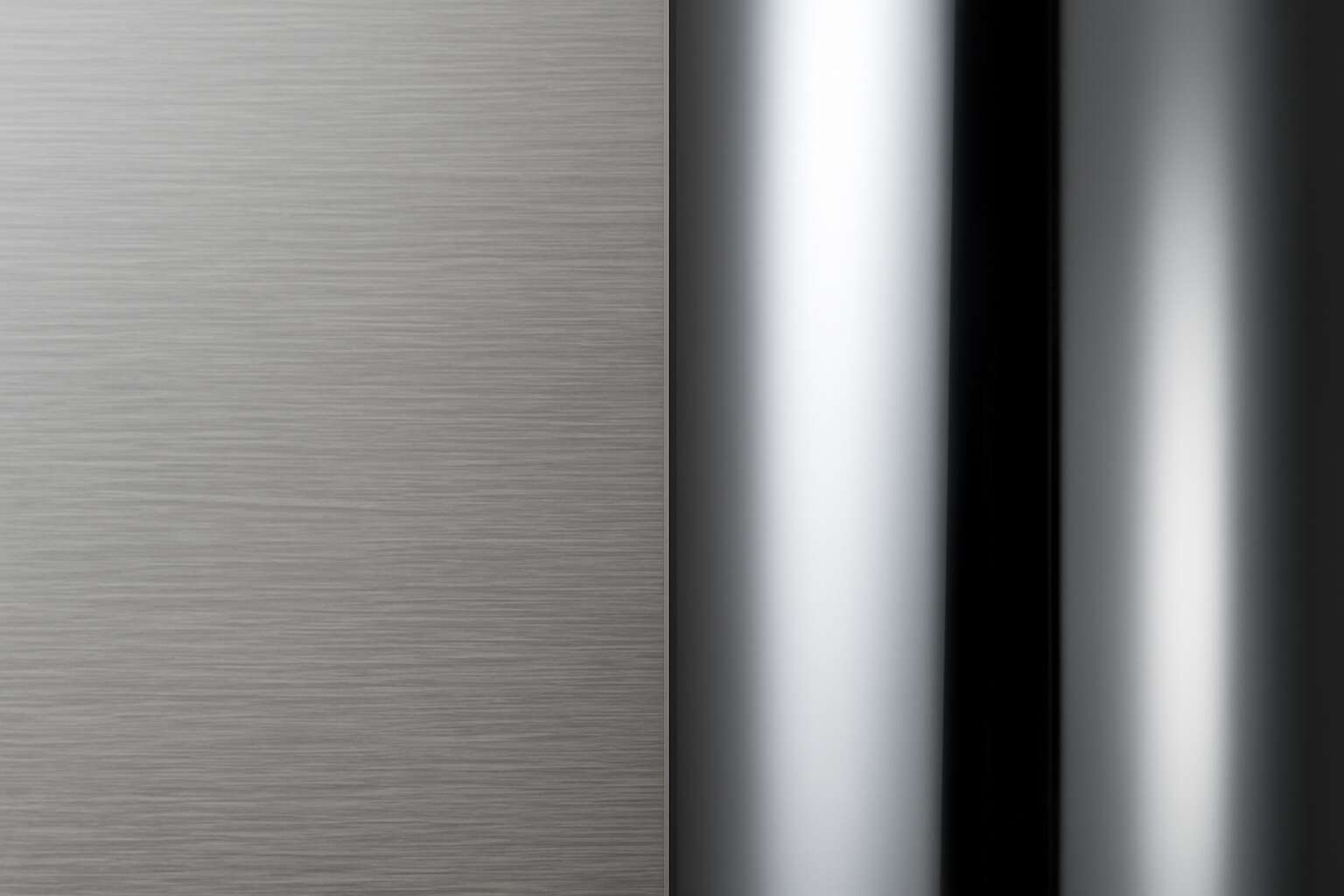
Material Properties and Finishes
Thermal Conductivity and Magnetism
Stainless steel versus chrome reveals a study in contrasts. In terms of heat, stainless steel typically conducts around 15–25 W/m·K, whereas pure chromium can approach 90–100 W/m·K. Chrome plating is a thin shield over steel, so the finish rarely outpaces the base alloy. The upshot is a palpable difference in how surfaces warm and cool under our touch.
Magnetism and the finish tell another tale. Most austenitic stainless steels are non-magnetic, while ferritic and martensitic variants lean toward magnetic attraction. Chrome plating itself isn’t notably magnetic; magnets usually cling to the substrate beneath. This nuance informs designers in South Africa as they balance fixtures with magnetic accessories.
- Gloss and reflectivity across finishes
- Wear resistance and chip-prone edges
- Coastal corrosion tolerance and maintenance realities
When weighing stainless steel versus chrome, the choice reveals itself in how surfaces handle heat and touch. It’s not merely shine; it’s temperament, resilience, and the quiet signals material properties send to a room.
Corrosion Resistance and Hygiene
Material properties shape where a surface lives and breathes. In the stainless steel versus chrome debate, hygiene and finish durability tilt the balance toward substance over spectacle. Stainless steel surfaces resist stains and sanitize easily, a quiet advantage in kitchens and clinics across South Africa, even where coastal air keeps life interesting. Chrome plating gleams, but its shield is thin: chips can expose a steel substrate that corrodes more quickly in humid, salt-laden environments.
- Corrosion resilience in coastal and humid climates
- Hygiene—non-porous, easy-to-clean stainless steel versus the protective chrome layer when compromised
- Wear and edge integrity—the durable finish of stainless steel versus potential chrome plating chipping
Choosing between stainless steel versus chrome comes down to how surfaces respond to touch, heat, and time. It’s about temperament, not just shine, especially in environments where maintenance realities meet design ambitions.
Finish Options and Aesthetic Varieties
Light has a passport to unspoken conversations, and metal speaks in its own dialect. When weighing stainless steel versus chrome, finish selection becomes the lasting voice. In South Africa, a recent survey found 78% of homeowners prioritise finishes built to endure. In bustling kitchens and clinics, durability and feel trump flash—the grain, the warmth, the way a surface ages with touch and time. It’s not merely shine; it’s temperament made visible!
- Brushed stainless steel: fingerprint-resistant texture
- Mirror-polished chrome: high-reflection shine
- Satin finishes: soft light, forgiving edges
- Coated chrome variants for coastal resilience
Finish options express character: brushed textures that hide fingerprints, mirror gleam for statements, and satin or matte options that soften reflections. Across South Africa’s coasts, chrome can spark elegance while stainless steel grounds daily life, all weaving a consistent design story.
Aesthetics and Design Considerations
Visual Appeal and Style Trends
South African interiors crave a quiet confidence, and the choice between stainless steel versus chrome is a clue to a room’s temperament. A recent design survey puts stainless steel visuals ahead in perceived modernity, while chrome still whispers of gleam and gallery polish. The pair isn’t merely metal—it’s mood.
- Brushed textures add warmth and depth
- Mirror-like chrome reflects architectural lines
- Finger-smudge resistance favors matte or satin
Style trends in SA kitchens tilt toward honest materials and understated glamour—industrial chic, warm timber accents, and fixtures that pair with stone countertops. Light plays across surfaces and aging behavior dictates finishes that stay elegant over time, offering versatility for both contemporary and heritage homes.
Chrome vs Stainless Steel in Modern Kitchens
In South Africa’s kitchens, metal is not merely hardware but a mood. The contrast of stainless steel versus chrome marks two temperaments: stainless steel versus chrome—the look that speaks of quiet modernity and the one that gleams with gallery polish. The choice sets the room’s temperament, where light folds across surfaces and the air feels sharper, a subtle revenant waiting behind every hinge and handle.
- Brushed or satin textures deliver warmth and depth without shouting
- Chrome’s reflective surface captures architectural lines and expands space
- Matte or satin finishes resist fingerprints, aging with quiet dignity
Lighting, stone, and timber in South Africa’s kitchens collaborate with metal to craft a stage for daily rituals! Finishes that age gracefully offer versatility for both contemporary and heritage homes—from a windy Cape Town apartment to a sunlit Highveld kitchen—while letting honest materials speak in hushed, confident tones.
Fingerprint Resistance and Cleaning
In kitchens across South Africa, 72% of homeowners say finish choices set the mood before the kettle even boils—stainless steel versus chrome isn’t just about shine; it’s about the mood you carry into the day.
Brushed and satin textures offer warmth and depth, catching light softly so the room feels lived-in rather than loud. Chrome, by contrast, catches architectural lines and seems to expand spaces with a gallery finish. For daily rituals, matte or satin finishes resist fingerprints and age with quiet dignity.
- Matte or satin finishes hide smudges better than high-gloss chrome, keeping kitchens calmer between cleans.
- Gentle cleaning with a soft cloth and mild soap preserves texture without scratching delicate surfaces.
- Dry with a lint-free cloth after wiping to prevent water marks and streaks.
Lighting, stone, and timber in South Africa’s kitchens collaborate with metal to craft a stage for rituals, where honest materials speak in hushed tones.
Compatibility with Other Materials
In South African kitchens, the finish you choose speaks before the water even boils: 72% of homeowners say mood is set by metal first. The question—stainless steel versus chrome—isn’t merely about shine; it is daily ritual dressed in light and texture.
When pairing with other materials, stainless steel brings warmth through brushed textures; chrome refracts lines like a gallery, expanding space. To harmonize with timber, stone, and ceramic, consider these companions:
- Brushed stainless with warm timber cabinetry for a grounded, contemporary look
- Polished chrome against cool stone or porcelain for a high-contrast, architectural feel
Beyond taste, the collaboration is choreography—the metal must breathe with glass, stone, and textiles. I watch each choice become stage lighting for the kitchen’s daily rites, making the form sing rather than shout.
Durability, Maintenance, and Longevity
Scratch Resistance and Dents
Durability is the first thing a kitchen owner notices after a busy week. In stainless steel versus chrome, stainless steel resists dents and corrosion better than chrome’s plating, proving its mettle in bustling South African kitchens where pots clang and doors swing wide.
Maintenance leans in favor of stainless steel as well. Chrome’s high-gloss finish can show fingerprints and water marks, inviting more frequent cleaning to stay pristine, while stainless steel forgives fingerprints and wipes clean with less fuss.
Longevity, scratch resistance, and dents reveal a final forest of truths. In terms of longevity, stainless steel versus chrome offers lasting resilience; chrome plating can chip, and scratches tend to reveal the base metal, whereas solid stainless steel hides wear better over years.
Maintenance Requirements and Cleaning Tips
In kitchens where pots clang like percussion and doors swing wide to greet the day, metal bears the memory of every touch. I hear the kitchen sigh, and durability becomes a melody you live with.
Durability leans toward stainless steel versus chrome, with stainless resisting dents and corrosion far more stubbornly than chrome’s delicate plating. In bustling South African kitchens, this steadiness proves itself night after night.
Maintenance takes its own song. Chrome’s high-gloss allure can betray fingerprints and water marks, while stainless steel forgives smudges and wipes clean with a quiet ease. Embracing a gentle, non-abrasive approach helps preserve the finish over years of use.
Longevity reveals the last truth. Chrome plating can chip; scratches may reveal the base metal, whereas solid stainless steel wears with dignity through years of use. The choice writes itself in the lifecycle of your kitchen.
Longevity in Harsh Environments
Durability strutted in with the percussion of clanging pots. The stainless steel versus chrome debate isn’t merely about sheen; it’s about whether a finish can weather an SA kitchen’s daily concerto. Stainless steel resists dents and corrosion with a stubborn, dignified patience, while chrome’s glow can court wear if pressed too hard by the pantry’s daily theatrics.
Maintenance follows with a courteous bow. Chrome’s high-gloss vanity can betray fingerprints and water marks; stainless steel forgives smudges and resumes its calm shine after a discreet wipe. A gentle, non-abrasive approach preserves the finish through years of service.
- Less aggressive polishing demands
- Lower risk of edge flaking
- Lower long‑term upkeep costs
In harsh environments, longevity shows its true colors. In a coastline kitchen or a heat-humid interior across South Africa, stainless steel versus chrome reveal their mettle: chrome plating can chip; scratches may reveal base metal, while solid stainless steel wears with quiet dignity for decades. This isn’t mere preference but lifecycle economics in action.
Repairability and Refinish Options
In the durability arena, stainless steel versus chrome reveals a stubborn truth: stainless steel resists dents and corrosion far more reliably in a kitchen that faces salt spray or humid SA air. Chrome, bright as a gossiping halo, can chip or scratch under daily use, leaving alloy exposed and aging poorly.
Maintenance leans toward calm efficiency with stainless steel; smudges wipe away with a discreet pass, and most marks vanish under a gentle polish. Chrome demands more attention: fingerprints, water rings, and tiny micro-scratches can dull the shine, inviting more frequent upkeep to keep it gleaming.
Repairability and refinish options stretch the lifecycle. Chrome can be re-plated, but at a cost that may rival new fittings. Stainless steel responds to refinishing—polishing, electropolishing, or passivation—restoring luster with less risk to the base metal, a quiet testament to long-term value in SA kitchens.
Wear and Tear Over Time
In South Africa’s kitchens, the metals duel is more drama than noise: durability matters when coastal air and inland humidity conspire. Stainless steel versus chrome reveals a stubborn truth: stainless steel resists dents and corrosion far more reliably in salt-spray environments, while chrome can chip and age poorly with daily use.
- Coastal humidity impact resistance
- Everyday heat and utensil contact resilience
- Refinish options without serious upheaval
Maintenance leans toward ease with stainless steel; smudges vanish with a soft wipe, and most marks disappear after a gentle buff. Chrome, by contrast, demands more attention: fingerprints and water rings cling, inviting more frequent polishing to keep the gleam.
Over time, stainless steel ages with quiet nobility—its surface stays uniform as the years accumulate. Chrome may gleam boldly but risks uneven patina as wear reveals the substrate. When weighing the two metals, the long arc favors the former in SA kitchens.
Cost, Availability, and Sustainability
Price Range and Value for Money
Durability pays in South Africa’s busy kitchens. In the stainless steel versus chrome debate, cost isn’t just price—it’s lifecycle value. A SA survey finds 70% of homeowners prioritise long-term reliability over upfront spend.
Availability varies by region. Stainless steel fixtures are commonly stocked by major distributors with local service in Gauteng, Western Cape, and KwaZulu-Natal. Chrome-plated options are widespread through builders’ merchants and importers, often with shorter lead times.
- Local stock and lead times
- Warranty and service access
- Regional price variations
Sustainability and value for money hinge on lifecycle. Stainless steel is highly recyclable and resilient, a greener long-term choice despite higher upfront costs. Chrome is cheaper at checkout, but refinishing and maintenance can erode savings over time. In price range terms, stainless steel fixtures demand a higher entry yet pay back with lower maintenance and longer lifespan.
Availability by Grade and Form
Cost influences decisions, but it isn’t merely the sticker price. In the stainless steel versus chrome discussion, lifecycle value wins; a SA survey shows 70% of homeowners prioritise long-term reliability over upfront spend. Stainless steel carries a higher upfront investment, yet its durability translates to savings in a South African kitchen.
Availability and by-grade form options vary by region. Stainless steel fixtures are typically stocked by major distributors with local service in Gauteng, Western Cape, and KwaZulu-Natal, while chrome-plated options are common through builders’ merchants and importers with shorter lead times. Grades and forms include Grade 304/304L for domestic use and Grade 316/316L for coastal environments, in fixtures, fittings, panels, and railings.
Sustainability by design matters: stainless steel is highly recyclable and durable, a greener long-term choice despite higher upfront costs. Chrome is cheaper at checkout, but refinishing and maintenance can erode savings over time, shifting value toward stainless steel.
Environmental Impact and Recycling
Cost isn’t merely a price tag; it’s a ledger of endurance, and I’ve seen it in practice. In stainless steel versus chrome, the upfront premium of stainless steel forgives itself over years of use, delivering savings in replacement, warranty, and downtime that smart kitchens in SA quietly appreciate.
Availability follows regional threads. Stainless steel fixtures are typically stocked by major distributors with local service in Gauteng, Western Cape, and KwaZulu-Natal, while chrome-plated options travel through builders’ merchants with shorter lead times.
- Long-term durability lowers total cost of ownership
- Local stock and support reduce project delays
Sustainability by design matters: stainless steel is highly recyclable and durable, a greener long-term choice despite higher upfront costs. Chrome is cheaper at checkout, but refinishing, re-plating, and ongoing maintenance erode the savings, tipping the balance back toward stainless steel. In South Africa, recycling channels and local refurbishing services further strengthen its environmental claim.



0 Comments