
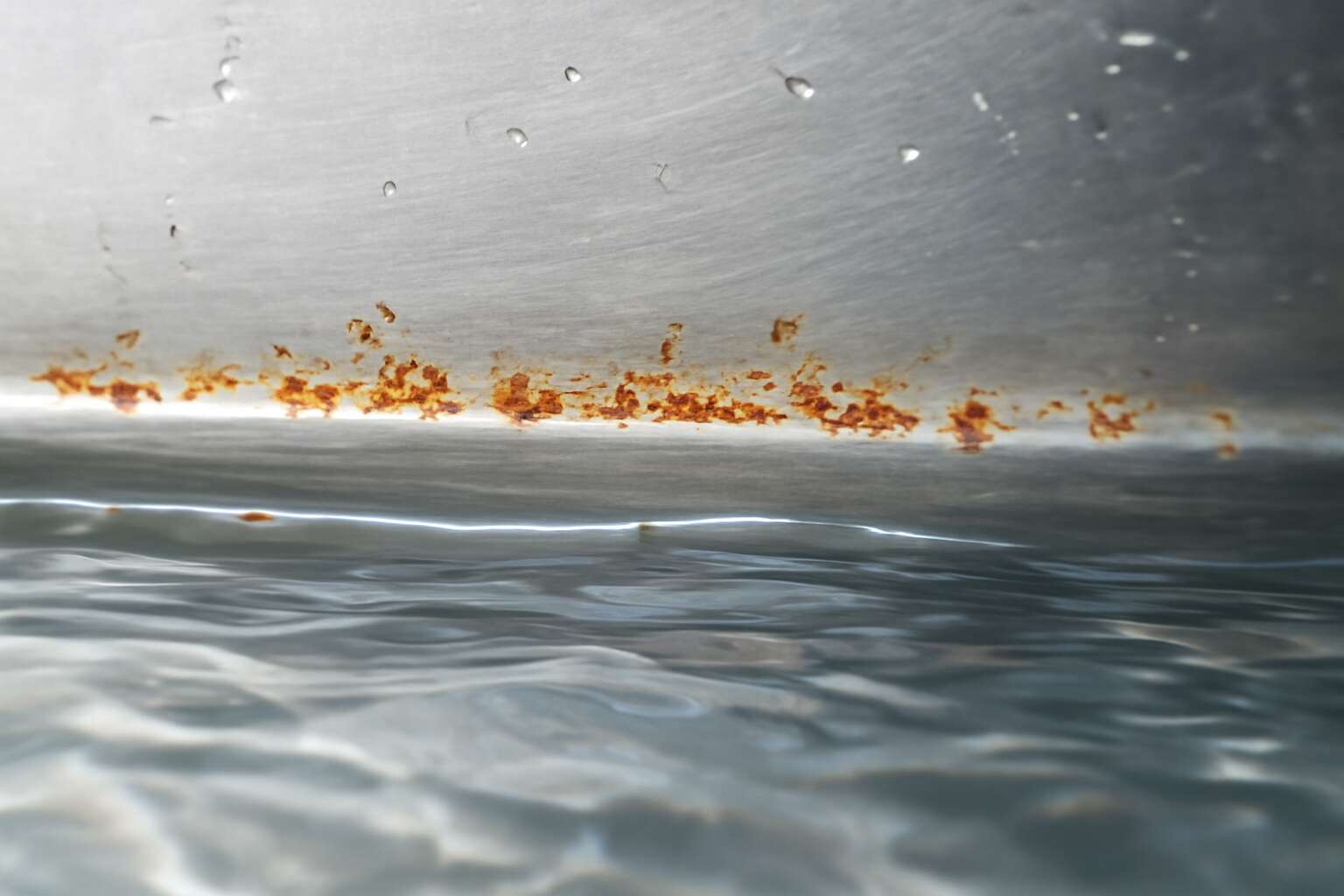
Understanding Stainless Steel in Water: How Rust Occurs
Fundamental corrosion processes in hydrated environments
“Stainless steel isn’t stainless by accident; it’s a careful dance with the electrolyte,” a South African metallurgist once quipped. In water systems, the question lingers: can stainless steel rust in water?
Fundamental corrosion in hydrated environments begins with a chromium-rich passive layer that shields iron. O2, chlorides, and temperature conspire to disturb that film, inviting pitting and crevice attack in damp, stagnant pockets.
- pH levels and chloride exposure
- temperature and water stagnation
- alloy grade and protective finishes
In the South African context, the stainless steel story is a delicate negotiation between metal and environment, a reminder that hydration alters the tale of durable fixtures. The water here has its mineral whispers, keeping engineers polite and chemists busy.
Impact of stainless steel grades on rust resistance
Across South Africa’s water networks, the question can stainless steel rust in water in water lingers like a specter in a sunlit corridor. The truth is nuanced: rust can creep when the chromium film falters amid mineral-rich waters, temperature quirks, and stubborn chlorides that invade damp pockets.
The magic of stainless steel rests on grades tuned to their stage. In hydrated systems, 304 is common, yet 316—armed with molybdenum—stands firmer against chloride-rich water; duplex grades such as 2205 marry strength to corrosion resistance. Finishes and the natural passivation layer also influence outcomes, shaping how the metal meets damp environments here in SA.
Considerations at a glance:
- 304 vs 316: relative resistance to chlorides
- Duplex alloys like 2205 for higher strength and chloride tolerance
- Protective finishes and passivation shaping long-term behavior
How water chemistry drives corrosion rates (pH, chlorides, dissolved oxygen)
Across SA’s shimmering pipelines, a bold claim clings to the walls of our imagination: the question ‘can stainless steel rust in water’. The answer arrives in a whisper of chemistry and time. Water is not a static sheen but a living milieu—an invisible storm where ions, moisture, and tiny currents choreograph a slow ballet of oxidation. In that theatre, stainless steels face a test far subtler than force.
To parse the drama, we map water chemistry as the prime conductor of corrosion rates: pH, chlorides, and dissolved oxygen. These elements don’t wear armor; they tweak the tempo of rust. Consider the trio below:
- pH levels
- Chloride concentration
- Dissolved oxygen
The role of passivation layers and protective films
Can stainless steel rust in water, the question that quietly prowls SA’s pipelines? The answer hinges on a guard: the passive film. In water, rust is a whisper of chemistry, and ignoring that whisper comes with a price—the kind of statistic that haunts maintenance budgets. The question ‘can stainless steel rust in water’ finds its answer there.
The passivation layer is a thin chromium oxide shield that forms spontaneously, fending rust from the metal’s heart. In oxygen-rich water, it can reform after small nicks; in chloride-rich or abrasive surroundings, it may falter. Re-passivation is possible when the surface stays clean and the chemistry cooperates. Consider these guiding ideas:
- Oxygen enables passivation
- Chlorides and abrasion threaten film
- Clean surface and chromium support re-passivation
Common rust scenarios in plumbing, appliances, and marine settings
South Africa’s pipes carry more than water—they carry a quiet test of metal and time. The question can stainless steel rust in water? echoes through plants and pump rooms, where oxygen, chlorides, and flow rate script a subtle chemistry on the surface. When conditions stay clean and the chemistry favorable, the shield endures; when they don’t, trouble finds a hinge or seal.
- Common plumbing lines with chlorides and fluctuating temperatures
- Domestic appliances in mineral-rich or acidic water
- Coastal or riverine systems exposed to salt spray
In practice, the story unfolds as a contextual balance: water chemistry, surface cleanliness, and material choice converge to set rust risk on a spectrum rather than a verdict. The South African water landscape reminds readers that safe metalwork lives within nuance, not absolutes.
Strategies to prevent rust in water-contact applications
Water is the great tester of metal, the tide that reveals a material’s true mettle. The question—’can stainless steel rust in water’—drifts through South Africa’s plant rooms and coastal pipes, a riddle that hinges on microclimates, cleanliness, and the whispers of time.
Understanding this balance means seeing rust not as a verdict but as a spectrum shaped by surface history and the water’s mood. In water-contact realms, subtle shifts—impurities, flow quirks, and periods of stagnation—can nudge that thin shield toward compromise, even with stainless steel that looks pristine.
Strategies unfold as a quest for harmony: alloy choice aligned with the setting, a mind toward clean surfaces, and careful design that respects the rhythm of water. In SA’s varied waters, the story remains one of cautious wonder rather than doom.


0 Comments