
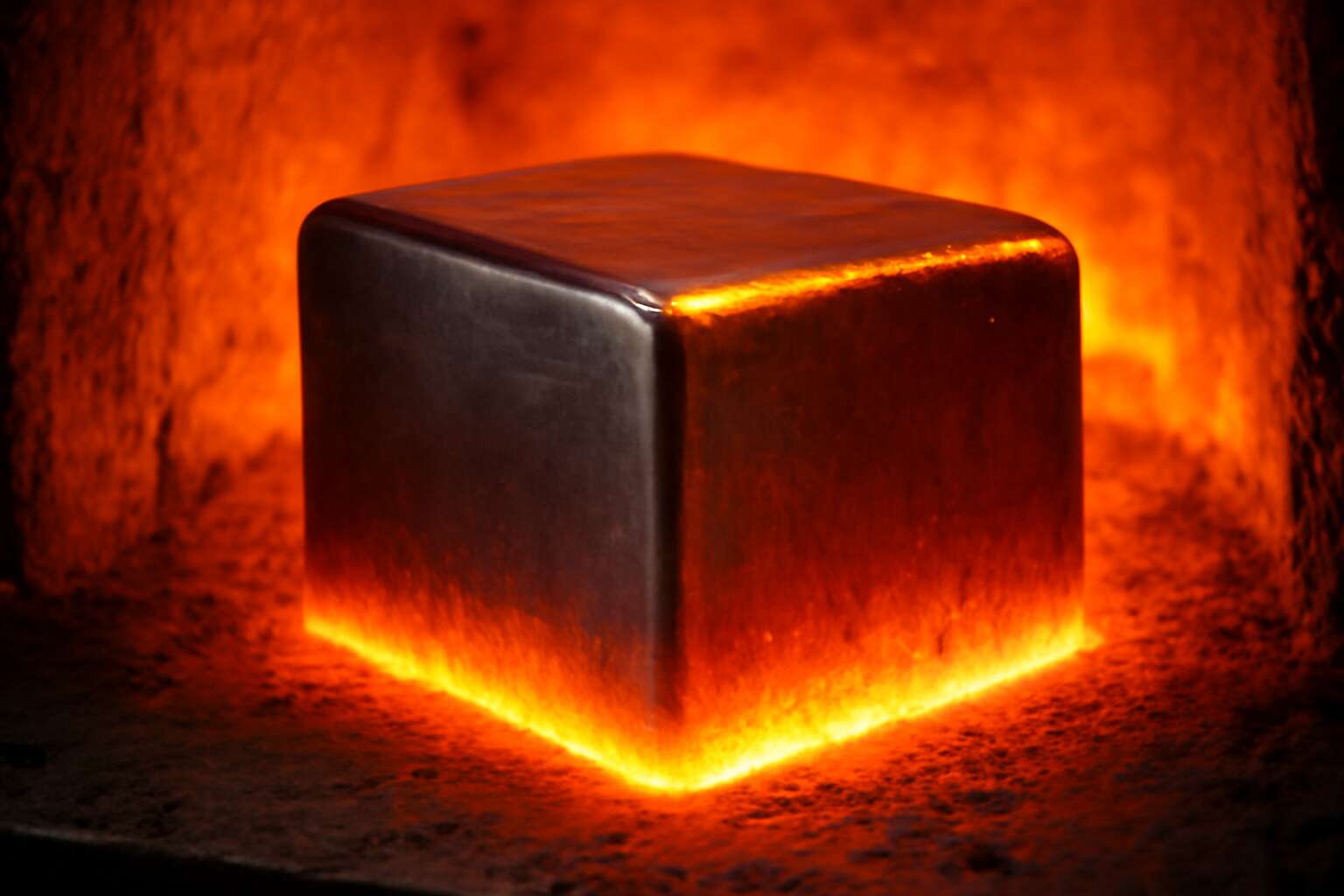
Overview of Stainless Steel Melting
What melting means for stainless steel
Stainless steel powers South Africa’s kitchens, pipelines, and workshops—and it’s one of the most recyclable metals in the world. A striking fact: up to 85% of stainless scrap is melted down to make fresh products, slashing waste and saving energy in every melt!
Melting means turning a solid alloy into a liquid. For stainless steel, the melt point runs roughly 1400 to 1500°C, depending on grade. In plants, electric arc furnaces and basic oxygen furnaces handle the task, followed by refining to restore corrosion resistance and alloy balance. Towards the practical question, can stainless steel melt easily? It can, but it depends on composition, contaminants, and heat control.
- Alloying elements such as chromium, nickel, and molybdenum raise melting points and change fluidity.
- Impurities and coatings create slag and demand energy for clean separation.
- High-quality scrap and careful pre-melting processing improve yield and refine outcomes.
Typical melting points and ranges for different grades
Stainless steel powers South Africa’s kitchens, pipelines, and workshops—and it’s one of the most recyclable metals in the world. In fact, up to 85% of stainless scrap is melted down into fresh products. The melt begins at roughly 1400–1500°C, with the exact window tied to grade. The question remains: can stainless steel melt easily? It can, but it depends on composition and heat control, and it’s the difference between a smooth pour and a stubborn, slaggy session. In modern plants, electric arc furnaces and basic oxygen furnaces do the heavy lifting, refining as they go.
Typical melting windows by grade help engineers plan ahead. Austenitic steels such as 304 and 316 usually fall in the 1400–1450°C range; Ferritic grades sit close to 1390–1450°C; Martensitic varieties run a touch higher, about 1420–1520°C. These differences shape molten behavior, flow, and the subsequent refining required to restore corrosion resistance and balance.
Melting behavior across common stainless steel families
Stainless steel melts in a controlled way, and the path differs by grade. In South Africa’s workshops and foundries, melt behavior is watched closely to avoid defects and ensure steady flow. “can stainless steel melt easily” is not a simple yes or no; it hinges on composition and heat management. Austenitic, ferritic, and martensitic families each bring their own melting tempo and texture to the pour. It’s not guesswork—it’s measured heat and precise control! Globally, roughly 85% of stainless scrap is recycled.
- Austenitic (304/316): high nickel and chromium content yields smooth, predictable pours when heat is carefully managed.
- Ferritic: lighter alloying means a tighter melting window and steady flow with modest slag formation.
- Martensitic: higher carbon alters pour dynamics and requires precise refining to restore corrosion resistance.
Across grades, melt behavior guides refinery work and post-pour refinement, shaping the final balance of corrosion resistance and form.
Myths vs. reality about melting stainless steel
Across South Africa’s melt shops, a stubborn truth bites into the heat: globally, roughly 85% of stainless scrap is recycled. This isn’t mere recycling trivia; it frames how we approach every pour, sharpening both discipline and respect for the metal’s quiet intensity.
can stainless steel melt easily—it’s not a simple yes or no. A touch of nickel, chromium, or carbon shifts the melting tempo, texture, and slag behavior. In practice, controlled heat keeps defects away and flow steady. That is why the question can stainless steel melt easily lingers in every decision.
Austenitic, ferritic, and martensitic families each contribute their own melt character. Austenitic grades like 304/316 pour smoothly when heat is managed; ferritic alloys offer a tighter window and steadier flow; martensitic grades, richer in carbon, demand careful refining to protect corrosion resistance.
Key properties that influence melting of stainless steel
Alloy composition and crystal structure
Across South Africa’s workshops, stainless steel doesn’t melt at a single point. Its behavior hinges on two forces— alloy composition and crystal structure—that travel with every batch. Nickel and chromium content stabilizes the austenitic phase, helping heat spread evenly. Carbon and carbide-forming elements create local hard spots that alter melting. The crystal structure—whether austenitic, ferritic, or martensitic—shapes how heat moves through the lattice, even before impurities make their presence felt.
Key influences include:
- Alloy composition (chromium, nickel, molybdenum) tailoring the solidus range
- Carbon content and carbide-formers that create local hard zones
- Impurities and inclusions that disrupt heat flow and grain boundaries
- Crystal structure (austenitic FCC vs. ferritic BCC) and microstructure uniformity
The reality is nuanced: can stainless steel melt easily depends on alloy composition and crystal structure.
In South Africa, tight quality control keeps performance predictable.
Impact of chromium, nickel, and other alloying elements
In South Africa’s dimly lit workshops, heat writes its own law. The question of can stainless steel melt easily remains nuanced—it’s never a single point but a score settled by balance between alloying and crystal structure. I watch chromium and nickel work in concert to carry heat like a winding river; carbon and carbide-formers etch local hard zones that resist melt, giving the metal its stubborn personality, indeed.
- Chromium, nickel, and molybdenum shaping the solidus range to soften or stiffen entry into melting
- Carbon content and carbide formers forging local hard patches that pin heat flow
- Impurities and inclusions that disrupt grain boundaries and heat transfer
- Crystal structure (austenitic FCC vs ferritic BCC) governing how heat travels through the lattice
That reality lives in the alloy bath—a delicate balance of elements sets the scene for melting behaviour.
Role of impurities and slag formation
Key properties that influence melting of stainless steel unfold like a mapped coastline: elemental balance, crystal rhythm, and heat flow. In South Africa’s foundries, heat writes its own law—a seasoned metallurgist once whispered, “Heat writes its own law.” The question: can stainless steel melt easily—unfolds as a spectrum of controls rather than a verdict.
- Impurities and slag: sulfur, phosphorus, oxygen create slag layers and micro-inclusions that steer heat transfer and local melting behavior.
- Carbide formers and carbon content forge local hard patches that alter flow and the effective solidus entry.
- Grain boundaries and inclusions disrupt lattice heat pathways, shaping how rapidly the melt forms and stabilizes.
In the alloy bath, the balance of elements and the resulting crystal structure determine how heat travels through stainless steel, guiding the path to liquefaction. Slag acts like a referee, absorbing or localizing energy and thereby shaping the melt’s character in South African workshops and beyond.
Grain size, phase distribution, and melting behavior
Heat writes its own law in South Africa’s foundries, a refrain metalworkers murmur as the furnaces glow. The big question threads through the shop floor: can stainless steel melt easily? The answer isn’t a verdict but a spectrum—grain size, phase distribution, and melting behavior sketch the path heat can take through the alloy.
- Grain size and boundary density influence heat transfer and the onset of liquefaction
- Phase distribution between austenite and ferrite guides local liquidity and flow patterns
- Melting behavior follows microstructural pathways, with inclusions guiding where heat concentrates
In the alloy bath, these microstructural traits determine how heat travels, which in turn choreographs the melt’s movement across South African workshops and beyond.
Heat transfer properties and temperature uniformity
Heat travels through stainless steel with a curious mix of whispers and thunder. In the foundry glow, conductivity, heat capacity, and emissivity choreograph the climb toward liquefaction. The big question is can stainless steel melt easily; the answer lies in how heat threads through the alloy, not in the flame alone.
Key properties at play include:
- Thermal conductivity and heat flux patterns
- Temperature uniformity across the melt pool
- Thermal diffusivity and heat penetration rate
- Surface emissivity and radiant heat absorption
Can stainless steel melt easily? The balance of heat transfer properties and temperature uniformity decides the tempo on South Africa’s shop floors.
Industrial melting methods and equipment
Electric arc furnaces and scrap-based melting
Industrial melting in stainless steel demands more than heat; it requires timing and seamanship. The intriguing question often surfaces on the shop floor: “can stainless steel melt easily” under the right conditions. In South Africa, electric arc furnaces harness scrap with surgical precision, turning discarded steel into feedstock that powers tomorrow’s alloys.
Electric arc furnaces melt by passing high-current arcs through a charged batch of scrap, with ferroalloys and fluxes added as needed. The process can be started and halted rapidly, offering flexibility and short lead times while refining occurs in ladle metallurgy and slag is managed for product cleanliness.
Key considerations for scrap-based melting include:
- Feedstock variability and contamination risk
- Energy use and arc stability
- Slag chemistry and refining opportunities
South Africa’s energy landscape shapes decisions about furnace sizing and recycling throughput, where precision and reliability keep the line moving.
Induction melting of stainless steel
Induction melting changes the clock on stainless steel production! People ask: can stainless steel melt easily? Induction uses high-frequency currents to heat the charge directly, delivering fast melts with tight temperature control. In South Africa, this translates to energy efficiency and shorter cycle times in modern plants.
Induction melting of stainless steel offers several practical advantages:
- Rapid heat-up and precise temperature control for consistent alloying
- Low contamination risk and easy furnace cleanliness
- Compact, energy-efficient equipment suited to SA plant layouts
For SA facilities balancing power supply and throughput, induction melting is a steady ally.
Crucibles, ladles, and furnace linings
In the melt shop, heat is the heartbeat of every alloy. The question can stainless steel melt easily often arises, and the answer lies with the right tools: crucibles, ladles, and furnace linings—the trio that shapes every pour in SA plants.
Crucibles endure the fever of molten metal; typical materials include graphite and alumina ceramics, chosen for thermal shock resistance and slag compatibility.
- Graphite crucibles
- Alumina ceramic crucibles
- Silicon carbide crucibles
Ladles trap heat for clean transfer, with interiors coated to minimize contamination. Furnace linings—firebricks and castable refractories—provide insulation and a protective shell against corrosive heat, enabling stable temperature control that keeps stainless steel melt processes smooth, even in challenging SA environments.
In South Africa, the synergy of these components supports compact, energy-conscious layouts that keep production steady without sacrificing purity.
Energy efficiency and process control
In SA melting floors, energy efficiency is the quiet driver behind steady output. Industry data show plants can shave up to 15% off energy use with smarter process control and compact layouts.
When asking can stainless steel melt easily, the answer depends on tuned heat input, precise temperature control, and clean transfer between steps. The right methods—electric arc or induction-inspired sequences—prevent waste and keep the melt consistent.
Efficiency hinges on disciplined heat management and process visibility.
- Precise heat ramping and dwell times
- Minimized heat losses through enclosure
- Real-time monitoring and predictive controls
In the SA context, this blend supports compact, energy-conscious lines that sustain purity and throughput even in challenging environments.
Safety, standards, and practical considerations
Work safety: PPE and hot-work procedures
One spark can derail a melt and slow a line, a truth that hits hard in South Africa’s metal workshops. The question, ‘can stainless steel melt easily,’ under certain conditions, is not just theoretical—it shapes alarms, temperature controls, and training every shift. Safety isn’t a checklist; it’s the rhythm that keeps people and plants intact during hot-work, with vigilance as the silent ally of every operator.
- Flame-resistant clothing and gloves
- Face shield and safety goggles
- Respiratory protection when fumes are possible
- Hearing protection in noisy environments
- Non-sparking tools and fire blankets
- Fire extinguishers and clear evacuation routes
Standards require a hot-work permit, continuous fire watch, adequate ventilation, and documented training; South African facilities align with SANS/SABS guidelines and local regulations to minimize risk during metal heating.
Regulatory standards and environmental considerations
Safety, standards, and practical considerations weave through South Africa’s metal rooms with an almost ceremonial vigilance. The answer to can stainless steel melt easily is not a simple yes or no; control, alloy, and environment determine the outcome, not romance with flame. In SA, facilities align with SANS/SABS guidelines and local regulations, ensuring the heat stays contained within the melt and the community stays safe.
Regulatory frameworks demand permit-to-work systems, continuous monitoring, and robust waste and emissions management. Environmental considerations extend from slag handling and fume capture to energy efficiency reporting and water stewardship. These elements keep downtime to a minimum and sustain a culture where safety, compliance, and performance cohere across shifts.
- Permit-to-work governance and fire watch
- Emission controls and fume management
- Slag handling and recycling processes
- Energy and water usage reporting
Handling molten metal and emergency protocols
In South Africa’s molten corridors, safety is the shaping of fate. The question can stainless steel melt easily is not answered by romance with flame; it is dictated by process control, alloy chemistry, and the surrounding environment.
Compliance with SANS/SABS standards keeps heat contained and communities safe, while permit-to-work systems and continuous fire watches guard every pour.
- Permit-to-work governance and fire watch
- Emergency protocols and PPE
- Slag handling and fume controls
An orderly sequence—rigorous training, tested procedures, and careful energy use—lets the metal yield its power without chaos, sustaining safety and performance across shifts.
Quality control and post-melt steel inspection
Safety is the lighthouse in South Africa’s molten workshops, guiding every pour through standards and vigilance. Compliance with SANS/SABS keeps heat contained and communities safe, while permit-to-work systems and continuous fire watches guard the flame’s mercy. One question that glows in the furnace: can stainless steel melt easily? The answer lies in disciplined process control, meticulous alloy balance, and a quiet, protective environment that prevents chaos from seeping into the pour.
Quality control and post-melt inspection ensure the final product meets spec and performance criteria. Routine sampling, non-destructive testing, surface finish checks, and composition verification help catch inclusions, slag, or deviations before material leaves the plant. The aim is a traceable, consistent microstructure that supports formability, weldability, and long-term corrosion resistance.


0 Comments