
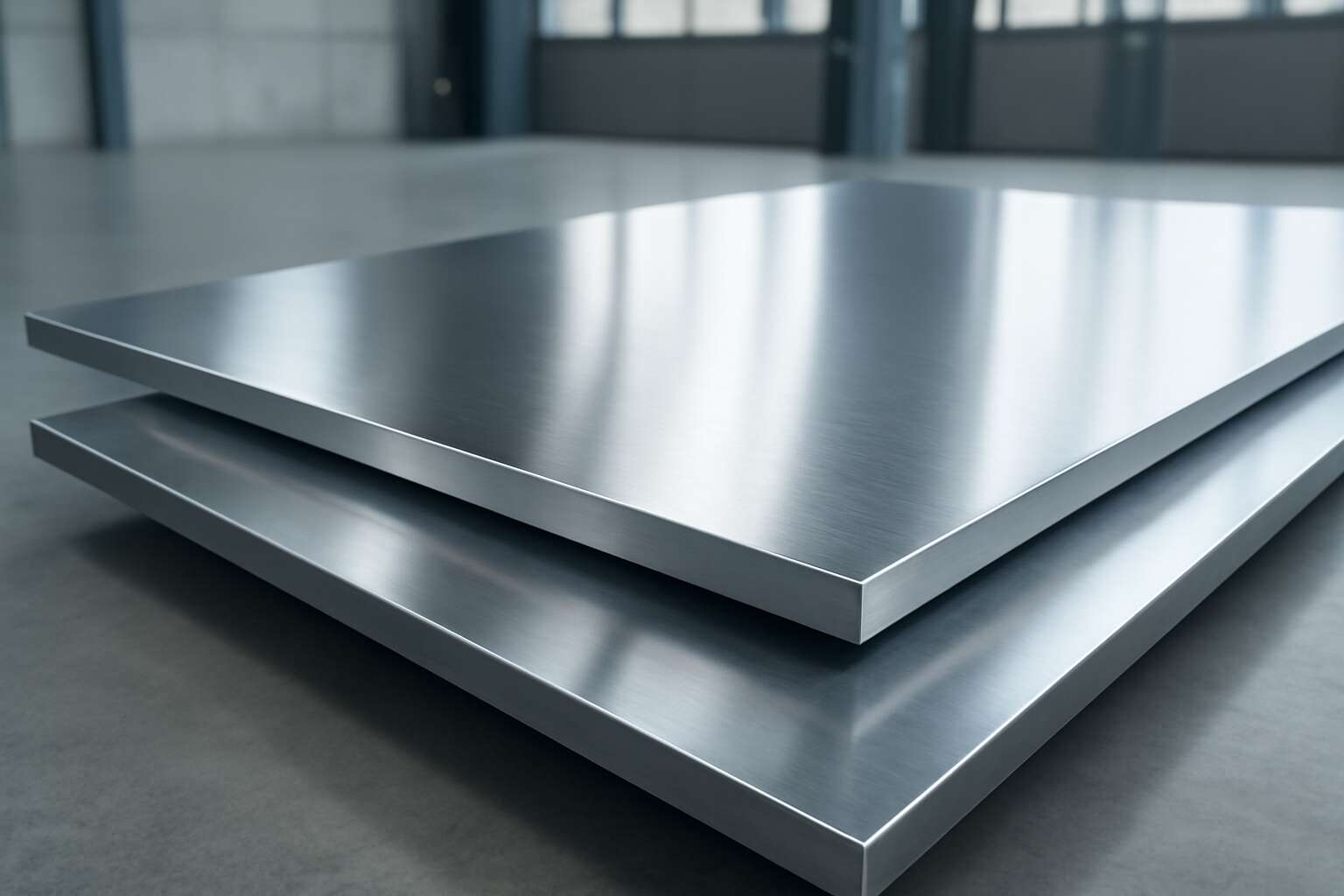
Understanding Stainless Steel and Its Market in South Africa
Overview of Stainless Steel – Types, grades, and common applications
In the vibrant tapestry of South Africa’s industrial landscape, stainless steel stands as a gleaming thread—resilient, versatile, and ever-evolving. The stainless steel price South Africa reflects not only raw material costs but also the intricate dance of global supply and local demand. It’s a symphony of factors—import tariffs, currency fluctuations, and technological innovations—that shape the ebb and flow of market values.
Understanding the different types and grades of stainless steel reveals a world of possibilities. From the robust 304—renowned for its corrosion resistance—to the high-strength 316, each grade serves a unique purpose in industries ranging from construction to culinary arts. Common applications include architectural facades, kitchen equipment, and automotive components, where durability and aesthetic appeal converge like a perfect harmony.
For those seeking clarity amid the complexity, consider this: the stainless steel price South Africa fluctuates with precision, mirroring both the global steel market’s turbulence and local economic currents. It’s a testament to the metal’s importance—an enduring symbol of resilience that continues to forge South Africa’s industrial future.
Factors Influencing Stainless Steel Prices – Raw material costs, demand and supply dynamics, currency fluctuations
In the sprawling mosaic of South Africa’s industrial scene, stainless steel remains the unsung hero—shining bright in construction, manufacturing, and even the local braai scene. But let’s talk turkey: the stainless steel price South Africa isn’t just a number plucked from thin air; it’s a complex tapestry woven from raw material costs, demand, and the unpredictable dance of currency fluctuations. When the Rand takes a nosedive, so does the stainless steel price South Africa, making it a rollercoaster ride for buyers and sellers alike.
Factors influencing the stainless steel price South Africa include global steel prices, which are often dictated by international giants like China and India. Meanwhile, local demand—think booming infrastructure projects and a thriving hospitality sector—keeps the market lively. Supply chain hiccups, import tariffs, and technological innovations also play their part, turning the stainless steel market into a game of high-stakes poker. Sometimes, a simple shift in the currency can send prices soaring or plunging, reminding us that in South Africa, steel isn’t just metal—it’s a reflection of economic resilience and adaptability.
Stainless Steel Market in South Africa – Current market overview, key players, and industry trends
The stainless steel market in South Africa is as dynamic as the country’s landscape. With a steady growth in infrastructure projects and manufacturing, the demand for stainless steel remains high. This surge influences the stainless steel price South Africa, making it a critical factor for investors and industry players alike. Key industry players, including local steel suppliers and international traders, shape the market through their supply strategies and pricing models.
Understanding the current stainless steel market overview reveals a landscape driven by both global trends and local needs. Fluctuations in raw material costs, especially nickel and chromium prices, directly impact the stainless steel price South Africa. Additionally, technological advancements in production methods are reshaping industry standards, pushing prices in new directions. Keeping an eye on industry trends—such as increased use in construction and hospitality sectors—helps stakeholders anticipate shifts in the stainless steel price South Africa. The market’s resilience reflects South Africa’s broader economic landscape, making it a fascinating space to watch and participate in.
Factors Affecting Stainless Steel Prices in South Africa
Global Raw Material Prices – Impact of nickel, chromium, and other alloy prices
In the intricate dance of commodities, the stainless steel price South Africa is profoundly shaped by the global rhythm of raw material costs. As nickel and chromium prices fluctuate with the tides of international markets, so too does the cost of stainless steel in our local landscape. These elements, integral to the alloy’s durability and corrosion resistance, serve as barometers for the industry’s health, often prefiguring shifts in pricing that ripple across construction, manufacturing, and infrastructure sectors.
Particularly telling is the way global raw material prices directly influence the stainless steel price South Africa. When nickel surges—often driven by geopolitical tensions or supply chain disruptions—the cost of producing high-grade stainless steel escalates swiftly. Similarly, chromium’s price volatility, steered by mining outputs and environmental policies worldwide, acts as a key determinant in the alloy’s final cost. These factors intertwine, creating a complex web where international market dynamics cast long shadows over local pricing. The delicate balance of supply and demand, coupled with currency fluctuations, intensifies this intricate interplay, making the stainless steel market in South Africa both unpredictable and fascinating.
Local Economic Conditions – Inflation, manufacturing demand, investment climate
In South Africa’s vibrant industrial tapestry, the stainless steel price South Africa is often a mirror reflecting the country’s economic pulse. When inflation surges, it whispers through the corridors of manufacturing and construction, subtly nudging the cost of stainless steel upward. The interplay of local economic conditions shapes the landscape—demand for stainless steel in infrastructure projects, automotive assembly, and architectural marvels fuels this dynamic dance, while investment climates sway the rhythm of industry confidence.
As the nation navigates economic ebbs and flows, the stainless steel market remains sensitive to these fluctuations. In periods of economic expansion, increased demand drives prices higher, whereas economic downturns can temper the fervor, offering brief reprieves in costs. The delicate balance of supply and demand, combined with currency movements, creates a captivating mosaic that influences the stainless steel price South Africa—an ever-changing tableau that keeps industry insiders both alert and inspired.
Supply Chain Dynamics – Import tariffs, shipping costs, local production capacity
In the intricate ballet of South Africa’s industrial sector, supply chain dynamics often take center stage when it comes to determining the stainless steel price South Africa. Shipping costs, for instance, are the unpredictable diva—fluctuating wildly based on global freight trends and port congestion, which can turn a cost-effective purchase into a budget-busting affair overnight. Import tariffs add another layer of complexity; a sudden hike can send stainless steel prices soaring, transforming a straightforward procurement into a strategic gamble.
Local production capacity also plays a pivotal role. When South Africa’s steel mills are running at full throttle, the stainless steel price South Africa tends to stabilize. Conversely, any hiccup—be it maintenance shutdowns or supply shortages—can send prices skyward, leaving industry insiders scrambling for alternatives. Sometimes, the solution lies in a carefully curated list of suppliers:
- Imported raw materials
- Shipping logistics
- Tariff policies
All these elements weave together into a complex mosaic that keeps the stainless steel market both lively and unpredictable. As global trade winds shift and domestic capacities shift gears, the stainless steel price South Africa remains a fascinating barometer of economic resilience—always ready to surprise, challenge, and occasionally, delight industry stakeholders.
Regulatory and Environmental Policies – Standards and regulations influencing manufacturing costs
Regulatory and environmental policies cast a long shadow over the stainless steel price South Africa. As government standards tighten, manufacturers face increased compliance costs that ripple through the entire supply chain. Stricter environmental regulations, especially those targeting emissions and waste management, demand significant investment—costs that inevitably find their way into the final stainless steel price South Africa. These policies are not just bureaucratic hoops; they are powerful forces shaping market dynamics.
In fact, many industry insiders have observed that adhering to evolving standards can sometimes inflate manufacturing expenses by as much as 15%. This surge in costs often compels suppliers to adjust their pricing strategies, making the stainless steel price South Africa more volatile than ever. Moreover, government incentives or penalties aimed at promoting sustainable practices can either ease or escalate production costs depending on the policy landscape.
- Compliance with international quality standards
- Environmental taxes and levies
- Local regulations on emissions and waste disposal
These elements form a complex tapestry that directly influences the stainless steel price South Africa. As the regulatory environment continues to evolve, industry stakeholders must stay vigilant—because in this game, policy shifts can turn the market on its head faster than you can say “supply chain disruption.”
Current Trends and Price Fluctuations
Historical Price Trends – Analysis of past price movements
In the ever-evolving landscape of the stainless steel market in South Africa, understanding price fluctuations is crucial for industry stakeholders. Over the past decade, the stainless steel price South Africa has experienced a tumultuous journey—marked by sharp spikes and gentle dips that reflect global influences and local economic nuances. Historical price trends reveal a pattern of volatility driven by fluctuating raw material costs, especially nickel and chromium. This variability often corresponds to global commodity markets, where geopolitical tensions and supply chain disruptions can send prices soaring or plunging unexpectedly.
Current trends indicate a stabilization phase, yet prices remain sensitive to external shocks. For instance, recent surges in international nickel prices have directly impacted the stainless steel price South Africa, prompting manufacturers and traders to adapt swiftly. Industry experts observe that demand from construction and manufacturing sectors continues to influence these fluctuations. As the market navigates these complexities, a keen eye on global raw material prices and local economic conditions becomes essential—factors that intertwine to shape the future trajectory of stainless steel pricing in South Africa.
Recent Price Changes – Factors contributing to recent fluctuations
In recent months, the stainless steel price South Africa has been caught in a delicate dance—oscillating with the rhythm of global markets yet tethered tightly to local economic pulses. As international nickel prices surged unexpectedly, manufacturers and traders felt the ripple effect, pushing the stainless steel price South Africa upward with palpable urgency. These fluctuations are not merely numbers—they are the heartbeat of an industry navigating turbulent waters.
Factors such as volatile raw material costs, fluctuating demand from key sectors like construction and manufacturing, and unpredictable currency swings continue to sculpt the landscape of stainless steel pricing. The market’s response often resembles a symphony of rapid adjustments, where even a slight shift in global commodity prices can cause a cascade of price fluctuations. Experts observe that the recent trend leans toward stabilization, yet the ever-present threat of external shocks keeps the stainless steel price South Africa in a state of cautious flux.
- The escalation of international nickel prices has directly influenced local costs, compelling industry players to adapt swiftly to maintain competitiveness.
- Shipping costs and import tariffs have added layers of complexity, often amplifying price swings amidst ongoing supply chain disruptions.
- Demand from burgeoning sectors like infrastructure development continues to serve as both a catalyst and a restraint, depending on market conditions.
As the market weaves through these intricate influences, the stainless steel price South Africa remains a dynamic reflection of both global forces and local resilience—an ever-changing tapestry that demands vigilance and insight from all who seek to understand its depths.
Forecasting Future Prices – Expert insights and market predictions
Current market trends for stainless steel price South Africa reveal a landscape marked by unpredictability and resilience. Experts suggest that global nickel prices are likely to remain volatile in the coming months, directly influencing local costs. This ongoing fluctuation underscores the importance of monitoring international commodity movements, as they can trigger sharp price swings in South Africa’s stainless steel market.
Market analysts forecast that while some stability may return, external shocks—such as geopolitical tensions or supply chain disruptions—could still cause brief surges. The stainless steel price South Africa is expected to experience gradual upward pressure if raw material prices continue their ascent. Conversely, if global nickel and chromium prices stabilize or decline, local prices might ease slightly, offering some relief to industry players.
- Global nickel prices influence local costs directly, often setting the tone for stainless steel pricing.
- Fluctuations in demand from sectors like construction and manufacturing can accelerate price movements.
- Currency volatility remains a persistent factor, impacting import costs and, consequently, the stainless steel price South Africa.
Ultimately, market forecasts highlight a cautious optimism—though external factors keep the outlook fluid, the industry is adapting swiftly to these changes. Staying attuned to these trends ensures stakeholders can better anticipate the future direction of stainless steel prices in South Africa’s evolving economic environment.
How to Access Up-to-Date Stainless Steel Pricing in South Africa
Sources for Price Information – Industry publications, suppliers, online platforms
In the bustling realm of South Africa’s industrial landscape, staying abreast of the latest stainless steel price South Africa is akin to having a secret weapon. With fluctuations driven by global raw material prices and local economic shifts, the right information can make or break a project’s budget. Fortunately, access to up-to-date stainless steel pricing in South Africa is more straightforward than ever, thanks to a variety of reliable sources.
Industry publications often serve as a treasure trove of current market data, offering detailed analyses and trend forecasts. Meanwhile, reputable suppliers typically publish live price lists on their websites, providing instant transparency. For those who prefer a more interactive approach, online platforms dedicated to steel trading and commodity exchanges can be invaluable. These platforms aggregate real-time data from multiple sources, ensuring you’re never caught off guard by sudden price swings. In essence, by leveraging these diverse channels—industry reports, supplier updates, and online marketplaces—you can navigate the complex terrain of the stainless steel price South Africa with confidence and clarity.
Factors to Consider When Buying – Quality, grade specifications, supplier reputation
Accessing the latest stainless steel price South Africa is an essential pursuit for industry insiders aiming to secure optimal deals amidst a landscape of fluctuating costs. The key to this mastery lies in understanding the subtle currents that influence prices—ranging from raw material volatility to geopolitical shifts. To stay ahead, one must navigate a labyrinth of sources, each offering unique insights into current market conditions.
Industry publications serve as a compass, providing comprehensive analyses and forecasts that illuminate the broader trends shaping stainless steel prices in South Africa. Reputable suppliers, on the other hand, often publish real-time price lists on their websites, granting instant transparency that can be pivotal when making purchasing decisions. For those seeking a panoramic view, online platforms dedicated to steel trading and commodity exchanges seamlessly aggregate live data from multiple sources—making sudden price swings less of a surprise.
When considering how to access up-to-date stainless steel pricing in South Africa, it’s crucial to factor in elements like grade specifications and supplier reputation. After all, not all stainless steel is created equal; quality and adherence to standards can significantly influence pricing. By monitoring these diverse channels and keeping a keen eye on the nuances of each source, buyers can confidently navigate the intricate world of stainless steel prices in South Africa while ensuring the best value for their projects.
Tips for Negotiating Prices – Getting the best deals and value
In the labyrinthine world of steel procurement, accessing the latest stainless steel price South Africa demands a nuanced understanding of fluctuating market forces. Prices can shift rapidly, influenced by global raw material costs, currency fluctuations, and geopolitical tensions, creating a volatile landscape that requires vigilance and strategic foresight. For those eager to secure optimal value, cultivating a multifaceted approach to price discovery is essential.
One effective method involves monitoring industry publications and reputable supplier websites, where real-time price lists offer transparency that can be leveraged during negotiations. Additionally, online platforms dedicated to steel trading aggregate live market data, providing a panoramic view of current trends. When negotiating, consider emphasizing the importance of quality and supplier reputation, as these factors often justify variations in the stainless steel price South Africa. Engaging in a dialogue that highlights long-term partnership potential or bulk purchasing discounts can yield significant savings.
- Understand the specific grade and specifications of the stainless steel required, as this directly impacts the price.
- Compare multiple sources to identify competitive rates and market trends.
- Negotiate based on volume commitments, which often unlock better pricing structures.
By weaving these strategies into your purchasing process, you can navigate the complex terrain of stainless steel prices in South Africa with confidence and acuity, ensuring each deal aligns with your project’s financial and quality benchmarks.
Impact of Stainless Steel Prices on South African Industries
Construction and Infrastructure – Cost implications for large projects
When stainless steel prices skyrocket, it’s not just a matter of pocket change—entire industries feel the pinch. In South Africa, where infrastructure projects often hinge on the cost of raw materials, fluctuations in stainless steel price South Africa can dramatically influence the bottom line. Large-scale construction ventures, from bridges to commercial complexes, face increased costs that ripple through project budgets and timelines. This unpredictability can turn a well-planned blueprint into a financial gamble, especially when steel components constitute a significant portion of expenses.
Moreover, the impact extends beyond just the immediate project costs. Elevated stainless steel prices South Africa may lead to delays, compromise on quality, or even project cancellations. As demand and supply dynamics shift, local manufacturers and importers scramble to adjust, often passing higher costs onto clients. For those involved in infrastructure development, understanding and anticipating these price movements becomes a strategic necessity—because when the stainless steel price South Africa climbs, the stakes do too.
Manufacturing Sector – Effect on production costs and profitability
The ripple effects of fluctuating stainless steel prices South Africa are felt deeply within the manufacturing sector, where raw material costs often dictate the pulse of production and profitability. When stainless steel becomes more expensive, factories face the stark reality of squeezed margins and compressed timelines. The material, once a reliable backbone for everything from appliances to industrial machinery, now demands a more strategic approach to procurement. As the stainless steel price South Africa climbs, manufacturers are forced to make difficult choices—whether to absorb the costs or pass them onto consumers.
This volatility can cause a domino effect: increased production costs lead to higher retail prices, which may dampen demand and threaten the sustainability of local industries. For some businesses, especially those operating on thin profit margins, the surge in stainless steel price South Africa transforms from a mere statistic into a challenge to survival. It’s a reminder that in a market driven by raw material fluctuations, adaptability becomes an existential necessity—because when the stainless steel price South Africa spikes, it tests the resilience of the entire manufacturing ecosystem.
Export and Import Dynamics – Trade considerations related to price changes
The ebb and flow of the stainless steel price South Africa wield profound influence over the nation’s trade landscape. As prices fluctuate, both importers and exporters find themselves navigating a delicate balance. When stainless steel becomes prohibitively expensive domestically, South African industries may look outward, seeking cheaper sources or alternative materials to stay competitive in global markets.
Conversely, rising stainless steel price South Africa can make exports less attractive, especially when local manufacturers face stiff competition from countries with more stable or lower raw material costs. This dynamic often results in shifts within trade patterns, where the country’s import and export volumes respond sharply to price movements. For example, increased costs might prompt a surge in imports of finished stainless steel products, bypassing local manufacturing altogether, or vice versa. Such shifts underscore the importance of understanding the factors behind stainless steel price South Africa, as they directly impact trade considerations, economic stability, and industry sustainability.
Strategies for Managing Stainless Steel Cost Fluctuations
Bulk Purchasing and Contracts – Long-term agreements and buying strategies
In the shadowed corridors of commerce, where steel meets the relentless tide of market forces, managing the stainless steel price South Africa demands a strategic gaze into the abyss of fluctuations. Bulk purchasing emerges as a potent weapon—an act of defiance against volatile prices—allowing buyers to secure significant discounts when they buy in larger quantities. Long-term contracts, shrouded in the fog of certainty, offer a sanctuary from unpredictable price swings, weaving stability into the fabric of procurement. Such agreements not only lock in current rates but also serve as a shield against sudden surges, ensuring the steel’s cost remains within a manageable realm amidst South Africa’s turbulent market landscape.
For those daring enough to navigate these treacherous waters, adopting a calculated buying strategy becomes essential. This might involve monitoring global raw material prices—especially nickel and chromium—to anticipate shifts in the stainless steel price South Africa. Timing purchases during periods of lower demand or when raw material costs dip can prove invaluable. By forging resilient relationships with reliable suppliers and leveraging industry insights, stakeholders can wield their purchasing power wisely—transforming the chaos of market fluctuations into a controlled, predictable flow. In a land where economic currents shift like shadows, such strategies become vital to maintaining a competitive edge in stainless steel procurement.
Alternative Materials – Considering other alloys or materials to reduce costs
In the intricate dance of procurement, cost management often hinges on more than just market whims. When considering the fluctuating stainless steel price South Africa, one savvy strategy is to explore alternative materials or alloys that can deliver comparable performance at a fraction of the cost. For instance, duplex stainless steels or certain aluminium composites may serve as effective substitutes in specific applications, reducing the overall expense without sacrificing integrity.
Sometimes, shifting focus to less common alloys can be a game-changer. These materials often benefit from less volatile raw material prices, thus offering a shield against unpredictable stainless steel price South Africa. A well-informed buyer might consider
- specialized alloys with lower nickel content
- coated or composite materials that enhance durability
—each choice tailored to balance budget constraints with technical requirements.
Engaging with industry experts and suppliers who understand the nuances of material costs is essential. They can provide insights into emerging alternative alloys or new compositions that are gaining traction in the South African market. When the stainless steel price South Africa surges, having an arsenal of alternative materials can make all the difference, transforming a potential financial hurdle into a strategic advantage. After all, in a landscape where prices ebb and flow like the tide, versatility becomes a formidable tool in the procurement arsenal.
Supplier Relationships – Building strong partnerships for better pricing
In the ever-shifting landscape of stainless steel price South Africa, forging resilient supplier relationships can be the difference between soaring costs and strategic savings. When prices surge unpredictably, cultivating a rapport with trusted suppliers transforms mere transactions into alliances rooted in mutual understanding and shared goals. These partnerships open doors to better pricing, priority access to stock, and tailored solutions that align with your project’s unique demands.
Building such relationships requires more than just regular communication; it involves fostering trust and transparency. Engaging with suppliers who possess intimate knowledge of market fluctuations allows buyers to navigate price fluctuations more deftly. For instance, establishing long-term contracts or bulk purchasing agreements can lock in favorable rates, shielding your operations from sudden increases in the stainless steel price South Africa.
In this dance of commerce, consider adopting an ordered approach:
- Maintain open dialogue with multiple suppliers to diversify your sourcing options.
- Negotiate flexible terms that accommodate market volatility, such as adjustable pricing clauses.
- Stay informed about industry trends and raw material price shifts, empowering you to anticipate changes in the stainless steel price South Africa.
By weaving these strategies into your procurement fabric, you create a resilient tapestry capable of weathering the turbulence of fluctuating costs. The art of nurturing supplier relationships ultimately becomes a vital tool in managing the dynamic dance of stainless steel prices, turning potential hurdles into opportunities for strategic advantage.



0 Comments