
Understanding Stainless Steel and Its Properties
What Is Stainless Steel? – Definition and common types of stainless steel
In the shadowed realm of metal alloys, stainless steel stands as a silent sentinel—resilient yet mysterious. Its reputation as a corrosion-resistant marvel often leads to questions about its true nature. One lingering enigma whispers: does stainless steel change colour? To unravel this, we must first understand its core properties.
Stainless steel is an alloy composed primarily of iron, with chromium as its guardian element. This chromium forms a thin, invisible layer of chromium oxide on the surface, which shields against rust and tarnish. Common types include 304, renowned for its culinary and decorative uses, and 316, favored for its resistance in harsher environments. These variations are tailored to different needs, each with a unique resilience and appearance.
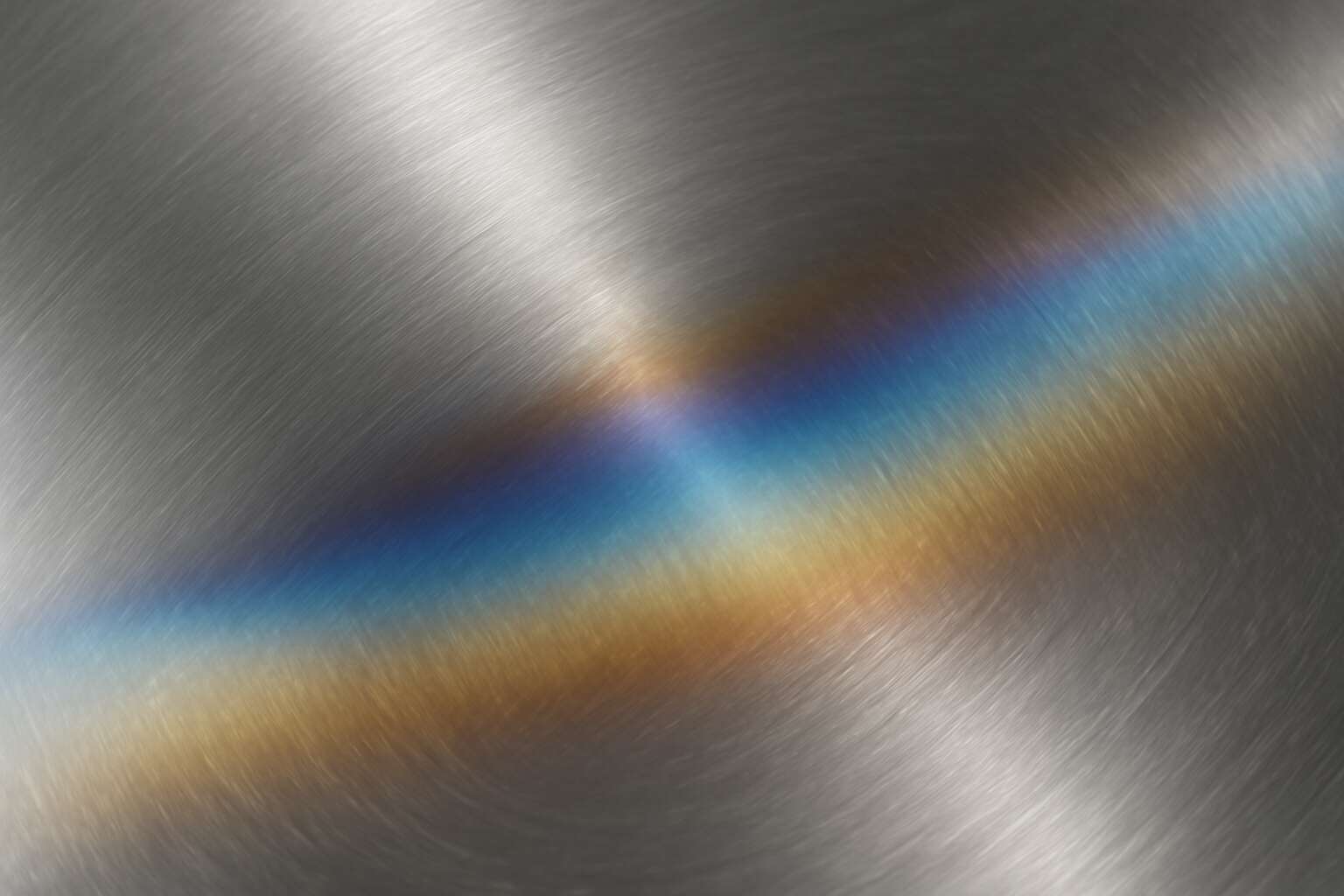
While stainless steel’s surface can develop a patina over time—sometimes due to heat or chemical exposure—its ability to maintain a consistent hue is generally remarkable. However, under certain conditions, such as high heat or corrosive environments, it can indeed change colour, revealing a spectrum of iridescent shades that whisper tales of transformation. This subtle evolution keeps the metal’s dark allure alive, hinting at secrets beneath its polished visage.
Key Properties of Stainless Steel – Durability, corrosion resistance, and appearance
Stainless steel’s reputation for resilience and longevity is built on its remarkable properties, but what truly sets it apart is its ability to withstand the harsh realities of everyday use. Its durability is legendary—resisting dents, scratches, and other signs of wear that would mar lesser metals. This strength is largely thanks to its unique composition, which includes chromium, nickel, and other elements carefully balanced to enhance performance.
One of the most intriguing aspects of stainless steel is its corrosion resistance. This quality ensures that the metal maintains its appearance over time, even in challenging environments such as coastal areas or chemical-heavy settings. Yet, this does not mean it is invincible. Under certain conditions, such as exposure to high heat or corrosive substances, stainless steel can indeed change colour. This phenomenon often manifests as iridescent hues—subtle, shifting shades that hint at a hidden transformation beneath its polished surface.
In fact, the appearance of stainless steel can be influenced by various factors, including:
- Heat exposure, which may cause a rainbow-like patina known as temper colours
- Chemical reactions, leading to surface discolouration or staining
- Prolonged contact with certain substances that can break down the protective chromium oxide layer
While stainless steel generally maintains its sleek, uniform hue, these conditions can cause it to change colour—a testament to its complex inner chemistry. Whether it’s a subtle shift or a dramatic transformation, understanding these nuances reveals the true depth of stainless steel’s character and resilience in South Africa’s diverse environments.
Common Uses of Stainless Steel – Industrial, culinary, medical, and decorative applications
Stainless steel might just be the chameleon of metals. It’s renowned for its resilience and sleek appearance, but does stainless steel change colour? Absolutely—under certain conditions, it can develop stunning iridescent hues that seem almost magical. Far from a flaw, these colour shifts reveal the complex chemistry lurking beneath its polished surface.
In its everyday role, stainless steel’s common uses span a wide spectrum—from the bustling kitchens of South Africa’s top restaurants to the sterile environments of medical facilities. Its ability to withstand harsh conditions is unmatched, making it the preferred material for everything from cutlery to surgical instruments. Yet, when exposed to high heat or corrosive substances, it can reveal a new side—one with shimmering temper colours or subtle discolouration. These effects are not just cosmetic; they tell a story of exposure and resilience.
- Industrial applications where stainless steel faces extreme temperatures and chemical exposure
- Culinary environments that demand both aesthetic appeal and durability
- Medical devices that require sterility and resistance to corrosion
- Decorative elements in architecture and interior design that celebrate its natural beauty
So, does stainless steel change colour? Sometimes, yes. But rather than a sign of deterioration, these colour variations often highlight the material’s extraordinary ability to adapt and endure in South Africa’s diverse environments—and, of course, add a touch of unexpected elegance to its otherwise pristine appearance.
Exploring Colour Changes in Stainless Steel
Does Stainless Steel Naturally Change Colour? – Explanation of the original colour and finish
Stainless steel’s timeless allure lies in its sleek, silvery sheen—an emblem of modern elegance and resilience. Yet, beneath this polished veneer, a question often lingers: does stainless steel change colour? The answer is both nuanced and fascinating. Naturally, stainless steel retains its original colour over time thanks to a resilient chromium oxide layer that shields it from corrosion. This protective film preserves its lustrous finish, ensuring that the metal’s inherent beauty endures despite exposure to elements.
However, when subjected to specific conditions—such as high heat, chemical exposure, or prolonged contact with certain substances—stainless steel can develop subtle hue shifts. These changes aren’t a sign of deterioration but rather a testament to the metal’s interaction with its environment. In some instances, a gentle iridescence or rainbow-like tint may appear, especially on surfaces exposed to intense heat. This phenomenon, often called “heat tint,” is a natural occurrence and can sometimes be polished away, revealing the original gleam beneath. So, while stainless steel typically resists colour change, understanding the circumstances that lead to these subtle shifts can deepen appreciation for this versatile material.
Factors That Cause Colour Changes – Environmental influences, chemical exposure, heat, and cleaning methods
Stainless steel is renowned for its sleek, unyielding appearance—think of it as the chameleon of the metal world, but with a more glamorous wardrobe. While generally resistant to colour change, the question remains: does stainless steel change colour under certain conditions? The answer is a resounding “sometimes,” and understanding why can save you a lot of confusion (and maybe a few ruined appliances).
Environmental influences play a hefty role in this subtle transformation. Exposure to salt, moisture, and pollutants—especially in coastal South Africa where the ocean’s salt air is practically a permanent guest—can lead to surface hues shifting ever so slightly. Chemical exposure from cleaning agents or industrial processes can also cause a faint rainbow sheen, often called “heat tint,” which appears when the steel is subjected to high temperatures. Interestingly, this phenomenon isn’t a sign of corrosion but a natural interaction between the metal and heat or chemicals.
Heat, in particular, is notorious for coaxing colour changes from stainless steel. When heated intensely—think welding or high-temperature cooking—the surface can develop an iridescent, rainbow-like effect. This is precisely why professionals often use specialized tools to control the heat and prevent unwanted hue shifts. To keep things in check, many opt for simple cleaning methods, but beware: abrasive cleaners or harsh chemicals can sometimes strip the protective chromium oxide layer, making the surface more susceptible to colour changes in the future.
So, does stainless steel change colour? Yes, but under specific circumstances. Whether it’s the environment, heat, or chemical contact, these factors can nudge the metal’s natural lustre into a subtle dance of hues. Recognizing these influences helps in maintaining the pristine appearance of stainless steel—whether in a South African kitchen, a coastal hotel, or an industrial setting. After all, understanding the science behind the shimmer keeps your stainless steel looking as sharp as the day it was installed.
Types of Colour Changes – Patina, discoloration, rainbow or oily film, and surface tarnishing
Stainless steel’s charm lies in its seemingly perpetual brilliance, yet beneath that polished façade lurks a subtle dance of hues—an elegant chameleon that occasionally shifts its appearance. The question, “does stainless steel change colour?” sparks curiosity among homeowners and industry insiders alike. The answer is nuanced; it’s not a matter of caprice but rather a response to specific influences. Some colour changes are benign, even charming, like a fleeting patina that hints at age and character.
Among the more intriguing phenomena are patina and surface tarnishing—each telling a story of environmental romance or chemical flirtation. Patina often manifests as a soft, bluish or brownish layer that forms over time, especially in coastal South Africa where salt air plays the mischievous artist. Discoloration can also take the form of an oily film or rainbow hues—spectral effects caused by heat or chemical interactions. These aren’t signs of corrosion but rather the surface’s way of expressing its experiences.
Sometimes, the surface develops a rainbow or oily film—a visual testament to heat tinting or chemical exposure. For instance, when stainless steel is subjected to welding or high-temperature cooking, it often displays an iridescent sheen. Surface tarnishing, on the other hand, might appear as dull patches or dark spots—symptoms of surface oxidation that can be temporarily remedied with proper cleaning. The key to understanding whether stainless steel changes colour lies in recognizing that these shifts are often superficial, a fleeting blush rather than a sign of deterioration.
Causes of Colour Changes in Stainless Steel
Oxidation and Patina Development – How oxygen exposure leads to surface changes
When steel meets oxygen, a subtle transformation often begins—one that can mystify even seasoned artisans. The question of whether stainless steel changes colour isn’t just academic; it’s a phenomenon that reveals much about the delicate balance between material composition and environmental influence. Oxygen exposure triggers surface oxidation, which, in turn, can lead to striking patinas or iridescent hues that dance across the material’s surface, hinting at a hidden story of chemical reactions.
This process, sometimes called tarnishing, results from the formation of a thin oxide layer. Unlike traditional rust, this layer is often protective, yet under certain conditions, it can evolve into a spectrum of colours—from gentle golds to vibrant blues and purples. Factors such as heat, chemical contact, and cleaning methods accelerate or alter these changes. For example, high temperatures can induce rainbow-like effects, while aggressive cleaning chemicals may strip away the surface’s natural luster, revealing the underlying metal. These surface changes—whether a subtle patina or a vivid discoloration—are a testament to the intricate dance between stainless steel and its environment.
- Environmental pollutants
- Chemical exposure
- Heat treatment
- Cleaning agents
Understanding these causes offers insight into how and why does stainless steel change colour, revealing its true character beneath the surface’s initial gleam. Each hue and tarnish tells a story of interaction, patience, and transformation—mysterious yet predictable in the world of stainless steel artistry.
Heat Treatment and Welding – Impact of high temperatures on colour variation
When stainless steel undergoes heat treatment or welding, the impact on its colour can be dramatic and almost supernatural. High temperatures induce oxidation processes that cause visible colour variations—ranging from soft golds to deep blues and purples. This isn’t accidental; it’s a chemical dance driven by thermal energy altering the surface’s oxide layer. Many artisans and engineers marvel at this phenomenon, but it’s essential to understand that these colour shifts reveal the material’s response to extreme conditions.
During welding, the intense heat can produce a rainbow-like spectrum on the steel’s surface. This effect is often intentional, used to indicate specific heat zones or to create aesthetic finishes. Alternatively, uncontrolled heating may lead to unpredictable discolouration, making it vital to monitor temperature carefully. Sometimes, the process is so precise that the colour change becomes a signature of quality and craftsmanship. So, when pondering whether “does stainless steel change colour,” the answer is a resounding yes—particularly under the influence of heat.
- The thermal exposure causes oxidation layers to thicken or thin, affecting the way light interacts with the surface.
- Heat can produce iridescent hues, especially when the temperature surpasses certain thresholds—generally around 200°C to 400°C.
- In some cases, a controlled heat treatment intentionally manipulates colour for decorative or functional purposes, adding to its allure.
Understanding these effects is crucial for professionals working with stainless steel in environments where high temperatures are common. Whether in industrial fabrication or artistic design, the question of “does stainless steel change colour” remains central to mastering its potential. The secret lies in the temperature—an invisible force that can turn a sleek surface into a canvas of shifting hues and mysterious beauty.
Chemical Exposure – Effects of acids, cleaning agents, and other chemicals
The allure of stainless steel often lies in its pristine, mirror-like finish—yet, beneath that surface, a subtle transformation can occur when it encounters chemical agents. Surprisingly, exposure to acids, cleaning agents, or other chemicals can induce a spectrum of colour changes that tell silent stories of interaction and resilience. These alterations are not merely superficial but are rooted in complex chemical reactions that reshape the surface’s oxide layer.
When stainless steel is subjected to aggressive chemicals, such as hydrochloric acid or chlorides, it can develop a tarnished or oily film, creating an iridescent sheen or patchy discolouration. This phenomenon, often called patina, results from oxidation processes that are accelerated by chemical exposure. The surface may also develop a rainbow hue, especially if the chemical reaction is uneven or incomplete. Such visual cues serve as a warning: the material’s surface is responding to external influences, and understanding whether “does stainless steel change colour” under these conditions is vital for both preservation and aesthetic purposes.
In environments where cleaning agents are used regularly, the type and concentration of chemicals can dramatically influence whether stainless steel undergoes a colour shift. For instance, acidic cleaners intended for removing mineral deposits can strip protective layers and trigger oxidation, leading to surface tarnishing. Conversely, some chemicals, if properly formulated, may help maintain the steel’s original luster, preventing unwanted colour changes. The key lies in understanding the delicate chemical dance that occurs during exposure, which can result in
- discolouration
- surface tarnishing
or even more subtle shifts like the development of a faint patina.
Ultimately, the question of whether “does stainless steel change colour” when exposed to chemicals hinges on the composition of the alloy and the nature of the chemical exposure. While some reactions are inevitable, others can be mitigated through careful selection of cleaning agents or protective coatings. These surface changes, whether accidental or deliberate, reveal the complex interplay between material and environment—each telling its own story of resilience, beauty, and the silent passage of time.
Environmental Factors – Saltwater, pollution, and outdoor conditions
Stainless steel, with its sleek, unyielding surface, often evokes images of modern resilience and timeless elegance. Yet, beneath its polished exterior, environmental factors can whisper subtle tales of transformation. One of the most intriguing questions is: does stainless steel change colour when exposed to certain elements? The answer lies in the complex dance between the alloy’s composition and the environment it endures.
Saltwater, pollution, and outdoor conditions act as relentless agents of change. When stainless steel encounters salty air—common along South Africa’s rugged coastlines—oxidation can accelerate, leading to a delicate patina or a faint rainbow hue. Pollution particles, rich in sulfur and other corrosive substances, settle on surfaces, gradually tinting them with discolouration or oily films. These visual cues are not mere blemishes but signals of chemical reactions at work, revealing how environmental influences can alter even the most resilient materials.
In outdoor settings, exposure to fluctuating temperatures and moisture creates a complex environment. For instance, in coastal regions, the combination of salt-laden air and humid conditions often results in surface tarnishing. Sometimes, a
- rainbow sheen
- iridescent patches
emerge—each a poetic testament to oxidation and surface interaction. High heat, whether from the sun or welding processes, can also induce colour variation, transforming the steel’s hue in a process both subtle and dramatic. The natural elements, in their ceaseless motion, weave a silent narrative of change—a story that questions: does stainless steel change colour? Indeed, it does, in ways both beautiful and cautionary, shaped by its environment’s relentless influence.
Can You Prevent or Minimize Colour Changes?
Proper Maintenance and Cleaning – Best practices for cleaning stainless steel
Stainless steel, a marvel of modern craftsmanship, often dazzles with its pristine, silvery glow. Yet, beneath its resilient surface, questions linger—does stainless steel change colour? The answer is nuanced; under certain circumstances, it indeed can. But fear not—proper maintenance and cleaning can serve as a vigilant guardian, preserving its luminous charm.
To minimize colour changes, understanding the delicate dance between the metal and its environment is crucial. Regular cleaning with gentle, non-abrasive solutions helps prevent the formation of patina or oily films. Additionally, avoiding harsh chemicals and saltwater exposure shields the surface from tarnishing. For those wishing to maintain the original hue, a few best practices emerge:
- Use mild detergents and soft cloths for cleaning.
- Avoid abrasive scrubbers that can scratch and expose the metal to oxidation.
- Regularly rinse with clean water to remove residues that might catalyse discolouration.
While stainless steel is lauded for its corrosion resistance, environmental factors like pollution and high temperatures can induce subtle colour shifts. By adhering to these simple yet effective cleaning techniques, the radiant integrity of stainless steel can be preserved, ensuring it remains as striking as when first crafted. Truly, the secret lies in understanding that though stainless steel is resilient, it still responds to its environment—an elegant reminder of nature’s influence on even the most enduring materials.
Use of Protective Coatings – Applying sealants and passivation treatments
Stainless steel’s allure lies in its unyielding resilience and shimmering finish, yet beneath its polished exterior, a whisper of transformation can occur. When considering the question, does stainless steel change colour, the answer is both yes and no—contingent upon environmental influences and protective measures. To stave off these subtle shifts, applying protective coatings becomes a crucial strategy. Sealants and passivation treatments form an invisible barrier, shielding the metal from corrosive agents and temperature fluctuations that might otherwise catalyse discoloration.
These treatments not only bolster the stainless steel’s natural resistance but also help maintain its lustrous hue over time. For added assurance, some opt for specialized coatings that impart an extra layer of defence, preserving the integrity of the surface. Such measures act as a guardian against the capricious forces of nature and chemical exposure, which are often the culprits behind the question: does stainless steel change colour. When combined with mindful cleaning practices, these protective strategies ensure the enduring brilliance of stainless steel, keeping it as radiant as the day it was forged.
Environmental Control – Placement and exposure considerations
Stainless steel’s allure is undeniable, shimmering with a promise of resilience and elegance. Yet, beneath its polished veneer, questions linger—does stainless steel change colour over time? Environmental influences, like exposure to saltwater or pollution, can subtly alter its hue, especially when protective measures are absent. For those seeking to preserve its pristine appearance, controlling placement and exposure becomes pivotal.
Strategic placement—away from harsh elements and direct sunlight—can significantly reduce the risk of colour changes. Additionally, employing mindful maintenance routines, such as gentle cleaning and avoiding abrasive chemicals, can help maintain the original finish. For outdoor installations, incorporating protective coatings like passivation treatments creates an invisible shield against oxidation and environmental stressors. These measures act as guardians, ensuring that the stainless steel retains its lustre and resists the capricious forces of nature.
Ultimately, understanding how environmental factors influence stainless steel’s surface is key. When combined with thoughtful placement and protective layers, the chances of encountering unwanted colour changes diminish, allowing the true beauty of stainless steel to shine through—enduring and radiant, no matter the conditions.
Restoring or Refinishing Stainless Steel Surfaces
Cleaning Methods for Discolouration – Suitable cleaning agents and techniques
When contemplating the question, “does stainless steel change colour,” one must understand that beneath its sleek façade lies a complex dance of chemistry and heat. Over time, even the most resilient stainless steel surfaces can develop subtle discolouration, transforming their pristine appearance into an array of hues—from iridescent rainbows to oily tarnishes. It’s not merely a flaw but a testament to the material’s interaction with its environment. The development of patina, caused by oxidation or chemical exposure, can be both a sign of age and a natural evolution of the metal’s surface.
Cleaning methods play a pivotal role in restoring or refinishing stainless steel surfaces, especially when discolouration begins to tarnish the surface’s luster. Gentle yet effective cleaning agents, such as a mixture of warm water and mild dish soap, are often sufficient to remove superficial stains. For more stubborn discolouration, specialized stainless steel cleaners containing phosphates or citric acids can help restore its original sheen without damaging the underlying metal. Employing appropriate techniques—like wiping along the grain with soft cloths—ensures the surface remains unmarred. Sometimes, a simple
- non-abrasive scrub
- use of microfiber cloths
- avoiding harsh chemicals
can make all the difference in maintaining that mirror-like finish and preventing further colour changes.
Polishing and Buffing – Restoring original luster and appearance
Stainless steel is celebrated for its sleek, polished look that endures through time. But, surprisingly, many wonder, does stainless steel change colour? The answer is yes, and it’s more common than you might think. Over years of exposure to heat, chemicals, or environmental elements, stainless steel can develop a variety of hues—from subtle iridescent rainbows to darker tarnishes. These colour shifts aren’t necessarily flaws but rather a natural part of its surface evolution.
Restoring the original luster of stainless steel involves careful polishing and buffing. Using a microfiber cloth combined with a good quality stainless steel polish can work wonders. When faced with stubborn discolouration, employing a specialized cleaner that contains citric acid or phosphates can help reverse the effects. Sometimes, a simple
- gentle buffing along the grain
- using non-abrasive polishing compounds
can bring back that mirror-like shine. This process not only rejuvenates the appearance but also prevents further colour change by removing surface impurities and oxidation layers.
Professional Refinishing Options – When to seek expert help
Stainless steel’s allure lies in its enduring brilliance, yet many are surprised to learn that it does stainless steel change colour over time. This subtle transformation isn’t a flaw but a testament to its complex surface chemistry and interaction with the environment. When heat, chemicals, or outdoor conditions come into play, the once pristine surface can develop a spectrum of hues—from iridescent rainbows to darker tarnishes. These changes often evoke a sense of history and character, reminding us that even the most resilient materials are subject to the passage of time.
Restoring the original luster of stainless steel often requires a nuanced approach. Professional refinishing options, such as abrasive polishing or passivation treatments, can effectively rejuvenate the surface. Sometimes, a more advanced process like electro-polishing is necessary to remove persistent discolouration and restore uniformity. When the surface exhibits stubborn tarnish or rainbow discolouration, experts might employ specialized cleaning agents or even laser treatments to realign the surface’s integrity. The goal is not merely aesthetic renewal but preserving the integrity of the steel itself—ensuring that it continues to withstand both environmental assault and human neglect.
Different Types of Stainless Steel and Their Resilience to Colour Changes
Austenitic Stainless Steel – Common grades and their properties
Among the myriad forms of stainless steel, austenitic stainless steel stands out for its exceptional resilience and shimmering beauty. This type, often comprising grades like 304 and 316, is renowned for its corrosion resistance and bright, mirror-like finish. Yet, even with such durability, questions persist: does stainless steel change colour? The answer is nuanced. Under certain conditions, austenitic stainless steel can develop subtle shifts in hue, revealing a delicate dance between its surface and environmental influences.
In environments rich in saltwater, pollution, or chemical exposure, the surface may develop a patina—a gentle, often iridescent film that signifies oxidation. High heat or welding processes can also induce colour variations, ranging from straw hues to deeper blues and purples, as a result of surface oxidation. These changes, while sometimes viewed as imperfections, often tell a story of resilience and adaptation. Understanding the factors that influence whether stainless steel changes colour helps in maintaining its pristine appearance or embracing its evolving character. For those curious about how to preserve the original shine, exploring proper maintenance and protective coatings becomes essential, especially in outdoor or harsh environments where exposure accelerates these natural processes.
Ferritic and Martensitic Stainless Steel – Differences in resistance to discoloration
When exploring the realm of stainless steel, one question often whispers at the back of the mind: does stainless steel change colour? The answer isn’t a simple yes or no. Instead, it’s a complex dance between material composition and environmental influences. Among the diverse types, ferritic and martensitic stainless steel display distinct resilience levels against colour change, each with their own unique characteristics.
Ferritic stainless steel, known for its magnetic properties and high resistance to oxidation, tends to retain its original hue quite well. Its chromium-rich composition creates a protective oxide layer that acts as a barrier against discolouration, making it ideal for applications where appearance matters. Conversely, martensitic stainless steel, often used in cutlery and surgical instruments, is more susceptible to surface tarnishing under harsh conditions. Its chromium content is lower, which makes it less resistant to environmental factors that cause colour change.
- Ferritic stainless steel generally exhibits excellent resistance to discolouration, maintaining a consistent, silvery finish over time.
- Martensitic stainless steel, however, can develop rainbow hues or surface tarnish when exposed to heat or chemical agents, revealing its vulnerability to changes in appearance.
Understanding these differences is crucial in selecting the right stainless steel for specific environments. Whether the goal is to preserve an unblemished shine or to embrace a more aged, textured look, knowing how each type reacts to environmental factors helps in making an informed choice. The mystery of whether stainless steel changes colour becomes clearer when considering its composition and how it interacts with its surroundings—each element playing a part in this subtle yet intriguing transformation.
Specialty Stainless Steels – Options with enhanced colour stability
In the realm of stainless steel, questions about its appearance are as common as the gleam of its surface. One lingering inquiry is whether stainless steel changes colour over time. The answer hinges on a delicate interplay of composition and environmental influence, revealing that not all stainless steels respond equally to their surroundings. Certain specialty stainless steels have been engineered to resist the subtle shifts that cause discolouration, maintaining their pristine allure despite exposure to harsh elements.
Among these, some options are designed with enhanced colour stability, perfect for applications where aesthetic longevity is paramount. For instance, specialty grades such as highly alloyed austenitic stainless steels or those treated with passivation processes exhibit remarkable resilience. These steels are less prone to developing rainbow hues or tarnishing, even under extreme heat or chemical exposure. Their resilience makes them ideal for environments where maintaining a consistent appearance is crucial, providing an elegant solution for discerning designers and manufacturers alike.
Final Thoughts on Stainless Steel and Colour Stability
Summary of Key Points – Recap of causes and prevention
Stainless steel, a marvel of modern metallurgy, captivates with its shimmering resilience, yet beneath its gleaming surface lies an intricate dance of chemistry and environment. The question “does stainless steel change colour?” is more than mere curiosity—it’s a testament to the delicate balance between material and milieu. While the inherent hue of stainless steel remains steadfast for most applications, subtle shifts can whisper tales of oxidation, heat, or chemical influence.
These colour alterations often manifest as a gentle patina, iridescent rainbow hues, or a tarnished surface—each a reflection of the steel’s interaction with its surroundings. Factors such as exposure to saltwater, aggressive cleaning agents, or high temperatures can accelerate these changes, challenging the notion of stainless steel’s eternal luster. Yet, with proper maintenance and protective coatings, the vibrant integrity of stainless steel can be preserved, ensuring it continues to shine with unwavering splendour amidst South Africa’s diverse environments.
Choosing the Right Stainless Steel for Your Needs – Factors influencing colour durability
In the world of premium materials, stainless steel stands out for its durability and sleek appearance. But, does stainless steel change colour over time? The answer isn’t a simple yes or no. While its core properties resist corrosion and maintain their original hue, external factors can sometimes cause subtle shifts. These colour variations often appear as a delicate patina or iridescent sheen, whispering tales of environmental interaction.
Factors such as high temperatures, exposure to saltwater, or aggressive cleaning chemicals can influence colour stability. For instance, stainless steel used in coastal South Africa faces harsher conditions that may accelerate oxidation or tarnishing. Choosing the right grade—like austenitic stainless steel with better resistance—can make a significant difference in maintaining its pristine look.
- Environmental exposure
- Chemical contact
- Heat treatment
all play pivotal roles in whether or not stainless steel will change colour over its lifespan. When selecting stainless steel for your project, understanding these influences can help ensure lasting brilliance and minimal discolouration.”
Expert Tips for Longevity and Aesthetics – Ensuring your stainless steel retains its look
In the realm of refined materials, stainless steel often evokes a sense of everlasting brilliance, yet beneath its sleek surface lies a subtle dance with time and environment. Does stainless steel change colour? It’s a question that whispers through workshops and design studios across South Africa, where coastal air and urban smog conspire to challenge even the most resilient finishes. The truth is, while stainless steel’s core properties resist corrosion and tarnish, external influences can craft delicate, fleeting shifts in hue—like a fleeting iridescence or a gentle patina—telling stories of interaction with its surroundings.
Expert insights reveal that factors such as high temperatures, saltwater exposure, and harsh cleaning chemicals are often the culprits behind these colour variations. When stainless steel endures the relentless embrace of South Africa’s outdoor elements, its appearance may subtly evolve, especially in environments with high salinity or pollution. Choosing the appropriate grade—such as austenitic stainless steel with superior resistance—can be a safeguard against unwelcome discolouration, preserving its pristine look for years to come.
Ultimately, safeguarding the luminous integrity of stainless steel requires understanding its intrinsic nature and environmental susceptibilities. With mindful maintenance and protective measures, the captivating allure of stainless steel can remain unblemished, shimmering with enduring elegance. As the saying goes, beauty is fleeting—unless carefully tended—making it essential to know how to keep that characteristic glow alive amidst ever-changing conditions.


0 Comments