
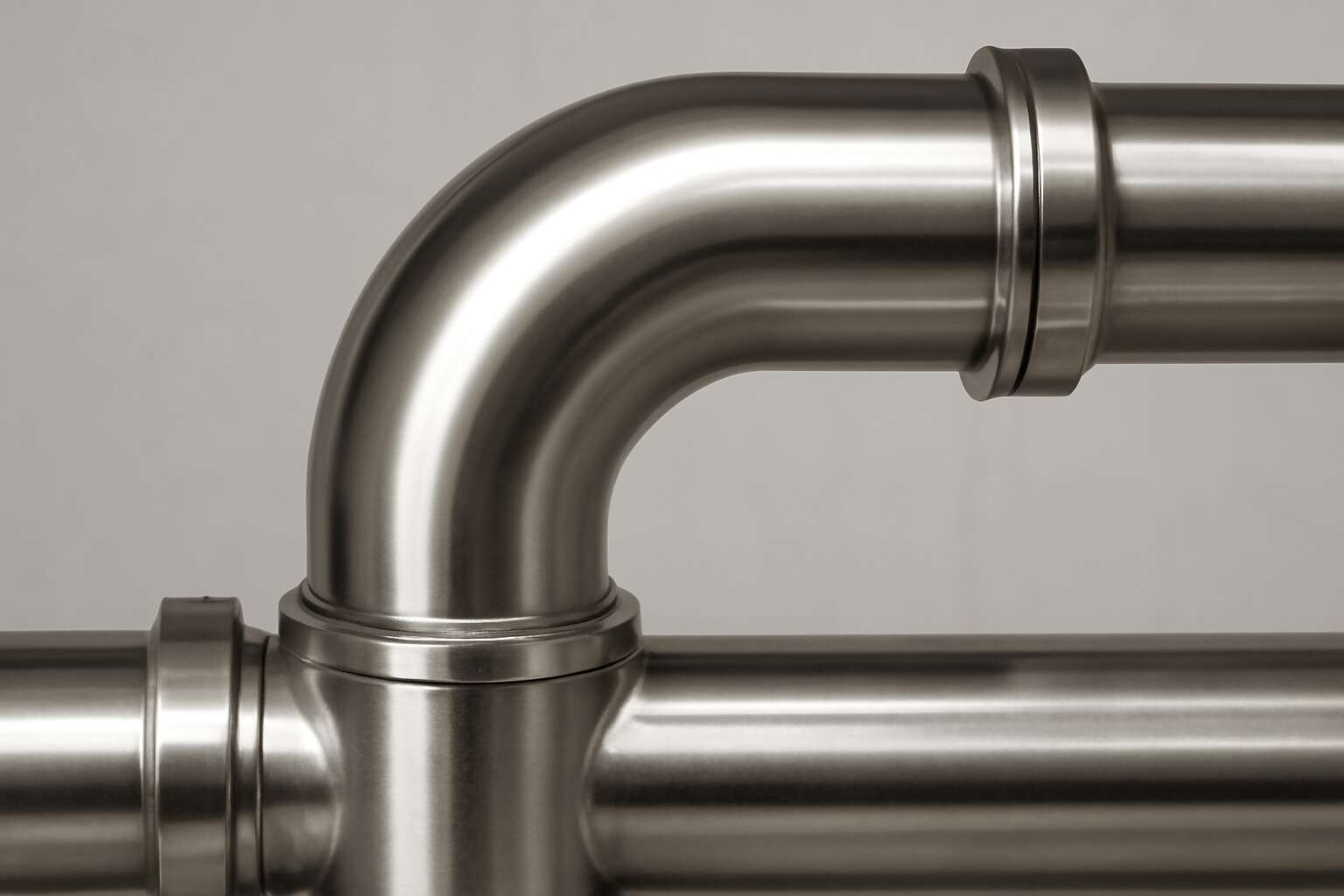
Understanding Stainless 90 Degree Elbows
Definition and Purpose – Explains what a stainless 90 degree elbow is and its role in piping systems
Imagine a piping system without a stainless 90 degree elbow—sounds like a plumbing nightmare, right? These nifty little components are the unsung heroes that allow pipes to make sharp turns without compromising on durability or flow. A stainless 90 degree elbow is essentially a curved connector that changes the direction of the piping run by exactly 90 degrees, making it indispensable in tight spaces or complex installations.
Designed for strength and corrosion resistance, stainless steel 90 degree elbows are perfect for demanding environments like chemical processing, food manufacturing, or even high-end architectural projects. They serve the vital purpose of redirecting flow smoothly while maintaining the integrity of the pipeline. Whether you’re dealing with aggressive liquids or high-pressure systems, a stainless 90 degree elbow offers reliability, longevity, and a touch of elegance to your piping network.
Material Composition – Details on stainless steel types used in elbows (e.g., 304, 316, 310)
In the intricate dance of piping systems, the choice of material is the silent conductor, guiding durability and resilience. Stainless steel, renowned for its robust composition, lends an air of unmatched strength to the stainless 90 degree elbow. Among the myriad grades, 304 stainless steel stands as the versatile workhorse, offering excellent corrosion resistance and formability. Its chromium-nickel alloy composition makes it ideal for general-purpose plumbing, where reliability is paramount.
For more demanding environments—such as chemical processing plants or marine applications—316 stainless steel often takes center stage. This grade contains molybdenum, which enhances resistance against chlorides and other aggressive elements. Such qualities make a stainless 90 degree elbow crafted from 316 stainless steel the preferred choice for high-pressure, corrosive settings.
Less common but equally significant is 310 stainless steel, celebrated for its extraordinary high-temperature endurance. When a piping system must withstand extreme heat, a stainless 90 degree elbow forged from 310 stainless steel becomes an indispensable component. Its alloy composition ensures longevity and structural integrity, even amidst the most punishing conditions.
- 304 stainless steel: general-purpose, corrosion-resistant, cost-effective
- 316 stainless steel: high corrosion resistance, ideal for marine or chemical environments
- 310 stainless steel: high-temperature resilience, perfect for extreme heat applications
Each grade of stainless steel used in a stainless 90 degree elbow carries a story of resilience, tailored to meet the specific demands of diverse industries. The careful selection of material composition ensures that these elbows not only redirect flow with finesse but also stand resilient against the relentless forces of nature and industry alike.
Common Applications – Industries and scenarios where stainless 90 degree elbows are essential
In industries where precision and durability are non-negotiable, stainless 90 degree elbows silently shape the flow of critical processes. From chemical processing plants to water treatment facilities, these elbows serve as the backbone of complex piping systems, guiding fluids smoothly around corners and tight spaces. Their role is vital in ensuring seamless, leak-free operation, even under demanding conditions.
Manufacturers often select a stainless 90 degree elbow based on the specific needs of the application. For instance, in marine environments or highly corrosive settings, 316 stainless steel elbows are preferred for their exceptional resistance to chlorides and seawater. Conversely, in high-temperature scenarios such as steel mills or furnace systems, a stainless 90 degree elbow made from 310 stainless steel offers unparalleled resilience against extreme heat.
Industries such as pharmaceuticals, food processing, and petrochemicals rely heavily on these components. Their ability to withstand harsh chemicals, extreme temperatures, and mechanical stress makes stainless 90 degree elbows indispensable. The versatility of these elbows also extends to construction projects, HVAC systems, and firefighting infrastructure, where reliable flow redirection is crucial.
Types of Stainless 90 Degree Elbows
IMC and DWV Elbows – Differences and typical uses of each type
Understanding the differences between IMC and DWV stainless 90 degree elbows is crucial for selecting the right component for your piping system. While both types are designed to redirect flow at a right angle, their construction and typical applications diverge sharply. IMC elbows are often crafted from higher-grade stainless steel, optimized for industrial and commercial environments where durability and high-pressure resistance are paramount. Conversely, DWV elbows are tailored for drain, waste, and vent systems, emphasizing ease of installation and corrosion resistance in sanitary applications.
In essence, the choice hinges on the specific demands of your project. For example, if you’re dealing with potable water or chemical transport, a stainless 90 degree elbow suitable for high-pressure systems becomes essential. On the other hand, DWV elbows are more suited for sewage and waste systems, where the primary concern is preventing leakage and facilitating smooth flow. The nuanced differences between these two types of stainless 90 degree elbows ensure that each serves its purpose within the complex web of South African piping standards and environmental considerations.
Socket Weld and Butt Weld Elbows – Comparison of welding methods and advantages
The choice of welding method for a stainless 90 degree elbow isn’t merely a technical detail—it can define the longevity and integrity of your entire piping system. Among the most common techniques are socket weld and butt weld, each bringing unique advantages to specific applications. Socket weld elbows are celebrated for their simplicity and quick installation, making them ideal for smaller diameter piping where space is limited. Their design allows for effortless assembly, reducing welding time and minimizing potential leaks.
Conversely, butt weld elbows are revered for their strength and seamless finish. This method creates a continuous, corrosion-resistant joint that withstands high-pressure environments—perfect for industrial and high-stress applications.
- Enhanced structural integrity
- Superior corrosion resistance
Furthermore, butt welds typically require more skilled labor and specialized equipment, but the payoff is a resilient, leak-proof connection that endures the test of time. Both welding methods have their place, yet understanding their distinctions allows for informed decisions when selecting a stainless 90 degree elbow for your project’s exacting demands.
Threaded vs. Plain Ends – Details on connection types and their applications
When selecting the perfect stainless 90 degree elbow for your piping system, understanding the connection types is crucial. The two most common options are threaded ends and plain ends, each tailored for specific applications and installation methods. Threaded stainless 90 degree elbows are favored in projects where quick assembly and disassembly are necessary, such as in maintenance-heavy environments or temporary setups. Their screw-like connections allow for easy fitting without welding, making them ideal for smaller diameter pipes or systems that may require frequent adjustments.
On the other hand, plain-ended stainless 90 degree elbows are designed for welding or socket fittings, providing a seamless, corrosion-resistant joint. These options are preferred in high-pressure or high-temperature environments where a leak-proof, durable connection is paramount. In some cases, a combination of connection types is used to accommodate complex piping layouts or specific industry standards.
- Threaded connections offer flexibility and ease of installation, perfect for retrofit applications.
- Plain ends are best suited for permanent, high-strength joints that demand maximum durability.
Whether choosing threaded or plain-ended stainless 90 degree elbows, the decision hinges on the specific demands of your project, the nature of the piping system, and the environmental conditions it must withstand. Each connection type plays a vital role in ensuring that your piping network remains resilient and efficient for years to come!
Key Features & Benefits of Stainless 90 Degree Elbows
Corrosion Resistance – How stainless steel resists rust and corrosion
In the complex dance of piping systems, the stainless 90 degree elbow emerges as a silent guardian against the relentless march of corrosion. Its inherent ability to withstand the corrosive forces of the environment is not merely a feature but a testament to the resilience of stainless steel. This resilience is rooted in the material’s composition, where elements like chromium form a passive layer that acts as a shield, preventing rust from taking hold. Such properties are vital in industries where safety and longevity are paramount.
What truly sets the stainless 90 degree elbow apart is its versatility in resisting corrosion across diverse environments. Whether in chemical processing, maritime applications, or water systems, the stainless steel’s resistance ensures uninterrupted operation. This durability translates into reduced maintenance and longer service life, making it an economical choice for critical piping infrastructure. The seamless integration of these elbows into various systems underscores their indispensable role, especially in demanding applications where corrosion could otherwise spell disaster.
In essence, the stainless 90 degree elbow isn’t just a connector; it’s a symbol of steadfast durability amid the corrosive forces of nature. Its ability to resist rust and corrosion ensures the integrity of the entire piping system, standing as a testament to quality and resilience in the face of adversity.
Durability & Strength – Longevity and load-bearing features
In the intricate ballet of piping, strength and durability are the prima donnas, and the stainless 90 degree elbow takes center stage with aplomb. Crafted from robust stainless steel, these elbows boast an impressive load-bearing capacity, ensuring they withstand the rigors of demanding industrial environments. Their ability to maintain structural integrity under pressure is no small feat—making them an indispensable component in high-stakes applications.
What truly elevates the stainless 90 degree elbow beyond mere functionality is its resilience. These elbows are engineered for longevity, resisting not just corrosion but the subtle wear and tear of persistent operation. Their formidable strength means fewer replacements and less downtime, translating into a savvy investment for any enterprise eager to uphold operational excellence. Whether navigating the corrosive depths of maritime environments or the chemical complexity of processing plants, a stainless 90 degree elbow remains unwavering.
Furthermore, the versatility of stainless steel allows for adaptable installation methods, from socket welds to butt welds, each offering a seamless fit that enhances load distribution. Such features underscore the importance of selecting the right stainless 90 degree elbow for specific applications—be it in water systems, petrochemical industries, or urban plumbing networks—where durability isn’t just preferred; it’s paramount.
Ease of Installation & Maintenance – Installation tips and maintenance benefits
When it comes to piping components that marry strength with simplicity, the stainless 90 degree elbow stands out as a true hero behind the scenes. Ease of installation is one of its most celebrated traits—no need for a PhD in engineering to fit these elbows into your system. Whether you’re working with socket welds or butt welds, the process is straightforward, saving precious time and reducing labor costs. Plus, their design ensures a snug, seamless fit that minimizes leaks and enhances system integrity.
Maintenance? A breeze! Thanks to their corrosion-resistant stainless steel composition, these elbows resist rust and buildup, ensuring long-term performance with minimal fuss. Regular inspection and cleaning—using simple detergents—are typically sufficient to keep them in peak condition. This durability means fewer replacements and less downtime, a win-win for any operation seeking to keep productivity flowing without interruption.
For added convenience, stainless 90 degree elbows come with a variety of connection options:
- Threaded ends for quick retrofits or repairs
- Plain ends that support secure welding methods like socket or butt welds
This versatility allows for smooth integration into complex piping networks, whether in water treatment plants, petrochemical facilities, or urban plumbing systems. When durability, ease of installation, and low maintenance are non-negotiable, the stainless 90 degree elbow proves to be an invaluable component—ready to take the pressure and keep your systems running flawlessly.
Temperature & Pressure Tolerance – Operational limits for different environments
Stainless 90 degree elbows are built to withstand the rigors of demanding environments, making them an essential component in many piping systems. One of their key features is their impressive temperature and pressure tolerance. These elbows can operate effectively across a broad range of conditions, from high-temperature industrial processes to low-pressure water supply networks. Their robust construction ensures that they maintain integrity even under extreme operational stresses.
In high-pressure settings, stainless 90 degree elbows made from quality stainless steel—like 316 or 304—can handle pressures exceeding 3000 psi. Conversely, in less intense environments, they still provide reliable performance at lower pressures. Their temperature range typically spans from -200°C to +800°C, making them suitable for applications from cryogenic fluids to high-temperature steam lines. This versatility ensures that a stainless 90 degree elbow can meet the demands of diverse industries.
- High resilience in corrosive environments
- Stable performance under fluctuating temperatures
- Ability to handle significant pressure loads without deformation
Such operational limits highlight why stainless 90 degree elbows are trusted across sectors like petrochemical, water treatment, and urban infrastructure. Their capacity to tolerate both hot and cold extremes, combined with their strength, ensures long-term reliability. When systems require components that can perform under pressure—literally and figuratively—these elbows deliver peace of mind with every connection.
Factors to Consider When Choosing a Stainless 90 Degree Elbow
Material Grade & Compatibility – Matching elbow grade with piping systems
Choosing the right stainless 90 degree elbow is akin to selecting the perfect brushstroke in a masterpiece—each detail matters. When matching elbow grade with piping systems, compatibility becomes paramount; it ensures seamless flow and avoids costly disruptions. Different stainless steel grades, such as 304, 316, and 310, possess unique properties—304 offers excellent corrosion resistance, while 316 excels in harsher environments, and 310 is renowned for high-temperature resilience.
Matching the material grade to the operating environment not only prolongs the lifespan of your piping system but also enhances safety and performance. For instance, selecting a stainless 90 degree elbow made from 316 stainless steel is vital in coastal South Africa where salt-laden air accelerates corrosion. In contrast, industrial settings demanding high-temperature tolerance might benefit from 310-grade elbows.
- Corrosion resistance
- Temperature and pressure tolerance
- Material compatibility with existing piping
Ultimately, a thoughtful choice ensures that your piping system remains resilient, efficient, and beautifully enduring.
Size & Diameter – Choosing the right dimensions for your application
Choosing the right size and diameter for a stainless 90 degree elbow is a decision that can make or break the efficiency of your piping system. In South Africa’s diverse industries—from coastal desalination plants to inland manufacturing facilities—the correct dimensions ensure optimal flow and minimal pressure loss. It’s not just about fitting parts together; it’s about understanding how each component interacts within your unique environment.
When selecting a stainless 90 degree elbow, consider the flow rate and the pressure requirements of your system. A mismatch in size can lead to turbulence, increased wear, and even system failure over time. For example, a smaller diameter might restrict flow, causing unnecessary strain on pumps and valves, while an oversized elbow could cause unnecessary turbulence and reduce efficiency. To avoid these pitfalls, many professionals rely on a straightforward approach:
- Assess the existing piping diameter and match the elbow accordingly.
- Determine the flow rate and pressure tolerance necessary for your application.
- Choose a stainless 90 degree elbow that aligns with both your operational demands and the physical constraints of your project.
In rural regions where water and resource management is vital, selecting the appropriate dimensions for a stainless 90 degree elbow can mean the difference between a resilient system and costly downtime. It’s a careful balance—one that demands attention to detail and understanding of both the technical and environmental factors at play.
Wall Thickness & Pressure Ratings – Ensuring structural integrity
In the realm of piping craftsmanship, the integrity of your system hinges on more than just the right fit—it demands meticulous attention to wall thickness and pressure ratings. A stainless 90 degree elbow with the appropriate specifications can be the silent guardian of durability and safety, especially when operating under demanding conditions in South Africa’s diverse industries. The strength of this vital component must be tailored to withstand the relentless push of pressure and the corrosive whispers of environmental factors.
Choosing the right wall thickness ensures your stainless 90 degree elbow can bear the weight of operational stress without buckling or cracking. Thicker walls provide enhanced structural integrity, vital in high-pressure environments like petrochemical plants or water treatment facilities. Conversely, a thinner wall might be suitable for low-pressure applications, offering flexibility without sacrificing performance. The pressure ratings attached to each elbow serve as the compass guiding this decision—indicating the maximum pressure the component can endure without compromise.
For optimal performance, consider the specific demands of your installation. An unordered list can illuminate the key factors:
- Operating pressure and flow rate
- Environmental conditions, including corrosive elements
- Compatibility with piping material and grade
- Physical constraints of the installation site
By aligning these considerations, you craft a piping system where every stainless 90 degree elbow acts as a resilient bridge—an unyielding link between flow and function, built to last through the tests of time and terrain. After all, in the dance of fluid dynamics, strength and endurance are the true partners of efficiency and safety.
Type of Connection – Welded, threaded, or socket options
When selecting a stainless 90 degree elbow, the type of connection is a decision that merges engineering precision with practical necessity. It’s not merely about fitting pipes together; it’s about ensuring the entire system functions seamlessly under the weight of operational demands. The choice between welded, threaded, or socket options can significantly influence the durability and ease of maintenance within South Africa’s diverse industrial landscape.
Welded stainless 90 degree elbows are often preferred in high-pressure, high-temperature environments due to their robust, permanent connection. They offer a seamless flow path that minimizes turbulence, making them ideal for critical applications like petrochemical or power plants. Conversely, threaded elbows provide quick, accessible connections perfect for smaller-scale systems or areas where future modifications might be necessary. Socket weld options, blending strength and accessibility, strike a balance suitable for various industrial uses, especially in confined spaces.
Understanding the nuances of each connection type helps in aligning the stainless 90 degree elbow with your project requirements. Whether you prioritize longevity, ease of installation, or flexibility, selecting the right connection ensures your piping system remains resilient through time and terrain. Ultimately, the decision hinges on the specific demands of your environment and operational context, making this choice as vital as the elbow’s material composition or size.
Installation & Maintenance Tips
Proper Welding & Fitting Techniques – Best practices for secure connections
In the intricate dance of piping systems, a stainless 90 degree elbow performs as the graceful pivot, guiding flow with precision and resilience. To ensure this vital component functions flawlessly, proper welding and fitting techniques are paramount. When installing a stainless 90 degree elbow, adopt a meticulous approach—clean surfaces, consistent heat application, and steady hand movements forge a connection as steadfast as a promise.
Achieving secure connections begins with selecting the appropriate welding method—be it socket weld, butt weld, or threaded—each demanding specific skills and attention to detail. For instance, butt welding often yields a seamless joint, ideal for high-pressure environments, while socket welding simplifies installation without sacrificing strength. Ensuring correct alignment and avoiding undue stress during fitting prevents future leaks or failures, prolonging the lifespan of the piping system.
For maintenance, regular inspections are essential. Look out for signs of corrosion or wear, especially in corrosive environments where stainless steel’s resistance is put to the test. Properly cleaned and inspected, a stainless 90 degree elbow can serve reliably for decades, maintaining its integrity even under demanding conditions—truly a testament to craftsmanship and quality.
Inspection & Testing – Ensuring leak-proof and safe installation
In the intricate realm of piping systems, a stainless 90 degree elbow is more than just a bend—it’s the backbone of fluid flow, ensuring seamless direction changes without compromising integrity. Proper installation and vigilant maintenance are crucial to prevent leaks, costly downtime, and system failures. When installing a stainless 90 degree elbow, precision is paramount. Meticulous surface cleaning, consistent heat application during welding, and steady handling forge a connection that stands the test of time.
Inspection and testing play pivotal roles in confirming the integrity of your piping system. Regularly examining stainless steel elbows for signs of corrosion or wear is essential, especially in demanding environments. Employing non-destructive testing methods, such as ultrasonic or radiographic inspections, can detect potential flaws before they escalate. For added assurance, consider performing pressure tests—simulating operational conditions to verify leak-proof performance. A well-maintained stainless 90 degree elbow not only guarantees safety but also extends the lifespan of the entire infrastructure.
Cleaning & Corrosion Prevention – Maintenance routines to extend lifespan
Maintaining the integrity of your piping system hinges on proper care of the stainless 90 degree elbow. Regular cleaning not only preserves its sleek appearance but also prevents the buildup of corrosive substances that can accelerate deterioration. In environments where moisture, salts, or chemicals are prevalent—common in South Africa’s industrial landscape—preventative measures become even more vital.
Simple routines such as wiping down the elbow with a damp cloth and using mild cleaning agents can go a long way. For more stubborn deposits, employing non-abrasive brushes ensures you don’t scratch the surface, which could invite corrosion. Additionally, applying a protective coating or anti-corrosion spray can serve as a barrier against rust, especially in marine or humid settings.
Here are some basic maintenance tips to extend the lifespan of your stainless 90 degree elbow:
- Inspect regularly for signs of corrosion or pitting.
- Ensure fittings are tight and free from leaks.
- Use appropriate cleaning agents compatible with stainless steel.
- Address any surface damage promptly to prevent further corrosion.
By incorporating these practices into routine upkeep, you’re not just safeguarding a component—you’re preserving the safety and efficiency of your entire piping system. When properly maintained, your stainless 90 degree elbow continues to serve reliably, supporting vital industries and everyday life across South Africa.
Where to Buy Stainless 90 Degree Elbows
Reputable Suppliers & Manufacturers – Trusted brands and sources
Finding reliable sources for a stainless 90 degree elbow can be a game-changer for your piping project. Trustworthy suppliers not only guarantee product quality but also ensure compliance with industry standards, which is vital when working with high-pressure systems or corrosive environments. Reputable manufacturers often have established relationships with clients across South Africa, providing assurance that the stainless 90 degree elbow will perform reliably over time. It’s essential to choose brands known for their durability and precision engineering to avoid costly replacements or repairs later on.
When sourcing your stainless 90 degree elbow, consider suppliers who offer a broad range of sizes and specifications to match your specific needs. Leading brands such as Steel & Pipes for Africa, Macsteel, and Steel & Tube are widely recognized for their extensive inventory and commitment to quality. These suppliers often stock different types of stainless 90 degree elbows, including IMC and DWV elbows, socket weld, and butt weld options. Ensuring you select a trusted source will help maintain the integrity of your piping system and achieve optimal performance.
Custom Fabrication Services – Options for tailored solutions
When it comes to sourcing a stainless 90 degree elbow with tailored solutions, the options for custom fabrication services are remarkably diverse. These services open a gateway to precision-engineered components that fit seamlessly into complex piping systems, especially in industries demanding high standards of durability and performance. By opting for custom fabrication, clients can specify exact dimensions, bend angles, and connection types, ensuring that every stainless 90 degree elbow aligns perfectly with project specifications.
Leading fabrication specialists in South Africa often provide a range of options, from material grade selection—such as 304 or 316 stainless steel—to custom wall thicknesses and pressure ratings. This bespoke approach guarantees that your piping system remains resilient under demanding operational conditions. For those seeking specific configurations, many suppliers offer:
- Custom bend radii
- Threaded or plain ends
- Welded or socket weld connections
Such options ensure a reliable, leak-proof fit that withstands the test of time. Partnering with reputable fabricators not only improves the integrity of your piping system but also streamlines installation, minimizing downtime and future maintenance costs. Whether you’re working on a petrochemical plant or a water treatment facility, tailored fabrication services for a stainless 90 degree elbow are an investment in longevity and safety.
Pricing & Cost Considerations – Budgeting and value factors
When sourcing a stainless 90 degree elbow, understanding the pricing landscape is crucial for making informed decisions that balance cost and value. The cost of these fittings can vary significantly based on material grade, size, and customization options. In South Africa, reputable suppliers offer competitive pricing, but it’s essential to consider not just the initial expenditure. A well-chosen stainless 90 degree elbow, crafted from high-quality stainless steel, can dramatically extend the lifespan of your piping system, ultimately saving money in maintenance and replacements down the line.
Shop around and compare quotes from different suppliers—whether local or international—since pricing can fluctuate based on order volume and fabrication complexity. For those seeking tailored solutions, custom fabrication services often come at a premium but provide the advantage of perfect fitment and durability. When budgeting, consider the long-term benefits of investing in a resilient, corrosion-resistant component that can withstand harsh operational conditions. After all, in industries like petrochemicals or water treatment, the right stainless 90 degree elbow isn’t just a connector—it’s a safeguard against costly failures.
- Material quality and grade
- Size and diameter of the elbow
- Wall thickness and pressure ratings
- Customization options such as bend radius or connection type
- Supplier reputation and certification standards
Ultimately, the goal is to find a balance between cost and the assurance of performance. When considering where to buy a stainless 90 degree elbow, focus on reputable sources that prioritize quality and compliance—because in the end, the integrity of your piping system depends on it! Investing wisely today ensures your infrastructure remains resilient tomorrow, safeguarding your operations from unforeseen failures and costly downtime.
Industry Standards & Certifications
ISO & ASTM Standards – Compliance guidelines for quality and safety
In the realm of industrial piping, adherence to industry standards and certifications transforms mere components into trustworthy symbols of safety and excellence. Stainless 90 degree elbows, in particular, are governed by rigorous compliance guidelines that ensure durability and performance across diverse environments. These standards serve as a binding promise that each elbow meets the high thresholds demanded by global and regional authorities.
Leading organizations such as ISO and ASTM set the benchmark for quality assurance and safety protocols. When selecting a stainless 90 degree elbow, understanding these standards becomes paramount. For instance, ASTM A403 covers stainless steel fittings, establishing specifications for material quality, mechanical properties, and testing procedures. Similarly, ISO 9001 certification signifies a manufacturer’s commitment to continuous quality improvement, fostering trust among buyers and end-users alike.
- Compliance with these standards guarantees that the stainless 90 degree elbow will withstand the corrosive forces of South Africa’s diverse climates.
- It also certifies that the fittings meet strict safety and performance benchmarks, reducing the risk of failure in critical piping systems.
- Adherence to ASTM and ISO guidelines simplifies regulatory approval processes, making installation smoother and more efficient.
When sourcing stainless 90 degree elbows, always verify the presence of relevant certifications. This not only ensures your project’s integrity but also aligns your operations with international quality benchmarks, elevating the standards of safety and reliability in your piping infrastructure.
Certifications to Look For – UL, TUV, and other relevant marks
In the intricate tapestry of industrial piping, the integrity of each component is paramount—especially when dealing with stainless 90 degree elbows that must endure South Africa’s diverse and often unforgiving climates. As safety standards tighten globally, recognizing the significance of certifications becomes more than a mere formality; it transforms into a safeguard that guarantees performance and longevity. Certifications such as UL and TUV serve as vital markers of compliance, reassuring stakeholders that the stainless 90 degree elbow has undergone rigorous testing and quality assurance processes.
These marks of certification are not just symbols—they are a promise of durability, corrosion resistance, and safety. For industries where failure is not an option, a stainless 90 degree elbow bearing UL or TUV approval signifies adherence to strict safety protocols and consistent manufacturing excellence. When selecting fittings, verifying the presence of these certifications ensures that the component will withstand operational stresses and environmental challenges with unwavering resilience.
Ultimately, certifications like UL, TUV, and others are more than labels—they are a testament to a manufacturer’s commitment to excellence, reinforcing your confidence in the piping infrastructure’s reliability and performance.
0 Comments