
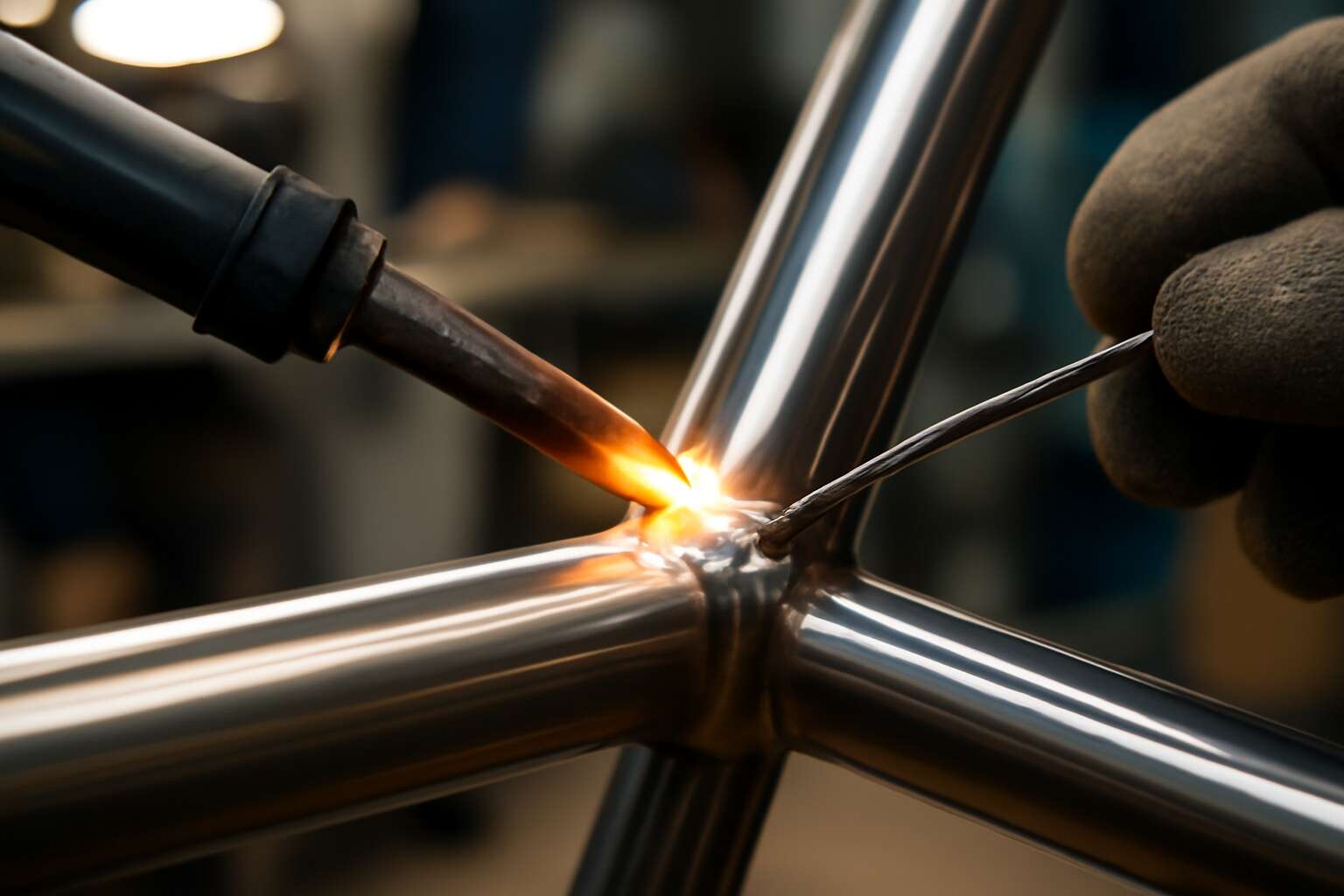
Soldering feasibility and fundamentals for stainless steel
Understanding the feasibility of soldering stainless steel
Stainless steel is the divas of the workshop—lovely, resilient, and notoriously tough to bond. The question on every SA machinist’s lips is: can stainless steel be soldered? The answer isn’t a simple yes or no; it hinges on the alloy, the service environment, and whether a traditional soldering approach can tolerate the metal’s stress and oxide skin.
Fundamentally, soldering stainless requires understanding that its chromium oxide layer fights wetting, making a clean, ready joint essential. Some alloys bind better than others, and surface preparation—bright, clean metal with compatible flux—plays a pivotal role in feasibility. For non-structural or electrical work, it’s more forgiving; for pressure-bound or high-temperature use, it’s a different story.
- oxide layer management
- filler metal compatibility
- surface cleanliness and flux suitability
In the SA context, craft and chemistry meet practicality—stubborn metal, smart engineering, and a dash of caution.
What affects solderability of stainless steel
Stainless steel strolls into the workshop like a glamorous lead—gleaming, resilient, and stubbornly exacting. can stainless steel be soldered? The answer is a duet of science and craft: coax the surface to wet, pair it with a compatible filler, and respect the stubborn oxide that guards the metal’s heart.
Surface prep is the stage where beauty meets endurance. A bright, clean base, thoughtful flux, and patient heat control can turn a tentative bond into something that endures, especially within South Africa’s variable humidity and climate.
For non-structural tasks, there’s more room to maneuver; for pressure or high-temperature duties, the door narrows to more conservative methods. The craft favors precision, restraint, and a touch of artistry.
Common myths about soldering stainless steel
The perennial question: can stainless steel be soldered — and the answer lies in surface science and patience. Soldering stainless demands coaxing the surface to wet, a compatible filler, and respect for the stubborn oxide guarding the metal’s heart. Cleanliness, the right flux, and a measured heat seal the bond, even in SA’s variable humidity.
- Myth: Stainless steel can’t be soldered at all.
- Myth: Any flux will do—stainless demands a specialized recipe.
- Myth: You must hit roaring temperatures to get a bond.
- Myth: Prepping is optional; the oxide will save the day.
Fundamentals to respect: align a filler compatible with stainless, maintain bright, contaminant-free surfaces, and temper heat to keep the oxide at bay. When these cues align, capillary action and flux cohere into a durable joint.
Choosing the right soldering approach for stainless steel
The core question, can stainless steel be soldered, hinges on surface wetting, compatible fillers, and patient heat control. In the field, cleanliness wins. A bright, contaminant-free finish invites capillary action, while the stubborn oxide layer demands the right flux and a measured touch.
Fundamentals to respect are simple: choose a filler compatible with stainless, keep the surface bright and contaminant-free, and temper heat to curb oxide growth. The right combination lets capillary action draw the filler into the seam, with flux guiding a clean, migratory bond.
- Filler compatibility with stainless grades
- Surface cleaning that removes oils and oxides
- Measured heat to maintain wetting without warping
Done well, the joint stands up to humidity and handling, even in South Africa’s varied environments!
Materials and tools for stainless steel soldering
Best solders and fluxes for stainless steel
Stainless steel wears a quiet armor: a chromium oxide film that resists solder. So, can stainless steel be soldered? With the right flux and careful preparation, joints can bond as firmly as the metal itself. The challenge is balancing heat with surface cleanliness.
Materials and surfaces demand respect: a clean, degreased piece, a gentle abrasion to disrupt the oxide, and a residue-free wipe. Flux tailored for stainless steel and a compatible filler alloy guide the chemistry toward lasting joins.
- Solder: nickel-based alloy with tin or a silver-bearing option
- Flux: cadmium-free, resin-based or stainless-steel-specific flux
- Cleaning agents: degreaser and isopropyl alcohol for residue removal
- Tools: heat source with controlled flame, brass brush, precision clamps
Best solders and fluxes for stainless steel lean toward nickel-based or silver-bearing solders, paired with rosin-free flux designed for reactive metals. In South Africa, these specialty products are available from metal-supply houses and local distributors.
Recommended torches and heat control gear
Heat is a patient specter that tests every bond. In the workshop glow, can stainless steel be soldered? The answer rises from flux and disciplined flame: yes, when the surface is clean and the gaze precise.
Materials and surfaces deserve reverence: a degreased piece, a gentle abrasion to breach the oxide, and a residue-free wipe. For stainless, choose flux designed for reactive metals and a nickel-based or silver-bearing filler.
The right tools whisper as partners: torches with a controlled flame, brass brush, precision clamps, and heat-control gear. In South Africa, propane and MAP-Pro are common, while compact rigs extend reach across workshops.
- Adjustable flame with stable output
- Heat shields and precision clamps
Essential prep tools for clean joints
Stainless steel gleams with stubborn grace, and in South Africa’s workshops the air often carries a single, gleaming question: can stainless steel be soldered? As the master smith says, “Preparation is the heat that makes metal listen.” The answer arrives with a patient, shining breath—yes, when intention meets clean surfaces.
Materials and surfaces deserve reverence: a degreased piece, a gentle abrasion to breach the oxide, and a residue-free wipe. For stainless, choose flux designed for reactive metals and a nickel-based or silver-bearing filler.
Tools whisper as partners: torches with a controlled flame, heat shields, precision clamps, and a brass brush. In South Africa, propane and MAP-Pro are common; compact rigs extend reach across workshops.
- Degreaser or solvent
- Brass brush or abrasive pad
- Lint-free cloth
- Flux brush
Avoiding contaminants and oxide layers
In SA workshops where the clock ticks louder than the forge, the stubborn question lingers: can stainless steel be soldered. The answer begins with intention and ends with the surface—clean, untainted, and honest! When surfaces come with integrity, the metal finally learns to listen.
Materials and surfaces deserve reverence: a degreased piece, a gentle abrasion to breach the oxide, and a residue-free wipe. I treat stainless as a patient; for stainless, choose flux designed for reactive metals and a nickel-based or silver-bearing filler. These choices define the truth of the joint more than heat ever will.
- Degreaser or solvent
- Brass brush or abrasive pad
- Lint-free cloth
- Flux brush
Techniques and best practices for strong joints
Surface preparation steps for reliable joints
In the realm of metalwork, technique is the compass and map for strong joints. can stainless steel be soldered is a question that flickers in every workshop, answered by careful preparation, balanced heat, and a calm, patient hand. A viewer of myth and metal, I see joints as living seals waiting to endure the ages.
- Cleanliness as the foundation of adhesion and long life
- Oxide layers recognized and treated with care
- Environment free of contaminants to preserve surface integrity
- Flux harmony with stainless steel’s temperament and alloys
Across South Africa’s workshops, the craft thrives with quiet ritual and scientific respect. I have witnessed disciplined heat and meticulous inspection turning rough surfaces into reliable bonds, a testament to readiness rather than bravado, and to materials that hold tough expectations with grace.
Soldering process temperature, timing, and technique
Techniques and best practices for strong joints hinge on more than surface prep; they hinge on steady heat and listening to the metal. The soldering process thrives on controlled temperature, balanced timing, and precise technique—quiet actions that coax stainless into a cohesive whole. Ultimately, can stainless steel be soldered, a question that grows from patience and the right flux.
- Even heat distribution along the seam
- Flux harmonized with stainless and alloy tendencies
- Measured, patient application to avoid overheating
Such discipline mirrors the craftsman’s art in South Africa’s workshops, where calm, methodical inspection follows each bond, ensuring performance matches intention.
Soldering versus brazing on stainless steel: when to choose
In South Africa’s tidy metalwork shops, patience is the best conductor — a steady hum of heat that keeps stainless singing. The hook lands hard: can stainless steel be soldered? The truth is yes, when the metal isn’t rushed and the flux does its diplomacy.
Soldering versus brazing on stainless steel hinges on heat budget and joint ambition. Soldering runs at lower temperatures, ideal for clean, capillary fills and non-structural links; brazing tolerates higher heat and yields tougher seams that can handle more duty.
- Lower heat, quicker setup, smaller joints
- Higher-temp brazing for heavy loads and corrosion resistance
When to choose is about design, environment, and expected life.
In practice, even heat distribution along the seam, flux harmonized with stainless tendencies, and patient application to avoid overheating guide the process. In SA workshops, artisans walk the bond with a calm meter, inspecting every seam for fidelity and future performance.
Joint design and fit-up tips
Techniques and best practices for strong joints start with a measured design. can stainless steel be soldered is answered with care: a tight fit, smooth surfaces, and a patient approach to heat.
Key joint design and fit-up concepts to consider include:
- A consistent, narrow gap that aligns with capillary action helps predict solder flow.
- Guided alignment using simple fixtures or jigs keeps seams straight and uniform.
- Edge profiling and a gentle land reduce flux pooling and stress concentrations along the seam.
Along the seam, even heat distribution and harmonious flux interaction guide the process, letting the metal sing without warping. In SA workshops, artisans balance these elements with calm precision, yielding durable, cosmetically clean joints that endure over time.
Common issues and troubleshooting strategies
Across SA workshops, a telling stat hovers in the air: nine in ten joints reveal their fate in the first heartbeat of heat. Techniques and best practices for strong joints unfold like a shadowed waltz, where metal and flame converse in measured cadence. The answer to can stainless steel be soldered lies not in myths but in patience, precision, and a respect for the metal’s tempered temper.
Common issues and troubleshooting strategies surface as the glow wanes: warping from heat imbalance, flux bloom that dulls clarity, and subtle porosity that weakens the seam. Here are telltale signs to observe:
- Warped seams from uneven heat
- Flux bloom obscuring visibility
- Porosity pockets in the seam
From the bench in SA, artisans guide the process with calm precision, letting the joint breathe and endure without drama.
Applications, safety, and maintenance of soldered stainless steel
Ideal applications for stainless steel soldering
Across workshops and shipyards, joint strength sings louder than metal lustre. In salt-spray tests, a single well-made seam can outlast rough handling—can stainless steel be soldered and still endure? The answer lies in clean metal, compatible filler, and a patient, even heat that respects the alloy’s character. Endurance is the measure!
Applications unfold where function meets form. Ideal settings include the following:
- architectural rails and trims
- kitchen and lab fittings
- marine-grade enclosures
- automotive interior panels
Safety and maintenance echo the responsibility of the craft. In coastal South Africa, humidity nudges corrosion—mind the environment, ventilate, and observe every joint. With periodic inspection and clean living, a soldered stainless-steel seam preserves its presence, refusing to fade.
Safety considerations and PPE for soldering
Applications pulse where metal meets purpose. Soldered joints suit hygienic surfaces, corrosion-resistant fixtures, and precision assemblies where form follows function. In practice, can stainless steel be soldered without surrendering strength? The question rings; the answer rests on clean metal, compatible filler, and patient heat that respects alloy character. A seam’s endurance speaks!
Safety is non-negotiable; PPE and ventilation stand as your first defense.
- Safety glasses or a full-face shield
- Heat-resistant gloves and apron
- Respirator or fume extractor in poor ventilation
- Clean, organized workspace
Maintenance flourishes in humid environments; coastal South Africa’s salt-spray challenges remind that regular inspection, gentle cleaning, and avoiding salt-laden contaminants keep seams bright.
Post-solder cleaning and protection for longevity
Stainless steel soldered joints find homes in hygienic surfaces, corrosion-resistant fixtures, and precision assemblies where form meets function. The answer to can stainless steel be soldered is yes, when the metal is clean, the filler is compatible, and heat is applied with patient restraint.
Safety remains non-negotiable; PPE and ventilation stand as your first defense. Safety glasses or shields, heat-resistant gloves, and a well-ventilated workspace keep the craft safe in any workshop.
Post-solder cleaning and protection guard longevity in humid environments like coastal South Africa—flux residues get cleared, surfaces are gently finished, and protective coatings considered to preserve brightness and strength.
- Post-solder surface conditioning
- Protective finishes and passivation
- Regular inspection for salt exposure
Durability, inspection, and repair of soldered joints
In rugged coastal workshops and hygienic production lines alike, soldered stainless steel joints perform where reliability meets precision. This begs the question: can stainless steel be soldered? Yes—when joints are clean, the filler is compatible, and heat is applied with measured restraint.
Safety remains non-negotiable; PPE and ventilation are the first defense in South Africa’s bustling workspaces. Safety glasses or shields, heat-resistant gloves, and a well-ventilated environment protect the craftspeople who shape strong, lasting bonds.
Maintenance to guard longevity calls for durability checks, regular inspection for salt exposure, and careful repair when needed. Included steps keep brightness and strength consistent across seasons.
- Durability assessments
- Corrosion and salt exposure inspection
- Timely repairs and rework


0 Comments