
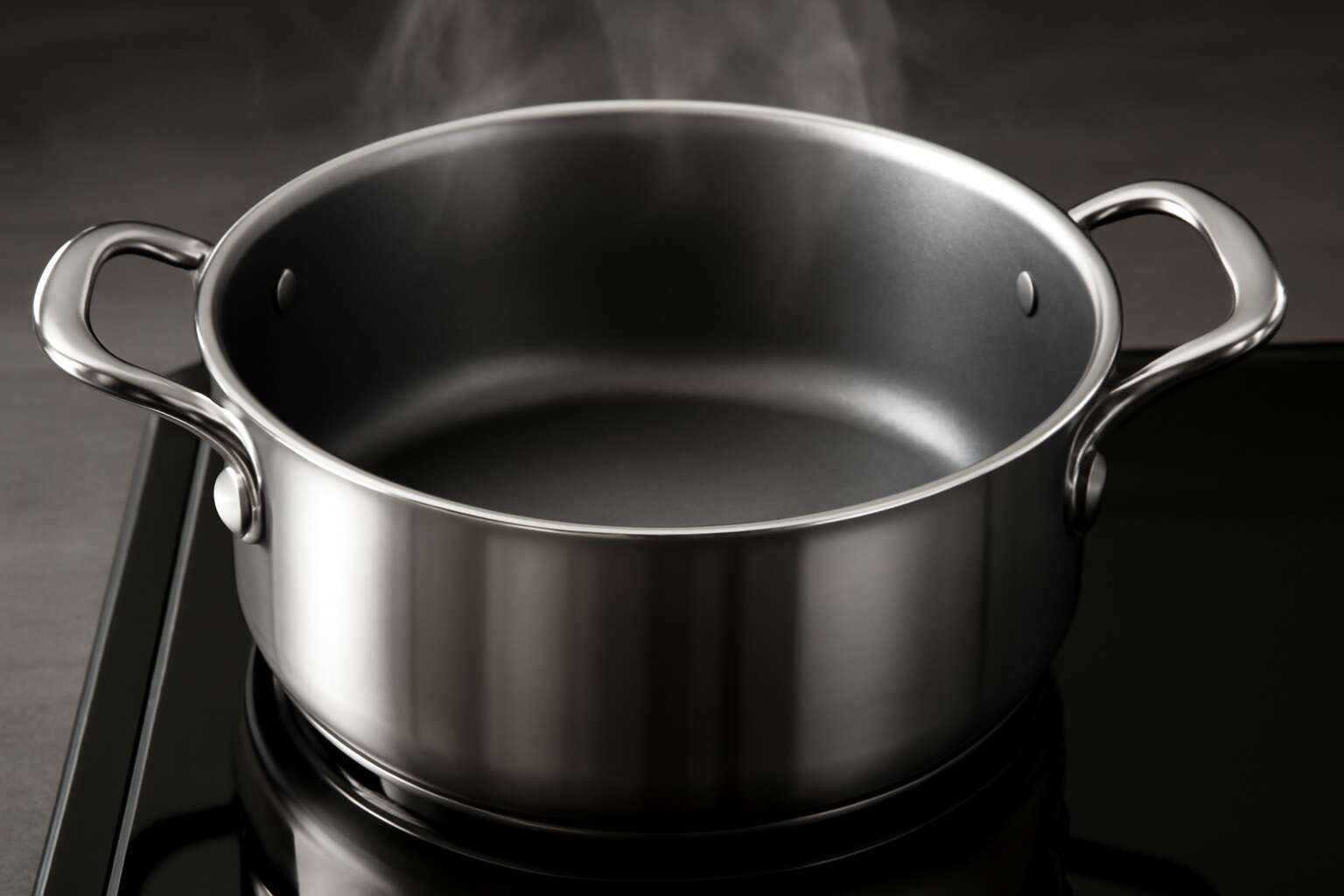
Understanding Stainless Steel Cookware
Overview of stainless steel as a cookware material
Stainless steel cookware has become a staple in many South African kitchens, celebrated for its durability and timeless appeal. When considering whether are stainless steel pots non stick, it’s essential to understand the unique properties that set this material apart. Unlike traditional non-stick pans, stainless steel pots offer superior heat retention and distribution, making them ideal for a variety of cooking techniques. They are often favored by professional chefs and home cooks alike for their resilience and ability to withstand high temperatures without warping.
While stainless steel pots are not inherently non-stick, their versatility is undeniable. They excel in searing, browning, and simmering, providing a natural non-stick effect when used correctly. Many users ask, are stainless steel pots non stick? The answer depends on how they are used. Proper preheating and the right amount of cooking fat can create a semi-non-stick surface, making them a practical choice for everyday cooking without the concerns associated with traditional non-stick coatings.
Common types and grades of stainless steel used in pots
Understanding the nuances of stainless steel cookware begins with recognizing the common types and grades used in pots. In South Africa, discerning chefs and home cooks alike gravitate toward high-grade stainless steel for its resilience and aesthetic appeal. The most prevalent grades are 304 and 316, each boasting superior corrosion resistance and durability. Grade 304, often dubbed “18/8 stainless steel,” contains 18% chromium and 8% nickel, making it ideal for everyday use. Meanwhile, 316 stainless steel offers enhanced resistance to pitting and is favored in more demanding culinary environments.
While stainless steel is renowned for its strength and elegance, many wonder, are stainless steel pots non stick? The answer hinges on understanding their natural surface properties. Unlike traditional non-stick cookware, stainless steel does not have a coating. Instead, it relies on proper heating techniques and the use of cooking fats to create a semi-non-stick surface. When seasoned correctly, these pots can achieve a natural non-stick effect, making them incredibly versatile for a variety of cooking techniques. Their ability to distribute heat evenly and withstand high temperatures makes them a timeless choice, even if they are not inherently non-stick.
Advantages of stainless steel pots
Stainless steel pots possess a quiet resilience, whispering promises of durability and timeless elegance in every simmer and sizzle. Their shimmering surfaces reflect the warm glow of kitchen lights, embodying a blend of form and function that’s often underestimated. While many wonder, are stainless steel pots non stick, the truth reveals an artistry rooted in technique rather than coating—an elegant dance of heat, fat, and patience. These pots don’t rely on a synthetic slickness but instead forge a natural non-stick surface through proper seasoning and meticulous cooking practices.
What truly elevates stainless steel cookware is its unparalleled ability to distribute heat evenly, ensuring each ingredient cooks to perfection. This even heat distribution minimizes hotspots, allowing culinary creations to unfold with precision. Moreover, stainless steel’s resistance to corrosion and staining guarantees that your investment endures through countless culinary journeys, from hearty stews to delicate sauces. It’s this resilience—paired with the natural non-stick prowess achieved through skill—that makes stainless steel pots a perennial favorite in kitchens across South Africa.
In essence, the question of whether stainless steel pots are non stick isn’t a simple yes or no. Instead, it’s about understanding how their innate qualities, combined with proper cooking techniques, create a semi-non-stick surface that rivals coated counterparts. When wielded with knowledge and care, these pots transform into versatile vessels—ready to elevate your culinary artistry to new heights.
Are Stainless Steel Pots Non-Stick?
Properties of stainless steel that affect non-stick capabilities
When pondering the question, “are stainless steel pots non stick,” it’s essential to understand the inherent properties of stainless steel that influence their non-stick capabilities. Unlike traditional non-stick cookware, stainless steel doesn’t rely on synthetic coatings; instead, its surface chemistry and heat conduction play pivotal roles. The durability and resistance to scratching and staining make stainless steel a popular choice in modern kitchens, but this also means they are not inherently non-stick. However, with proper technique—such as preheating the pot and using sufficient oil—you can achieve a surprisingly effective non-stick effect.
Stainless steel’s high thermal conductivity ensures even heat distribution, which is crucial for preventing food from sticking and burning. The surface’s natural tendency to develop a slightly sticky layer when hot can be harnessed to cook without excessive oil, but it doesn’t possess the same slick, easy-release quality as dedicated non-stick pans. To optimize performance, some cooks prefer using stainless steel pots with a layered core or a specially designed polished interior. Ultimately, whether stainless steel pots are non-stick depends on technique, but their versatility and longevity make them a compelling choice for many culinary enthusiasts.
Comparison between stainless steel and non-stick coated cookware
When pondering the question, “are stainless steel pots non stick,” one might be surprised by the nuanced reality. Unlike traditional non-stick cookware, stainless steel relies on its inherent properties rather than a synthetic coating—meaning, yes, they are not inherently non-stick in the classic sense. But that doesn’t mean they can’t deliver impressive results with the right technique! Achieving a non-stick effect in stainless steel pots involves preheating the vessel and using sufficient oil, turning what seems like a culinary challenge into a simple dance of heat and patience.
Compared to non-stick coated cookware, stainless steel pots offer a different kind of versatility. Non-stick pans excel at easy food release but often suffer from durability issues and the risk of peeling or scratching. In contrast, stainless steel withstands heavy use, resisting staining and scratching—an attribute that appeals to many South African home cooks. While they may require a bit more finesse, stainless steel pots can, with practice, produce foods that slide right out of the pan, making them a culinary chameleon in the kitchen.
Can stainless steel pots be considered non-stick?
When contemplating the question, “are stainless steel pots non stick,” the answer reveals a layered complexity that challenges initial assumptions. Unlike their non-stick coated counterparts, stainless steel pots do not possess a synthetic, slick surface that naturally repels food. Instead, their non-stick potential hinges on technique—preheating the vessel and employing ample oil can transform the cooking experience. It’s almost poetic how mastery over heat and patience can coax a similar release, turning what seems like a culinary obstacle into an art form.
While stainless steel cookware lacks the inherent non-stick qualities of coated pans, it compensates with unparalleled durability and versatility. For South African home cooks, this resilience is often a decisive factor. Stainless steel can withstand the rigors of daily use—scratches, stains, and high temperatures—without losing its integrity. The question, “are stainless steel pots non stick,” thus becomes less about the material’s inherent properties and more about the cook’s finesse and approach. With practice, these pots can produce exceptional results, with foods that slide out effortlessly, blurring the line between traditional non-stick performance and the enduring strength of stainless steel.
Factors Influencing the Non-Stick Performance of Stainless Steel Pots
Manufacturing techniques and surface finish
The non-stick performance of stainless steel pots is largely influenced by manufacturing techniques and surface finish. Unlike traditional non-stick coatings, the inherent non-stick properties—or lack thereof—depend on how these pots are crafted. High-quality manufacturing involves precise control over the alloy composition and heat treatment processes, which directly impact the surface’s smoothness and durability.
Surface finish plays a crucial role in determining whether stainless steel pots are non stick. A well-polished, smooth surface minimizes food adhesion, making cooking and cleaning easier. Some manufacturers employ advanced polishing methods or incorporate specialized surface treatments to enhance non-stick capabilities naturally, sidestepping the need for chemical coatings. The choice of manufacturing technique can thus transform a standard stainless steel pot into a more user-friendly cookware piece.
It’s worth noting that while stainless steel pots are not traditionally considered non stick, certain surface modifications can improve their performance. For example, electro-polishing or roughness reduction techniques create a surface less prone to food sticking. Ultimately, understanding these factors helps consumers make informed decisions about whether stainless steel pots are non stick and how to maximize their performance in everyday cooking. After all, the quest for reliable cookware that combines durability with ease of use is ongoing—making surface finish and manufacturing techniques more relevant than ever.
Usage and cooking techniques
Cooking techniques and proper usage play a pivotal role in determining whether stainless steel pots can be considered non stick. While these pots are not inherently non stick, mastering specific methods can significantly enhance their performance. For instance, preheating the pot and adding sufficient oil creates a natural barrier that minimizes food adhesion. Maintaining moderate heat during cooking prevents food from sticking and burning, which is crucial for achieving better non-stick results with stainless steel cookware.
Many seasoned chefs recommend using a gradual temperature increase and ensuring the surface is adequately coated with oil before adding ingredients. Additionally, employing tools like silicone spatulas or wooden spoons helps prevent scratching the surface, preserving its smooth finish. To optimize non-stick capabilities, some cooks opt for cooking foods with higher moisture content initially, such as braises or stews, which are less prone to sticking. These techniques, combined with an understanding of the cookware’s surface finish, can make a noticeable difference in everyday culinary experiences.
- Proper preheating and oil application
- Maintaining moderate cooking temperatures
- Using gentle utensils to avoid surface damage
- Cooking with foods that have higher moisture content
Ultimately, the question of are stainless steel pots non stick hinges not only on the material but also on how they are used. With the right techniques, these durable pots can deliver impressive non-stick performance, making them versatile additions to any kitchen arsenal in South Africa and beyond!
Maintenance and cleaning practices
Maintaining the non-stick performance of stainless steel pots hinges significantly on proper maintenance and cleaning practices. Unlike non-stick coated cookware, stainless steel relies on a pristine surface and proper care to prevent food from sticking and to prolong its lifespan. Regularly cleaning with gentle, non-abrasive scrubbers ensures the surface remains smooth and free from scratches that can compromise its non-stick capabilities.
To optimize performance, many chefs recommend soaking pots after cooking to loosen residues, making cleaning easier and more effective. Using a mixture of baking soda and vinegar can help remove stubborn stains without damaging the surface. When it comes to storage, stacking stainless steel pots carefully or using protective liners prevents surface scratches, which could diminish their ability to resist sticking.
- Proper preheating
- Use of gentle cleaning agents
- Avoiding metal utensils
These practices are essential in preserving the natural non-stick qualities of stainless steel cookware.
Ultimately, whether stainless steel pots are non stick depends greatly on diligent maintenance. When cared for correctly, these durable vessels can serve as versatile kitchen companions, offering non-stick performance that rivals specialized cookware, especially in culinary environments across South Africa. The true magic lies not only in the material but in the attentive stewardship of its surface integrity!
Enhancing Non-Stick Performance in Stainless Steel Cookware
Proper preheating and oiling methods
In the shadowed corridors of culinary craft, the question lingers like a ghostly whisper—are stainless steel pots non stick? The truth is, while these vessels lack the slick coating of traditional non-stick cookware, their non-stick prowess can be summoned through a ritual of proper preheating and oiling. When a stainless steel pot is heated just right, its surface becomes a silent partner in the dance of delicate ingredients, reducing the menace of sticking and tearing.
To unlock this secret, begin by heating the pot on medium heat until it reaches a certain temperature—often, a few drops of water will dance and evaporate swiftly. Then, add a thin layer of oil, allowing it to shimmer and form a protective barrier. This process creates a semi-non-stick surface, transforming the stainless steel into a vessel capable of handling more intricate cooking feats. Remember, patience is the key—rushing this process may leave you battling stubborn residues and frustration.
Mastering the art of proper preheating and oiling elevates your stainless steel pots beyond mere cooking tools. It is a dance of timing and technique that reveals the true potential of these resilient, gleaming vessels—proving once and for all that the question of whether stainless steel pots are non stick is not a myth but a mastery waiting to be unlocked.
Cooking tips for sticking prevention
In the shadowed corridors of culinary mastery, one question echoes like a haunting refrain: are stainless steel pots non stick? The truth whispers beneath their gleaming surfaces—these vessels are not inherently non stick, yet their true potential can be unlocked through a secret ritual. When heated with patience and precision, stainless steel can become a surprisingly resilient partner in the delicate dance of cooking. The key lies in understanding how proper preheating and oiling forge a semi-non-stick surface, transforming these ironclad guardians of the kitchen into tools capable of handling the most fragile ingredients.
To enhance non-stick performance, it’s essential to master the art of heat. Begin by warming the stainless steel pot on medium heat until it reaches a temperature where a few drops of water dance and evaporate swiftly. Then, add a thin layer of oil—allow it to shimmer and form a protective barrier. This process creates a ghostly sheen that resists sticking, even during the most intricate culinary endeavors. Remember, patience is a virtue in this ritual; rushing the process often results in stubborn residues that cling like shadows in the night.
For those seeking to prevent sticking altogether, consider these techniques:
- Ensure ingredients are at room temperature before cooking.
- Avoid overcrowding the pot, which can cause uneven heating and sticking.
Such measures, combined with mastery over preheating and oiling, elevate stainless steel cookware from mere vessels to enchanted tools of the culinary craft. The question of whether stainless steel pots are non stick is thus rendered moot—these vessels become champions of the kitchen, revealing their hidden prowess through the dark art of technique and patience.
Use of non-stick sprays and additives
When it comes to enhancing the non-stick performance of stainless steel cookware, many home cooks wonder: are stainless steel pots non stick? While traditionally not classified as non-stick, there are clever ways to coax their natural resilience into a semi-non-stick surface. One method involves using non-stick sprays or additives, which can create a temporary barrier that helps prevent food from clinging during the initial stages of cooking. These products work by forming a thin, residue-free coating that makes flipping delicate items like eggs or pancakes much easier.
Using non-stick sprays sparingly can be a game changer, especially when cooking sticky ingredients. Apply a light mist before heating the pot, then follow proper preheating techniques. This simple step helps distribute heat evenly and ensures that food releases smoothly. Just remember, frequent use of sprays or additives may impact the long-term appearance of stainless steel, so moderation is key. When combined with patience and the right techniques, these solutions can significantly improve the non-stick capabilities of stainless steel pots, helping you achieve culinary perfection with less frustration and mess.
Advantages and Disadvantages of Stainless Steel Pots with Non-Stick Features
Benefits of stainless steel with added non-stick coatings
When considering whether are stainless steel pots non stick, many wonder if the added convenience of non-stick coatings compromises the durability and aesthetic appeal of stainless steel. The advantages of combining stainless steel with non-stick features are compelling. These pots typically offer improved food release, making cooking and cleaning much easier. The non-stick layer reduces the need for excessive oil, promoting healthier meals while ensuring that delicate foods like eggs or pancakes don’t cling stubbornly to the surface.
However, there are notable disadvantages as well. The longevity of non-stick coatings on stainless steel pots can be limited, especially if not cared for properly. Scratches and wear can diminish their effectiveness over time, potentially leading to the exposure of the stainless steel underneath. This can cause uneven heating and increase the risk of food sticking again. For those asking are stainless steel pots non stick, it’s essential to understand that while they can offer some non-stick benefits, they generally don’t match the performance of dedicated non-stick cookware. Benefits of stainless steel with added non-stick coatings include easier cleaning and reduced food waste, but they’re not entirely foolproof for high-temperature cooking or prolonged use.
Potential drawbacks and limitations
In the realm of culinary craftsmanship, stainless steel pots with non-stick features embody a paradox—an elegant dance between durability and convenience. While these pots promise a smoother cooking experience, their non-stick coatings often raise questions about longevity and performance. The primary advantage lies in their ability to facilitate effortless food release, reducing both cooking time and cleanup. For those pondering, “are stainless steel pots non stick,” it’s essential to recognize that these coatings can make a significant difference, especially with delicate foods like eggs or pancakes.
However, this convenience comes with caveats. The non-stick layer, often a thin film of PTFE or ceramic, can wear down with repeated use, especially under high heat or aggressive cleaning methods. Once compromised, the stainless steel beneath may be exposed, leading to uneven heating and potential sticking. Furthermore, the durability of non-stick coatings varies based on manufacturing quality and usage habits. For example, using metal utensils or abrasive scrubbers can accelerate deterioration.
Potential drawbacks include:
- Limited lifespan of non-stick coatings under typical household use.
- Risk of chemical degradation if high heat is applied excessively.
- Reduced aesthetic appeal as scratches become visible over time.
In essence, while stainless steel pots with non-stick features offer undeniable benefits—such as easier cleaning and healthier cooking—they are not immune to limitations. They serve as a valuable tool in the kitchen arsenal, but their performance may not fully match dedicated non-stick cookware, especially when subjected to rigorous or prolonged use. For those asking, “are stainless steel pots non stick,” the answer is nuanced: they provide some non-stick advantages but are best appreciated with mindful handling and realistic expectations.
Comparative analysis with traditional non-stick and cast iron cookware
In the world of culinary tools, stainless steel pots with non-stick features have become a topic of spirited debate. While their allure lies in durability and ease of cleaning, the question remains—are stainless steel pots non stick? When compared to traditional non-stick cookware, these pots offer a different set of advantages and challenges. Unlike conventional non-stick pans, which rely solely on synthetic coatings, stainless steel pots with non-stick features utilize a layered surface finish that aims to combine the best of both worlds.
One significant advantage is their versatility; stainless steel pots are suitable for high-temperature cooking, which can be limited in traditional non-stick options due to coating degradation. However, the non-stick properties of these pots are often less pronounced than dedicated non-stick cookware. For example, while non-stick coated pans excel at cooking delicate items like eggs or pancakes without sticking, stainless steel pots with non-stick features may require some oil or butter to achieve similar results.
- They are generally more durable than traditional non-stick pans.
- They resist scratching from metal utensils better than conventional non-stick coatings.
Conversely, cast iron cookware is often lauded for its natural non-stick surface through seasoning, but it demands meticulous maintenance and longer preheating times. When comparing these options, stainless steel pots with non-stick features stand out for their ease of use and quick cleanup, although their non-stick capabilities may diminish over time if not handled carefully.
- They tend to have a longer lifespan than traditional non-stick pans.
- They do not degrade chemically and are considered safer for high-heat cooking.
Yet, it’s important to recognize that the non-stick effect in stainless steel pots is often a result of surface treatment rather than inherent properties. This subtle distinction influences how these pots perform in the kitchen—particularly when cooking foods prone to sticking or when using aggressive cleaning techniques. Ultimately, whether these pots serve as true non-stick solutions depends on specific usage habits and expectations, highlighting that the answer to “are stainless steel pots non stick?” remains nuanced and context-dependent. For those seeking a resilient, multi-purpose cookware, understanding these dynamics is crucial to making an informed choice.
Are There Non-Stick Stainless Steel Pots on the Market?
Products with non-stick properties made of stainless steel
For those seeking the perfect balance between durability and ease of cooking, the question often arises: are stainless steel pots non stick? While traditional stainless steel cookware is celebrated for its resilience and sleek appearance, it doesn’t inherently possess non-stick qualities. However, the market has evolved to offer innovative solutions that cater to this demand.
Today, you can find products that combine the strength of stainless steel with advanced non-stick properties. These pots typically feature a specialized surface finish or a layered construction that enhances their non-stick capabilities without sacrificing the core benefits of stainless steel. Some manufacturers use ceramic or titanium-infused coatings, providing a non-stick experience while maintaining the integrity of the stainless steel underneath.
- Stainless steel pots with non-stick coatings
- Enhanced surface finishes for superior release
- Layered construction to improve non-stick performance
So, are stainless steel pots non stick? Thanks to cutting-edge manufacturing techniques, the answer is increasingly yes, offering cooks in South Africa a versatile and reliable option to enjoy hassle-free cooking without compromising on quality or longevity.
Innovations: Ceramic and other coatings on stainless steel
In the realm of culinary tools, the question persists: are stainless steel pots non stick? For decades, stainless steel has been revered for its robustness and timeless elegance. Yet, when it comes to non-stick properties, traditional stainless steel cookware often falls short. That’s why recent innovations have reshaped the landscape, blending durability with the promise of easier food release.
Manufacturers now utilize advanced surface finishes and layered constructions to elevate stainless steel’s non-stick capabilities. Ceramic and titanium-infused coatings have become increasingly popular, offering a non-stick experience that rivals traditional non-stick pans. These coatings are engineered to withstand high temperatures and resist scratching, making them ideal for everyday use in South Africa’s diverse culinary environment. So, when asking, are stainless steel pots non stick, it’s important to recognize these technological strides that bring new possibilities to the kitchen.
- Enhanced surface finishes that facilitate smoother food release
- Layered construction techniques that integrate non-stick properties without compromising strength
- Innovative ceramic and titanium-infused coatings that extend the lifespan of the cookware
In essence, the evolution of stainless steel cookware now offers a compelling answer: yes, many stainless steel pots are non stick, thanks to cutting-edge manufacturing processes. This breakthrough allows cooks to enjoy the resilience of stainless steel alongside the convenience of non-stick surfaces, redefining what is possible in both professional and home kitchens across South Africa.
What to look for when buying non-stick stainless steel cookware
In the bustling kitchens of South Africa, where culinary excellence often hinges on the right cookware, a question persists: are stainless steel pots non stick? The answer has evolved dramatically in recent years, thanks to groundbreaking innovations. Today, the market offers a variety of stainless steel cookware with non-stick properties that challenge traditional notions. It’s not just about durability anymore; it’s about blending resilience with ease of use.
Manufacturers are now incorporating advanced surface finishes and layered constructions that enhance food release. Ceramic and titanium-infused coatings have become popular choices, delivering non-stick performance without sacrificing the toughness of stainless steel. These coatings are engineered to endure high temperatures and resist scratching, making them ideal for busy South African households. When pondering, are stainless steel pots non stick, it’s essential to explore these technological advancements that are reshaping the culinary landscape.
For those seeking non-stick stainless steel cookware, look for products with:
- Enhanced surface finishes designed for smoother food release
- Layered construction techniques that integrate non-stick properties
- Innovative ceramic or titanium-infused coatings
Such features ensure that your cookware not only stands the test of time but also simplifies cooking, proving that yes, many stainless steel pots are non stick—thanks to cutting-edge manufacturing processes that bring new possibilities to every kitchen.
Maintenance and Care of Stainless Steel Cookware for Better Non-Stick Performance
Cleaning tips to preserve surface and non-stick qualities
In the symphony of culinary craftsmanship, maintaining the non-stick prowess of stainless steel pots is akin to tending a delicate garden—requiring patience, finesse, and a touch of reverence. While many ponder, “are stainless steel pots non stick,” the truth lies in the art of proper care. An unyielding truth echoes: with diligent maintenance, these vessels can offer remarkable non-stick performance, rivaling even the most celebrated coatings.
To preserve their surface and non-stick qualities, gentle cleaning is paramount. Avoid abrasive scrubbers that threaten to mar the finish; instead, opt for soft cloths and non-abrasive cleansers. For stubborn residues, a soak in warm water infused with baking soda can dissolve the toughest bits, restoring the surface’s luster. Regularly polishing with a stainless steel cleaner not only elevates appearance but also enhances the non-stick barrier, ensuring food glides effortlessly during each culinary adventure.
In addition, consider these best practices:
- Use wooden or silicone utensils to prevent scratches that compromise non-stick qualities.
- Always allow the pot to cool before washing—thermal shock can warp surfaces, diminishing non-stick efficacy.
- Apply a light coating of oil after cleaning to reinforce the surface’s natural non-stick properties, making each subsequent cooking session smoother and more predictable.
Through mindful care and attentive maintenance, the question “are stainless steel pots non stick” transforms from skepticism into a confident affirmation—these versatile vessels, when cherished, can serve as non-stick marvels in any kitchen. Their resilience and beauty endure only when nurtured with the gentle touch of proper cleaning and preservation techniques, ensuring every meal is a testament to craftsmanship and care.
Avoiding damage and scratches
Maintaining the integrity of stainless steel cookware is an act of mindful devotion—every scratch and stain whispers the tale of neglect. When asking, “are stainless steel pots non stick,” the answer hinges not on their innate properties but on the care they receive. Proper maintenance is the silent guardian of their non-stick potential, ensuring that food releases effortlessly and surfaces remain pristine.
To avoid damage and scratches that can diminish non-stick performance, always use utensils made of wood or silicone. These gentle tools prevent the abrasive marks that mar stainless steel’s surface, preserving its smoothness. It’s equally vital to allow the cookware to cool before washing; sudden thermal shocks can warp the metal, creating uneven surfaces that trap food and compromise non-stick qualities.
- Regularly clean with non-abrasive cleaners and a soft cloth to maintain surface luster.
- Apply a thin layer of oil after cleaning to reinforce the natural non-stick barrier.
- Store carefully to avoid stacking that could cause scratches and surface damage.
By embracing these gentle yet deliberate practices, the question “are stainless steel pots non stick” shifts from uncertainty to confidence. When nurtured with care, these vessels become resilient marvels—capable of delivering the same effortless release as dedicated non-stick cookware, all while enduring the test of time.
Storage recommendations
When it comes to maintaining the non-stick qualities of stainless steel pots, proper storage plays a pivotal role. Many cooks in South Africa cherish their durable cookware, but improper storage can quickly diminish their performance. To preserve their non-stick potential, it’s essential to store stainless steel pots carefully, avoiding stacking directly on top of each other. Using protective soft cloths or pot protectors between cookware helps prevent surface scratches, which can trap food and compromise the non-stick surface over time.
For added longevity, consider hanging your stainless steel pots or stacking them in a way that minimizes contact with abrasive surfaces. This gentle approach ensures that the surface finish remains smooth and resilient, supporting effortless food release. When asked, “are stainless steel pots non stick,” the answer becomes clearer: with attentive storage and care, these versatile vessels can deliver non-stick performance rivaling dedicated non-stick cookware—lasting through years of daily use with the right habits.


0 Comments