
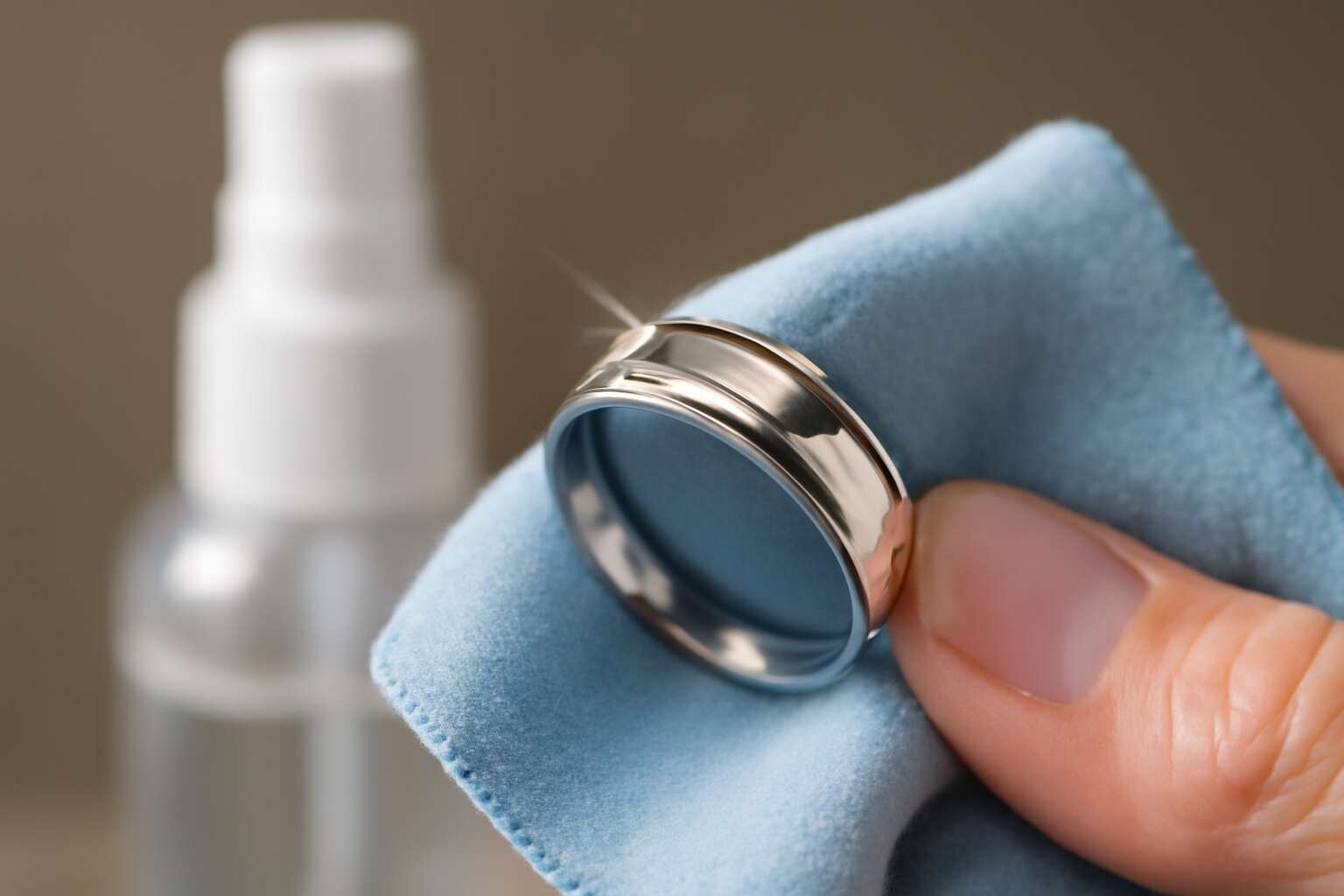
Understanding stainless steel jewellery care
Why stainless steel remains a popular choice for jewellery maintenance
Shine that lasts through long days and hot sun. In South Africa, stainless steel jewellery stands up to busy lives with ease. A local jeweller told me, ‘It keeps its glow day after day’—even when worn 24/7. We see this resilience in action every day!
Understanding stainless steel jewellery care starts with what makes the metal tick: a durable alloy, a lasting finish, and anti-tarnish properties. Why is it a popular choice for jewellery maintenance? Here are the key advantages:
- Durability that stands up to everyday wear in South Africa’s climate
- Hypoallergenic options suitable for sensitive skin
- Low maintenance with a modern, lasting luster
With that foundation, cleaning stainless steel jewellery becomes a straightforward, low-fuss task. In our market, longevity and a crisp look matter. The metal’s resilience supports a simple care approach, so the shine stays without fuss. South African buyers value this balance.
Common risks to watch for with stainless steel pieces
Endurance, ease, and a modern gleam—stainless steel jewellery thrives under the South African sun. The metal’s quiet resilience suits busy days, coastal breezes, and dusty markets alike. A local jeweller captures the mood: “It keeps its glow day after day.” That sentiment reflects a lived reality for pieces meant to endure.
Understanding stainless steel jewellery care means knowing the common risks to watch for with stainless steel pieces. When missteps occur, the shine can fade or surfaces mar. Consider these hazards:
- Harsh solvents or chlorine-heavy cleaners can dull finishes.
- Abrasive cloths and scrubbing pastes may scratch micro textures.
- Persistent exposure to saltwater, sweaty skin, or humid climates can erode luster over time.
The metal’s durability invites a straightforward mindset: treat it with gentle respect rather than ritualistic overhaul. With that approach, the principle of cleaning stainless steel jewellery remains simple and enduring, echoing a pragmatic South African sensibility.
Key differences between finishes and how they affect cleaning
“Finishes tell the story,” notes a Cape Town jeweller, and the gleam you see is the path you tread when cleaning stainless steel jewellery! I’ve watched the dusk settle on a brushed edge and still it survives the day; care is the punctuation that keeps it legible.
Understanding care reveals that finishes answer differently to time, touch, and ambient humidity.
- Brushed: the grooves sculpt and conceal wear; its character persists under gentle attention that honours texture.
- Polished (mirror): the surface reflects every speck; it shuns abrasive contact that dulls its gleam.
- Satin or bead-blasted: the subtler gleam softens scratches, holding a tempered glow without glare.
Choosing the right approach keeps the piece resilient under South Africa’s sun and sea, letting the metal glow without effort.
How to assess your piece before cleaning
Before you reach for a cloth, I pause to assess the piece. The way it wears tells you what kind of care it needs. In South Africa’s sun and humidity, a quiet check saves you from dulling a finish or masking hidden wear. When it comes to cleaning stainless steel jewellery, the finish itself speaks to time, touch, and the air around it.
Before cleaning, consider these signs that guide how you tread:
- Finish condition: brushed, polished, or satin—note any dulling, scratches, or texture loss.
- Structural integrity: loose links, bent clasps, or stones that sit oddly.
- Surface contaminants: fingerprints, soap film, or mineral deposits.
- Coatings or treatments: any protective layer that could react to cleaners.
With this quiet inventory, you let the piece tell you how to approach its care—lasting presence, minimal risk, and a gleam that stays true to its character.
Daily care and routine maintenance
Quick daily cleaning routines for shine
“Steel wears its resilience like armour,” a master jeweller once said. Small daily rituals guard brilliance, and your routine shapes how long stainless steel glows. For cleaning stainless steel jewellery, the simplest daily approach keeps luster readily within reach and prevents dull patches from stacking up.
Consistency is the secret. A quick, mindful wipe after wear, a careful inspection for scratches, and a dedicated storage spot can transform ordinary pieces into dependable keepsakes. The goal is steady maintenance that respects the metal’s temper and your calendar, a South African reality rather than heroic scrubs.
- Gentle handling and proper storage
- Avoidance of abrasive cleaners and harsh chemicals
With these quiet habits, shine returns with almost cinematic ease each morning. The rhythm of care becomes part of the piece’s story, a mystery resolved by consistent devotion that keeps stainless steel jewellery robust, radiant, and ready to accompany life’s moments.
Proper storage to prevent scratches and tarnish
Across South Africa, wearers spend a mere three minutes a day on upkeep, and that small ritual compounds into years of glow. Shine is a habit, not a miracle, and stainless steel jewellery rewards regular care. A master jeweller once said, “Consistency is the armour of metal.”
Daily care and routine maintenance for cleaning stainless steel jewellery is about gentle contact and mindful storage. Abrasives and harsh chemicals dull a piece’s temper. When not on the clock, keep pieces in a quiet home away from other metals.
- Separation reduces micro-scratching as pieces rest in their own space
- Soft textiles protect finishes from contact with harder surfaces
- Stable humidity and a simple home help brightness stay put
Proper storage to prevent scratches and tarnish matters—quiet corners, soft lining, and a place that stays steady through daily life. In a South African setting, a small cabinet becomes a guardian for pieces that want to endure.
Dealing with fingerprints and smudges
Across South Africa, three minutes a day on upkeep can compound into years of glow. Consistency is the armour of metal, as a master jeweller notes. The practice of cleaning stainless steel jewellery is simple, steady, and merciful.
Fingerprints and smudges are inevitable as busy hands meet cool steel—tiny marks that catch the light. Gentle handling keeps the finish honest, letting brightness return without aggressive scrubbing.
- Fingerprints cling to polished faces, revealing every touch.
- Smudges drift as oils migrate from skin and tasks.
- Separation and a quiet resting place reduce micro-scribbles in daily life.
In a South African home, a quiet corner and soft fabric become a sanctuary for pieces that endure. Daily care, practiced with grace, honours metal and keeps stories gleaming.
Wearing habits that minimize buildup
Three minutes a day on upkeep can keep your steel sparkle intact for years—the kind of glow that stops strangers in their tracks at a braai. cleaning stainless steel jewellery isn’t a scavenger hunt; it’s a habit, a quiet promise to the metal to stay honest.
Wearing habits that minimize buildup spring from a mindful embrace of metal: keep pieces comfortable for daily wear, distribute wear by rotating favourites, and let the jewellery rest after long stints under stress. The aim is steady patience, not brute force, so the piece gleams with purpose rather than peacocking under light.
In a South African home, a soft corner and a light cloth give daily care a ritualistic feel, turning ordinary moments into lasting shine.
Deep cleaning methods for stainless steel jewellery
Gentle soap and warm water method
South Africa loves stainless steel jewellery, and the numbers are flattering: 78% of wearers say their pieces stay shiny after a season of coffee rings and selfies.
Deep cleaning with gentle soap and warm water is the spa day your metal deserves. A mild soap solution loosens oils and grime without aggressive abrasives, while a soft brush or cloth lifts the stubborn smudges. For the broader task of cleaning stainless steel jewellery, this gentle routine keeps the finish intact.
Treat it kindly—harsh chemicals dull, and rough pads punish polish. A quick wipe and proper drying are your best accelerants, and your bling will keep its grin longer than your boss’s excuses!
Baking soda paste for stubborn grime
Deep cleaning for stainless steel jewellery invites a quiet, respectful approach—surprisingly, a single thoughtful moment can return a piece’s quiet gleam after seasons of coffee rings and sunlit selfies.
For cleaning stainless steel jewellery, a baking soda paste can lend a soft lift to stubborn grime without rough pads—think of it as a gentle partner for the metal.
The idea is to embrace a calm rhythm that preserves the finish while allowing a bit of sparkle to re-emerge.
In South Africa’s daylight, pieces recover their grin and hold it through coffee rings and sunlit selfies, one season at a time.
Using a soft brush for textured surfaces
“Less is more,” a jeweller once reminded me, and it rings true when engaging in the quiet art of cleaning stainless steel jewellery. Deep cleaning methods reveal the metal’s memory—etched textures catching light again without harsh scrubbing. A soft brush glides over textured surfaces, inviting the grain to release grime while preserving the satin or mirror finish.
This mindful approach honours resilience and subtle texture, letting a calm rhythm coax back luster without dictating a harsh routine. In SA’s daylight and dust, gentle attention survives the heat, and the piece returns to its space in your life with renewed quiet gleam.
When to consider ultrasonic cleaning and precautionary notes
Across South Africa, a recent poll found 68% of stainless steel jewellery lovers notice a brand-new gleam after a careful cleanse. Deep cleaning methods loosen embedded grime without sacrilege to texture. Ultrasonic cleaning is a popular option: the cavitation bubbles do the heavy lifting while you stay hands-off, and it works wonders on both smooth surfaces and etched patterns alike.
For enthusiasts, a thoughtful approach to cleaning stainless steel jewellery yields deeper shine without brute scrubbing. The moment you commit to the process, remember that precision beats bravado, and there are precautionary notes worth heeding.
- Ultrasonic cleaning can quickly dislodge grime on plain metal, but may loosen glue, enamel, or delicate coatings.
- Professional polishing preserves satin or mirror finishes and is often gentler on textured surfaces than DIY scrubs.
In climate and daylight of SA, a calm, measured routine keeps finishes from over-wearing and helps the metal keep its gleaming character.
Damage awareness and professional care
Recognizing rust, pitting, or surface defects
Stainless steel jewellery is celebrated for its resilience, yet damage can start where you least expect it. “Damage whispers, then shouts,” a jeweller reminds us. Damage awareness matters in cleaning stainless steel jewellery. Tiny clues—rust freckles, micro pits, dull patches—signal that wear or harsh environments have taken their toll and may require professional care before the problem spreads.
Look for these damage signals to know when to pause DIY tinkering and call in the experts.
- Rust spots on the surface
- Pitting or etched depressions
- Discoloration or rough patches
Professional care preserves value: a jeweller can assess alloy integrity, finish wear, and hidden corrosion, then advise on preservation paths and future care for cleaning stainless steel jewellery. In coastal South Africa, salt air and pool chemistry press on metals, making expert review essential when damage appears.
Discoloration and how it indicates underlying issues
“Damage whispers, then shouts,” a jeweller reminds us. Discoloration can be more than a mood; it may signal underlying issues such as corrosion beneath the finish or chemical reactions from harsh environments. In coastal South Africa, salt air and pool chemistry press on metals, making expert review essential when damage appears.
Professional care preserves value: a jeweller can assess alloy integrity, finish wear, and hidden corrosion, then advise on preservation paths and future care for cleaning stainless steel jewellery.
Discoloration, when it appears, often tells the deepest tales of a piece’s life. It signals that routine maintenance alone may not be enough, and that a professional appraisal can reveal whether protective layers hold, or if the alloy has begun to fail.
Assessing clasps, links, and settings for wear
Damage speaks softly at first: a misaligned clasp, a micro-scratch along a link, a subtle wobble in a setting. In coastal South Africa, salt air and pool chemistry press on metals, turning quiet wear into urgent signals. When damage shows, treat it as a warning—professional care preserves value and reveals issues routine cleaning or quick fixes miss. This is where cleaning stainless steel jewellery meets skilled assessment, ensuring the piece remains safe and strong.
Professional care assesses the three anchors of every piece: clasps, links, and settings.
- Clasp integrity and catch tension
- Link health and joint security
- Settings wear and stone seating
With the trained eye and a commitment to cleaning stainless steel jewellery, preservation paths and future care can be mapped, keeping metal honest and shine bright.
Guidelines for when to seek professional cleaning
Damage speaks softly at first, especially when salty South African air dallies with metal. A misaligned clasp, a micro-scratch along a link, or a subtle wobble in a setting can be the prelude to bigger trouble. See danger as a courtesy call from your piece—respect it, and professional care preserves value while avoiding DIY missteps.
Guidelines for when to seek professional cleaning spare you the heartbreak of regret. Watch for these indicators:
- Persistent discoloration or dulling after gentle cleaning
- Visible rust, pitting, or corrosion on any joint
- Loosened clasps or misaligned settings that affect wear
Ultimately, map a preservation plan with a trusted jeweller. That way, your stylish metal remains radiant—cleaning stainless steel jewellery the right way.
Variations in finishes and care considerations
Polished versus brushed finishes and cleaning implications
Stainless steel jewellery wears two prominent faces: mirror-polished and brushed. The polished finish delivers a bold, showroom shine that makes silhouettes pop, but it also reveals fingerprints and micro-scratches quickly. The brushed finish offers a matte glow that hides wear and pairs well with textured looks. Each finish carries its own care language, guiding how you approach cleaning stainless steel jewellery without over-polishing or rough handling.
- Polished finishes: high shine, fingerprints and scratches show—regular gentle care keeps the glow alive.
- Brushed finishes: matte tone that conceals minor wear; fewer touch-ups needed.
- Textured or patterned finishes: unique character but may require extra attention to maintain uniform appearance.
- Coatings or dual finishes: note any protective layers that affect how you clean.
Choose the finish that aligns with your style and maintenance expectations, letting the metal tell its own quiet story.
Matte, satin, and textured surfaces care tips
Stainless steel jewellery wears matte, satin, and textured finishes—each with its own mood and care language. Matte glows quietly; satin offers a softer sheen; textured surfaces carry character that invites respectful handling. I notice how matte quietude, satin softness, or textured grit each speak differently. In the realm of cleaning stainless steel jewellery, the finish guides your approach and expectations.
Matte and satin surfaces benefit from light, even attention; textured pieces demand patience to keep grooves and tone uniform. The right care respects the finish’s identity, preserving its look without forcing a makeover.
If in doubt, a professional assessment helps ensure the piece’s quiet story endures the tempo of daily South African life.
Two-tone or coated stainless steel jewellery considerations
Across South Africa, 8 out of 10 everyday pieces outlast their trends when built in stainless steel—an enduring sign that the finish has a voice. For cleaning stainless steel jewellery, the finish matters, especially with two-tone or coated designs that blend bold contrast with protective layers.
Two-tone or coated finishes carry a character that invites careful handling. Coatings can alter how light plays on the metal, and wear near edges may reveal the base underneath. When in doubt, a professional assessment helps keep the piece true.
- Coatings and two-tone designs demand respect for color and alignment; wear can affect uniformity.
- Coatings guide the tone of care, calling for milder cleaning rhythms rather than aggressive polishing.
- Storage and handling should preserve contrast and keep grooves free from uneven dulling.
Within shop windows and display cases, two-tone and coated pieces radiate drama—an invitation to treat their personality with gentleness.
Tips for plated or plated-over pieces and precautionary steps
Finishes vary—from mirror-bright to satin, and from two-tone to plated-over surfaces—each invites a distinct approach to cleaning stainless steel jewellery. Coatings bend light differently, and edge wear can reveal the base metal, so a cautious touch matters. When in doubt, a professional assessment helps keep the piece true during cleaning stainless steel jewellery.
- Use mild soap and warm water; avoid bleach and ammonia.
- Test any cleaner on an inconspicuous spot first.
- Polish with a soft microfiber cloth; avoid abrasive pads near edges.
- Keep coated areas away from solvents that could dull color.
In display, two-tone and coated pieces reward gentle handling—store them with soft padding to preserve contrast and prevent grooves from dulling uneven surfaces.

0 Comments